The Battle Against High Cholesterol

Cholesterol is a waxy substance that comes from two sources: our bodies and what we eat. Our bodies, and especially its liver, make all the cholesterol we need and circulate it through the blood, but it cannot be dissolved. It must be transported through the bloodstream by carriers called lipoproteins, which are composed of fat (lipid) and proteins. Cholesterol is also found in foods from animal sources, such as meat, poultry and full-fat dairy products. The liver produces more cholesterol when we eat a diet high in saturated and trans fats.

A tendency towards high cholesterol can be caused by a diet that is high in fat, but a person can also be genetically predisposed. In other words, high cholesterol can run in the family. Cholesterol is such a common topic of conversations these days because when it is too high, it is a proven risk for cardiac problems. As a result, cholesterol medication, commonly referred to as statins, are one of the highest sources of revenue for pharmaceutical companies.

Statins work by slowing the body’s production of cholesterol. The body produces all the cholesterol it needs by digesting food and producing new cells on its own. When this natural production is slowed, the body begins to draw the cholesterol it needs from the food you eat, lowering your total cholesterol.

According to the University of Maryland Medical Center (UMMC), statins also lower your body’s levels of coenzyme Q10 (“CoQ10”). As your levels go down, the side effects of statins increase. Taking CoQ10 supplements might help increase the levels in the body and reduce side effects caused by statin usage.

The most common statin side effect is muscle pain. It can be mildly uncomfortable pain or bad enough to compromise daily activities. Statins can also adversely affect the liver and kidneys. Some people may develop nausea, gas, diarrhea or constipation after taking a statin, although these side effects are relatively rare. Taking statin medication in the evening with a meal can reduce digestive side effects.

The FDA warns on statin labels that some people have developed memory loss or confusion while taking statins. These side effects reverse once you stop taking the medication. Talk to your doctor if you experience memory loss or confusion. On the other hand, there has also been evidence that statins may help with brain function — in patients with dementia or Alzheimer’s, and this continues to be studied.

If your diet is the cause of high cholesterol levels, it can be relatively easy to lower levels by making changes to daily consumption of red meat and dairy—and focusing on whole grains, fruits and vegetables.

Cholesterol can be both good and bad, so it’s important to know what your cholesterol levels are in order to manage the health of your circulatory system. If you have high overall cholesterol and it’s not genetic, you have a good chance of controlling it via diet.

Eating Right, Made Easy

The truth of the matter is, eating right is not only easy to do, but many of the foods that are best for us, are simply delicious. It’s a win-win.

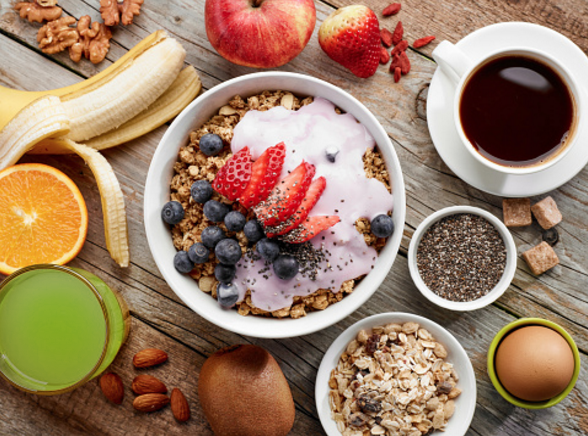
The easiest way to make sure we’re eating right is to cook the food ourselves. This automatically decreases the amount of “convenience” food, which is often processed—meaning the actual nutrients have long been “refined” out of it. Cooking doesn’t have to be complicated. No need for rich sauces and time-consuming baked goods. A quick sauté of fresh vegetables and grilling lean cuts of meat, fish and other sea food is delicious and satisfying, without adding “empty” calories.

Many real foods are actually very convenient and good for us, because they can be eaten raw, contain antioxidants and minerals, and are nutrient-dense. For example:

  • Kiwi is believed to contain properties that help to lower blood pressure as well as to prevent disease.
  • Green leafy vegetables, including kale, spinach, watercress, pea sprouts, yam leaves and chard are known to be low in calories, high in calcium and fiber—lending the benefits of cleaning the digestive system and promoting bone health.
  • Red and yellow fruits and vegetables are believed to be high in lutein, a naturally occurring carotenoid known as an antioxidant with blue light absorption abilities. Blue light helps increase the growth rate of healbe high in lutein, a naturally occurring carotenoid known as an antioxidant with blue light absorption abilities. Blue light helps increase the growth rate of healthy cells, prevent eye disease and clogging of the arteries. Choose delicious and colorful squash, carrots, bell peppers, and once again, green and leafy vegetables.
  • Apples and citrus fruits contain pectin, a type of fiber believed to help lower cholesterol as well as to stimulate digestion.
  • Onions are thought to fight cancer and bone loss.
  • Garlic is believed to boost the immune system.

Eating delicious food and being positive lifestyle role models go hand in hand. It’s great for our families and friends. NikkenWellness nutrition makes eating right, easy.