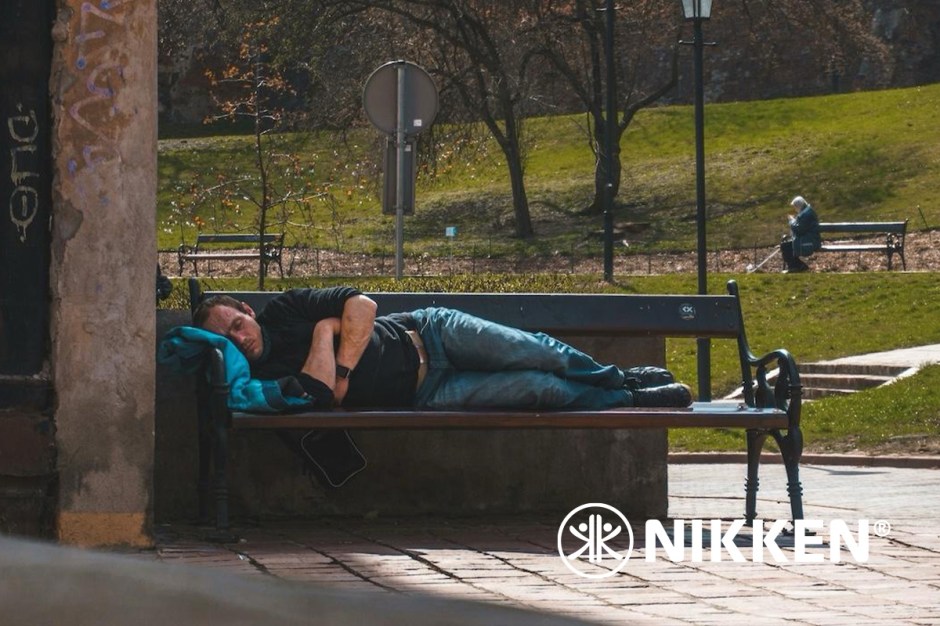
While sleep is a biological necessity for unconscious repair, rest is a conscious effort to recharge your energy across several different areas. Sometimes, we wake up from a night’s sleep and do not feel rested at all. In other words, we did not obtain restful sleep. Sleep is considered to be physical rest, but there are actually other types of rest, and together, they can be even more important than just getting a good night’s sleep.
Dr. Dalton-Smith, author of Sacred Rest: Recover Your Life, Renew Your Energy, Restore Your Sanity, explains, “There are significant differences between rest and sleep, though the importance of the former tends to get overshadowed by society’s emphasis on the later. It’s not a situation where you only need rest or you only need sleep. You need both.” 1
So, what’s the difference between sleep and rest? Sleep and rest share similarities, but they have key differences too. In short, sleep is a complex process that allows your body and brain to re-energize and process information, while rest is multifaceted and involves wakeful restoration. Sleep is one form of physical rest, but rest can take many different forms.
Dr. Dalton-Smith defines seven types of rest:2
1. Physical rest includes sleeping and napping. Physical rest includes “active rest,” which includes stretching, using a foam roller, adjusting a workstation to be ergonomically-friendly—in other words, making yourself more comfortable while awake.
2. Mental rest is doing whatever helps quiet the mind to allow for better concentration and focus. Again, this form of rest can actually be active, if exercise is the chosen way to quiet the mind.
3. Spiritual rest is about a sense of belonging and purpose.
4. Emotional rest is especially important for people in helpful and guiding roles such as teachers and therapists. Letting go of the emotions absorbed in helping others is necessary in order to continue the work.
5. Social rest means taking a break from people who sap you of your energy.
6. Sensory rest is especially needed in a world that bombards us with noise, commercials, bright lights and “hype.” Sensory rest can also be as simple as changing out of uncomfortable or restrictive clothing and shoes!
7. Creative rest can take any form that helps you feel inspired and renewed. This can be a walk in the park, visiting a museum, or listening to your favorite mellow music.
According to the American Academy of Sleep Medicine, healthy sleep lowers the risk of serious health problems, while supporting the immune system as well as improving brain health.3 However, the benefits of rest are equally important. Proper rest leads to better sleep, and “waking rest” or letting thoughts come during any low-energy time, such as during meditation or while folding laundry, allows the brain to process information at a leisurely, non-stressful pace. According to Dr. Dalton-Smith, the first step towards getting more rest is identifying what type you need the most and addressing that deficit.4
Rest and sleep are not the same, but both are important for health, fitness and well-being. Prioritizing rest actually supports better sleep. Try to identify the type of rest you need the most in your life, and focus on fulfilling that. And remember, Nikken is a pioneer in sleep technology as well as in the use of TriPhase technology to help rest, relax and renew. Now is the perfect time to check out the many products that can help support sleep but also rest!
 Active Wellness Blog