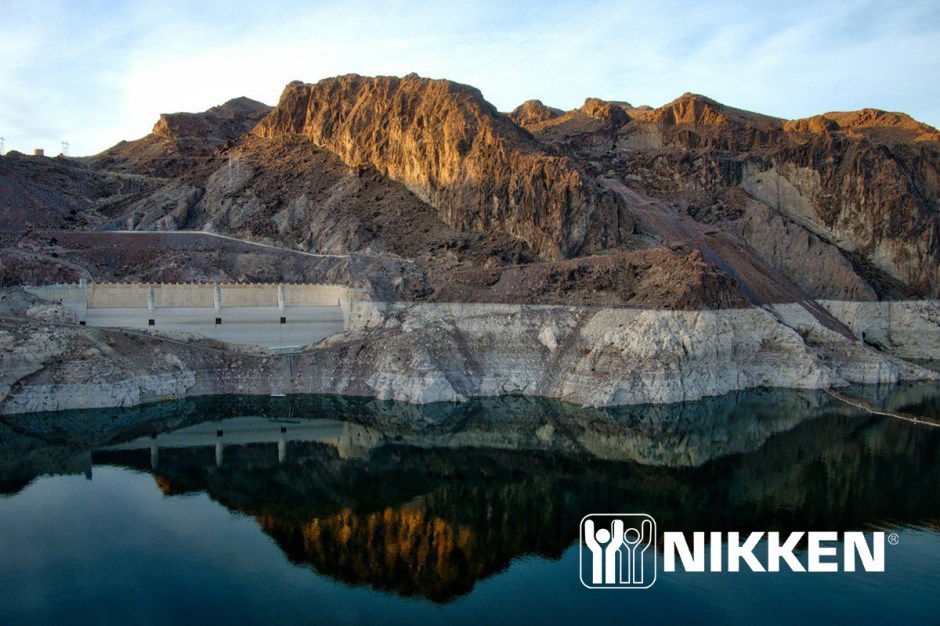
The amount of fresh water on planet Earth is static but the world population is increasing, which means more and more living creatures have to share the clean water that currently exists. Since water is a basic necessity of life and only one percent of Earth’s supply can be used for drinking, washing and growing plants, everyone has a responsibility to conserve fresh water for future generations. In fact, it is estimated that 2.5 billion people do not have access to clean water, putting their lives at grave risk.1
Those of us who live in areas with easy access to potable water can do our part to conserve water. Here are just a few tips:
• Reuse “gray” water. Gray water is what goes down the drain. For example, rather than rinsing fruit and vegetables under the faucet while it runs, put the produce in a basin and cover it with just enough water to wash it. Once done, pour the water on house or garden plants.
• Water used for cooking pasta or noodles can be drained into a bin, cooled and poured over plants.
• Rainwater can be caught in containers and reused on landscaping
• Have a basin in the shower or tub to collect cold water while you wait for it to heat up.
• Brushing your teeth with the tap running? Don’t. In fact, don’t let the faucet run when it’s not necessary. Each minute the faucet is on can waste up to two gallons of water.2 Make sure the water is off while you brush, shave, wash your face and hands, then turn it back on when you’re ready to rinse.
• Did you know you can waste nearly five gallons of water daily when you have a leaky faucet? That’s based on a single drop per second.3 Leaky faucets can also damage your home. A timely repair can save a lot of money.
• Have you seen the ads that ask you to use the dishwasher to save water? It’s actually true that you can save water by using the dishwasher, but only if you do a full load. So, make sure to fill your dishwasher to capacity before starting the load.
• Doing dishes the old-fashioned way can also save water. All you need is a double sink or two bins, one for soapy water and the other with clean water to rinse off. Remember not to keep the faucet running while you’re dishwashing.
• According to the U.S. Department of Energy, you can save as much as 3,400 gallons of water each year by only doing full loads of laundry versus half loads. And, if you purchase a water-efficient washing machine, it reduces the water needed according to the load, so you automatically conserve.4
• Pool owners, be aware! The U.S. Department of Energy cites evaporation as the largest source of water loss. As the air temperature and wind speed reach the pool’s surface, the water evaporates more quickly. Investing in a pool cover can reduce the amount of water needed to refill your pool by 30 to 50 percent!5
World Water Day is March 22—this is the perfect time of year to assess your personal habits when it comes to using water.
 Active Wellness Blog