In 1971, the Joint Resolution of Congress designated August 26 of each year as Women’s Equality Day in the United States. August 26 is the anniversary date of the certification of the Nineteenth Amendment to the U.S. Constitution, which granted women the right to vote in 1920. The campaign for woman suffrage was long and hard—Black and women of other minorities still were not allowed to vote until much farther into the 20th century, due to discriminatory state voting laws.
Now Women’s Equality Day is recognized as a day of national celebration. It commemorates the women’s suffrage movement and the work to secure and expand equal rights today. Women who are citizens of the U.S. vote in every state, regardless of cultural and religious groups they belong to.
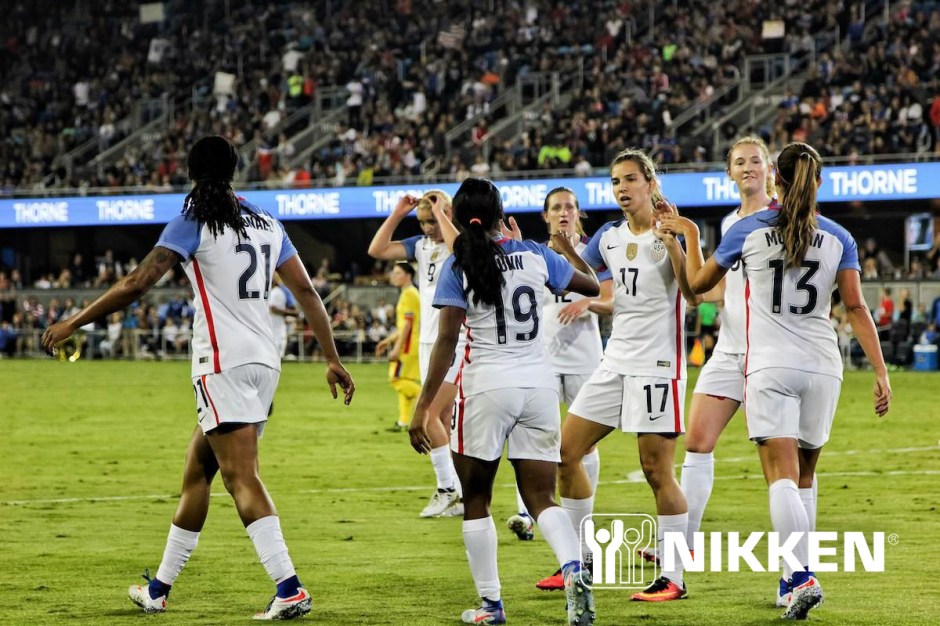
Equality is not just about the right to vote. Currently, many organizations continue to fight for equality. There is still wage disparity. It is the most crucial inequality in the workplace and applies to virtually every industry. Even women athletes win smaller prizes for competing in the same sports as men.
The inequality in pay leads to another inequity: The Gender Equity Policy Institute has found that women, particularly women of color and single mothers, are more likely to spend more than a third of their income on housing. This is more than what economists and financial advisors consider reasonable to make other ends meet.1 Because women are more burdened by housing, they are more exposed to homelessness.
Gender-based violence continues to be prevalent. Worldwide, 35 percent of women have experienced physical and/or sexual violence from a partner or non-partner.2 Gender-based violence also occurs during war and in political situations.
There is still an education gap. In many countries, women are not allowed to pursue advanced education or even limited education. This is changing and in North America, there are even some large cities where more women are obtaining advanced education than men.
There is a general lack of access to affordable and adequate healthcare for all, but especially for women and those is underserved communities. Before 1993, women were rarely included in clinical trials, so even now, the medical field is not clear on how well many drugs and devices work on women due to gender bias. Women therefore experience adverse reactions to medications at twice the rate of men.3
Women have come a long way in obtaining equality but still have a long way to go. The Global Wellness Community is inclusive and welcomes one and all. Let’s spread the word and help sisterhood around the world.
2 https://www.codehergirls.org/post/women-are-still-fighting-for-these-basic-rights-in-2021
3 https://www.aamc.org/news/why-we-know-so-little-about-women-s-health
 Active Wellness Blog