Who Needs More Sleep?

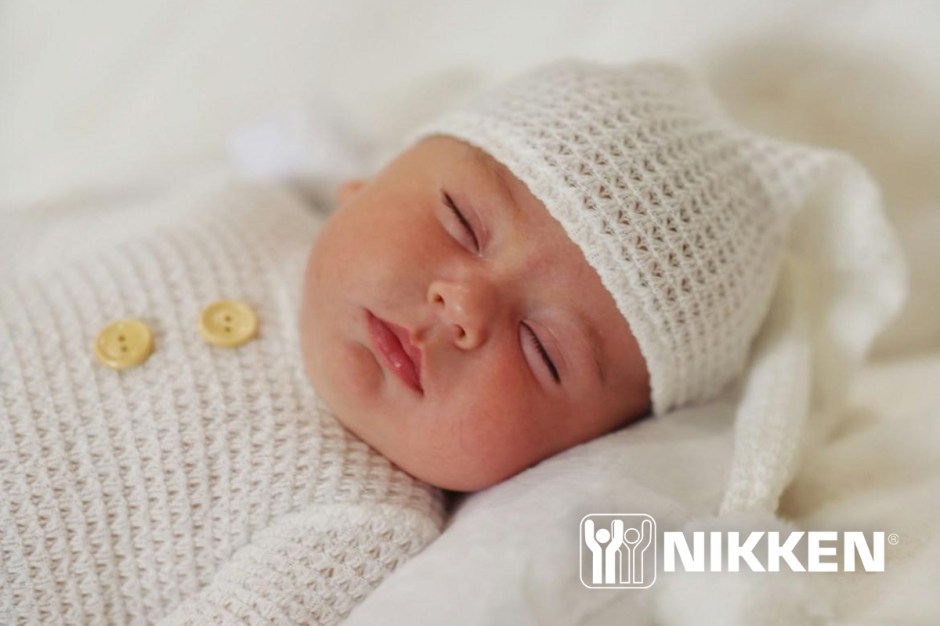
People require different amounts of sleep at different times in their lives. For example, newborns can sleep more than 17 hours a day and once of school age, can sleep up to 12 hours daily. The benchmark for adults is to sleep between seven to nine hours daily. These are generalizations, because sleep is a personal matter.

When it comes to sleep times, one of the most commonly cited statistics is that women require more than men. Women actually require only a very small amount more—11 minutes a night.1

Researchers attribute this small difference to round-the-clock responsibilities, monthly cycles, pregnancy, menopause and middle-of-the-night childcare duties, such as breastfeeding.2 In a nutshell, anyone, not just women, may need more sleep when they do not have the luxury of uninterrupted sleep.

Another group that requires more sleep than others is made up of adults who suffer from insomnia. People with insomnia get less rest, so they require more time to actually sleep. The more sleep is interrupted, the sleep is needed. Another sleep disorder known as apnea, causes interrupted breathing that may feel like choking. About 20% of Americans have sleep apnea and men are two to three times more likely to suffer from it than women.3

As technology takes us further away from nature, sleep becomes more of an issue. When people rely on natural circadian rhythms, sleep time is part of the tempo dictated by day and night. Modern inventions that go as far back as the light bulb, hinder sleep quality by artificially creating longer “daylight” hours. This longer exposure to light can suppress the production of the sleep hormone melatonin, leading to poor sleep and hence, needing more sleep. Sleep experts explain that circadian rhythms can be reset or realigned to be more natural by waking up at the same time every morning and going to bed at the same time every night.4 Other helpful reset mechanisms include exercising during early morning and/or early evening, eating meals at set hours and ditching electronics at least an hour to two hours before bedtime.

Figuring out your natural sleep cycle might remedy sleep issues. One way to find out how much sleep is needed is by not setting an alarm clock for three nights consecutively, but going to bed at the same time. By not setting an alarm, you will awake naturally and be able to estimate how much sleep you actually need. Then the trick is to go to bed at the same time nightly that will allow you to reach the number of hours needed—and of course, your bedding can help you sleep wonderfully, so be sure to check out Kenko Sleep Technology, exclusively from Nikken.

Happy Halloween!

1, 2, 3, 4 https://apple.news/AZRPnHbh_Qv-9MqtxiKeaGQ

Why Sleep Matters in Big Ways

Achieving deep, restful sleep is essential to maximizing our well-being and daily performance. Sleep is a personal matter and what serves as adequate sleep for one can be completely insufficient for another. Nonetheless, sleep issues can affect people of all ages and impact many parts of our lives.

The Sleep Foundation1 compiles data regarding sleep habits and performance. Some of the statistics are truly daunting:

• Insufficient sleep has an estimated economic impact of more than $411 billion each year in the United States alone.

• 4.8 of 10 workers say they are regularly tired during the day, and 7 of 10 say they are tired when their work day is done.

• Up to two-thirds of adults occasionally experience insomnia symptoms. 10-15% of people experience chronic insomnia, which persists over multiple months. Women are 40% more likely to have insomnia than men. 55% of nurses say they experience insomnia.

• One study estimates the annual cost of workplace errors and accidents linked to insomnia at $31.1 billion in America.

• Drowsy driving is responsible for more than 6,000 fatal car crashes.

• About 57% of men, 40% of women and 27% of children snore in the U.S. Up to 70% of snorers have been diagnosed with sleep apnea.

Obstructive sleep apnea (OSA) affects around one billion adults worldwide, with 80-90% of cases going undiagnosed. A 10% increase in body weight may make us six times more likely to have OSA.

Research2 shows that what we eat and drink can make it easier or harder to get the sleep we need:

• Drinking more than two servings of alcohol per day for men and more than one serving per day for women can decrease sleep quality by 39%.

• On average, adults in North America snack before bedtime 3.9 nights each week. Adults who snack on seeds and nuts before bed sleep an average of 32 minutes more than those who snack on chips, crackers, or pretzels.

• Eating within two hours before bed is linked to later bedtimes, trouble falling and staying asleep and obesity.

• 71% of SleepFoundation.org survey respondents drink coffee every day. Of these, 70% think caffeine has an impact on their sleep. Top issues reported by caffeine-drinkers are sleepiness, fatigue and insomnia, with 30% experiencing anxiety.

Daylight Saving Time in North America has a big impact on people’s sleep patterns. Generally speaking, it’s easier to transition in the autumn when we gain an hour but our circadian rhythms still need to adjust. In the week after the November time change, people experienced 115% increase in difficulty falling asleep, 103% increase in excessive daytime sleepiness, 64% increase in difficulty staying asleep and 34%increase in sleep dissatisfaction.3

Throughout the month of October, Nikken is offering 20% off our Kenko sleep products (except for the Kenko PowerSleep Mask) plus free ground shipping. The Makura Sleep Packs are already priced with a 10% discount, but we’re adding another 10%, so you still get 20% off plus free ground shipping. Take advantage of this sale to transform every bedroom into the perfect sleep environment!

1, 2, 3 https://www.sleepfoundation.org/how-sleep-works/sleep-facts-statistics#:~:text=at%20$31.1%20billion-,View%20Source%20.,almost%2020%20million%20children%20snore