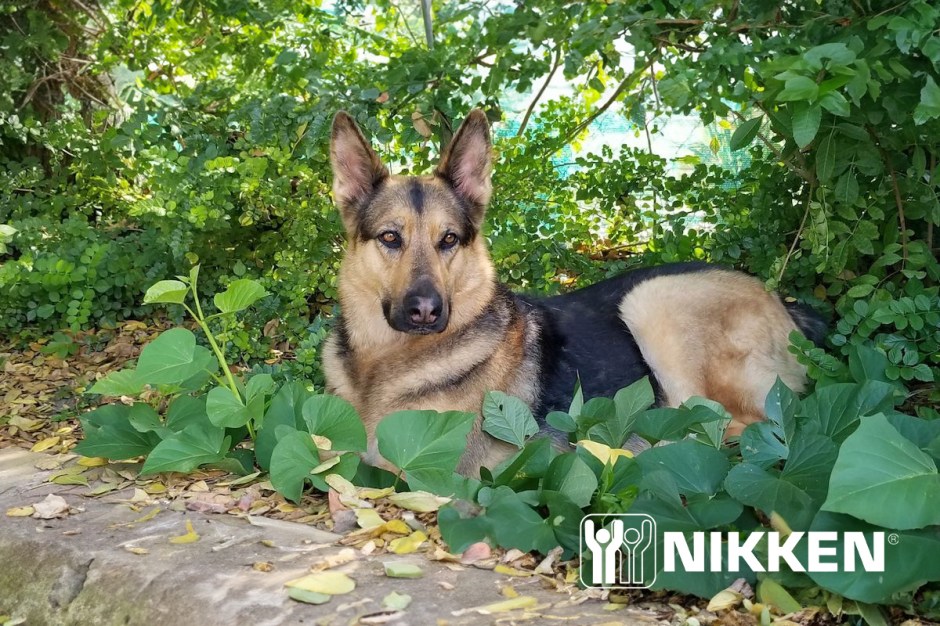
A little patience reaps grand rewards when it comes to rescuing and adopting pets, especially the ones who have suffered some kind of trauma. Those are the ones that tend to exhibit the most stress symptoms. In our case, our spontaneously adopted German Shepherd chewed up 22 pairs of shoes over a three-month period before she finally calmed down and recognized she was really home. So other than ruining shoes, what are some of the signs of pet stress to look out for, specifically in dogs and cats?
Dilated pupils, tense muscles, hypervigilance (“on the alert”; “watching for danger”), raised hackles, tight lips, excessive panting, flattened or “helicopter” ears, lowered tail that may be wagging in a short arc, displacement activities (pacing, sniffing, scratching, yawning) hyperactivity or stillness, vocalizing (barking, howling, growling, whimpering, whining), drooling, lunging or biting, excessive grooming, uncontrolled urination or bowel movements…these are all signs of pet stress.1 Many of these stress symptoms are found in humans as well, and the truth is, animal experts have found that our pets pick up on their humans’ stress signals and manifest that same stress!
One of the most common causes of pet stress is separation anxiety. Similar to babies who cling to their parents, dogs and cats experience anxiety when their sources of comfort and security, leave. Separation anxiety leads to destruction of property —from biting, chewing, ripping, tearing, scratching—to entire couches “eaten” and vanquished! To help calm down a pet who doesn’t want to be alone, condition your furry friend to think of a particular place in your home as a safe space—this can be a crate (although many pets do not like such a small enclosure) or a room. Fill the safe space with a water bowl, toys, blankets, pet bed and especially something with your smell on it.
There are also seasonal triggers, such as thunder and lightning or fireworks. These seasonal triggers are especially worrisome because pets who are frightened often try to run away, and not all are found. If you have a pet who is afraid of thunder, lightning, fireworks or any kind of loud noise, consider putting on a pet thunder vest, try to be home with them and keep your premises escape-proof.
Have you thought of what keeps you calm when you’re stressed out? The same things work on pets. If you practice self-massage, massage your pet. If you wear a PowerBand bracelet or necklace, so can your pet. This may be hard to do on tiny dogs, but my two chow-labs each wore a Kenko PowerBand necklace rather than collars for most of their lives.
When a pet is introduced into a new location, such as when you move from one home to another, or if your pet experiences the loss of a human or another fur-mate, these changes can cause stress in a way that may profoundly affect your pet’s health. Serious conditions may present themselves in the form of gastrointestinal diseases, skin ailments, respiratory and cardiac disorders, all of which can lead to a shortened lifespan. In such cases, get your pet to a veterinarian as soon as you can.
In general, maintaining a consistent routine for your pet may help ease potential anxiety and its ensuing negative behaviors and health challenges. Pets love routine for eating, playing, exercising and sleeping. Just like with humans, regular exercise helps keep depression and stress at bay and restful sleep energizes them, so give the Kenko PetPad a try—you may well see a difference in your pet’s demeanor!
When and if your pets exhibit signs of stress and behave badly, don’t scold or punish them. Try to distract them and most of all, hug them close and make them feel secure and loved. We wish you a wonderful National Pet Day!


 Active Wellness Blog