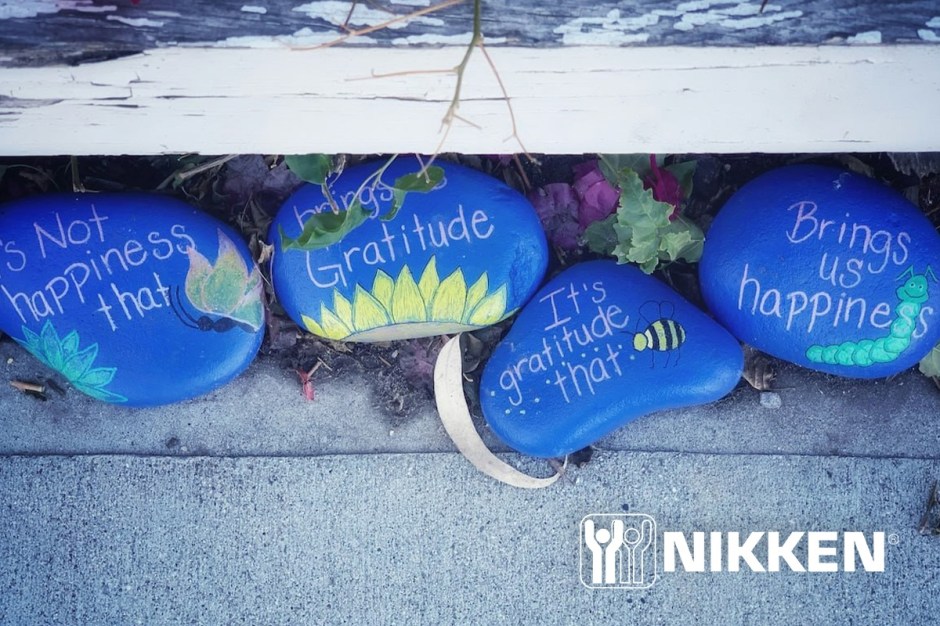
Choose Gratitude to Write the Next Chapter of Your Story

Approaching the end of the year is the ideal time to pause, reflect, and decide who you want to become next. As you step into a new chapter of your life, one of the main practices you can choose is gratitude.

Choosing gratitude is a vital aspect ofEmpowered Livingand Feeling Good Every Day. Empowered Living starts with the belief that you have the ability to make things happen and to write your own story. Gratitude reinforces that belief. When you consciously appreciate the positive aspects of your life, you’re much more likely to feel good every day—or at least most days!

Studies show that gratitude reduces stress, supports better sleep, enhances relationships, and contributes to overall emotional and physical wellness. When your mind feels lighter and your heart feels steadier, it becomes easier to take meaningful action. Gratitude creates an inner environment where you can thrive—where feeling centered, motivated, and hopeful becomes more natural.

Gratitude isn’t just a feeling. It’s a practice, a mindset, and a daily choice that can shape the way you experience your life. In other words, gratitude may shift your perspective from the bleak or negative to the bright and positive. Life is full of ups and downs, and gratitude allows you to focus on the ups while letting go of the downs. This conscious embrace of the positive does not mean ignoring the negative, but it prevents misfortunes from taking center stage.

When you take time each day to acknowledge your strengths, the people who care about you, small moments of beauty—you become grounded and develop clarity and resilience. Gratitude propels you forward with confidence and intention, to becoming a Human Being More.

Expressing gratitude strengthens relationships, deepens trust, and encourages kindness. When you acknowledge the people who support, inspire, or simply share part of your day, you create a ripple effect—your gratitude attracts others to be grateful for being connected to you. Each relationship that is forged in gratitude stands to last the longest.

Whether you have new goals or simply want to continue working on existing ones, taking small steps consistently every day will bring results. Gratitude is a great partner with patience and hope. As you head towards 2026, write your next chapter with gratitude and intention. Honor yourself and all that you have been through, regardless of whether it’s in service of others or simply surviving the unexpected ordeals in life.

You have the power to choose where you’re going and who you become.

All of us at Nikken wish you a beautiful season filled with love, joy and gratitude.

How Do You Show Gratitude?

Cultural differences account for the many ways in how people show gratitude. Professor Jonathan Tudge of the University of North Carolina at Greensboro is considered an expert on the subject. He and his colleagues have published a series of studies showing how children develop a sense of gratitude in seven culturally diverse countries.

The children were aged seven to 14 and answered in three categories of gratitude: verbal  which is spoken, concrete which offers a token gift, and connective which is relational. Children in China and South Korean tended to favor connective gratitude. Those in the U.S. leaned toward concrete gratitude, and Guatemalan kids were partial to verbal gratitude.1 According to Professor Tudge, connective gratitude which cultivates the development of a relationship, goes beyond words or gifts of thanks. He calls it the most authentic form of gratitude.

Cultural values, parenting practices and education may each play a role. Autonomous (individualist) cultures such as that of North America, teach children to be more independent and self-directed. Heteronomous (collectivist) cultures such as that of Asia teach duty and obedience to elders as well as honoring others. This could account for why Americans tend toward verbal and concrete gratitude while Asians focus on connectivity and developing relationships rather than valuing individuality and separateness. Giving and receiving help is an expected part of daily life for members of collectivist cultures rather than an uplifting surprise for those from individualist cultures.2

Who you choose to show gratitude to also may depend on cultural influences. For example, Southeast Indians were more likely to show appreciation to people outside of their families—the type of people they might feel obligated to repay. This sense of indebtedness is found much less in autonomous cultures. On the opposite end of the spectrum, the Inuit do not require an expression of gratitude after receiving meat from a hunt.

According to Professor Tudge, gratitude is ultimately a skill that strengthens relationships and arises when we pay more attention to the gifts our connections bring us. He says that means thinking about gratitude less like a good feeling to boost happiness and more like paying it forward with kindness, making it a way of life and being a good human being.3

During this season of Thanksgiving, consider who you want to connect with more deeply. And if you want to show concrete gratitude, Nikken invites you to take a look at the 2023 Gift Guide with special offers that extend through the end of the year.

1,2, 3 https://greatergood.berkeley.edu/article/item/how_cultural_differences_shape_your_gratitude