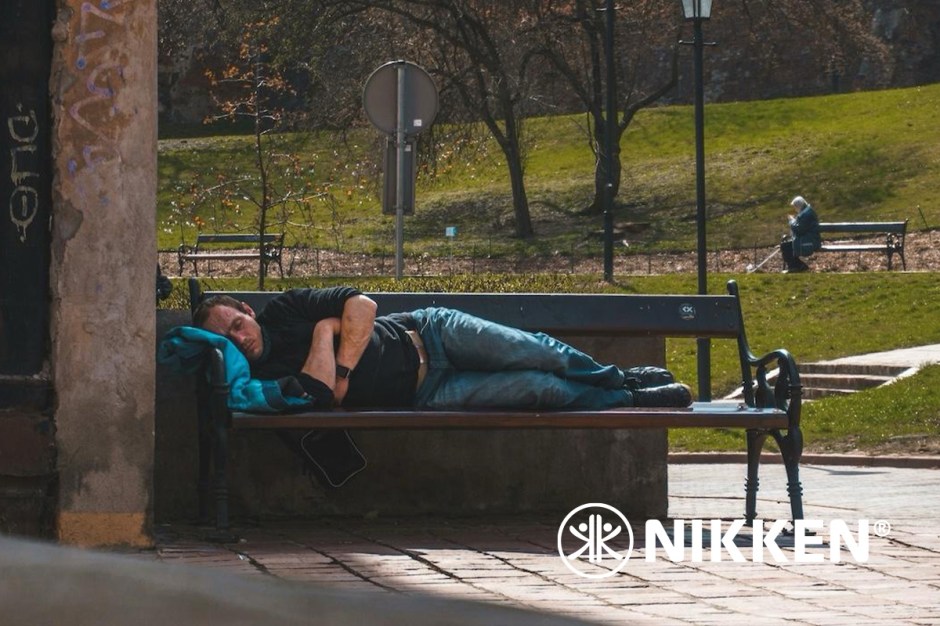
Are You Resting or Sleeping?

While sleep is a biological necessity for unconscious repair, rest is a conscious effort to recharge your energy across several different areas. Sometimes, we wake up from a night’s sleep and do not feel rested at all. In other words, we did not obtain restful sleep. Sleep is considered to be physical rest, but there are actually other types of rest, and together, they can be even more important than just getting a good night’s sleep.

Dr. Dalton-Smith, author of Sacred Rest: Recover Your Life, Renew Your Energy, Restore Your Sanity, explains, “There are significant differences between rest and sleep, though the importance of the former tends to get overshadowed by society’s emphasis on the later. It’s not a situation where you only need rest or you only need sleep. You need both.” 1

So, what’s the difference between sleep and rest? Sleep and rest share similarities, but they have key differences too. In short, sleep is a complex process that allows your body and brain to re-energize and process information, while rest is multifaceted and involves wakeful restoration. Sleep is one form of physical rest, but rest can take many different forms.

Dr. Dalton-Smith defines seven types of rest:2

1. Physical rest includes sleeping and napping. Physical rest includes “active rest,” which includes stretching, using a foam roller, adjusting a workstation to be ergonomically-friendly—in other words, making yourself more comfortable while awake.

2. Mental rest is doing whatever helps quiet the mind to allow for better concentration and focus. Again, this form of rest can actually be active, if exercise is the chosen way to quiet the mind.

3. Spiritual rest is about a sense of belonging and purpose.

4. Emotional rest is especially important for people in helpful and guiding roles such as teachers and therapists. Letting go of the emotions absorbed in helping others is necessary in order to continue the work.

5. Social rest means taking a break from people who sap you of your energy.

6. Sensory rest is especially needed in a world that bombards us with noise, commercials, bright lights and “hype.” Sensory rest can also be as simple as changing out of uncomfortable or restrictive clothing and shoes!

7. Creative rest can take any form that helps you feel inspired and renewed. This can be a walk in the park, visiting a museum, or listening to your favorite mellow music.

According to the American Academy of Sleep Medicine, healthy sleep lowers the risk of serious health problems, while supporting the immune system as well as improving brain health.3 However, the benefits of rest are equally important. Proper rest leads to better sleep, and “waking rest” or letting thoughts come during any low-energy time, such as during meditation or while folding laundry, allows the brain to process information at a leisurely, non-stressful pace. According to Dr. Dalton-Smith, the first step towards getting more rest is identifying what type you need the most and addressing that deficit.4

Rest and sleep are not the same, but both are important for health, fitness and well-being. Prioritizing rest actually supports better sleep. Try to identify the type of rest you need the most in your life, and focus on fulfilling that. And remember, Nikken is a pioneer in sleep technology as well as in the use of TriPhase technology to help rest, relax and renew. Now is the perfect time to check out the many products that can help support sleep but also rest!

1, 2, 4  https://www.onepeloton.com/blog/rest-vs-sleep

3 https://sleepisgoodmedicine.com/benefit-from-sleep/

Are You in Tune with Your Circadian Rhythm?

We’re reminded that humans are part of Nature when we discover the many similarities between all living things. One interesting commonality has to do with our circadian rhythms. Circadian rhythms are physical, mental, and behavioral changes that follow a 24-hour cycle. These natural processes respond primarily to light and dark and affect most living things, including animals, plants, and microbes. One example of a light-related circadian rhythm is sleeping at night and being awake during the day.1

The study of circadian rhythms is called Chronobiology, from the Greek “chronos” meaning time, and “biology” which pertains to the study of science and life. The body follows an internal timekeeping system known as the circadian clock, and this clock is what regulates the natural circadian rhythm.

What makes up the circadian rhythm? Our daily cycles of sleeping and waking, hunger and digestion, hormonal changes and other bodily processes all pertain to the circadian rhythm. Circadian comes from Latin, “circo diem,” which literally translates to “about a day.” Most circadian rhythms automatically reset every in 24 hours, the timeframe for “circo diem.”

Circadian rhythms are not only affected by light and dark, but also by interactions with people, meal times, and hormonal fluctuations. For example, when the sun rises in the morning, the body produces cortisol, a hormone that makes us feel refreshed and alert. After waking, a healthy person will become increasingly tired throughout the day until the sun goes down, when feelings of tiredness are at their highest. As the sun begins to set, the pineal gland will release melatonin, a hormone that reduces wakefulness and alertness.

There are variations on when people feel tired and when they feel alert throughout the day. Two examples are “early risers,” who go to bed and wake up early, and “night owls” who go to bed relatively late and then sleep in. Our sleep rhythm may evolve and change with age—older people tend to go to sleep and wake up earlier in the day than younger people, while babies will sleep in multiple phases throughout the day and night.

A master clock in the brain coordinates all the biological clocks in a living thing, keeping the clocks in sync. In vertebrate animals, including humans, the master clock is a group of about 20,000 nerve cells (called neurons) located in a part of the brain called the hypothalamus where it receives direct input from the eyes. In the grand scheme of Nature, researchers have identified similarities in the master clocks of people, fruit flies, mice, plants, fungi and other organisms!

When our circadian rhythm goes out of whack, it can cause insomnia, weight gain, mood changes, anxiety, shortened attention spans, daytime sleepiness and lethargy. The good news is that we can help keep our circadian rhythm functioning smoothly.

  • Wake up every day at the same time: Keeping a regular sleep schedule will help reset your circadian rhythm. Even if unable to fall asleep at the desired time, make sure to set an alarm and wake up at the set time anyway. This will keep you on track.
  • Bright light therapy: Exposure to bright artificial lights can re-orient circadian rhythms. Different light therapy devices are available, including lightboxes, desk lamps and sunrise simulators. Before using one of these devices, it’s best to speak with a credentialed sleep medicine physician about the light exposure level and times of the day that are best suited to the particular timing of your personal circadian rhythm.2
  • Different meal times: Circadian rhythms regulate when we feel hungry and how we digest food—some studies have found that eating sooner or delaying meals can alter how your circadian rhythm adjusts those processes.
  • Exercise: Proper exercise can improve sleep quality and duration, while a healthy sleep-wake cycle ensures more strength and endurance when you work out. However, exercise is also stimulating if you work out too close to bedtime. If you find you don’t get enough sleep at night and want to reorient your circadian rhythm, try incorporating regular exercise into your routine. But as with all things related to the circadian rhythm, timing is important so do not exercise within 1-2 hours of your bedtime.
  • Keep your electronic devices off or out of sight. Light from electronic devices at night can confuse our biological clocks.

Check out the latest contribution that Nikken has made to the world of Active Wellness and sleep technology with the Kenko Naturest® Makura and Kenko Naturest® Makura Sleep Packs. When you purchase a twin, full, queen or king Makura Sleep Pack, you get 10% off automatically.

1 https://www.nigms.nih.gov/education/fact-sheets/Pages/Circadian-Rhythms.

https://www.sleepfoundation.org/circadian-rhythm/can-you-change-your-circadian-rhythm