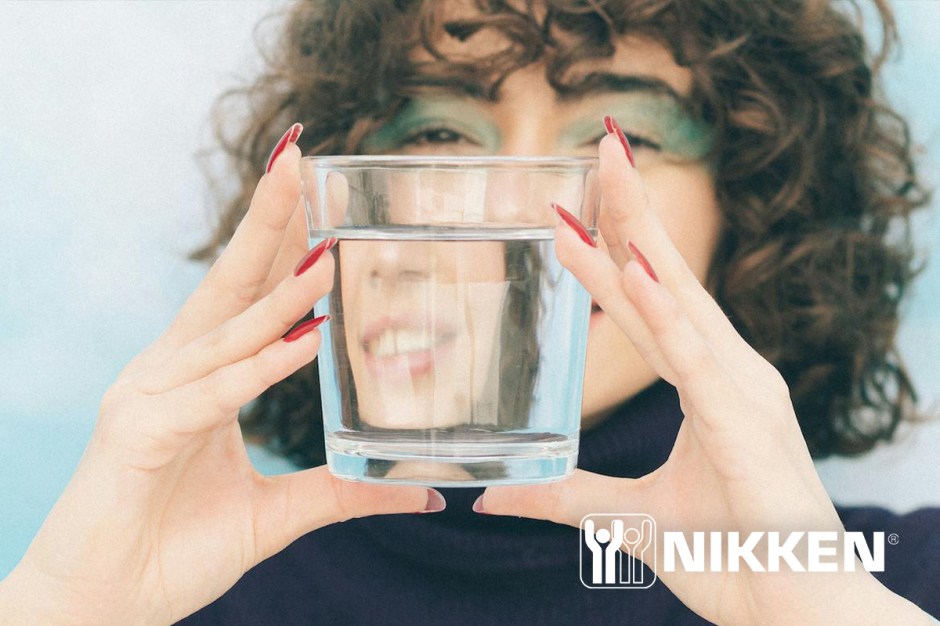
The Water-Gut Connection

Water is critical for the smooth operations of various bodily functions. These functions include temperature regulation, the transport and distribution of nutrients and the elimination of waste and toxins. Water is also one of the primary ingredients for healthy digestion. In other words, hydration and efficient digestion make perfect partners.

Water is required for digestion, acting as a lubricant that facilitates the movement of food along the digestive tract. From the moment food enters the mouth, saliva, which is primarily water, begins to break down complex carbohydrates. As the food travels through the digestive system, it needs adequate water to maintain the right consistency for smooth movement. In the stomach, water combines with stomach acids to help break down proteins and aid in the digestive process. Water helps prevent constipation and promotes regular bowel movements.In a nutshell, the digestive processes that require water include the following2:

• Saliva production—Saliva is primarily water and contains enzymes that begin the digestion of carbohydrates in the mouth.

• Gastric juices—Water is the main component of the gastric juices that in the stomach that help break down food.

• Enzyme function–Many digestive enzymes require a watery environment to efficiently break down food.

Proper hydration is essential for optimal nutrient absorption in the digestive system, since water moves the nutrients from the digestive tract into the bloodstream. When well hydrated, the body can efficiently absorb vitamins, minerals, and other essential nutrients.3

Digestive disorders occur when the body is dehydrated. This is because when the body doesn’t have enough water, it takes whatever water is available for critical functions such as maintaining blood pressure and supporting vital organs.4 When this happens, the digestive system may not receive enough water, leading to constipation and other discomforts.

To keep your gut healthy, remember to drink water throughout the day. The more active you are, the more water you will need to stay adequately hydrated. Caffeine and alcohol act as diuretics, so be mindful of fluid loss and dehydration and increase the volume of water you drink to help compensate. Since many fruits and vegetables are full of water, incorporate them into your daily regimen and obtain not only the benefits of hydration but also essential vitamins and minerals. Watermelon, cucumbers, oranges and berries are examples of produce abundant in water and vitamins.

Some simple daily habits for healthy digestion are:

• Starting your day with a glass of water. This helps kickstart your metabolism and the digestive system first thing in the morning,
• Drink water consistently throughout the day. Don’t wait until you’re thirsty, because by then you are probably already somewhat dehydrated. Keep a water bottle with you as a reminder to drink!

• Drink water before, during and after exercise. Physical activity of any sort can lead to fluid loss, and staying hydrated helps support your muscles and digestive system.

Remember, for the entire month of this July, you receive 20% off select filter replacements. That includes filters for our PiMag Waterfall® that helps you hydrate with alkaline water inspired by nature.

1 https://bgapc.com/hydration-and-digestion-gut-health/

2, 3, 4 https://patialaheart.com/blog/the-link-between-dehydration-and-digestion-how-water-affects-your-gut-health/

How Does Water Affect Gut Health?

The gut microbiome, comprising trillions of microorganisms, plays a crucial role in overall health—not just in digestion but also in immune function and mental well-being. Research suggests that integrating sufficient water intake as part of a balanced diet may contribute to shaping a healthy gut microbiome.1

The gut is responsible for intestinal secretions and movements as well as waste removal. One of the basic functions of water in the gut is to lubricate the digestive tract. If you drew a map of the digestive process, the path would start from the mouth, where saliva starts the breakdown of food. Once swallowed, the food particles move from the esophagus to the stomach and down to the intestines.

A properly hydrated system would ensure the food particles have a smooth journey. Without enough hydration, the food particles would not be digested efficiently and the nutrients would not get absorbed into the bloodstream. Poor digestion can result in dietary deficiencies and any variety of stomach issues.

Drinking water with meals can help with overall digestion, but staying hydrated throughout the day is also important. How much hydration is necessary depends on each person’s particular physiology as well as living environment. People living in hot climates where a lot of sweating occurs may need more hydration than those living in cooler zones. By the same token, people who exercise strenuously and perspire more, will need more hydration than those less active.

What happens when the body doesn’t have a sufficient amount of water? The body will automatically use whatever water it has for critical functions, such as supporting the vital organs that maintain blood pressure and respiration. The digestive system is then left “dry” and discomforts such as constipation and stomach aches can occur.

Being dehydrated can cause an imbalance of electrolytes, which in turn can slow down the muscle contractions in the digestive tract that help push food particles through the system—causing bloating and other discomforts.

The general guideline for adequate hydration is about eight to 10 cups of water per day, which equates to approximately 64-80 ounces or 1.9-2.4 liters. This includes food rich in water content, not just plain water.2

Drink water—to your health!

1, 2 https://www.austingastro.com/2024/05/17/hydration-and-digestion-why-water-is-essential-for-a-healthy-gut/

When Are the Best Times to Hydrate?

By the time you actually feel thirsty, your body is already past the point where it would have been ideal to hydrate. Proper hydration can actually be scheduled, so that you maintain  balanced levels throughout the day. You probably already drink water at certain times because of your daily routine, but here are a few reminders!

When you wake up in the morning, your body has been through a long fast from both food and water. So, first thing in the morning is a great time to start hydrating. If you can start with a glass of PiMag® water, that would be ideal, because coffee is a diuretic more than a hydrator. Many swear by a squeeze of fresh lemon in the water to jumpstart the day; Nikken aficionados like to add their first serving of Jade Greenzymes® powder to water first thing in the morning or to swallow the capsules with a full glass.

If you are someone who perspires a lot, you need to drink more water to compensate for the loss. If you relax in a sauna or steam room, remember to drink water afterwards. Since exercise generally induces sweat, always drink water before and after you work out. In fact, you should take small breaks throughout your exercise routine to hydrate before continuing on.

Staying well hydrated may help people lose weight or maintain a healthy one. Many times, people will eat when they’re not actually hungry, because the brain recognizes hunger and thirst in similar ways. Try drinking a glass of water when you “think” you are hungry, and see if that satisfies the so-called hunger pangs.

Drinking water before each meal also may help with weight control. A small study tested people who drank 500 milliliters or a little over 16 ounces of water about 30 minutes before mealtimes over 12 weeks. They lost almost 3 pounds more than those who didn’t follow the protocol.1 Another study with 50 overweight girls who drank two cups of water half an hour before breakfast, lunch and dinner, found they lost weight and lowered their body mass index after eight weeks. Researchers explain that water speeds up the body’s process of burning fat for energy.2

When you need to get blood drawn for a test, or if you are someone who donates blood, be sure to drink water before your appointment. Hydration opens up your veins, increases blood flow and makes it easier on both you and the tech or nurse. If you can remember to drink 64 ounces at least 24 hours before your appointment, that should help the process.

When you’re under the weather, especially during cold and flu season, drink as much water as you can. Stay away from caffeinated drinks and alcoholic beverages, as those will dehydrate you. Staying hydrated will help you recover more quickly.

Dehydration can cause headaches and trigger migraines. If you are susceptible to headaches or dizziness, be sure to prevent them by sipping water throughout the day. Even a slight dip in fluid levels can bring on a nasty headache, so keep sipping consistently and develop the water-drinking habit!

Are you someone who experiences an afternoon slump? Do you feel like you need a nap? Instead of hitting the coffee pot, try drinking a tall cool glass of PiMag® water and see if you feel energized. According to the British Journal of Nutrition, your state of hydration directly affects your mood, memory and visual perception.3

This year, commit to drinking more water and help your entire family create the healthy habit of hydration!

You only have two days left to take advantage of the 20% discount on select PiMag® and KenkoAir filters, so be sure to order your spares right away!

1, 2, 3 https://www.webmd.com/diet/ss/slideshow-best-times-drink-water