Choose Mobility

Staying mobile and leading an active lifestyle are essential not only for longevity but for joyful living. Muscles. Joints. Bones. They are great friends. Keeping them healthy helps keep the entire body more youthful throughout a lifetime.

Your body talks to you every day, and if you listen with care, you will make the right choices to stay mobile. On days where mobility can be challenging, the instinct is to do nothing. If doing nothing results in restoring energy levels, then you are listening to your body and making the right choice. If doing nothing continues for days on end and you don’t feel any better, perhaps it’s time to force yourself out of inertia.

The neck, shoulders, hips and knees—areas that tend to lose elasticity and flexibility with age—are supported by the spine, so maintaining good posture is important. In recent years, chair yoga has become popular, because it helps even those who are not ideally mobile, stretch and build up core strength, so that eventually, they can resume a more active exercise regimen.

There are certain foods that support healthy joints and bones. Eating a well-balanced diet focused on key nutrients is the right choice in supporting healthy joints and bones.

•          Calcium is not a mineral that the body manufactures naturally, so it has to be obtained through food. It’s a key mineral for maintaining strong bones. Found abundantly in dairy products, vegans can choose kale, bok choy, broccoli, soy, seeds and almonds, figs, and more. On average, the absorption rate of calcium in dairy is around 30%, kale and boy choy 50%, and broccoli 60%.1

•          Vitamin D is necessary for the absorption of calcium. Sunshine is the most natural source, but supplementation may be a better guarantee of having the recommended 600 international units per day.2 Some natural food sources of vitamin D include egg yolks, tuna, sardines, salmon and other fish, mushrooms that have been exposed to sunlight, fortified orange juice and fortified soy milk.

•          Magnesium is stored in the bones and plays a role in activating vitamin D. Seeds such as chia and pumpkin are great sources of magnesium, as are nuts such as almonds and cashews. Add a healthy amount of green leafy vegetables to your daily diet for a good dose of magnesium.

•          Collagen is found in the connective tissue of animals. As the most abundant protein in the human body, it’s found in skin, muscles, bone and tendons. Meat eaters get collagen through their diets, but vegetarians and vegans may look to foods high in vitamin C to boost production—such as beans, oranges, red and green peppers, tomatoes, broccoli and whole grains.3

•          Omega-3s can help protect the joints. The National Institute of Health recommends this healthy fatty acid because it is believed to help lower inflammation in the body. Found in fish and other seafood, flax seeds are a good vegan option.

Make smart choices for your strength and mobility. Keep moving and eating right. Make sure to stay hydrated, especially when sweating a lot during the summer months. Kenzen® Nutrition can help you fill in dietary gaps with “smart mobility” supplements such as Kenzen® Joint, Kenzen® Omega Green + DHA, Kenzen® Calcium Complex and Kenzen BDZ® (together in the Bone Health Pack) and Nikken Pink Collagen Complex.
1 https://www.vegancanada.org/news/article/2020/01/23/misleading-calcium-recommendation.html?gad_source=1&gclid=CjwKCAjwyo60BhBiEiwAHmVLJanPRBNfbLZxWjWoAX4B6_7fkagD60WwFHEeCWbcyVoHCQ_d7iUTUxoC8d4QAvD_BwE

2 https://www.runnersworld.com/nutrition-weight-loss/a28510495/foods-for-joint-health/?utm_source=google&utm_medium=cpc&utm_campaign=mgu_ga_rnw_md_pmx_hybd_org_us_18447042893&gad_source=1&gclid=CjwKCAjwyo60BhBiEiwAHmVLJalkhrFPaPTwJCH8-IflR0zb3kApCa5Op184QWgUJ2p8wbQMBUVWAxoCA2YQAvD_BwE

3 https://www.webmd.com/beauty/vegan-collagen-what-to-know

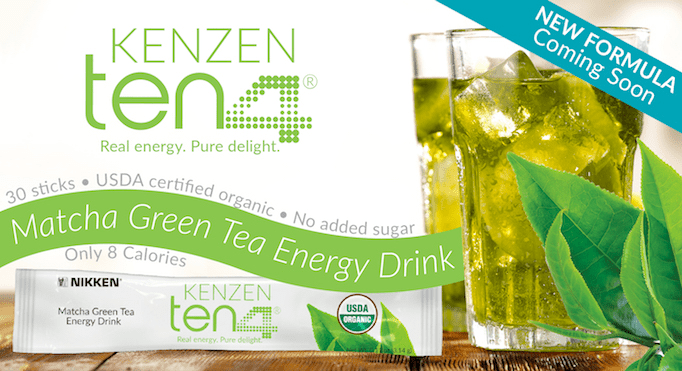
Caffeine-sensitive? Try Kenzen Ten4® with natural caffeine.

Athletes are always looking for that competitive edge. For example, some swimmers shave their entire bodies; many runners swear by carbo-loading; jockeys are known to fast before races; extreme behaviors become run-of-the-mill—all in pursuit of heightened performance and victory. One performance enhancer that is drawing more attention from elite athletes is perfectly legal: caffeine.

Caffeine has always been the perennial best friend of high school and college students—whether as a wake-me-up or a means to stay awake while cramming for exams. Triathletes and distance runners have used caffeine as an energy booster for decades, but in more recent years, those involved in short-burst sports are also taking advantage of this stimulant.

Natural sources of caffeine include seeds, leaves, nuts and berries. In Kenzen Ten4® Energy Drink Mix, there are 80 mg per serving of natural caffeine from organic matcha green tea. The caffeine in organic matcha green tea not only may help boost energy, but it also may create a calm type of awareness. In other words, organic matcha green may well provide you with a pick-me-up feeling without the jitteriness that caffeine from other sources may cause. The natural caffeine in organic matcha green tea binds to the naturally occurring phytonutrients to slow down the absorption of the stimulant, giving it a slow release effect, resulting in up to six hours of enhanced alertness or physical performance.

Eating Right, Made Easy

The truth of the matter is, eating right is not only easy to do, but many of the foods that are best for us, are simply delicious. It’s a win-win.

The easiest way to make sure we’re eating right is to cook the food ourselves. This automatically decreases the amount of “convenience” food, which is often processed—meaning the actual nutrients have long been “refined” out of it. Cooking doesn’t have to be complicated. No need for rich sauces and time-consuming baked goods. A quick sauté of fresh vegetables and grilling lean cuts of meat, fish and other sea food is delicious and satisfying, without adding “empty” calories.

Many real foods are actually very convenient and good for us, because they can be eaten raw, contain antioxidants and minerals, and are nutrient-dense. For example:

  • Kiwi is believed to contain properties that help to lower blood pressure as well as to prevent disease.
  • Green leafy vegetables, including kale, spinach, watercress, pea sprouts, yam leaves and chard are known to be low in calories, high in calcium and fiber—lending the benefits of cleaning the digestive system and promoting bone health.
  • Red and yellow fruits and vegetables are believed to be high in lutein, a naturally occurring carotenoid known as an antioxidant with blue light absorption abilities. Blue light helps increase the growth rate of healbe high in lutein, a naturally occurring carotenoid known as an antioxidant with blue light absorption abilities. Blue light helps increase the growth rate of healthy cells, prevent eye disease and clogging of the arteries. Choose delicious and colorful squash, carrots, bell peppers, and once again, green and leafy vegetables.
  • Apples and citrus fruits contain pectin, a type of fiber believed to help lower cholesterol as well as to stimulate digestion.
  • Onions are thought to fight cancer and bone loss.
  • Garlic is believed to boost the immune system.

Eating delicious food and being positive lifestyle role models go hand in hand. It’s great for our families and friends. NikkenWellness nutrition makes eating right, easy.