How Do You Manage Your Stress?

How Do You Manage Your Stress?

Stress has become the reason people cite for just about every negative occurrence in contemporary lifestyles. In reality, some stress is necessary for people to function productively. Getting rid of stress often involves doing good work in a timely way, obtaining positive results and moving on. Nonetheless, too much stress is proven to be detrimental to your health, so how do you manage when it seems overwhelming?

Everyone is different, so each person copes with stress in diverse ways, but pinpointing your triggers is essential—if you don’t know what makes you stressed out, you won’t be able to avoid or conquer it! Ask yourself, what makes you nervous, anxious, queasy or upset? Make a list, write it down, study it and be honest with yourself. Take baby steps in your daily life to overcome those feelings and see how your stress levels lessen.

Here are a few ways to help minimize the effects of stress in your life:

•          Don’t use not having enough time to relax as an excuse. Make the time to de-stress from work, family duties, self-imposed criticisms and whatever triggers your anxiety. Making time can simply be small breaks throughout the day, as even 15 minutes of emptying your mind, deep breathing, stretching or a brief walk can do wonders to lower stress levels.

•          Talk to someone you feel close to. Talk to a new acquaintance. Talk to your dog or cat! The key is to create and feel a connection. Even talking to yourself can be helpful, but make sure to keep it upbeat. Too often people judge themselves too harshly. In a nutshell, don’t be a recluse.

•          Quit smoking or vaping—tobacco or anything else. It does more harm to your body than you feel on a daily basis, and by the time you actually feel the detrimental effects, you could have done irreversible damage. Try chewing gum or keeping your hands busy with worry-beads.

•          Drink alcohol only sparingly. It’s estimated that, on average, one alcohol-impaired-driving death occurred every 39 minutes in 2022.1 The Centers for Disease Control consider two drinks or fewer for men and one drink or fewer for women per day to be “moderate.”2

•          Do you have expired medications/prescriptions? Resist the temptation to take them. Also, do not take medications prescribed to friends and family members. Take the time to ask your physician if you feel the need for any kind of medication, and stay true to regular appointments with physicians and screenings/tests.

•          Get enough sleep. Going to bed on a consistent schedule and waking at the same time daily is believed to help you sleep better. Having a comfortable sleep environment is crucial, so try the Kenko Sleep System with magnetic and ceramic reflective technologies. Take advantage of 30% off the Kenko Naturest® Fit mattress topper and Kenko Naturest® Cozy Throw today and tomorrow!

•          Eat healthy food that is nutrient-dense—all kinds of colorful fruits and veggies, lean proteins and beneficial fats. If you feel a lack in any area, be sure to supplement with Kenzen® nutritional supplements.

Stress is largely about your state of mind, so remind yourself to focus on the abundance in your life rather than what is lacking. Cultivate a positive attitude, and spread a little sunshine to those around you. Their pleasure will have the effect of easing your stress!

1, 2 https://www.cdc.gov/drink-less-be-your-best/drinking-less-matters/index.html
Are You Gaining Weight While Staying Home?

Nobody has yet done an assessment of how COVID-19 has impacted the nation’s weight—in fact, there are reports that some people are losing weight. But John Morton, MD, MPH, MHA, medical director of bariatric surgery at Yale New Haven Health System, says he has seen patients in telehealth appointments who have gained five, 10, and even 30 pounds.1

In fact, the global pandemic has disrupted life in major ways: Gym and park closures have upended exercise routines, parents have had to work at home while teaching their children, and elective medical checkups have been postponed, whereas updates on blood pressure, AC1 and cholesterol numbers would have been motivation to think about weight.

WebMD readers in the U.S. cited a number of reasons for their weight gain in a poll conducted on May 17. About 72% reported a lack of exercise. About 70% said they’ve been stress eating. An overwhelming 59% said both a lack of exercise and stress eating were a problem, and 21% attributed it to extra alcohol consumption. The same poll conducted among international readers on May 18 found 73% cited lack of exercise, 35% stress eating, and 17% to drinking more alcohol.2

Purpose gives direction, and it helps when it comes to weight management. A few pounds short term may not make a difference. It could be fluid. It might be just a little weight gain while we establish new routines. Obviously, the more weight we gain and the longer it’s maintained, the more it affects our health.

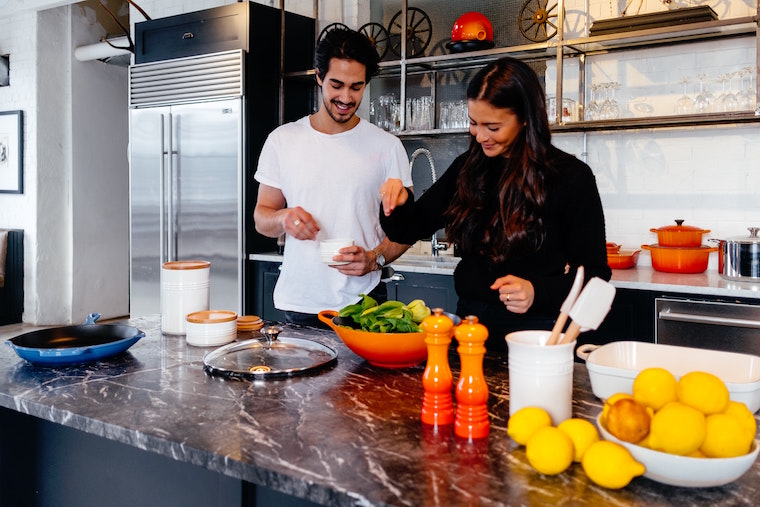
According to the Mayo Clinic, for example, it’s been shown that children’s weight tracks to some extent. If children establish those habits, or lack of healthy habits when they’re young and they gain weight, that might persist as they go into adolescence and adulthood.3 This is a great time to role model healthy eating habits. In fact, cooking can be a family affair and a source of quality time.

With adults, it’s more important for some people than others to manage weight. Weight gain of a few pounds can hurt people who have diabetes or high blood pressure, as the extra weight can increase their blood glucose and blood pressure.4 So, it’s important to establish new habits that help maintain a healthy weight even when we are sequestered at home.

Here are a few tips on keeping unwanted poundage off by practicing Active Wellness:

• Create a daily routine. Include wake-up time, bed time and meal times. Even if you are working at home now, adhere to a schedule.

• If you are home more than usual, take the time to learn about healthy foods and do more cooking. Restaurant food is generally higher in calories but when you’re the cook, you can focus on whole grains, fruits, vegetables, and lean meats.

• Control your portions. Practice eating until you’re 70% to 80% full.

• Eat proteins first, because they will make you feel full. Too many carbohydrates can cause swings in blood sugar.

• If you simply do not cook and have no interest in it, resist ready-made processed foods. Instead choose a healthy meal replacement drink like Kenzen Vital Balance® Meal Replacement Mix at least once daily. It’s high in plant protein, MCTs and sweetened with all-natural, zero-calorie monkfruit.

• For those with finicky children, keep offering fruits and vegetables but don’t add more stress if they refuse them. Kenzen® Total Vegan Drink Mix is a yummy alternative that delivers four recommended daily servings of vegetables and fruits with a single scoop.

• Schedule regular exercise. Exercise is not the main factor for weight loss, but it plays a role in keeping weight off as well as helping loosen stiff joints. Remember the simple rule that fewer calories consumed than expended is what produces weight loss. There are many ways to exercise at home.

• Get a good night’s sleep. Those who do not get restful sleep tend to gain weight!

• Decide how to manage stress. Meditation, prayer, yoga, listening to soothing music, playing a musical instrument, reading, etc. It all depends on what relaxes you best. Enjoy the time you have at home and stay healthy and active!

1 https://www.yalemedicine.org/stories/quarantine-15-weight-gain-pandemic/

2 https://www.webmd.com/lung/news/20200518/webmd-poll-many-report-weight-gain-during-shutdown

3,4 https://newsnetwork.mayoclinic.org/discussion/packing-on-pounds-during-covid-19-and-how-to-turn-it-around/