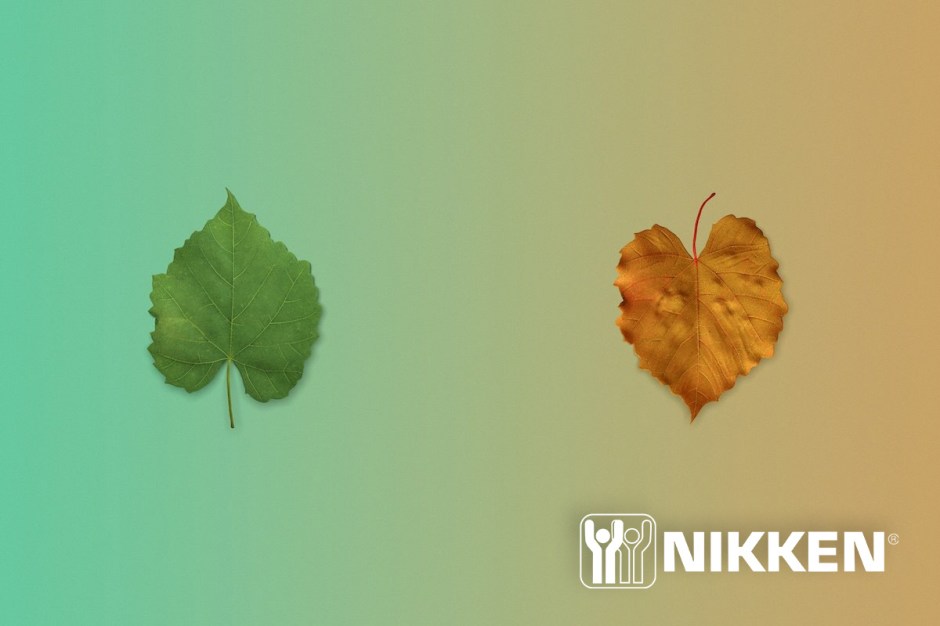
The Natural Cycle of Renewal

Nature follows cycles of renewal. In the spring, plants sprout, flowers bloom and you actually can smell growth in the air. In the summer, days are warmer and it’s time to harvest some of the most delicious fruits, vegetables and grains. Autumn signals the beginning of a natural withdrawal with colorful changes, and winter is nature’s time of rest to prepare for renewal once again.

If you take a look at a tree, you see the trunk, its branches and the leaves. What you don’t see are the roots, but the taller the tree, the firmer the roots. Apply this image to the human experience. Human lives follow a similar cycle of renewal. There are seasons of growth, not only physically but intellectually, culturally and in business. There are also seasons that are focused on reflection, quiet contemplation and rest.

Successful individuals appear healthy and strong, but the foundation they are built on is not visible but surely there. The roots of that invisible foundation are what allow the progression of personal development, perseverance and resilience. Regardless of which season you are in, the basics of rest, hydration, clean air and whole food nourishment are necessary components to complete a successful cycle of renewal.

Just as nature thrives in seasons, you can build your own cycles of growth, renewal and rest. Nature doesn’t rush through winter to reach spring; it patiently endures each season, drawing strength and renewal from every phase. In the same way, you can learn to respect your own seasons — both the highs that fill you with energy and the lows that call for quiet and rest. Growth isn’t about constant improvement; it’s about respecting the natural ebb and flow of life.1

To evaluate how to complete cycles of renewal in more productive ways, simply ask a few basic questions:  Are you getting enough restful sleep? Are you making sure your indoor air is clean rather than full of dust, dander and allergens? Are you eating nutrient-dense foods? Are you practicing some kind of movement every day? Movement does not have to be a specific exercise. It can be as simple as climbing stairs instead of using the elevator, parking the car a little further so you can get a walk in, taking the dog for a walk, mowing the lawn and so on. Are you making private time to nurture yourself instead of always serving others?

For the entire month of January 2026, Nikken is offering 20% off replacement filters! Air and water filters need to be renewed— just like nature and just like you!

1 https://medium.com/@neeraj.narayan/what-can-natures-seasons-teach-us-about-growth-and-renewal-e848f6caa952

Let Mother Nature Recharge Your Mind and Body this Fall

“There is mounting evidence, from dozens and dozens of researchers, that nature has benefits for both physical and psychological human well-being,” says Lisa Nisbet, PhD, a psychologist at Trent University in Ontario, Canada, who studies connectedness to nature. “You can boost your mood just by walking in nature, even in urban nature. And the sense of connection you have with the natural world seems to contribute to happiness even when you’re not physically immersed in nature.”1

Here are a few findings from researchers focused on the healing powers of Mother Nature2:

•          Time spent in nature is linked to cognitive benefits and improvements in mood, mental health and emotional well-being.

•          Even the feeling of being connected to nature can produce similar benefits to well-being. This means regardless of how much time you spend outdoors, the feeling of connectedness to nature is already beneficial. Researchers call this feeling by a variety of names, including nature relatedness, connectedness to nature, and inclusion of nature in self.

•          Nature includes both green (land) and blue (aquatic) spaces. Both types of spaces produce benefits of well-being. Urban parks and trees also lead to positive outcomes.

Why does exposure to nature have such positive effects on the human body and mind?

•          The biophilia hypothesis argues that since our ancestors evolved in wild settings and relied on the environment for survival, we have an innate drive to connect with nature.3

•          The stress reduction hypothesis posits that spending time in nature triggers a physiological response that lowers stress levels.4

•          Attention restoration theory holds that nature replenishes one’s cognitive resources, restoring the ability to concentrate and pay attention.5

 “Stress reduction and attention restoration are related,” Nisbet points out. “And because of the societal problems we’re dealing with in terms of stress, both of these theories have gotten a lot of attention from researchers.”6

There is no formula for how much time you need to spend in nature to reap the benefits of well-being. However, in Scientific Reports, Vol. 9, No. 1, 2019, a study by researchers of a representative sample of nearly 20,000 adults across the United Kingdom found people who had spent at least two recreational hours in nature during the previous week reported significantly greater health and well-being.7

In the United States, University of Chicago psychologist Marc Berman, PhD, and his student Kathryn Schertz reported in Current Directions in Psychological Science, Vol.28, No.5, 2019, that green spaces near schools promote cognitive development in children and green views near children’s homes promote self-control behaviors. Furthermore, experiments have found that being exposed to natural environments improves working memory, cognitive flexibility, and attentional control, while exposure to urban environments is linked to attention deficits.8

As urban living pervades every corner of the earth, this fall, consciously spend time in green and blue spaces, because globally, people are experiencing how empowering nature can be. And when you can’t go outdoors, picture nature in your mind and feel connected, because even that can help recharge your entire being, so you can feel good every day.

1- 8 https://www.apa.org/monitor/2020/04/nurtured-nature