
Growing populations, irrigated agriculture, energy production, manufacturing and livestock needs have increased demand for water over the years. Since 1960, demand has more than doubled and around the world, demand now exceeds what is available.1
Water stress refers to a situation where the water resources in a region or country are insufficient for its needs. Water stress also refers specifically to plants that suffer from a lack of moisture. Whether for plants or people, water is life, and the lack of it threatens health, economic growth and food security.
According to data from Aqueduct, 31% of global GDP (gross domestic product) will be exposed to high water stress by 2050. Just four countries—India, Mexico, Egypt and Turkey—account for more than half of the exposed GDP in 2050. A country facing extreme water stress is using at least 80% of its available supply, while high water stress refers to 40% withdrawal of its supply.2
Humans are more dependent on water than many other mammals. Without enough water, physical and cognitive functions decline. Without any water, humans die within days. Water can be sourced from food, and depending on culture and region, people ingest varying amounts of water from their food. For example, in the U.S., about 20% of the water people take in comes from food, while adult Japanese obtain half of their water from foods eaten. In northern Kenya, people drink little water but consume a great deal of milk, which is 87% milk, and they chew on water-laden roots.3
In areas where there is a scarce supply of clean water, eating instead of drinking more water helps decrease exposure to harmful bacteria. Fruit such as papaya, and whatever grows locally, can help hydrate while preventing gastrointestinal issues. In places like the Amazon and other similar populations, dietary traditions have developed to incorporate low-alcohol, fermented beverages, which can be essential sources of hydration. Fermentation happens to kill bacteria.
Obtaining enough water is one of humanity’s oldest challenges, and now it has become a global crisis. Aquifers around the world are being depleted and the need to diversify water sources is critical. Nations that have invested in desalination and water recycling have been the most successful in addressing water scarcity. For example, 70% of Israel’s potable water is from desalination and 90% of its wastewater is recycled!4 Israel also uses drip and micro drip irrigation, which is more efficient than traditional flood irrigation. In South Africa, where water stress has reached critical levels, Cape Town lessened reservoir losses by removing invasive, water-hungry plants and replacing them with drought-resistant species.
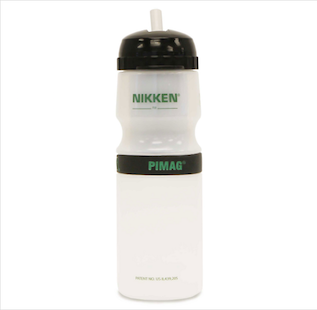
Wherever you live, drink wisely. Don’t keep the tap running. Avoid waste. Be safe, filter your tap water with the PiMag Waterfall® and PiMag® Sport Bottle.
1, 2 https://www.wri.org/insights/highest-water-stressed-countries
3, 4 https://www.scientificamerican.com/article/0424–kinard-mexico-city-run-out-of-water/

 Active Wellness Blog