Breathe in Clean Air for Healthy Living and Active Wellness

The United Nations has declared the International Day of Clean Air to be September 7 this year. In support of the global effort for “healthy air, healthy planet,” the clean air initiative emphasizes the health aspects related to what we breathe in. The United Nations states, “This year’s focus is on prioritizing the need for healthy air for all, while keeping the conversation broad enough to encompass other critical issues such as climate change, human and planetary health as well as the Sustainable Development Goals.”1

Here are five main health benefits2 we can enjoy simply by breathing in clean air:

  1. Decreased Allergies and Asthma Symptoms: Clean indoor air can greatly improve the symptoms of allergies and asthma, thus increasing well-being and productivity.
  2. Cleaner Lungs: Clean air keeps lungs healthy and functioning optimally. Breathing in polluted air is similar to inhaling cigarette smoke.
  3. Improved Digestion: The respiratory system is important not only for healthy lungs but also for healthy digestion. Clean, fresh oxygen is needed in order for the muscles of the digestive tract to function as they should by breaking up food and moving it along in the digestive system.
  4. Improved Mood: Serotonin is a highly important neurotransmitter responsible, among other things, for regulating mood and anxiety. One of numerous factors that serotonin production and serotonin uptake in the brain are dependent upon is oxygen intake. Enzymes responsible for the production of serotonin can be impaired by low quality oxygen intake, leading to feelings of depression and anxiety.
  5. Longer Life Span: Breathing in clean air can also improve the immune system, which is one way our bodies build on for a long and healthy life.

We can’t always control outdoor air, but we can actively monitor our indoor air and keep it as fresh as possible. Here are five simple tips for keeping indoor air fresh and clean:

  1. Air purifiers can be an effective way to reduce harmful particles in the air. It can be helpful to have one in each room, especially bedrooms.
  2. Keep pets well groomed, especially if they are big shedders. Removing excess fur not only helps keep pet skin less irritated, but it also helps keep air cleaner.
  3. Take your shoes off before going inside. The dirt your shoes bring in can contain pesticides, pollen, fungi, bacteria and more undesirables.3
  4. Indoor houseplants can help improve air quality, according to a study published by the American Society for Horticultural Science. Several types of houseplants help filter out common volatile organic compounds from indoor air. For example, spider plants are effective at reducing benzene, formaldehyde, carbon monoxide and nitrogen dioxide.4
  5. Rather than using chemically-based detergents and air fresheners, try using natural cleaning products and remember to open your windows at least part of the day.

Nikken supports clean air every day with eco-friendly KenkoAir Purifier® and its HEPA replacement filters. To celebrate the global effort for “healthy air, healthy planet” Nikken is offering two specials for the entire month of September. You save significantly when you purchase the September Exclusive Pack (Item 4445) by receiving the KenkoAir Purifier® and HEPA replacement filter for the price of the KenkoAir Purifier. In addition, all KAP HEPA filter replacements (Item 1445) are 20% off.

1 https://www.un.org/en/observances/clean-air-day

2 https://cascadeenviro.ca/5-important-health-benefits-of-clean-air/

3, 4 https://www.treehugger.com/ways-get-clean-air-without-chemicals-4864310

Loving Our Furry Family Members

We love our pets so much and our affection is reciprocated in ways that melt our hearts. In North America, the two most common pets are dogs and cats. Not only do those who live with pets receive that special love from their furry family members but cohabiting with them teaches children how to treat non-humans with kindness, care and respect. This in turn shows children how to treat living creatures, big and small, as part of planet Earth.

Since 1998, the pet population in the United States has almost doubled, with two thirds of the country being pet owners.1 Similar to humans, dogs and cats that sleep well, live a healthier lifestyle than those that don’t. Not only that, but a good night’s rest can help improve your dog’s memory and can even make your pooch smarter, according to a study published in a 2017 edition of Scientific Reports.2

Domestic dogs and cats sleep an average of 12-15 hours daily, with up to 20 sleep cycles, each lasting 15 minutes. In contrast, humans average four to five sleep cycles, each lasting 90 minutes. Cats and dogs reach REM less, so they need more sleep to obtain adequate rest.3

Humans spend a lot of time searching for the perfect mattress that provides us with ample support, good circulation and all-night comfort. The Kenko Naturest® Fit supports quality human sleep and the Kenko Sleep Pet Pad does the same for our furry friends. Both are made with magnetic, rubberthane and tourmaline technologies. Together, these technologies impart a gentle massaging effect that is activated by the sleeper’s natural movements. The breathable fabric helps with temperature control by allowing air circulation and helping your pet to maintain a comfortable level of body heat. And because we know well how much shedding and staining can occur with any pet, both the small and large Pet Pad have removable covers that are easy to launder.

Keeping our pets healthy and happy also makes it easier for us to live the Active Wellness lifestyle. Recent studies suggest having a pet can actually help reduce our blood pressure, alter the course of heart disease and decrease our stress levels.4 By taking good care of our pets, we are actually taking better care of ourselves! Astounding numbers show that this reciprocal relationship between humans and their pets is growing:

• According to the National Pet Owners Survey conducted by the American Pet Products Association from 2017-2020, there were approximately 95.6 million pet cats and 89.7 million pet dogs in the United States as of 2020.

• In Canada, there were about 8.1 million pet cats and 7.7 million pet dogs in 2020.5

Contrary to common belief, some cats and dogs live together happily, proving that interspecies “siblings” can love each other as much as we love them! It’s a win-win situation!

1 https://www.amazon.com/Pet-Nation-Affair-Changed-America/dp/0593083865

2 https://www.akc.org/expert-advice/health/the-importance-of-a-good-dog-bed/

3 spacecoastpetservices.com/2020/01/09/how-much-sleep-dogs-cats/#:~:text=Dogs%20and%20cats%20go%20through,lasting%20up%20to%2090%20minutes.

4 https://thezebra.org/2021/04/05/the-love-affair-with-our-pets/

5 https://www.statista.com/statistics/1015882/number-of-pet-cats-and-dogs-canada/

Get into the Zone with Foot Reflexology

Reflexology’s increasing popularity at present seems to derive from its reputation for dealing with stress and tension and in promoting relaxation. 

Reflexology, otherwise known as zone therapy, is a type of therapy that uses gentle pressure on specific points along your feet (and sometimes the hands or ears) to help ease stress and assist your body in working better.Because of the close interaction of mind and body, relaxing one will help unwind the other too. 

Many people confuse massage with reflexology, but it’s actually more comparable to acupressure. Reflexology connects spots on the outside of your body to the inside – different areas of the feet are linked to specific body parts, and putting pressure on one area of the foot can have an effect on the organ it corresponds with:

  • Tops of each toe = head/brain
  • Balls of your feet = heart, chest, and lungs
  • Arch of your foot = liver, pancreas, and kidney
  • Heels = lower back and gut system

Here’s how it works: A foot is divided into five zones that run from toe to heel: The big toe is zone 1, and the pinky toe is zone 5. The body is divided into 10 zones that run from head to foot. Zone 1 aligns with the left and right center of the body, and zone 5 aligns with the left and right sides of the body. When you place pressure on zone 1 in the foot, it can help relieve discomforts in the part of the body that’s linked to that area. Pretty cool, right?

The average benefits of reflexology include stress relief, relaxation and increased energy.

So, how exactly does reflexology provide all these benefits? One theory that dates back to the 19th century suggests that reflexology works by stimulating the nervous system. Pressing on areas of the feet in a calming way stimulates the nerves there, which sends a message to the central nervous system. This helps to relax the body and has positive effects on your breathing, blood flow, immune response and more.

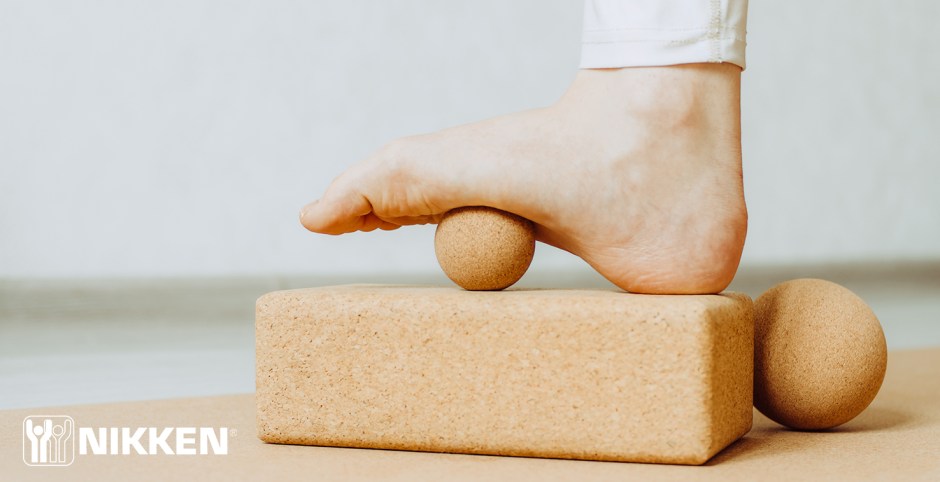
If you can’t find a reflexologist near you, try a DIY session! Here’s what you need to know about how to use a foot reflexology chart2.

  • Any foot reflexology chart will have the major reflex areas marked (usually with bold colors).
  • You’ll find the names of the different organs/body parts that correspond to each reflex area labeled. It should be easy to locate which is which.
  • To recreate a mini reflexology session at home, use a small amount of lotion to massage your feet. Apply pressure with the ball of your thumb, holding for 5 to 10 seconds. 
  • If you don’t know where to start, try your heel and move on from there, applying steady, even pressure with your thumb.
  • Before your first DIY foot reflexology session, familiarize yourself with the basic areas on a foot reflexology chart.

KenkoInsoles are Nikken’s founding product, derived from research into the effects of magnetic fields, with an added reflexological component inspired by the reflexology practices in Japan and the pebbles on the floor of the traditional baths.  See the current special offer on the Kenko mSteps, with raised nodules for a gently massaging sensation as you walk, and Kenko mStrides, a high density insole with magnetic technology, available until 31st August 2021.

Disclaimer: Any new pain symptom or medical condition should be discussed with your doctor before receiving reflexology treatments.

1 https://www.webmd.com/balance/what-is-reflexology

2 https://greatist.com/live/foot-reflexology-chart#when-to-avoid

The Circulatory System: An amazing circuit that keeps our bodies going…

Proper circulation is key for maintaining optimal health. It ensures that blood and oxygen continuously flow throughout the body, allowing every organ to function properly. It helps to heal wounds faster, it keeps the brain sharp, it keeps the heart healthy and it even gives the complexion a natural glow.1  Therefore, it’s vital to look after our circulatory system as part of our active wellness.

Top tips for circulatory health include exercising for 30 minutes a day, most days of the week as well as maintaining a healthy diet and lifestyle. Here are 7 further tips that are easy to incorporate in your daily routine!

1. Get More Omegas… Omega-3 fatty acids help improve blood flow in the body and are an excellent source for heart health. Omegas can be found in certain types of fish such as mackerel.  For those who are vegetarian or vegan, kale also contains a small amount of omega-3 fatty acid. There are many natural supplements that contain Omega-3.

2. Sip Smarter… Drink black or green tea. A 2001 study, published in the journal Circulation, found that black tea improves blood vessel health. The antioxidants in these teas help to increase the width of the blood vessels. This enables the body to pump blood more easily.

3. Quit Smoking… So, this one isn’t easy. But, it’s absolutely necessary! Nicotine causes the blood vessels to constrict or narrow, which limits the amount of blood that flows to the organs. Over time, the constant constriction results in blood vessels that become stiff and less elastic. Constricted blood vessels decrease the amount of oxygen and nutrients the body cells receive.

4. Get Iron-Strong… If you don’t have enough red blood cells to circulate oxygen throughout your body, then you’re considered anemic. Women are especially susceptible to becoming anemic, especially if they are pregnant. Consuming an iron-rich diet such as spinach, legumes and red meat (in moderation) can greatly help you increase your red blood cells.

5. Compression for Comfort… Compression socks are a staple of any runner, but they should be in every household regardless of athletic ability.  That’s because these special socks reduce swelling in the legs. If you keep your legs elevated when you wear them, it will put pressure on the feet to help blood vessels push blood through the upper body and up to the heart.

6. Brush Your Body… If you’ve never heard of dry brushing before, you are seriously missing out on a relaxing and stimulating way to increase your blood flow! Before taking a shower or bath, use a soft-bristle brush and gently brush your skin in long, upward strokes. Start at your feet, and then move to your legs, thighs, stomach and arms. It not only feels amazing, it will help increase your circulation instantly.

7. Ease into Exercise… Sitting too much and for too long can be detrimental to your body. Your circulation system is no exception. Any type of movement is good, including a gentle walk, but experts say a good high-impact activity is jogging/running, and a good low-impact activity is yoga. Movements that involve bending, stretching and twisting help to compress and decompress a person’s veins, which may help improve circulation.2

Whether in doors, taking a gentle stroll outside or for more active exercise, Nikken’s Kenko mSteps and Kenko mStrides insoles can help energize your feet! 

*Terms and Conditions apply.

  1. https://www.henryford.com/blog/2020/10/how-to-boost-circulation
  2. https://niveinclinic.com/why-good-blood-circulation-is-vital-to-your-health/

Over Four Decades of Active Wellness – The History of Nikken magnets…

Magnets have been used successfully for centuries all over the world. Naturally produced magnets are called Lodestones and were used in ancient China, Japan, India, Egypt and Greece to help people enjoy better health. 

Nikken have been researching and developing magnetic technologies since 1975 with the launch of the first Magnetic Insoles – KenkoInsoles®. Nikken’s founder, Mr. Isamu Masuda began his wellness revolution with a brilliant thought: “If people feel better after walking on pebbles, why not create a way to experience this effect all day long?”

Drawing inspiration from the combined research into the positive effects of magnetic fields and massage inspired by the reflexology practices and the pebbles on the floors of the traditional Japanese hot baths – he combined a textured surface with magnetic technology and this is how the Magsteps® (later called KenkoInsoles®) were created.

Since then, Nikken research teams have continued the process of research and found that the more complex the magnetic fields, the more effective they are on the body. As a consequence, a number of further developments designed and adapted for different applications are now available.

Kenko mSteps® – a gentle massage in your shoe!

Raised nodules on the surface of mSteps are designed to provide a very gentle massaging sensation on the soles of the feet. Walking, standing or sitting, these nodules will stimulate and invigorate your feet.

Patented DynaFlux® Magnetic Technology acts like a magnetic field generator inside the shoes. This happens when magnets are placed in a way called ‘polar opposites’ – as you walk, the components of the magnets move, changing position to produce a dynamic field of energy.

mSteps are available in two sizes: Small 5-9 (20213) and Large 7-12 (20214).  The insoles can be trimmed if needed to fit perfectly in your shoes.

The Kenko mStrides® – great for active activity!

Kenko mStrides have the same patented DynaFlux® Magnetic Technology as the Kenko mSteps but without the massaging nodules.

They are thicker to provide more cushion and flexibility, ideal for use in soft athletic shoes such as trainers and hiking boots, etc.

Kenko mStrides are also available in two sizes: Small 5-9 (20201) and Large 7-12 (20211), these insoles can also be trimmed if needed to fit perfectly in your shoes.

Whichever insoles you choose this summer, you can comfortably walk your way to Active Wellness!

Walk your way to Wellness – 6 Benefits of Walking

In the age of CrossFit, hot yoga, Pilates studios and Soul Cycle classes, walking can seem like a tame alternative. However, nothing could be further from the truth! Walking is convenient, free, doesn’t require any special equipment or gym, and it can be done anywhere—even right outside your front door! Here are six reasons to make walking a lifetime commitment towards your Active Wellness.1

  1. Keep your heart pumping
    If you’re looking for a way to prolong the health of your ticker, walking only 30 minutes/5 times a week can reduce your risk of coronary heart disease by 19 percent! Contrary to the public health recommendation you need 10,000 steps daily to see results, 7,500 steps is also an ideal daily goal with comparable benefits.2
  2. Walk faster, live longer
    According to a 2016 study conducted by the Mayo Clinic, walking briskly (approximately 3 miles per hour) can increase your lifespan between 15 to 20 years. As with any exercise, the individual physical benefits gained from walking depends on three things: duration, intensity and frequency. Put simply: walk often, walk fast and walk long. The goal is to walk fast enough to raise your heart rate — even if just for a short burst.
  3. Leave stress behind
    There’s something about getting out for a walk that just melts the stress and tension away. Whatever has you frazzled, overthinking, tired, frustrated or furious, seems to dissipate with a brisk walk. Studies have even proven daily 20-minute walks (especially outside) have been linked to significantly lower levels of stress hormones, such as cortisol.
  4. Lose weight, feel great
    According to Harvard Health Medical School, walking can burn anywhere from 120–178 calories in 30 minutes. It’s also been proven to help you lose weight in an important area: the belly. This is a significant finding because women with a waist measurement of more than 35 inches (and men of more than 40 inches) are considered to have abdominal obesity, which is considered a health risk.3
  5. A brighter mental outlook
    Multiple studies have shown that regular physical activity can help increase the release of the ‘feel-good’ hormones such as serotonin, norepinephrine and dopamine. A single walking session can reduce feelings of anxiety and depression. It’s also important to make a human connection when you’re feeling isolated, and chances are you will come across other people on your walk. Waving or exchanging a simple smile with others can uplift your mental state instantly.
  6. Stronger bones and joints
    It’s a fact of life as we get older our bone density decreases and our joint tissue breaks down. Repetitive, high impact movements such as running and aerobics can place stress on bones and joints. Walking is a fantastic exercise for the young and old, because it doesn’t involve jumping or landing on hard surfaces. A regular walking routine can also increase bone density and size.

Walking requires comfortable, supportive footwear. If you can’t find the right amount of support, consider investing in a good pair of walking shoes and even a pair of insoles.

1 https://medium.com/wellness-decoded/the-health-benefits-of-walking-32877ff8d0f5

2 https://www.discovermagazine.com/health/why-walking-might-be-one-of-the-best-exercises-for-health

3 https://www.healthline.com/nutrition/walking-for-weight-loss#TOC_TITLE_HDR_4

5 Tips for Balancing Your Immune System

Immune health has been on the forefront of everyone’s mind, especially in the past year. People have tried to come up with a variety of ways to “boost” their immune system. But, is that really possible? It’s actually a common misconception that the more active our immune system is, the healthier we will be. The fact is, when it comes to our immune system, more is not necessarily better. While we don’t want an underactive immune system, an overactive immune system can cause problems, too. So, what we really want to achieve is a balanced immune system1. Here are five tips on how to get it!


1. Keep those vitamin D levels up!

Many people have low vitamin D levels, and studies show our levels drop in the fall and winter months (in the Northern hemisphere) when we begin to spend less time in the sun. This is bad news for our immune system. If our vitamin D blood levels fall rapidly – as often happens when the weather gets colder and our time in the sun decreases – our innate immunity suffers. So, to maintain optimal blood levels of vitamin D we need to get daily, moderate sun exposure and/or take a vitamin D supplement.


2. Sleep like a baby

For years, science has linked a good night’s sleep (6-8 consecutive hours) to a healthier immune system. That’s because during this regular time of rest, our immune system promotes a healthy inflammatory response. Stress hormones fall to the lowest levels at night, allowing our bodies to undo the physical stress exerted during the day. One of the best ways to improve the quality of sleep is to improve “sleep hygiene.” Create the right ambience in your bedroom by making it cool, dark, and quiet. You can even light some candles, take a bath, meditate, or just sit quietly. Sweet dreams!


3. Say sayonara to stress

Easier said than done, but it’s so important because stress takes a significant toll on our immune system. Physical, mental and emotional stress, especially when it’s ongoing, can impair our immune system’s ability do its job. Mindfulness-based activities like meditation, deep breathing and yoga are excellent tools for managing stress. Don’t forget exercise! It not only keeps us healthy, but it strengthens our immune system. Just 30 minutes a day of moderate activity is all it takes.


4. Feast on fermented foods

You may be thinking, “Fermented foods? What the heck is that?” Fermented foods consist of sauerkraut, kimchi, yogurt, kefir and kombucha. Eating them is great for our immune system because 80 percent of the immune system is found in our gastrointestinal tract.  If these foods aren’t appealing to you, you can get the same benefits by taking probiotic supplements. Ingesting probiotics (friendly bacteria and yeasts) is an effective way to improve digestion and support immune health.

5. Add mushrooms to your diet

Did you know there are a few species of mushroom that contain some of the most powerful immune boosting compounds in nature? It’s true! Mushrooms such as shiitake, cordyceps, reishi, and maitake can reduce the negative stresses on our bodies. Not a fan of mushrooms? Consider adding a mushroom supplement to your diet such as the Kenzen® Immunity. It contains a combination of 14 different mushrooms, including rare varieties not available in conventional mushroom products.

Incorporating the active wellness tips described above to your lifestyle now will help you feel better and more balanced long-term.

1 https://www.objectivewellness.com/journal/posts/how-to-boost-your-immune-system-its-all-about-balance

Workspace Wellness

Boost Your Mental and Physical Health Working Remotely

If there’s a silver lining to the past year, it’s the ability for most of us to work from the comfort of our own home. No commute, no business attire and no noisy coworkers! However, working remotely can come with unique challenges when it comes to mental and physical wellness: burnout, loneliness and uncomfortable working conditions. Here are some workplace wellness tips for the home to help keep you happy, healthy and productive1

Establish a Daily Routine
It is so important to keep the ritual of your regular morning routine as if you were still leaving the house to go to work. Set your alarm for your regular waking time, shower and dress, make your breakfast and coffee, etc. Consider scheduling in a few minutes of meditation every morning before you sign into work. It’s a great way to start your day with a clear and focused mind! You can find many free guided meditations online or through your mobile app.   

Create a Designated Office Space
Not everyone has the luxury of a private office space to work in. If possible, avoid working on your bed or couch. Aside from the back pain you’ll experience, it will be difficult to get into “working mode” in these spaces. Experts highly encourage you to find a dedicated space in your home with natural light, enough space for all your materials and an excellent desk chair! Did you know the average worker sits for approximately 10 hours a day?* Therefore, it’s extremely important to invest in a durable chair with a supportive back.

A separate working space also lets you disconnect at the end of the day. If your office is also the place where you sleep and watch television every night it will be difficult to differentiate work from relaxation.  

Take a Break

Set limits on how long you sit and stare at your computer screen. You need breaks to stretch your body, eat your meals and decompress. Schedule at least 20 to 30 minutes of physical activity every day. Take a stroll around your neighborhood, do an online workout video or try some yoga moves. 

Remember, just because you are at home doesn’t mean you shouldn’t take a coffee or a lunch break. Avoid eating in front of your computer as much as possible. If needed, schedule your lunch breaks at a certain time every day, so your coworkers know that you are not reachable during that time.

Stay Social
Make it a point to stay connected and bond with your coworkers through Zoom lunches or virtual team Happy Hours. Send your best friend a text or give your mom a call – chances are she would love to hear from you! Smile and wave to people you see on your walks when strolling through your neighborhood on a break. We are social beings and we need to maintain that human connection!

Structure a Beginning and End to Your Day
Working from home makes it very easy to stay connected until the late hours of the day. To maintain mental wellness, it is important to set limits and end your work days as you normally would in a traditional office setting. Keep track of your hours to make sure you aren’t constantly working overtime. 

Work smart with workspace wellness to help maintain your active wellness.

1https://www.corporatewellnessmagazine.com/article/promote-wellness-work

*WashingtonPost.com

Healthy Dads are Happy Dads!

There’s nothing quite like the thrill of becoming a father. A whole new chapter of your life opens up filled with endless milestones to experience with your child: teaching your mini-me how to talk, walk, run and navigate life. To keep up with your little one for every new experience, you’ll want to be in your best health. In honor of Men’s Health Week (June 14th-June 20th), here are four tips to help be the healthiest dad you can be!1

1. Watch Your Weight
Most men relax their diets and exercise program once they get married and start a family. They gain weight, particularly during their partner’s pregnancy. But once the baby arrives, you have to be as active, mobile and quick as you can. Therefore, controlling your weight should be your top priority and something that will define your health status throughout your life.

2. Manage Your Stress
Working all day and keeping everything under control means you’re probably under more stress than you realize. There are lots of ways to minimize stress – staying active, exercising and communicating with your loved ones are just some of them. Find the methods that suit you the best, practice them daily, and you’ll be a calmer and better parent for the long-haul.

3. Schedule Regular Check Ups
All parents go into action mode the minute they see something is not right with their kids. As soon as they start coughing or feeling woozy, we take them to the doctor’s office and deal with the problem. However, it’s not just kids that need this sort of attention – it’s the dads as well. It’s essential to see your doctor for regular screenings and annual physicals. Your kiddos are counting on you!

4. Find the Balance
Providing for family often requires dads to work long hours. It can wear you out physically and emotionally. Avoiding burnout is a must if you want to enjoy fatherhood and life long-term, so you need to learn how to balance your work and your family more effectively than before. Talk to your employer, talk to your partner, and find a solution that works for both of you.

Remember, you’re doing it all for the sake of your children and a chance to spend more quality time with them. That’s why lots of men don’t really mind altering their habits and introducing positive changes to their lives in order to become healthier, happier and better fathers.

This year’s Father’s Day falls on June 20th, and we have the perfect gift to keep all dads healthier and happier. Receive the Men’s Nikken Watch as a gift with qualifying orders between  June 1—June 30, 2021!* Speak to your Nikken Consultant for further details.

1 https://www.daddilife.com/how-to-be-a-healthier-dad-in-2019/

Do You Have Allergies?

Allergies are irritating, but they can be managed, especially if you stick to an Active Wellness lifestyle. An allergy is when your immune system reacts to a foreign substance, called an allergen. It could be something you eat, inhale into your lungs, inject into your body or touch. Allergens can cause coughing, sneezing, hives, rashes, itchy eyes, a runny nose and a scratchy throat. Although there is no cure for allergies, you can manage them with prevention and treatment.

More than 50 million Americans experience various types of allergies each year.1 That’s why it’s important to know what you are allergic to and avoid those allergens as much as possible. Some allergens are easier to avoid than others—the main sources of allergens are drugs, food, insects, latex, mold, pets and pollen.2

Many people suffer from allergies but don’t know the causes. Because many allergies are irritants but not life-threatening, it’s common practice to take any number of over-the-counter allergy medications. If the medication helps stop the symptoms, then people simply keep taking them without knowing the root cause. The most common side effect to taking allergy medications is sleepiness, so over the years, new formulas have popped up that are “non-drowsy.” Most commonly used are antihistamines, cortisone ointments, decongestants and epinephrine—people with severe allergies carry “epi-pens” so they can self-inject epinephrine to counteract serious allergic reactions.

An Active Wellness lifestyle may not be able to get rid of your allergies; however, being healthy can certainly bolster your overall immune system to help you cope with them. For example, with seasonal allergies from pollen or certain trees, sometimes the allergic reactions disappear. Whether this is your body’s way of adapting over the years or the result of healthy living can’t be proven, but it certainly might be helpful.

There are treatments without using medications. For example, people with airborne allergies may choose to wash out their noses daily with a nasal saline solution, plain water or by using a Neti pot. Others may choose to diffuse natural scents to help the nasal passages open.

With food allergies, avoiding the primary offenders generally takes care of any issues. The most common food allergies are to milk, egg, peanut, tree nut, soy, wheat, fish and shellfish.3 Food allergies are different from food intolerances. For example, you can be lactose-intolerant but not allergic to lactose—food intolerance does not involve the immune system. To determine any possible food allergies, track what you eat, when symptoms occur, and what seems to be helpful.

Insects that may cause allergies are generally divided into three groups: stinging, biting, and non-stinging/biting. Stinging insects such as bees, wasps, hornets and fire ants inject a toxic venom when they sting. Biting insects such as mosquitoes, bedbugs, fleas and certain flies may cause itchiness, swelling, rashes and/or pain.

One particularly unusual development that may result from a Lone Star tick bite is becoming allergic to meat. This is because a tick transfers alpha-gal, a sugar, into the person’s bloodstream. When the person’s immune system reacts to it, the meat allergy develops because alpha-gal is also found in beef, lamb and pork.4

Your indoor environment plays an important role in keeping allergens away. Dust mites and pet dander are common offenders that can be filtered out with a good air purifier. There are still a few days left in May to take advantage of the outstanding promotion for the KenkoAir Purifier® and get 30% off the regular price! Tell your friends about it and share the benefits with your family! To breathe is to live!

1, 2 https://www.aafa.org/allergy-facts

3 https://www.aafa.org/prevent-allergies/

4 https://www.aafa.org/insect-allergy/