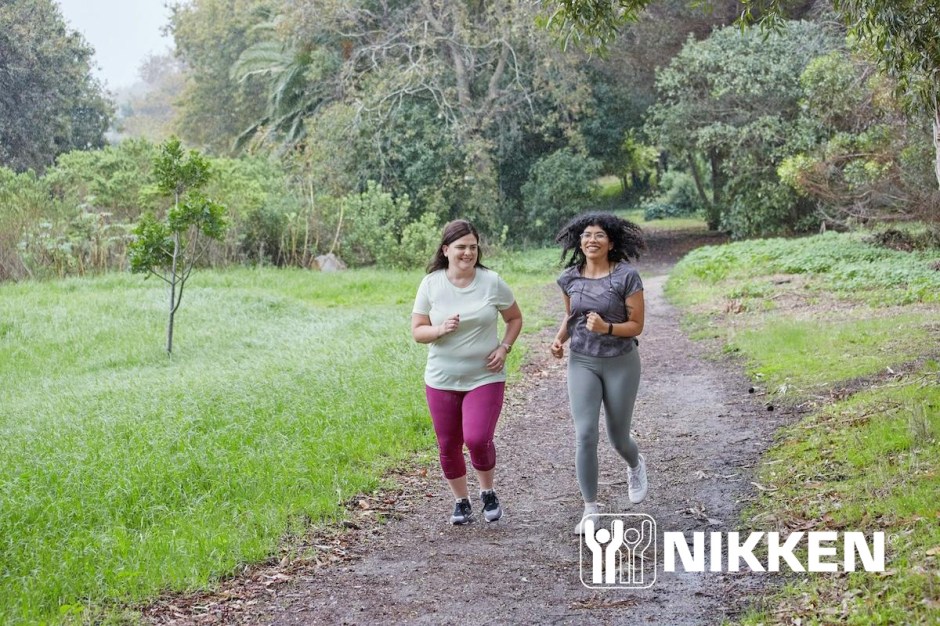
Daily Habits Can Influence Overall Mental Well-Being

Many factors play a part in mental health, some of which we can’t control, such as genetics, life experiences, and family history. Nonetheless, there are many things we can consciously do every day to create overall well-being.

What we think about and how we we approach our thoughts can impact everything in our lives. Our ability to handle the twists and turns of life affect our mental health, and building good habits can make a difference. Common sense dictates many of these positive behaviors, but staying consistent is both the key and the challenge to making them work.

Sleep is necessary to maintain good physical health, but it also is crucial for mental health. One study from 2021 included 273,695 adults in the United States. The researchers found that people who averaged six hours of sleep or less per night were about 2.5 times more likely to report frequent mental distress than those who averaged more than six hours of sleep.1 The researchers also found that the quality of sleep matters, as disrupted sleep can add to mental health issues. So, maintain a consistent sleep schedule by going to bed and getting up at the same time daily and reap the benefits.

Another area that impacts mental health is “keeping up with the Joneses.” No matter how well you are doing, there will always be others doing better. This constant comparison with others can produce feelings of inadequacy. The advent of social media has multiplied these comparisons a hundred-fold, and psychologists report that feelings of low self-worth are an inevitable byproduct of constantly consuming information about other people’s lives. The solution is to cut back on social media. Stop scrolling on the phone, day and night, keep your phone out of reach during sleep hours, turn off notifications and only keep social apps that are absolutely necessary.2 Hit delete, delete, delete.

Staying out of the business of people we don’t know can be a relief, but staying in touch with people we do know, can be truly transformative. In other words, friends and family deserve attention and even when the effort to strengthen these relationships can be taxing, they’re worth it. These are the people who ultimately lend meaning to our lives. Instead of keeping up with the latest gossip about so-and-so, why not take the time to call mom, son, cousin, old friend, new friend, etc.? Better yet, make it a point to catch up by actually meeting for walks, tea, or a laugh-together session!

Exercise isn’t a magic bullet for physical and mental health, but it comes close. Next time you’re feeling down, go outside and move around. Walk, jog, stretch, do some head rolls—it doesn’t matter what you do as long as you do it regularly. For mental well-being, it doesn’t have to be vigorous or strenuous. In fact, it should be whatever you are comfortable with, even if it’s chair exercises. Again, be consistent—start slowly and build up stamina.

What we eat and drink also affects our state of mind. Certain foods are known as “mood-boosters.” These include berries, bananas, salmon, beans, salmon and whole grains. Staying hydrated by drinking water throughout the day can be beneficial. According to nutritionists, dehydration denies the brain and body the nutrients required to operate at optimal levels. Certain foods and drinks, including alcohol, caffeinated beverages, refined carbs and foods with added sugars, may actually increase anxiety. A nutrient-dense diet is something to stay on for a lifetime, so developing good eating habits is essential for healthy longevity.

Good habits take time to create, so start gradually and empower yourself. May is mental health awareness month, the perfect time to start or add to your daily regimen of empowered living! Develop one good habit at a time, and build on it. You may be surprised how much better you feel both mentally and physically!

1, 2 https://www.healthline.com/health/mental-health/habits-to-improve-mental-health

Stress Awareness: Sometimes a Hug Does the Trick

We all experience stress at some point every day; however, if we’re aware of it, we can actually do something about it. Some of the signs that stress levels are too high include: pain or tension in the head, chest, stomach or muscles, digestive issues, fluctuating heart rate and blood pressure, poor sleep, jaw pain, appetite changes, mood swings, difficulty focusing and feeling overwhelmed.1

Exercise, healthier eating, and getting enough sleep all have health benefits. One benefit is fewer symptoms of stress. Doing things you enjoy can help balance out stressful times. Mental Health America says that laughter, as well as positive feelings from your activities or relationships, helps beat stress.2

Talking to someone you trust helps lower stress levels. Keeping it bottled up can lead to increasing stress. Simple actions like petting a dog or going for a walk outdoors can help decrease stress. This is because cortisol levels are heightened during times of stress, and lowering them has a calming effect. Cortisol is known as the stress hormone.

A hug is a sign of affection and a way to transmit positive feelings. One study, published in the journal PLOS One, demonstrated that there are actual health benefits to hugging, including reduced blood pressure, decreased inflammation, lower risk of infection and better overall well-being.3

Just as cortisol levels increase when we are under stress, oxytocin, the feel-good hormone, is released when we receive or give a hug. Cortisol decreases during a hug. But how long does a hug have to be to have beneficial effects?

A 2021 study investigated how people reacted to both the duration of hugs and how the hugs transpired (either criss-crossed with arms or neck-waist style). The results were published in the peer-reviewed journal Acta Psychologica, showing that hugs lasting five to 10 seconds were felt to be more favorable than hugs lasting only a second.4 The researchers inferred that longer hugs are more pleasant than very short ones, and criss-cross hugs are more common than neck-waist embraces.

Those who have been with Nikken for a long time may have been fortunate enough to have met our Founder Isamu Masuda. Mr. Masuda was known for his humility and affection for everyone, and often hugged people upon meeting and departing. His hugs were of the criss-cross version, and known as “heart-to-heart.” Over the years, this became known as the “Masuda Hug.” The Masuda Hug continues on everywhere there is a Nikken event or celebration. It has become a cherished part of the Nikken feel-good lifestyle.

The next time you’re aware that stress is getting to you, try to be kind to yourself. See if you can find someone to hug! You might be able to reap the benefits within 10 seconds!

1 https://www.webmd.com/balance/stress-management/stress-level-too-high

2 https://drexelmedicine.org/blog/overview/stress-relief-tips-for-stress-awareness-month-and-beyond/

3, 4 https://apple.news/A08s2oe2ZSVSbwbzJveGY0A

Each of Us Can Play a Part in Earth’s Planetary Health

Planetary health is a relatively new concept that has gained traction in recent years due to the urgent need to address the health of our planet and its inhabitants. It refers to the interdependent health of both humans and the environment, recognizing that the two are inseparable and that the health of one is intricately linked to the health of the other.1

Rapid industrialization, urbanization, and population growth led to environmental degradation and climate change in this era. These factors have profound implications for human health, with climate change and extreme weather events exacerbating existing health problems. Air and water pollution as well as toxic chemicals are additional environmental factors that lead to health issues. By promoting sustainable development and protecting the planet’s health and inhabitants, we can ensure a healthy future for generations.2

Here are a few things we can do to to help Earth sustain its positive energy for the well-being of flora, fauna, humans and the planet as a whole:

•          Reduce food waste. Although there are so many on planet Earth who suffer from malnutrition and food deficit, there is an unconscionable amount of food that is wasted. To better understand how food waste occurs in your own kitchen, write down what gets thrown in the trash throughout the week, including the reason why. Did it go bad? Did you buy too much? Were you unsure of how to save it safely? Use this personal research to determine how best to reduce your waste. Perhaps you simply need to buy less, or learn better strategies for freezing or re-using leftovers.3

•          Learn how to compost. It is a great way to use food scraps such as fruit rinds or vegetable discards. The composting process converts food into stable soil carbon, rather than methane (which is what happens to food at a landfill).

•          Be mindful of how you use water. The average American household uses 98 gallons of water each day, more than other families around the globe.4 Assess your daily activities that involve water —bathing, cleaning, washing dishes, laundry, the toilet, cooking, watering the lawn —and see how you can cut down. For example, don’t let the faucet run while you’re brushing your teeth! Use a basin of water to rinse your dishes rather than running the tap on each item. Accumulate a whole load before using the dishwasher or doing laundry. Make sure you don’t have any leaky plumbing.

•          Consider solar power. It is a good choice for reducing carbon emissions. Personal rooftop solar panels are becoming less expensive and more widely used every year. And, it will likely decrease your electricity bills, if not completely wipe them out.

•          Eat less meat and more plant-based food. Forests are destroyed to make room for grazing, fertilizers produce nitrous oxide, and cows emit the greenhouse gas methane as they graze. Most climate change experts agree that reducing meat consumption is one of the most important tasks we have as a global community. In addition to being more eco-friendly, plant-rich diets may also reduce risk of some chronic diseases and add years to your life.5 Why not try a three-bean chili or a grilled portabella mushroom burger? 

•          Reduce, Reuse & Recycle: Reduce your usage of waste-producing items, such as single-use plastic bottles. Reuse whenever possible to minimize purchases. Recycle to lower your carbon footprint.

The World Health Organization (WHO) introduced planetary health as one of the core terms in its “Health Promotion Glossary of Terms 2021″.6 When we recognize the interdependence between Earth’s natural ecosystems and human health, we can all commit to doing our part to sustaining Earth’s vital energies!

Celebrate Earth Day on April 22nd and treat yourself and your loved ones to fresh air with the KenkoAir Purifier® at 20% off the regular price! To breathe is to live and to breathe KenkoAir is to live healthy!

1, 2,6 https://pmc.ncbi.nlm.nih.gov/articles/PMC11107315/

3, 4, 5 https://www.takingcharge.csh.umn.edu/10-things-you-can-do-planetary-health

Breathe Easier: How Air Ionizers Can Be Beneficial

We often don’t think about the air we breathe, but it can be filled with allergens like pollen, pet dander, dust, and mold—often invisible to the eye but affecting our health. These particles can be particularly troublesome for people with allergies or asthma. But there’s good news: air ionizers can help reduce allergens in the air, creating a healthier home.

An air ionizer works by releasing negatively charged ions into the air. These ions attach to positively charged particles, causing them to clump together and become heavy enough to settle out of the air or more easily captured by filters.

Why Should You Consider Using an Air Ionizer?

If you’re struggling with allergy symptoms or just want cleaner air in your home, an air ionizer could make a big difference. Here’s how:

  1. Reduces Allergens
    Air ionizers help reduce the presence of common allergens like pollen, pet dander, and dust from the air, which can help ease allergy symptoms and make breathing easier.
  2. Better Sleep Quality
    An air ionizer can help remove airborne allergens that could disrupt your rest, promoting a more restful sleep.
  3. Creates a Healthier Environment
    Even if you don’t suffer from allergies, cleaner air improves the overall atmosphere in your home, making it fresher and more comfortable for everyone.

How to Get the Most Out of Your Air Ionizer

To ensure you’re getting the most benefit from your air ionizer:

  • Place it strategically in a central area where the air circulates throughout the room.
  • Clean your home regularly to prevent allergens from settling back into the air.
  • Maintain the ionizer by following the manufacturer’s guidelines for cleaning and maintenance.

Empower Your Environment with Cleaner Air

Air ionizers are a simple yet effective way to help improve your indoor air quality. By reducing allergens and pollutants in the air, they help you create a healthier, more comfortable living space, allowing you to breathe easier and feel your best. To further enhance your air quality, combine an air ionizer with an air purifier!


Sources:

  1. American Academy of Allergy, Asthma, and Immunology. “Air Purifiers and Their Effectiveness.” www.aaaai.org.
  2. Centers for Disease Control and Prevention (CDC). “Indoor Air Quality.” www.cdc.gov.

About the Author

Stephanie Rosado is a journalist and marketing professional with a global perspective. She studied journalism abroad at DMJX in Denmark and Swinburne University in Melbourne, Australia, and earned her degree from San Francisco State University. With over five years of experience in marketing, Stephanie specializes in social media strategy and creative writing, blending storytelling and strategy to connect with audiences in meaningful ways.

Conserving Water is Everyone’s Responsibility

The amount of fresh water on planet Earth is static but the world population is increasing, which means more and more living creatures have to share the clean water that currently exists. Since water is a basic necessity of life and only one percent of Earth’s supply can be used for drinking, washing and growing plants, everyone has a responsibility to conserve fresh water for future generations. In fact, it is estimated that 2.5 billion people do not have access to clean water, putting their lives at grave risk.1

Those of us who live in areas with easy access to potable water can do our part to conserve water. Here are just a few tips:

•          Reuse “gray” water. Gray water is what goes down the drain. For example, rather than rinsing fruit and vegetables under the faucet while it runs, put the produce in a basin and cover it with just enough water to wash it. Once done, pour the water on house or garden plants.

•          Water used for cooking pasta or noodles can be drained into a bin, cooled and poured over plants.

•          Rainwater can be caught in containers and reused on landscaping

•          Have a basin in the shower or tub to collect cold water while you wait for it to heat up.

•          Brushing your teeth with the tap running? Don’t. In fact, don’t let the faucet run when it’s not necessary. Each minute the faucet is on can waste up to two gallons of water.2 Make sure the water is off while you brush, shave, wash your face and hands, then turn it back on when you’re ready to rinse.

•          Did you know you can waste nearly five gallons of water daily when you have a leaky faucet? That’s based on a single drop per second.3 Leaky faucets can also damage your home. A timely repair can save a lot of money.

•          Have you seen the ads that ask you to use the dishwasher to save water? It’s actually true that you can save water by using the dishwasher, but only if you do a full load. So, make sure to fill your dishwasher to capacity before starting the load.

•          Doing dishes the old-fashioned way can also save water. All you need is a double sink or two bins, one for soapy water and the other with clean water to rinse off. Remember not to keep the faucet running while you’re dishwashing.

•          According to the U.S. Department of Energy, you can save as much as 3,400 gallons of water each year by only doing full loads of laundry versus half loads. And, if you purchase a water-efficient washing machine, it reduces the water needed according to the load, so you automatically conserve.4

•          Pool owners, be aware! The U.S. Department of Energy cites evaporation as the largest source of water loss. As the air temperature and wind speed reach the pool’s surface, the water evaporates more quickly. Investing in a pool cover can reduce the amount of water needed to refill your pool by 30 to 50 percent!5

World Water Day is March 22—this is the perfect time of year to assess your personal habits when it comes to using water.

1, 2, 3, 4, 5  https://streamlabswater.com/blogs/streamlab-blog/7-ways-to-conserve-water-at-home?gad_source=1&gclid=CjwKCAiAtYy9BhBcEiwANWQQLxoVVyzD5CsU337s9OgVIv_465MWmpScQZBqRggpOVsRVdd9VypCgxoC8yIQAvD_BwE

Drinking Water Comes in Different Forms

Not all drinking water is created equally. Some types of water taste better. Some supply more minerals. Some water, such as PiMag® water, is alkaline. Some water can even make you sick, when it’s contaminated with bacteria and/or other microbes. Here’s a look at the variety of water considered potable, that is, drinkable, for health and hydration.

Tap water comes from a piped public water supply. In the U.S. and Canada, tap water is generally considered safe to drink, because there are industry regulations that keep harmful substances out of the water supply. Nonetheless, this decontamination is not always effective, as evidenced in the water crisis in Flint, Michigan. In recent years, microplastics in North American water systems, as well as globally, pose unknown risks to health. To allay any concerns about tap water, the solution is simple: Use a PiMag Waterfall® filtration system—keep refilling it with tap water, and remember to replace the filter every three to six months or every 900 liters/238 gallons.

Mineral water is obtained from a mineral spring, where sulfur, magnesium, calcium among others, are naturally plentiful. It definitely has a different taste from tap water, and personal preference would determine whether you drink it or not. Because it contains minerals that can be beneficial, the price may be on the high end. An alternative to reaping the benefits of mineral water without constantly repurchasing is to filter tap water with the PiMag Waterfall®, which comes with mineral stones that contain copper particles. These copper particles produce positive ions that effectively destroy bacteria, mold spores, harmful microbes and algae, while the stones impart minerals continuously. Just remember to replace the mineral stones each year.

Purified water is usually tap or groundwater which has been treated to remove harmful substances like bacteria, fungi, and parasites. Purified water has had chemicals and contaminants removed, but it may still contain minerals.1 It’s an option, especially in countries where the tap water is not potable without boiling.

Distilled water is boiled and the steam is collected and condensed back into a liquid. Like purified water, it is a good option when the tap water supply is contaminated or possibly could be.However, unlike purified water, there are no vitamins and minerals in distilled water, and other than quenching thirst, has no proven health benefits.2

Spring or glacial water claims to be bottled at the source, in other words, where the water flows from, either a spring or glacier. These types of water contain minerals that are similar to the ones found in mineral water. Although in theory these types of water should be clean, it may be raw, unfiltered and untested, which could pose potential health risks.3

Sparkling water is sometimes referred to as carbonated water or soda water. Sparkling water is infused with carbon dioxide gas while under pressure and tends to be a bit mineralized.4 Readily available in a multitude of brands, it can be expensive when compared to other types of bottled water.

Well water comes straight from the ground. It is raw, untreated water and therefore has potential risks. To benefit from fresh well water, it should be tested for bacteria, nitrates and pH levels.5 Well water can also be filtered with a PiMag Waterfall® to help lower its risks.

Regardless of your preferences, the key is to stay hydrated for your health. Water is more hydrating than virtually any other beverage and it’s calorie-free!

1, 2 https://www.healthline.com/health/can-you-drink-distilled-water#distilled-water-vs-purified-water

3, 4, 5 https://www.healthline.com/health/food-nutrition/nine-types-of-drinking-water

How Do You Manage Your Stress?

How Do You Manage Your Stress?

Stress has become the reason people cite for just about every negative occurrence in contemporary lifestyles. In reality, some stress is necessary for people to function productively. Getting rid of stress often involves doing good work in a timely way, obtaining positive results and moving on. Nonetheless, too much stress is proven to be detrimental to your health, so how do you manage when it seems overwhelming?

Everyone is different, so each person copes with stress in diverse ways, but pinpointing your triggers is essential—if you don’t know what makes you stressed out, you won’t be able to avoid or conquer it! Ask yourself, what makes you nervous, anxious, queasy or upset? Make a list, write it down, study it and be honest with yourself. Take baby steps in your daily life to overcome those feelings and see how your stress levels lessen.

Here are a few ways to help minimize the effects of stress in your life:

•          Don’t use not having enough time to relax as an excuse. Make the time to de-stress from work, family duties, self-imposed criticisms and whatever triggers your anxiety. Making time can simply be small breaks throughout the day, as even 15 minutes of emptying your mind, deep breathing, stretching or a brief walk can do wonders to lower stress levels.

•          Talk to someone you feel close to. Talk to a new acquaintance. Talk to your dog or cat! The key is to create and feel a connection. Even talking to yourself can be helpful, but make sure to keep it upbeat. Too often people judge themselves too harshly. In a nutshell, don’t be a recluse.

•          Quit smoking or vaping—tobacco or anything else. It does more harm to your body than you feel on a daily basis, and by the time you actually feel the detrimental effects, you could have done irreversible damage. Try chewing gum or keeping your hands busy with worry-beads.

•          Drink alcohol only sparingly. It’s estimated that, on average, one alcohol-impaired-driving death occurred every 39 minutes in 2022.1 The Centers for Disease Control consider two drinks or fewer for men and one drink or fewer for women per day to be “moderate.”2

•          Do you have expired medications/prescriptions? Resist the temptation to take them. Also, do not take medications prescribed to friends and family members. Take the time to ask your physician if you feel the need for any kind of medication, and stay true to regular appointments with physicians and screenings/tests.

•          Get enough sleep. Going to bed on a consistent schedule and waking at the same time daily is believed to help you sleep better. Having a comfortable sleep environment is crucial, so try the Kenko Sleep System with magnetic and ceramic reflective technologies. Take advantage of 30% off the Kenko Naturest® Fit mattress topper and Kenko Naturest® Cozy Throw today and tomorrow!

•          Eat healthy food that is nutrient-dense—all kinds of colorful fruits and veggies, lean proteins and beneficial fats. If you feel a lack in any area, be sure to supplement with Kenzen® nutritional supplements.

Stress is largely about your state of mind, so remind yourself to focus on the abundance in your life rather than what is lacking. Cultivate a positive attitude, and spread a little sunshine to those around you. Their pleasure will have the effect of easing your stress!

1, 2 https://www.cdc.gov/drink-less-be-your-best/drinking-less-matters/index.html

Clean Air for a Better Life

“To breathe is to live.” That is one of the basic facts of life; however, not all air is the same. Did you know that air pollution is the largest external threat to human health worldwide? That means air pollution kills more people than tobacco and shortens average life expectancy by 2.2. years. It’s also the second leading cause of death in young children, with malnutrition being the first.1

Breathing is the process of “gas exchange.” When you inhale, air enters your lungs and oxygen moves to your bloodstream. When you exhale, carbon dioxide, otherwise known as waste gas, moves from the blood to the lungs to be expelled.2 What you breathe in makes a big difference to your health. Invisible particles in the air can penetrate the cells and organs of your body—not only the lungs but also the heart, bloodstream and brain. Air pollution is a major risk factor, and the World Health Organization estimates that 99% of people globally breathe air that exceeds their guideline limits for pollutants.3

Exposure to air pollutants, cigarette smoke and microplastics can damage the airways. Whereas clean air supplies the necessary oxygen to the lungs and is transported throughout the entire body, constantly breathing in polluted air can have dire consequences. Bad air not only causes a host of physical ailments but also poses major threats to the global economy. Simply put, people call out sick from work with respiratory issues more often than virtually any other complaint. The World Bank estimates that the health damage caused by air pollution costs $8.1 trillion a year, equivalent to 6.1% of global GDP, or 1.2 billion lost work days.4

Although you may not be in control of the outdoor air that you breathe, some countries are taking air pollution seriously and implementing healthy measures. For example, China has adopted a range of clean air measures since 2014. Researchers contend these changes have cut their air pollution in half, and attribute the regaining of two years of average life expectancy and a dramatic reduction in stillbirths in recent years to the improved air quality.5

Nikken has contributed to the betterment of indoor air for years with the HEPA 13 multi-stage filtration system known as the KenkoAir Purifier®. Simply replace the filters every six months and keep the reusable pre-filter/mesh filter clean. It makes sense to have them wherever you live, especially if you have babies or the elderly living with you, as they are most susceptible to the negative effects of polluted air.

1, 3, 4, 5 https://www.cleanairfund.org/theme/facts-and-stats/

2 https://www.nhlbi.nih.gov/health/lungs#:~:text=When%20you%20inhale%20(breathe%20in,exchange%2C%20is%20essential%20to%20life.

What Do You Do to Feel Your Best?

As adults we know and accept that everyone has good days and bad days. Children have to learn this and the sooner they realize even the bad days pass, the faster they stop tantruming. Even grownups may tantrum privately at home sometimes, but what can we do to feel good every day?

What you eat can determine whether you have a good day, bad day or stellar day! For example, complex carbohydrates can help boost serotonin, a “feel good” hormone. Examples of complex carbs include beans, vegetables, fruit and whole grains. Avoid simple carbs, such as sugary desserts—they will provide a spike in energy, but it will be short-lived and you will then “crash,” which is the opposite of feeling good.1

Protein-rich foods are known to release other feel-good hormones, such as dopamine and norepinephrine that not only energize but also help with focus. Good sources of protein are lean meat, poultry, legumes and dairy. Researchers have also found that omega-3 fatty acids, like the ones found in fatty fish and flax seeds, have anti-inflammatory effects, which may impact brain functions.2

On the other hand, you’d be smart to avoid highly processed or deep-fried foods. These types of foods are usually high in calories and low in nutritive value.

If you want to focus on feeling your best consistently, develop healthy eating habits. When you eat well, you feel well and that makes it easier to avoid the food that may taste good for a few minutes and make you feel unwell much longer. For example, if you’re a fan of eating donuts or a sweet pastry for breakfast, see what happens when you switch to plain yogurt with fruit. Try tropical fruit for their natural sweetness or berries, which are high in antioxidants—you’ll be eating good protein and adding fiber, which helps with digestion.

Another food-related way to help feel your best is to take a real lunch break. Lunch is the middle of most people’s work days, and it is necessary pause for refueling your body. This means not only including nutrient-dense food but also taking time away from work and appreciating what you are eating. The temptation to eat while you work can be strong, but according to dieticians and medical researchers, getting away from your work, even if for less than half an hour, can help improve your energy levels, and even your mood.

There are many things you can include in your daily regimen to feel your best, like taking a walk, getting in touch with nature, and even something as simple as smiling! But what you put in your body can make a huge difference, so why not make a few changes and see how you feel?

To make any dietary swap easier, Nikken has Kenzen Vital Balance meal replacement mix, Kenzen Super Ciaga® powder for a delicious antioxidant beverage and our flagship Kenzen Jade GreenZymes®, “nature’s perfect food” that is rich in barley in powder form or capsules!

1, 2 https://www.healthline.com/health/how-to-be-happy#daily-habits

Loving and Caring for Yourself

Loving and caring for yourself is common sense, right? In reality, it’s a little more complicated because for many people, loving and caring for others is natural but self-love and self-care are not. Perhaps there’s a bit of guilt attached to “giving” to yourself, but if you don’t take good care of yourself, how can you possibly be well enough to take care of anyone else?

What does self-care and self-love actually mean? Anything you do to keep yourself mentally, emotionally, physically, socially and spiritually healthy is part of self-care.1 When you do anything involving self-care, you are being kind and loving to yourself.

The obstacles to consistently caring for and loving yourself come in the form of life’s curve balls. For example, when you face a job crisis, split up with a partner, experience the death of someone significant in your life, or any other pitfall, you may put self-care aside and focus on “it.” During those hard times, it is even more important to remember to take care of yourself, so that you do not become sick, mentally, physically and emotionally.

Engaging in a self-care routine has been clinically proven to reduce or eliminate anxiety and depression, reduce stress, improve concentration, minimize frustration and anger, increase happiness, improve energy and more.

Perhaps the single most common reason people give for not participating in self-care is due to a lack of time. Even if you only have 5-minute increments spread throughout the day to engage in self-care, you may significantly enhance your overall health and well-being.2

•          Do something just for yourself every day. If you have a close friend or confidante, talk to that person. You can talk to yourself by journaling, doing something creative, or listening to your favorite tunes. Even taking a cozy nap is a form of self-love

•          Even if it is raining, try to get outside for a few minutes daily. Breathe in the outdoor air. If you choose nighttime to be out, look up at the sky. Appreciate the stars you can see. If it is warm enough for you to take off your shoes, experience the grass/sand/pebbles on your bare feet. If you can’t practice grounding outdoors, there’s always the KenkoGround® for indoors!

•          Exercise your brain. Make sure you choose an activity that has nothing to do with your job or whatever you do to make a living. Whether it’s a crossword puzzle, learning new vocabulary words or doing sudoku, this time of non-electronic “gaming” is beneficial and helps your mental well-being.

•          Try something new, whether it’s learning a foreign language, trying different food, practicing yoga, meditation or even walking backwards! Doing new things simply helps you feel good about yourself.

•          Proactively stay in touch with old friends and be open to making new ones, regardless of your age. Resist the urge to be a recluse, even when it feels easier to stay home by yourself. Take the first step to connect with your friends and local community, because humans thrive on having bonds.

As you practice self-care, you will be amazed at how it positively affects your entire state of well-being. What’s not to love about that?

1, 2 https://www.snhu.edu/about-us/newsroom/health/what-is-self-care