Nikken and Biomimicry

In a constantly evolving world, Nikken found inspiration in nature’s timeless solutions. Our founder developed the very first Nikken product based on his intuitive adaptation of the age-old knowledge of magnets as a source of energy and electrical currents. Japanese baths and walkways are embedded with pebbles that simulate the texture and effect of natural magnets. Pressure points throughout the soles of our feet are stimulated when walking on the pebbly and magnetic surfaces. Made now with patented DynaFlux® technology, Kenko mSteps® and Kenko mStrides® are embedded with naturally powerful ferrite magnets. This is biomimicry.

Biomimicry is the art of learning from and emulating nature’s brilliance to solve our problems and to create sustainable solutions. Nature is our guide, as we combine the best designs from its storehouse with creative technology to make products that are holistic and nature-inspired.

In a natural environment, spring water is filtered, purified and filled with minerals that are essential for maintaining optimal functions in our body. Mimicking these natural compositions generates an exceptional source of the ideal water that every cell in our body needs for smart hydration. The PiMag® water systems exemplify biomimicry, from its magnetic filtration to its alkalinity and the mineral stones in the Waterfall.

Biomimicry is akin to observing how certain natural elements or forces influence organisms and then applying similar principles to restore balance and support in our increasingly stressful world. For example, by using magnetic and massage stimulation, we seek to influence the body’s natural responses to external stimuli.

Air abundant in negative ions can be experienced as a “fresh air” feeling such as the revitalizing air near waterfalls and forests. Negative ionization technologies enhance air filtration to bring pure air into our homes. The KenkoAir Purifier® is biomimicry at a high level!

Ceramic reflective fibers work like the sun’s spectrum, bringing this comforting technology to our homes.  Using energy from our bodies, these fibers gently reflect a soothing warmth, creating support for the body’s natural processes and promoting a sense of well-being for less stress, restful sleep and vital energy. Ceramic reflective technology is biomimicry found in KenkoTherm wraps, Kenko Sleep Systems, and Kenko jewelry.

At Nikken, we strive to create balance in the 5 Pillars of Wellness by bringing nature into every home. Through biomimicry, we can live on planet Earth and thrive —just as nature intended! This is Nikken—Inspired by Nature.

Make 2024 a Year of Fresh Air and Clean Water

Nikken has been at the forefront of water and air filtration for years. Our water and air filtration units are inspired by nature. PiMag filters mimic the natural filtration processes found in waterfalls as they flow over streams and rocks. The KenkoAir Purifier uses negative ion technology that replicates the fresh air quality found in natural surroundings such as forests and lakes. Using Nikken filtration systems not only keeps your indoor air and water supply fresh and clean, they help bring nature into your Wellness Home.

Not only do Nikken air and water filtration units perform above expectations, they have unusually long lifespans, which decreases your carbon footprint. However, to maintain their potential longevity, the filter replacements should be regularly changed according to specific schedules.

  • The PiMag® Sport Bottle uses state-of-the-art filtration technology that exceeds standards for reducing particulates, chlorine, chloramine, taste and odor, cysts, lead, bacteria, VOCs, MTBE and more.

The recommendation for changing the filter is approximately three months of average use or up to an estimated 250 refills per filter. Choose item #13503 for the Replacement Filter Pack.

  • The PiMag Waterfall® is the eco-friendly Sport Bottle’s counterpart for the home and office. It also exceeds standards as mentioned above.

The recommendation for changing the filter is 3-6 months or 238 gallons or 900 liters, whichever comes first. Choose item 13845. Mineral stones should be changed annually. Choose item #13846.

  • The PiMag MicroJet® Shower System has been tested and effectively helps reduce chlorine exposure. While most chlorine-reduction systems in shower filters merely trap chlorine or add other chemicals to counteract it, the PiMag MicroJet uses a reduction/oxidation process to neutralize chlorine ions. The MicroJet injects air into the shower stream to increase the electronegative potential of the water for more effective filtration. Micro-bubbles are released through the nozzle to provide an exceptional cleansing action.

The recommendation for changing the filter for the hand-held model is every 6,600 gallons or 22, 700 liters or three months, whichever comes first. Choose Item #14661.

The recommendation for changing the filter for the wall mount model is every 12,000 gallons or 45,400 liters or six months, whichever comes first. Choose Item #13831.

  • The KenkoAir Purifier® exceeds the measured efficiency of capturing up to 99.95% of 0.3 micron particles in the air. It’s more efficient than standard store models and unlike typical air filters, this advanced system helps generate negative-ions similar to those found in natural environments.

The recommendation for changing the filters is every six months. Be sure to clean the reusable prefilter when the other filters are replaced. Choose Item #1445.

As we ring in 2024, take advantage of the replacement filter offer of 20% off, now through February 29!

New Year Message from CEO Luis Kasuga

Dear Nikken Global Wellness Community,

2023 has been a journey of triumphs and challenges. Despite everything, we stayed together. These experiences added wisdom and knowledge to strengthen our legacy. The direction is clear: the happiness of human beings and their environment is in our hands. We have the tools to reshape our communities, mend bridges, and nurture gardens of hope. Let us join hands, spark our collective imaginations, and create a future where happiness blooms for all.

Your journey becomes ours. As you chart your course, we’ll be your compass, your map, your cheering squad. We’ll offer tools, guidance, and a community of kindred spirits, all united in the pursuit of dreams that benefit yourselves and the world around you.

Here are some things you can do to make the most of the holiday season:

Spend time with loved ones. Make time for the people who are most important to you.

Give back to your community. There are many ways to volunteer your time or donate to a worthy cause.

Practice gratitude. Take some time to reflect on all the things you are grateful for.

Focus on your well-being. Make sure to take care of yourself physically and mentally.

Together, let’s make 2024 a year where dreams rise like a symphony, harmonizing individual purpose with the well-being of all. Your happiness is our mission, and your journey is our shared adventure.

Imagine waking up each morning, exhilarated by a vision so potent it fuels your every step. Ask yourself: what ignites that spark within you? What whispers possibilities for a life both fulfilling and purposeful? Then, delve deeper. Consider not just your own fulfillment but the ripples your dreams would send outward. Are they ripples of inspiration, joy and harmony with the world? If so, then dive in with conviction, knowing we’ll be there, hand in hand, as you navigate the currents.

So, dear Nikkenites, don’t wait. Ask those crucial questions, ignite your vision, and step into the new year with unwavering resolve. We’ll be here every step of the way, ready to witness your triumph and celebrate your every victory.

Best wishes for these holidays. May your faith and beliefs guide you to many moments of joy, peace, and the deepest connections with your loved ones. I hope you have a wonderful holiday season!

Your friend,

Luis Kasuga

President & CEO

Time is of the Essence

Since the pandemic of 2020, so many people from around the world have opted to quit the 9-5 grind. Those who are able to work remotely have stayed on the job more than those required to work on site. Being your own boss has never been more appealing, and one of the popular options is to become an online retailer, which fits neatly into the network marketing niche. But what draws someone into trying out business ownership that involves dedication to direct selling, online sales and recruitment?

Time is the biggest commodity a business owner has and time is also what the 9-5 employee doesn’t have. No one understands the importance of freedom of time more than the person who doesn’t have it. Once time becomes available, managing it well is crucial for business success. In fact, managing time properly may well be the key to creating business profits for any business owner.

Successful business owners prioritize their tasks and have clear cut goals with deadlines. A daily, weekly and monthly checklist helps to keep you on track, but being overly driven to check off those items can be detrimental to managing time well. In other words, managing time requires flexibility as well as discipline, not just dogged determination. It’s helpful to prioritize tasks by importance and amount of time required to accomplish them. In general, if you can complete the most urgent items first, you will have a less stressful mindset. However, as situations arise when operating a business, be open to recognizing important actions that require immediate attention.

Rule of thumb? If something important comes up and only takes a few minutes to do, by all means get it out of the way rather than allowing it to sit on the checklist. Remember, the to-do list is not set in stone but be disciplined enough to get it done, even if there are a few detours along the way!

Mushrooms Can Be Functional Foods

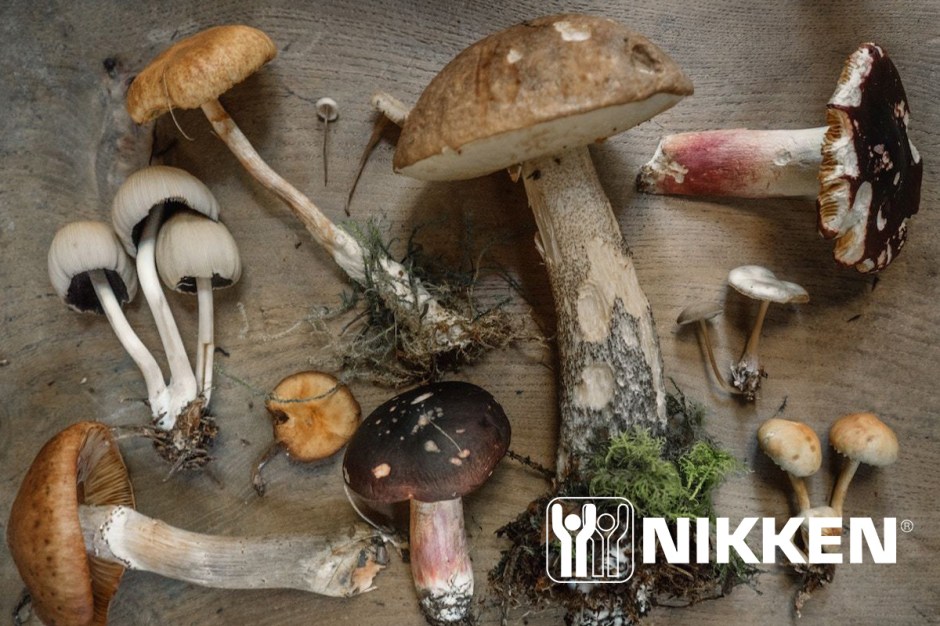
Mushrooms seem to be everywhere these days! The most common button mushrooms have always been abundant, but to procure specialty mushrooms, you used to have to go to the Asian markets.   Now, you can find a pretty wide assortment in supermarkets, grocery stores and farmer’s markets. The demand is great, so suppliers are happy to increase varieties and quantities.

The New York Times named the mushroom “the ingredient of the year” in 2022. If mushrooms started to take off a few years ago, a number of factors have kept them in the spotlight. The growing interest in foraging and wild foods, in which mushrooms feature prominently and the 2020’s lockdowns played a key role in prompting people to experiment with new ingredients in their home cooking. And, the growth in medical psilocybin research increased public interest in mushrooms.1

At the same time mushrooms have taken center stage, so has public interest in bolstering immunity—again, coinciding with the 2020’s lockdowns. Mushrooms have been consumed regularly in Asian cuisines for thousands of years and not just for their umami flavors but for their medicinal value. The ancients somehow knew what contemporary researchers have confirmed—certain mushrooms (designated medicinal) have been shown to help keep the immune system in balance. When there’s something to fight, the immune system is stimulated to act, known as “upregulation”; however, keeping it in balance requires it to “downregulate” when it becomes overactive.2

Cordyceps mycelium has long been recognized as an important medicinal mushroom in China. Its pharmaceutical properties were recorded in the book “Ben-Cao-Bei-Yao,” edited by Wang Ang in 1694. It is one of the mushrooms that researchers are devoting time to— Cordyceps shows promise in the areas of boosting exercise performance by helping to improve the way the body uses oxygen, supporting blood sugar levels within a healthy range, and helping fight physical irritations. It even shows promise in promoting heart health.3

Agaricus blazei is another medicinal mushroom that is receiving a lot of attention from researchers. Originally from Brazil and highly prized for its multiple benefits, including supporting the immune system and working as an antioxidant,4 the mushroom has been studied as a novel functional food in Japan, Korea, China and Taiwan.

Interested in adding mushrooms to your diet? There are lots of cookbooks that include mushrooms and if you’d like a supplement, Nikken has been offering Kenzen Immunity long before fungi became a hot topic!

1 https://www.theguardian.com/environment/2023/dec/02/mushroom-food-trend#:~:text=Mushrooms%20frequently%20top%20food%20trends,doubled%20in%20the%20same%20timeframe.

2 https://www.the-well.com/editorial/how-mushrooms-boost-immunity

3 https://www.healthline.com/nutrition/cordyceps-benefits

4 https://www.webmd.com/vitamins/ai/ingredientmono-1165/agaricus-mushroom

Giving and Receiving Requires Balance

Many of us were taught from an early age to be of service—parents teach children to help with tasks around the home, to walk the dog, babysit the younger ones, and so on. There might be an allowance earned, and in those cases, the child learns to receive a token for services rendered.

Each individual reacts differently to the many forms of giving and receiving. Young children have to be taught to give as receiving comes naturally to them when they are at the stage of being dependent for just about everything. As they grow older, the tables turn and they typically are reinforced with the importance of giving in the forms of helping, serving or gifting.

Giving is upheld as positive behavior, part of altruism and generosity; however, authentic giving does not expect anything in return. It comes from a place of abundance and joy, of having more than enough to share. Receiving takes a back seat and this may result in the learned behavior of too much giving. When there is a feeling of debt, the imbalance of not receiving enough occurs. That is why it is equally important to learn to receive with grace, gratitude and true acceptance—that is, to receive without guilt and the feeling of having to repay the giver.

One way to rectify an imbalance between giving and receiving is the concept of paying it forward. You can’t always reciprocate equally with someone who is able to give you more than you have, but there is bound to be a time when you can be the giver to someone who has less. You are simply contributing to the cycle of kindness and the spirit of sharing.

There is another aspect of gracious receiving that is often overlooked. Not being able to receive robs the giver of the pleasure you yourself receive when you are the one doing the giving! And, it makes the giver feel misunderstood and unappreciated. Gracious receiving is a way of allowing others to show how much they care and to experience your own self-worth.

Just as “it takes two to tango,” it takes two to give and receive. Creating a balance between the two requires conscious intention, but it’s well worth effort. If you don’t feel joyful when giving, it’s a sign you’re depleted and imbalanced. You can consciously give yourself self-care to replenish your own tank and do some receiving, which can take the form of asking and accepting help!

Think of giving and receiving in this way: it can be as simple as words of encouragement, such as “I know you can do it.” “I believe in you.” “Let me give you a hand with that.” The recipient graciously accepts with “thank you!” We can make balanced giving and receiving a part of our total wellness lifestyle!

‘Tis the season of gifting, and if you want to present the ones you care about with gifts inspired by nature, Nikken invites you to take a look at the 2023 Gift Guide. The special offers extend through the end of the year.

Get Ready for the Festive Season

What is important to you during the holiday season? Is it getting together with family? Is it about exchanging gifts? Are you more of a nurturer or a recipient? Before the holidays get under way, decide what is most meaningful to you to make the season special and less chaotic, especially if travel is involved. A lot depends on solid planning, so be sure to get a head start. Make lists. Create a budget and stick to it as much as possible. Shop early. Delegate when possible. If entertaining, stock up on essentials like toilet paper and napkins. Try to be prepared and if things don’t turn out exactly as you planned, just roll with it and enjoy yourself anyway!

The month of December appears to be the festive season for many cultures. Here are just a few of the special days that are celebrated:

• December 7 through December 15: Hanukkah is central to the Jewish Festival of Lights.

The menorah is lit to celebrate the Maccabees’ triumph over the Assyrian armies and the miracle of a single day’s oil lasting for eight nights. Gifts are exchanged and games are played.

• December 8: Bodhi Day commemorates the day Gautama Buddha attained enlightenment. It is a day Buddhists celebrate through meditation.

• December 12: The Feast Day of Our Lady of Guadalupe is celebrated by millions of pilgrims who visit the Basilica of Our Lady of Guadalupe. A festival marks the the sightings of the Virgin Mary.

• December 21 through January 1: Yule is the celebration of the winter solstice, the shortest or darkest day of the year. Yule marks the re-emergence of the sun and the days beginning to grow longer again. The Yule celebration originated in Scandinavia as a Norse festival.

• December 23: A relatively “new” holiday is Festivus. For those who are anti-commercialism and the materialism that comes with it, Festivus is a quieter anti-celebration of the season with like-minded friends and family members.

• December 25: Christmas commemorates the birth of Jesus Christ, but people of all types of faiths now celebrate Christmas as a time to exchange gifts and experience the fairy tale of Santa Claus.

• December 26 through January 1: Kwanzaa is a cultural holiday honoring African-American heritage. It focuses on unity, self-determination, collective responsibility, cooperative economics, purpose, creativity and faith. Its name comes from the Swahili phrase “matunda ya kwanza,” which translates to “first fruits.” 

Whatever you celebrate during the festive season, remember that everyone appreciates a gift from the heart. Nikken invites you to take a look at the 2023 Gift Guide with special offers that extend through the end of the year.

Source: https://time.com/6242283/december-global-holidays-christmas-hanukkah-yule/

How Do You Show Gratitude?

Cultural differences account for the many ways in how people show gratitude. Professor Jonathan Tudge of the University of North Carolina at Greensboro is considered an expert on the subject. He and his colleagues have published a series of studies showing how children develop a sense of gratitude in seven culturally diverse countries.

The children were aged seven to 14 and answered in three categories of gratitude: verbal  which is spoken, concrete which offers a token gift, and connective which is relational. Children in China and South Korean tended to favor connective gratitude. Those in the U.S. leaned toward concrete gratitude, and Guatemalan kids were partial to verbal gratitude.1 According to Professor Tudge, connective gratitude which cultivates the development of a relationship, goes beyond words or gifts of thanks. He calls it the most authentic form of gratitude.

Cultural values, parenting practices and education may each play a role. Autonomous (individualist) cultures such as that of North America, teach children to be more independent and self-directed. Heteronomous (collectivist) cultures such as that of Asia teach duty and obedience to elders as well as honoring others. This could account for why Americans tend toward verbal and concrete gratitude while Asians focus on connectivity and developing relationships rather than valuing individuality and separateness. Giving and receiving help is an expected part of daily life for members of collectivist cultures rather than an uplifting surprise for those from individualist cultures.2

Who you choose to show gratitude to also may depend on cultural influences. For example, Southeast Indians were more likely to show appreciation to people outside of their families—the type of people they might feel obligated to repay. This sense of indebtedness is found much less in autonomous cultures. On the opposite end of the spectrum, the Inuit do not require an expression of gratitude after receiving meat from a hunt.

According to Professor Tudge, gratitude is ultimately a skill that strengthens relationships and arises when we pay more attention to the gifts our connections bring us. He says that means thinking about gratitude less like a good feeling to boost happiness and more like paying it forward with kindness, making it a way of life and being a good human being.3

During this season of Thanksgiving, consider who you want to connect with more deeply. And if you want to show concrete gratitude, Nikken invites you to take a look at the 2023 Gift Guide with special offers that extend through the end of the year.

1,2, 3 https://greatergood.berkeley.edu/article/item/how_cultural_differences_shape_your_gratitude

Can you Help Prevent the Winter Cold and Flu?

Your lifestyle and immune system can make the difference between staying healthy or getting sick. Here are some tips for staying healthy during cold and flu season:

• Keep your hands clean by washing them often. Touching Infected surfaces is the most common way to pick up a virus, so use soap and water and wash for 20 seconds, minimum.

• Don’t touch your face. Apparently, children touch their faces an average of 16 times an hour!1 Rubbing eyes, scratching your nose, chewing on fingernails all help viruses get into the body.

• Keep surfaces clean in the house. Use disinfecting wipes to help reduce germs.

• Get enough sleep to help keep the immune system healthy and strong. Lack of sleep makes the body more susceptible to germs. Create an environment that helps you sleep “like a baby.”

• Eat nutritious foods to help strengthen the immune system. Boost intake of infection-fighting antioxidants—lots of colorful fruits and vegetables.

• Blanch your veggies. Viruses linger on produce, so boiling them for a couple of minutes kills them.

• Increase omega-3 intake to help spur production of infection-fighting cells. Eat fish. For those who avoid seafood, find vegetarian sources, such as flax seeds, for a daily dose of omegas 3, 6 and 9!

• Drink green tea. A catechin in green tea called EGCG is believed to damage flu virus particles and stop them from entering your system. German scientists believe this catechin may also interfere with pneumonia-causing bacteria.2

• Eat yogurt. A study published in “Clinical Nutrition” showed that people who consumed a strain of specific probiotics daily reduced their risk of catching a cold or flu by 27%.3

• Use ginger. Researchers in Taiwan discovered fresh ginger can inhibit respiratory viruses from attaching to cells and may reduce their ability to replicate.4 Make spicy tea or add ginger to a stir fry.

• Keep your nose warm—the cilia in your nasal and sinus cavities help sweep away pathogens, but move slowly when cold.

• Hum! According to an Indian study, humming can increase antimicrobial nitric oxide in the nose! Take a deep breath, close one nostril and exhale out the other nostril as you hum.5

• Do yoga. Japanese scientists contend that combining relaxation and physical activity triggers an increase in saliva levels of an antimicrobial peptide that breaks down invading microbes. A 90-minute yoga session doubled the peptide called beta-defensin 2.6

• Exercise. Physical activity helps you become less prone to colds and flu, as movement helps stimulate the white blood cells that fight infection.

• Decrease stress. Try targeted massage and acupressure to help roll away tension!

1 https://www.laurelpedsmd.com/blog/10-tips-to-help-prevent-winter-colds-and-flu#:~:text=Get%20and%20stay%20physical,blood%20cells%20that%20fight%20infection.

2, 3, 4, 5, 6 https://www.today.com/health/26-ways-avoid-getting-sick-winter-1d80290214

Do You Like Winter Weather?

There are lots of people who prefer cold to hot, and that includes their preferences for weather! Do you tend to think of vacations being time spent at the beach, in the balmy tropical weather, sunshine and swimming, or do you prefer holidays spent in the snow—skiing, snowboarding, sledding, making snowmen and having snowball fights?

Psychologists have looked into seasonal preferences to better understand the mood and behavioral changes that temperature and light variations have on people. Personal preferences seem to reveal specific personality traits. For example, your cognitive performance, your preference for certain colors and different types of music, and the kind of foods you tend to eat all vary over the course of the year.One study conducted in Belgium found that people had the hardest time keeping their focus in the summer and the easiest time doing so in the winter.1

The seasons also appear to influence how kind you are to others. For example, charitable contributions in countries with Christian traditions increase dramatically around Christmas. People in these societies are also more likely to tip their waiters generously during the holiday season. Aggressive behavior, from horn honking to violent crime tends to peak in the summer months in the Northern Hemisphere.2

Who likes winter? If you count the chilly months of winter as your favorite season, it might mean that you tend to be a bit of an introverted homebody.3 Does a warm sweater and curling up on the couch with hot cocoa on a cold night sound like your ideal afternoon? Here are some other types of people who enjoy winter:

•          Thermophobes. In Latin, therm means heat and phobe means fear.

•          Winter sport fans. As mentioned above, skiers, snowboarders, sledders, etc.

•          Those sensitive to the sun. If you sunburn easily and are always applying sunblock or searching for an appropriate sun hat, overcast or snowy winter days provide some relief.

•          Those sensitive to bug bites. One winter blessing is the decrease of mosquitoes and other “biting” insects.

Whether or not you’re a fan of winter, Nikken has the perfect products to make your cold weather days the coziest ever. From the Kenko Dream Comforter of your choice to the KenkoTherm support products, Nikken takes its lead from nature and weaves in ceramic reflective fibers to help keep you toasty. And, when you purchase a Kenko Naturest® Fit mattress topper now through year end, you receive a complimentary Kenko PowerSleep Mask!

1, 2 https://www.psychologytoday.com/us/blog/unserious-psychology/202306/how-the-seasons-affect-our-psychology

3 verywellmind.com/what-your-favorite-season-say-about-personality