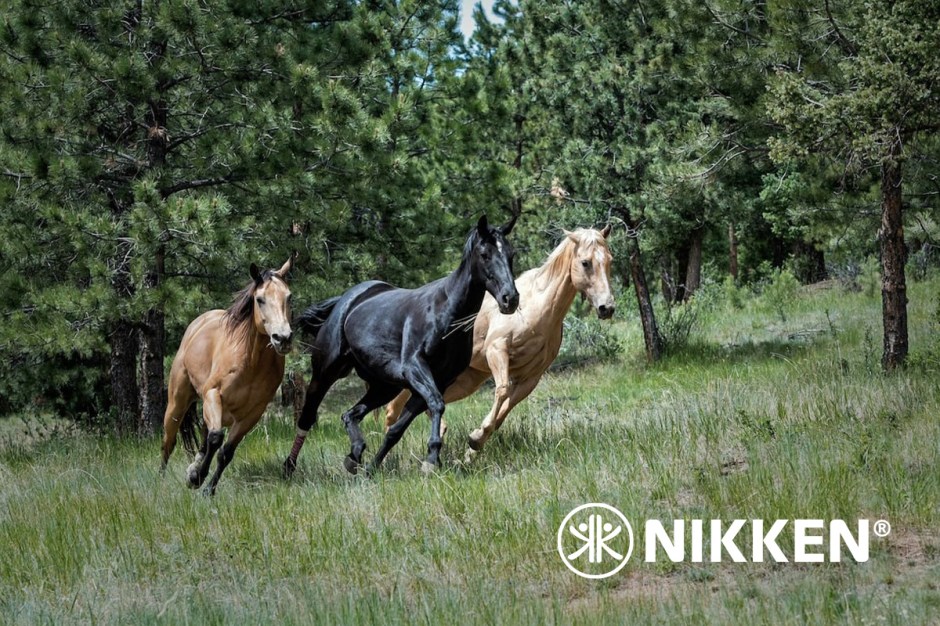
In 2026, the lunar new year begins on February 17. As we approach the upcoming Year of the Fire Horse, we are met with an energy that is bold, dynamic and transformative. In Eastern philosophy, the Horse symbolizes freedom, movement and perseverance, while the Fire element brings passion, vitality and purposeful action. Together, the Fire Horse represents a year to live fully, act courageously and align our daily choices with what truly energizes us—clarity of mind, strength of body and compassionate spirit.
The characteristics of the Fire Horse parallel the Nikken philosophy of empowered livingandfeeling good every day. The Fire Horse moves with intention and confidence. Empowered living begins in much the same way: by taking ownership of our well-being and recognizing that small, conscious choices made consistently and mindfully can create lasting vitality. Empowerment starts when we become active participants in our own wellness journey—through the proper nourishment and hydration of our bodies, combined with movement, restful sleep and stress management.
Fire energy also reminds us of the importance of inner vitality. The Fire Horse encourages us to rekindle our internal flame—our sense of purpose, enthusiasm and resilience. Feeling good every day isn’t about perfection; it’s about maintaining balance and having supportive systems that help us recharge and realign when life feels overwhelming.
The Horse is also associated with momentum and forward movement while the Fire element provides speed and momentum. This year challenges us to release what no longer serves us and move ahead with confidence. Empowered living means letting go of habits, environments or mindsets that drain our energy and replacing them with ones that support growth, harmony and joy. When our surroundings and routines parallel natural principles, we create a foundation that supports sustained well-being rather than temporary quick fixes.
Another important trait of the Fire Horse is independence balanced with connection. True empowerment doesn’t mean doing everything alone—it means having the right tools, resources and community to support the journey. Feeling good every day is amplified when we are connected to others who share similar values and intentions for health, vitality and conscious living.
Embrace the Year of the Fire Horse! Consciously choose to live with passion, intention and awareness. Trust your inner wisdom, take inspired action and prioritize practices that improve your quality of life. When you honor your natural rhythms and give your body the support it requires, empowered living becomes a daily experience.
May the Fire Horse light up your sense of purpose and guide you toward greater balance, vitality and joy—every single day. From the heart of Nikken, Happy Lunar New Year!

 Active Wellness Blog