The Natural Cycle of Renewal

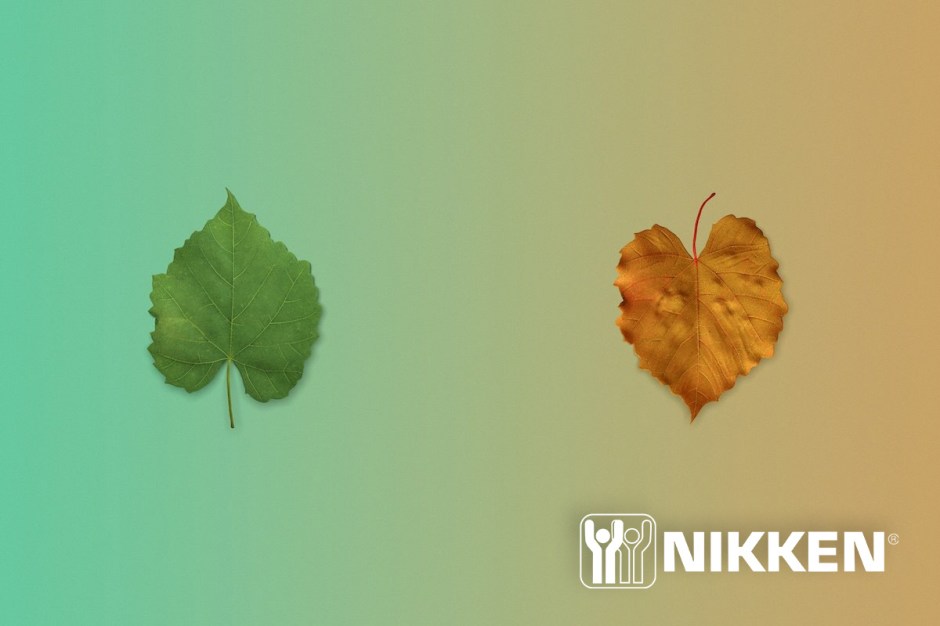
Nature follows cycles of renewal. In the spring, plants sprout, flowers bloom and you actually can smell growth in the air. In the summer, days are warmer and it’s time to harvest some of the most delicious fruits, vegetables and grains. Autumn signals the beginning of a natural withdrawal with colorful changes, and winter is nature’s time of rest to prepare for renewal once again.

If you take a look at a tree, you see the trunk, its branches and the leaves. What you don’t see are the roots, but the taller the tree, the firmer the roots. Apply this image to the human experience. Human lives follow a similar cycle of renewal. There are seasons of growth, not only physically but intellectually, culturally and in business. There are also seasons that are focused on reflection, quiet contemplation and rest.

Successful individuals appear healthy and strong, but the foundation they are built on is not visible but surely there. The roots of that invisible foundation are what allow the progression of personal development, perseverance and resilience. Regardless of which season you are in, the basics of rest, hydration, clean air and whole food nourishment are necessary components to complete a successful cycle of renewal.

Just as nature thrives in seasons, you can build your own cycles of growth, renewal and rest. Nature doesn’t rush through winter to reach spring; it patiently endures each season, drawing strength and renewal from every phase. In the same way, you can learn to respect your own seasons — both the highs that fill you with energy and the lows that call for quiet and rest. Growth isn’t about constant improvement; it’s about respecting the natural ebb and flow of life.1

To evaluate how to complete cycles of renewal in more productive ways, simply ask a few basic questions:  Are you getting enough restful sleep? Are you making sure your indoor air is clean rather than full of dust, dander and allergens? Are you eating nutrient-dense foods? Are you practicing some kind of movement every day? Movement does not have to be a specific exercise. It can be as simple as climbing stairs instead of using the elevator, parking the car a little further so you can get a walk in, taking the dog for a walk, mowing the lawn and so on. Are you making private time to nurture yourself instead of always serving others?

For the entire month of January 2026, Nikken is offering 20% off replacement filters! Air and water filters need to be renewed— just like nature and just like you!

1 https://medium.com/@neeraj.narayan/what-can-natures-seasons-teach-us-about-growth-and-renewal-e848f6caa952

How Important is Movement for Physical Well-Being?

Most of us acknowledge that staying mobile is a necessary part of an active and empowered lifestyle. But can movement also improve overall physical well-being? In reality, movement can help us feel good every day. And best of all, it doesn’t take a gym membership or strenuous exercise—small daily movements, as long as they’re done consistently, may increase mobility and contribute to overall health.

Here’s how movement can positively impact six crucial parts of the body:

•          Muscles: More than 600 muscles in the body make up 40% of the human body’s weight. Movement helps strengthen those muscles, which help the body to maintain stability, balance and coordination.1

•          Bones: Movement helps build more durable, denser bones. Whether you choose resistance training, jogging, walking, hiking or balance training, such as Pilates and yoga, movement supports bone density.2 Movement and exercise may offer protection against osteoporosis and age-related loss of muscle mass, strength, and function, also known as sarcopenia. Improved physical function can reduce the risk of falls and likelihood of serious injury if there is a fall.3

•          Joints: Flexibility and range-of-motion are important to keep the joints functioning smoothly. Stretching and being mindful of posture and how daily tasks are performed can help increase coordination and balance.

•          Brain: Researchers have made the connection between brain power and movement. As some people age and lose mobility, their cognitive functions deteriorate as well. Daily movement helps rejuvenate the structures within the brain that are linked to cognition. In rehab facilities, even those who are wheelchair bound are provided ways to “cycle” their arms, because movement is not limited to the legs!

•          Heart: Keep the heart pumping at optimal levels by moving every day. It used to be called aerobics and now it’s cardio. Increasing your heartrate through any form of cardiovascular activity done daily can help lower blood pressure, boost levels of good cholesterol and improve blood flow (circulation).4

•          Lungs: To breathe is to live, so keeping the lungs healthy is critical to physical well-being. Movement helps the lungs to improve cardiorespiratory endurance. Walking at a brisk pace is an easy way to help the lungs. And, mindfully inhaling and exhaling deeply is a small but healthy movement in and of itself!

Movement can help you feel better, look better and live better—it’s a natural way to lift your mood and spirits, to sleep better and to connect with nature and the people around you!

1, 2 https://medschool.cuanschutz.edu/fitness/blog/blogs-just-move–the-six-benefits-of-everyday-movement

3 https://www.nia.nih.gov/health/exercise-and-physical-activity/health-benefits-exercise-and-physical-activity

4 https://www.heart.org/en/healthy-living/fitness/fitness-basics/why-is-physical-activity-so-important-for-health-and-wellbeing