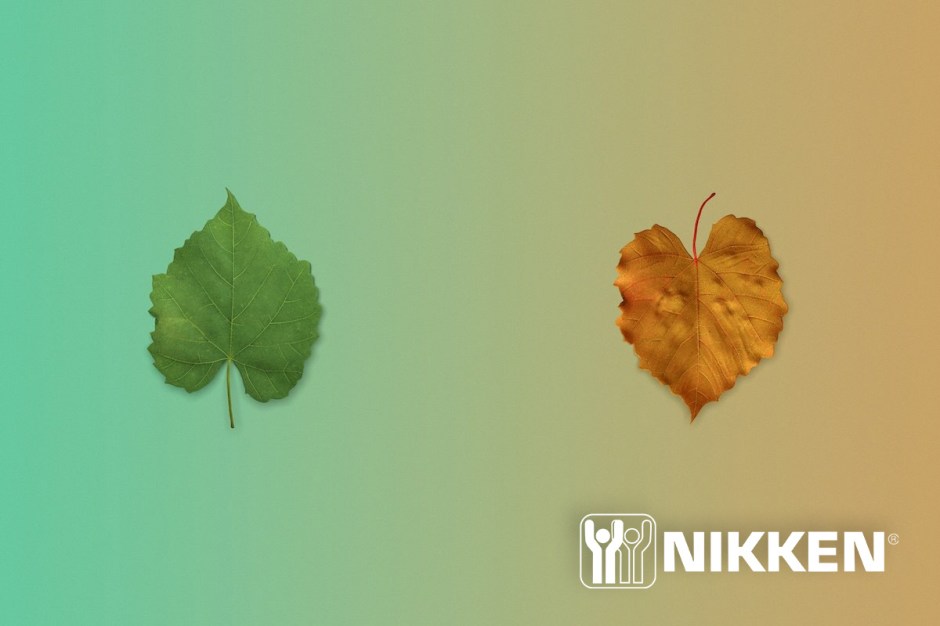
The Natural Cycle of Renewal

Nature follows cycles of renewal. In the spring, plants sprout, flowers bloom and you actually can smell growth in the air. In the summer, days are warmer and it’s time to harvest some of the most delicious fruits, vegetables and grains. Autumn signals the beginning of a natural withdrawal with colorful changes, and winter is nature’s time of rest to prepare for renewal once again.

If you take a look at a tree, you see the trunk, its branches and the leaves. What you don’t see are the roots, but the taller the tree, the firmer the roots. Apply this image to the human experience. Human lives follow a similar cycle of renewal. There are seasons of growth, not only physically but intellectually, culturally and in business. There are also seasons that are focused on reflection, quiet contemplation and rest.

Successful individuals appear healthy and strong, but the foundation they are built on is not visible but surely there. The roots of that invisible foundation are what allow the progression of personal development, perseverance and resilience. Regardless of which season you are in, the basics of rest, hydration, clean air and whole food nourishment are necessary components to complete a successful cycle of renewal.

Just as nature thrives in seasons, you can build your own cycles of growth, renewal and rest. Nature doesn’t rush through winter to reach spring; it patiently endures each season, drawing strength and renewal from every phase. In the same way, you can learn to respect your own seasons — both the highs that fill you with energy and the lows that call for quiet and rest. Growth isn’t about constant improvement; it’s about respecting the natural ebb and flow of life.1

To evaluate how to complete cycles of renewal in more productive ways, simply ask a few basic questions:  Are you getting enough restful sleep? Are you making sure your indoor air is clean rather than full of dust, dander and allergens? Are you eating nutrient-dense foods? Are you practicing some kind of movement every day? Movement does not have to be a specific exercise. It can be as simple as climbing stairs instead of using the elevator, parking the car a little further so you can get a walk in, taking the dog for a walk, mowing the lawn and so on. Are you making private time to nurture yourself instead of always serving others?

For the entire month of January 2026, Nikken is offering 20% off replacement filters! Air and water filters need to be renewed— just like nature and just like you!

1 https://medium.com/@neeraj.narayan/what-can-natures-seasons-teach-us-about-growth-and-renewal-e848f6caa952

Daily Habits Can Influence Overall Mental Well-Being

Many factors play a part in mental health, some of which we can’t control, such as genetics, life experiences, and family history. Nonetheless, there are many things we can consciously do every day to create overall well-being.

What we think about and how we we approach our thoughts can impact everything in our lives. Our ability to handle the twists and turns of life affect our mental health, and building good habits can make a difference. Common sense dictates many of these positive behaviors, but staying consistent is both the key and the challenge to making them work.

Sleep is necessary to maintain good physical health, but it also is crucial for mental health. One study from 2021 included 273,695 adults in the United States. The researchers found that people who averaged six hours of sleep or less per night were about 2.5 times more likely to report frequent mental distress than those who averaged more than six hours of sleep.1 The researchers also found that the quality of sleep matters, as disrupted sleep can add to mental health issues. So, maintain a consistent sleep schedule by going to bed and getting up at the same time daily and reap the benefits.

Another area that impacts mental health is “keeping up with the Joneses.” No matter how well you are doing, there will always be others doing better. This constant comparison with others can produce feelings of inadequacy. The advent of social media has multiplied these comparisons a hundred-fold, and psychologists report that feelings of low self-worth are an inevitable byproduct of constantly consuming information about other people’s lives. The solution is to cut back on social media. Stop scrolling on the phone, day and night, keep your phone out of reach during sleep hours, turn off notifications and only keep social apps that are absolutely necessary.2 Hit delete, delete, delete.

Staying out of the business of people we don’t know can be a relief, but staying in touch with people we do know, can be truly transformative. In other words, friends and family deserve attention and even when the effort to strengthen these relationships can be taxing, they’re worth it. These are the people who ultimately lend meaning to our lives. Instead of keeping up with the latest gossip about so-and-so, why not take the time to call mom, son, cousin, old friend, new friend, etc.? Better yet, make it a point to catch up by actually meeting for walks, tea, or a laugh-together session!

Exercise isn’t a magic bullet for physical and mental health, but it comes close. Next time you’re feeling down, go outside and move around. Walk, jog, stretch, do some head rolls—it doesn’t matter what you do as long as you do it regularly. For mental well-being, it doesn’t have to be vigorous or strenuous. In fact, it should be whatever you are comfortable with, even if it’s chair exercises. Again, be consistent—start slowly and build up stamina.

What we eat and drink also affects our state of mind. Certain foods are known as “mood-boosters.” These include berries, bananas, salmon, beans, salmon and whole grains. Staying hydrated by drinking water throughout the day can be beneficial. According to nutritionists, dehydration denies the brain and body the nutrients required to operate at optimal levels. Certain foods and drinks, including alcohol, caffeinated beverages, refined carbs and foods with added sugars, may actually increase anxiety. A nutrient-dense diet is something to stay on for a lifetime, so developing good eating habits is essential for healthy longevity.

Good habits take time to create, so start gradually and empower yourself. May is mental health awareness month, the perfect time to start or add to your daily regimen of empowered living! Develop one good habit at a time, and build on it. You may be surprised how much better you feel both mentally and physically!

1, 2 https://www.healthline.com/health/mental-health/habits-to-improve-mental-health