Are you earning money with Nikken?

If you are a Nikken Independent Consultant, you have the potential to earn money. Whether you’re working your Nikken business part time or full time, you have the ability to generate income.

The formula for earning is simple. The more products you sell, the higher your sales volume and the more you earn. Unlike many other network marketing companies, with Nikken you’re not expected to personally purchase products in order to earn money. Our business model encourages you to sell at least 500 points worth of product to customers every month, develop at least three frontline entrepreneurs who do the same and duplicate the process. As your organization’s sales volume increases, you will naturally advance in rank and gain even more financial benefits.

When starting out, it’s not necessary to think about rank advancement if you stick to the simple formula. Sell at retail. Sell a lot. It’s not often that a company lowers prices substantially and Nikken did just that a couple of years ago to help Consultants move lots of product and earn retail profits.

The Nutrition, Personal Care and Magnetic Support products have the lowest prices so new prospects will be able to try Nikken quality for a small expenditure. They’re what are known as “door openers” by our industry. Once people experience their superb benefits, they‘ll naturally be interested in other products, as long as you do your job and follow up.

To make sure your monthly sales stay consistent and grow, get your Registered Customers to go on Autoship. That way they won’t run out of product, will receive a substantial price discount and are guaranteed a certain amount of sales every month. Each Registered Customer you have on Autoship just adds to your monthly volume. You can also think of Autoship as the easiest way to retain your customers. Again, you personally are not required to spend money on purchases.

As you continue to build a strong customer base, you should also be sponsoring people who want to earn an income instead of just consuming products. You should start them off right by explaining the merits of selling as many products at retail as possible and retaining their own customers by placing them on Autoship. Even if your sponsor or upline leader hasn’t taught you these easy ways to earn right away, you can start putting this formula into practice and teaching it to your new team members.

This may sound like facile training, but the truth of the matter is that keeping it simple is what makes it work. Think of it this way: You’re giving people a deal that shouldn’t be passed up—great products that help create Active Wellness and a more balanced lifestyle.

 

Nature’s Own Liver Supporter

The U.S. National Library of Medicine and the National Institutes of Health (NIH) have catalogued more than 400 scientific studies of Milk Thistle and its active compounds in their database. Milk Thistle is widely thought to be one of the most beneficial herbal remedies used globally.

Used for more than 2,000 years to support the liver naturally, Milk Thistle gets its name from the white fluid that comes from the plant’s leaves when they’re crushed. Over the past 40 years, intensive chemical, pharmacological and clinical research has confirmed the therapeutic value of Milk Thistle in a wide range of liver-related as well as non-liver-related conditions.

  • The active component in Milk Thistle is known as Silymarin, a flavonoid that is both an anti-inflammatory and an antioxidant, which may help decrease oxidative stress.* According to Web MD, Silymarin is sometimes used as a natural restorative for liver and gall bladder issues.
  • Milk Thistle is known to help protect the liver from toxins, including the effects of alcohol. In the EU, Milk Thistle is sometimes prescribed as medication.
  • The American Botanical Council published a study on August 16, 2004 showing that Milk Thistle exhibited promise for “stimulating cell regeneration in the kidneys.” Milk Thistle’s effect on kidney health is believed to “closely mirror the herb’s effects on the liver.”
  • The same study showed that Milk Thistle “appears to raise levels of beneficial HDL cholesterol and may also help reduce blood pressure.”
  • The renowned Mayo Clinic has published insights on Milk Thistle, including findings that show the herb “may improve blood sugar control.”
  • Milk Thistle even “appears to have neuroprotective properties.”1

Take a look at the label of Kenzen® Cleanse & Detox. The botanical you see is the Milk Thistle plant. It is an important ingredient of the Proprietary Synergistic Cleanse & Detox Complex.

*This statement has not been evaluated by the Food and Drug Administration. This product is not intended to diagnose, treat, cure or prevent any disease.

1          Biosci Biotechnol Biochem. 2010;74(11):2299-306.


How does Chicory Root help Cleanse & Detox?

Our bodies simply do not function at 100 percent when it comes to absorbing good nutrients and expelling toxic or nontoxic waste. Retention of toxins can make us sick in various ways. Fatigue, headaches, indigestion, constipation, insomnia and “mystery” discomforts can all be attributed to toxins doing their evil work in our bodies. Even mental conditions such as depression, anxiety and an inability to focus may result from toxins trapped in the body. They can reside in the liver, kidneys, colon, lungs, skin and the entire lymphatic system.cleanse ans detox picture

Image courtesy of lifehack.org

No wonder many people go overboard with colon cleanses to detoxify and end up with even more problems. According to the Mayo Clinic, “Colon cleansing can sometimes be harmful. In fact, coffee enemas sometimes used in colon cleansing have been linked to several deaths. Colon cleansing can also cause less serious side effects, such as cramping, bloating, nausea and vomiting. Other concerns with colon cleansing are that it can increase your risk of dehydration, lead to bowel perforations, increase the risk of infection and cause changes in your electrolytes, which can be dangerous if you have kidney, heart disease or other health problems.”

A gentler and far more comfortable way to help the body cleanse and detoxify is to take an organic nutritional supplement, especially one that targets the liver, the organ that is key to the elimination of bodily wastes. Kenzen® Cleanse & Detox is a NikkenWellness proprietary blend with roasted organic Chicory Root as one key ingredient. Roasted organic Chicory Root helps support the breakdown of fats by increasing the flow of bile through the liver.* Chicory Root is high in antioxidant compounds, contains a soluble fiber that helps feed digestive flora in the intestines and is a mild laxative.*

Herbalists use Chicory Root as a natural protector of the liver. The ability of Chicory Root extract to protect against chemical-induced free radicals and possible toxicity to the liver was reviewed in a 2015 medical review. Subjects were divided into four groups, according to treatment type, levels of damage and antioxidants reviewed during the process. Pretreatment with Chicory Root extract significantly reduced oxidative stress and prevented cell damage, ultimately improving liver conditions due to toxicity.1

Chicory Root is also a natural prebiotic, which promotes gut health. Inulin is the substance found in Chicory Root that is considered a prebiotic fiber, because it is easily fermented and helps to promote the growth of probiotics in the digestive system. Pre- and probiotics work best in tandem.

The inulin in Chicory Root also helps to relieve constipation. The impact of daily consumption of 15 grams of chicory on elderly constipated volunteers was examined in a double-blind, placebo-controlled study over 28 days. Volunteers in the inulin group reported increased satisfaction with digestion and decreased constipation.2

We’ll be taking a look at other key ingredients in the Kenzen® Cleanse & Detox formulation in the next few weeks.

*These statements have not been evaluated by the Food and Drug Administration. This product is not intended to diagnose, treat, cure or prevent any disease.

  1. PLoS One. 2015 Mar 25;10(3):e0121549. doi: 10.1371/journal.pone.0121549. eCollection 2015.
  2. Int J Food Sci Nutr. 2011 Mar;62(2):164-70. doi: 10.3109/09637486.2010.527323. Epub 2010 Nov 23.

What’s Real and What’s Not

We live in a world of blurred lines—between real and faux, natural and artificial, original and altered—and genetically modified organisms (GMOs). Whether we choose to or not, chances are high that we’ve all ingested GMOs at some time.

The World Health Organization (WHO) defines genetically modified organisms (GMOs) as plants, animals or microorganisms with genetic material that has been altered in ways that are not natural (such as mating or natural recombination). The technology used in genetic modification is known as “modern biotechnology “ or “gene technology” and sometimes as “recombinant DNA technology” or “genetic engineering.”

The WHO cites that “one of the objectives for developing plants based on GMOs is to improve crop protection. The GM crops currently on the market are mainly aimed at an increased level of crop protection through the introduction of resistance against plant diseases caused by insects or viruses or through increased tolerance towards herbicides.”

GM foods also were developed to create food with greater nutritional value and durability as well as a lower price, thus enabling the world to feed the starving masses.

Unfortunately, this ideal has not become reality. There is some understanding of the purpose for creating GMOs but worries still run high, especially among consumers who conscientiously make healthy food choices when grocery shopping.

The three main issues concerning GMOs and human health are allergic reactions, gene transfer and outcrossing. Some questions remain unanswered.

  • What happens when genes from allergenic organisms are transferred to non-allergenic ones? According to the WHO, no known allergic reactions have been seen. Does that mean there will not be allergic reactions in the future?
  • What if the transferred genetic material adversely affects human health? What if antibiotic resistant genes, used as markers when creating GMOs were transferred? The probability of transfer is low, according to the WHO.
  • Outcrossing is the migration of genes from GM plants into conventional crops or related species in the wild. What are the direct and indirect effects on food safety? Cases have been reported where GM crops approved for animal feed or industrial use were detected at low levels in the products intended for human consumption.

Opponents of GM crops argue that sustainable agriculture and biodiversity benefit most from the use of a rich variety of crops. They fear that as a result of the interest of the chemical industry in seed markets, the strains used by farmers may be reduced mainly to GM crops. For example, with the development of crops that are resistant against insect pests and tolerant of certain herbicides, the exclusive use of herbicide-tolerant GM crops would make the farmer dependent on these chemicals, placing the control of agricultural development in the virtual hands of the chemical industry.

If you practice Active Wellness and want to stay away from GMOs, eat only fresh, whole, unprocessed foods marked “certified organic” or “USDA organic” and only consume organic nutritional supplements. There are no blurred lines with NikkenWellness products.

Go Mediterranean for Good Nutrition and Health

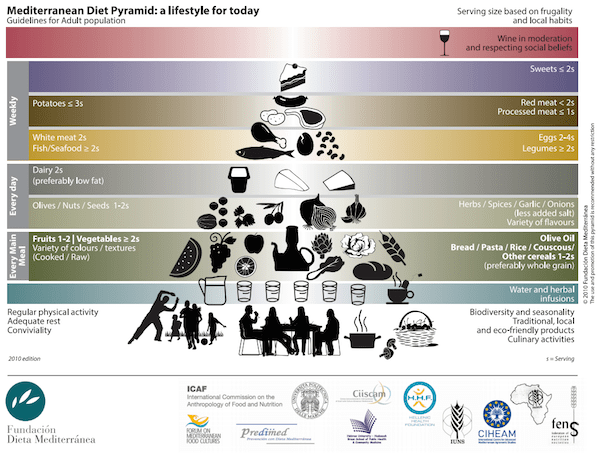
March is National Nutrition Month®, a nutrition education and information campaign created by the Academy of Nutrition and Dietetics to remind people to return to the basics of healthy eating. Although the right diet depends on each individual’s personal needs and state of health, the Mediterranean diet is one that is often recommended.

Eating Mediterranean style is actually easy and best of all, delicious. Here are 10 basics:

  1. Eat lots of fruits, vegetables, legumes and nuts. Fruits and vegetables contain vitamins, minerals and fiber. They have a lot of water content and help to provide a feeling of fullness. Preferably, eat locally grown fruits and vegetables that retain the highest nutrient content.
  2. Choose olive oil as your main source of added fat. It’s rich in vitamin E, beta-carotenes and monounsaturated fat.
  3. Incorporate healthful grains into your everyday diet. Carbohydrates have gotten a lot of bad press, but in the Mediterranean diet, moderate consumption of whole grains are a source of energy for a life of Active Wellness.
  4. Consume moderate amounts of dairy products, especially fermented ones such as yogurt, as it is known to contain live micro-organisms that can help improve the balance of good gut bacteria.
  5. Be sure to incorporate fish into your meal plans. Eat it at least once or twice a week. Cold water fish are known to contain omega fatty acids, beneficial for heart health.
  6. Eat eggs. They’re perfect alternatives to meat, high in quality proteins and fat. Once given a bad rap, eggs are now considered a complete food.
  7. Replace baked goods and other desserts with added sugar with fresh fruit. Eating fruit, such as dates, for dessert is common not only with Mediterranean cultures but also in Asian and African traditions.
  8. More than any other beverages, drink water. Water truly sustains healthy living. The Mediterranean diet also incorporates red wine as a healthful beverage, but only in moderation. Nutritionists recommend limiting consumption to no more than one portion daily for women and two for men.
  9. Eat red meat in moderation. If possible, use meat in combination with vegetables, such as in stews. Choose lean meats for their protein content and iron.
  10. Don’t eat processed foods. Processing removes valuable nutrients and enzymes, so you end up with empty calories.

With NikkenWellness organic nutritional supplements to fill in dietary gaps, it’s even easier to get back to the basics of healthy eating!

Sources: dietamediterranea.com, eatright.org

Stevia by any other name would taste as sweet

On our Active Wellness blog, we’ve discussed the harmful effects of sugar consumption. We’ve also shown the hard-to-access monk fruit as a wonderful zero-calorie sweetener. But what can we use as a sweetener that doesn’t have harmful effects and is easily available?

Given the dual epidemics of diabetes and obesity, it’s a good thing that there’s a natural sweetener that has shown virtually no side effects with long-term usage. Unlike artificial sweeteners, stevia has the benefit of zero calories but doesn’t produce adverse effects.

The raw leaves of the stevia plant can be 20 to 40 times sweeter than cane sugar, while the powdered derivative is 200 to 300 times sweeter! What this means is that a little bit of stevia goes a long way. For example, a single teaspoon of stevia extract may have the same sweetening ability as an entire cup of sugar. This ratio varies between brands.

The active compounds of stevia are steviol glycodes (mainly stevioside and rebaudioside). Studies have shown that stevia seems to help in balancing blood sugar levels. Usage of stevia by diabetics has shown significant results. In one of the studies, type 2 diabetic patients took either one gram of stevioside with a meal or one gram of maize starch. The group taking stevioside had a reduction in blood sugar by about 18 percent. 1

Does stevia taste as good as sugar when added to beverages and food? It depends: Some are more concentrated, some contain filler, some have artificial flavoring and some are extremely diluted. Some stevia extracts may also leave a bitter after-taste. And, because stevia is so intensely sweet, it’s important to use it sparingly when replacing the sugar that is generally called for in baking. It may take a bit of trial and error before you decide on the form (liquid or powder), the substitution ratio (sugar vs. stevia) and your preferred brand.

Kenzen Ten4® Energy Drink Mix uses high quality stevia extract from organic stevia leaves as a sweetener, in addition to the mild sweet taste of the organic brown rice solids. Drink to your health!

  1. Soren Gregersen, Per B Jeppesen, Jens J Holst, Kjeld Hermansen, Antihyperglycemic effects of stevioside in type 2 diabetic subjects, Metabolism Clinical and Experimental Jan 2004 Vol 53, Issue 1, Pages 73-76.

Mushrooms that Feed the Brain

In Asia, the Lion’s Mane Mushroom is said to give you “nerves of steel and the memory of a lion.” It’s been used by Chinese herbalists for centuries as a general restorative but also has been recognized as positively affecting brain function.

Besides being called Lion’s Mane Mushroom, Hericium erinaceus is known by various other names: bearded tooth fungus, bearded hedgehog, bearded tooth mushroom, “smart mushroom” and in Japan, yamabushitake. The “smart” aspect of the Lion’s Mane Mushroom is the focal point of western researchers, and evidence now exists that this species encompasses characteristics that help improve cognitive function, including memory, attention and creativity.1

In one of the few human studies to date, older adults with mild cognitive impairment were given 250 mg powdered Lion’s Mane Mushroom thrice daily for 16 weeks. Compared with another group that received a placebo, the group taking Lion’s Mane Mushroom scored significantly higher on the cognitive function scale, with no adverse effects. 2

Two unique compounds found in Lion’s Mane Mushroom enable it to nourish the brain. These compounds, hericenones and erinacines, are known as powerful Nerve Growth Factor (NGF) inducers. NGF is a protein that is important in the maintenance, survival and regeneration of neurons in the central and peripheral nervous systems—the compounds are able to cross the blood-brain barrier to stimulate production of neurons.3

Ongoing research continues to confirm the potency and potential of Lion’s Mane Mushroom as a brain and cognition enhancer, and therefore a valuable nutritional supplement, especially as life spans continue to lengthen. Organic Lion’s Mane Mushroom is the first ingredient in the Organic Fermented Brain Support Blend in Kenzen® Clarity, formulated so that your mind stays as nimble as your body in the pursuit of Active Wellness and healthy longevity.

  1. https://www.braintropic.com/nootropics/lions-mane-mushroom/
  2. Koichiro Mori, Satoshi Inatomi, Kenzi Ouchi, Yoshihito Azumi, Takashi Tuchida, Improving effects of the mushroom Yamabushitake (hericium ernaceus) on mild cognitive impairment: a double-blind placebo-controlled clinical trial. Phytother Res.2009 Mar;23(3): 367-72.
  3. Koichiro Mori, Yutaro Obara, Misturu Hirota, Yoshihito Azumi, Satomi Kinugasa, Satoshi Inatomi, Norimichi Nakahata, Nerve growth factor-inducing activity of Hericium erinaceus in 1321N1 human astrocytoma cells, Colorectal Dis. 2007 Jul;9(6):549-52.

Mushrooms may help us lose weight and much more…

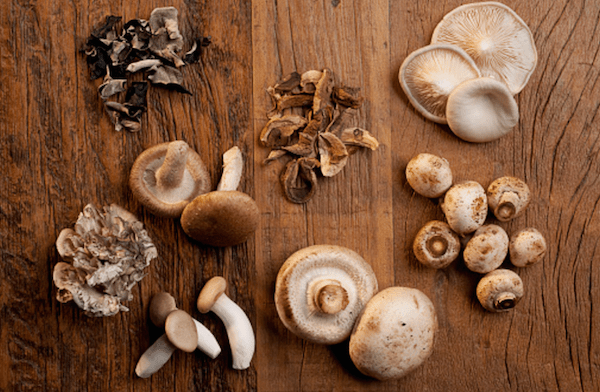
Mushrooms are a nutrient-dense food that are low-calorie, and when cooked or grilled, take on the consistency of some meat. Studies find that substituting mushrooms for meat may help us lose weight. Eating mushrooms as part of a meal several times a week is linked to a healthy body weight, reduced waist circumference and better overall health.1

But mushrooms provide far more benefits than just promoting weight loss. Mushrooms have been part of the Asian herbal tradition for thousands of years—practitioners of Chinese medicine have used a variety of mushrooms to prevent and address a host of physical and mental conditions. Much research has been conducted in the past decades.

Since there are an estimated 14,000 different species of mushrooms or “macrofungus,” research indicates that scientists may only know about 10 percent of them. They differ in benefits and nutrient count, but they’re mostly low in carbs, fat, sodium and sugar, and high in antioxidants, B vitamins, copper and selenium. Mushrooms are 90 percent water and therefore low in calories.

Scientists and health practitioners have taken a particular interest in the anti-inflammatory and immune-boosting traits of certain species of mushrooms.

The global appetite for herbal alternatives to chemical drugs has grown by leaps and bounds—annual sales of these products account for a big chunk of the wider market for nutritional supplements that is valued at $50 billion and seems impervious to the economic instability that has affected other business sectors. 2

Lab studies have shown various immune-enhancing and anti-aging effects with the Reishi, Shiitake, Cordyceps, Maitake and Oyster mushrooms.4 In addition to these five species, Kenzen® Immunity contains nine others. In fact Kenzen® Immunity contains six strains exclusive to Nikken, developed for the highest concentration of beneficial compounds. It would be virtually impossible to include such a high variety of mushrooms in a regular diet, so Nikken has formulated this superior nutritional supplement in order to provide a wide-spectrum range of natural biochemicals that support Active Wellness.

  1. http://healthsomeness.com/mushrooms-fattening-weight-loss
  2. A Global Look at Supplements on the Rise, 10 March 2014 http://www.nutringredients.com
  3. http://www.ncbi.nlm.nih.gov/pmc/articles
  4. https://thewholejourney.com/5-mushrooms-that-boost-immunity-and-fight- cancer/

When do you eat your biggest meal of the day?

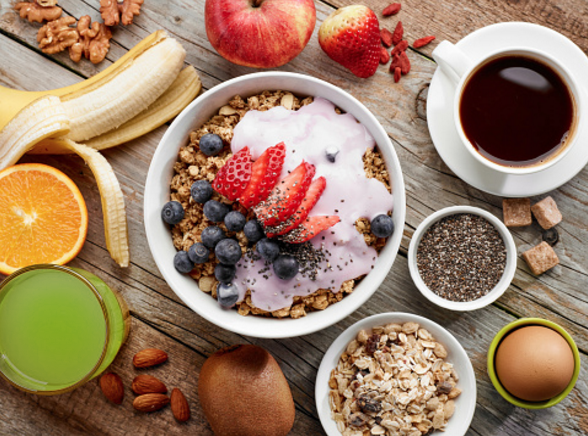
In North America, there’s a good chance you eat your biggest meal at dinner. This habit is based on tradition where the family convenes after school and work to enjoy a hearty meal together. Unfortunately, this is not the healthiest way to eat. Here’s why. 

Katherine Tallmade, Registered Dietician and author of Diet Simple: 195 Mental Tricks, Substitutions, Habits & Inspirations, comments that “more and more research is confirming the importance of eating lighter at night and heavier during the day — for health, not just weight.”1 She goes on to explain that various studies have shown that even when the same number of calories are consumed, weight loss (or gain) may vary according to the time food is eaten. When more food is eaten during breakfast or lunch rather than at dinner, more weight is lost or a healthy weight is maintained.

Ms. Tallmade’s opinion is congruent with studies being presented by researchers in the field of nutrition as well as weight management/obesity. For example, a study published in the American Journal of Clinical Nutrition contends that a body at rest overnight doesn’t need as many calories. Therefore, eating a big meal in the evening will result in fat storage. The researchers recommend eating a big breakfast and a medium lunch when a person is most active during the day so calories eaten will be used for energy. They also found that eating a substantial breakfast helped minimize impulsive snacking, helping to sustain a weight reduction program.2

John De Castro, psychology professor and researcher of eating habits, suggests that “intake in the morning of low-density foods is satiating and can reduce the amount ingested over the rest of the day to such an extent that the total amount ingested for the day is less overall. It appears that people who eat at least two thirds of their calories before dinner will consume less calories for the whole day than people who eat the majority of their calories at night.” 3

At Nikken, we help you embrace Active Wellness with organic nutritional supplements that enable you to stay on a healthy eating regimen over the long term. Isn’t your health worth it?

  1. http://katherinetallmadge.com
  2. Schlundt DG, Hill JO, Sbrocco JP, et al. The role of breakfast in the treatment of obesity: a randomized clinical trial. Am J Clin Nutr. 1992;55(3):645-651.
  3. De Castro JM. The time of day of food intake influences overall intake in humans. J Nutr. 2004;134(1):104-111.


The Healthiest Natural Sweetener

With obesity at an all-time high, finding healthier alternatives to sugar has become an increasingly important priority for many people. The main concern is that sugar substitutes and artificial sweeteners tend to be filled with harmful chemicals and ingredients, and some still contain calories.

According to famed nutritionist and chiropractor Dr. Josh Axe, “Monk fruit has been celebrated as a revolutionary way to sweeten foods and drinks without the harmful effects of traditional sugar and sugar substitutes.” 1

Here’s why: Monk fruit contains powerful antioxidants called mogrosides, which are metabolized differently by the body than natural sugars. In effect, monk fruit extract provides the sweet taste people crave but none of the typical side effects. That means no spike in blood sugar levels and therefore, no crash. For this reason, monk fruit is considered a zero-calorie fruit. This unusual characteristic makes monk fruit an ideal sugar replacement, especially since its compounds, when extracted, are 300 to 400 times sweeter than cane sugar. It’s practically a no-brainer that using monk fruit as a sweetener can help those already suffering from obesity and/or diabetes.

So why isn’t this healthy natural sweetener more commonly used in weight-management and diabetic-friendly products? Extraction of mogrosides is complicated, making it an expensive ingredient. In addition, monk fruit spoils very quickly after harvesting and is grown primarily in southern China. You won’t find it in supermarkets any time soon; however, you can find dried monk fruit for purchase in ethnic markets. The western world only discovered monk fruit in the 20th century, and it has only been in the last 20 years that major international attention has been drawn to it.

Where you will find monk fruit as a main ingredient is in the newly formulated Kenzen Vital Balance® Meal Replacement Mix in both vanilla and chocolate flavors. Nikken remains a pioneer in the industry and dedicated to using only the healthiest ingredients in our nutritional supplements designed for Active Wellness.

1          https://draxe.com/monk-fruit/