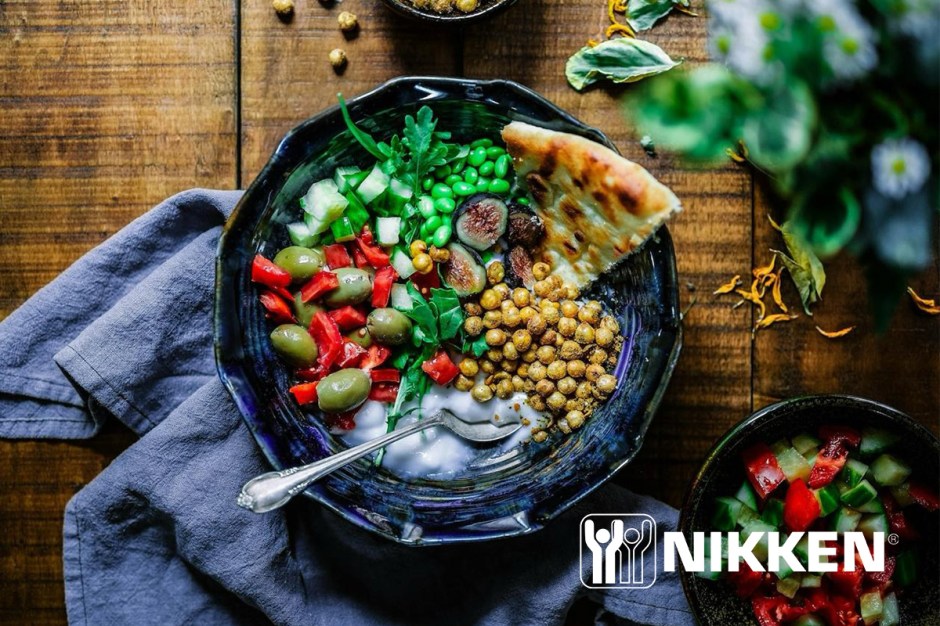
How Much Protein, Carbs and Fiber Do You Need?

What you eat and how much of it you need depends on your caloric requirements. The number of calories that you need each day day will depend on your age, weight, height, activity level, and health goals. Carbohydrate and protein each contribute four calories per gram, while fat contributes nine calories per gram. Soluble fiber only contributes two calories per gram and insoluble fiber contributes zero calories because it passes through without being absorbed, which is one way that fiber keeps the body regular.

The minimum calorie count recommended for adults is 1,800 calories per day for sedentary women and 2,400 calories per day for sedentary men, based on the U.S. Department of Health and Human Services and U.S. Department of Agriculture 2020–2025 Dietary Guidelines for Americans. Ninth Edition.Only children and youth can eat lower calorie counts and still satisfy their nutritional needs. There is no single diet that works for everyone. There are, however, a few general ranges.

The USDA’s Dietary Guidelines for Americans provide percent ranges for each macronutrient in the Healthy U.S.-style Pattern. For adults, the organization recommends consuming 10% to 35% of calories from protein, 45% to 65% from carbohydrates, and 20% to 35% from fat.  The guidelines also suggest consuming less than 10% of total calories from saturated fat.1

Those following a healthy vegetarian eating plan should meet the same nutrient and Dietary Guidelines standards as in the Healthy U.S.-style Pattern, so macronutrient ranges are the same. The difference between the two eating styles is the foods chosen within each food group. Someone on a vegetarian diet should try to consume 55% carbohydrate, 14% protein, and 34% fat with 3.5-ounce equivalents of protein foods, including legumes, soy products, eggs, nuts, and seeds.2

Those following a Mediterranean-Style eating plan should also meet the same nutrient standards as the Healthy U.S.-style Pattern, so the macronutrient ranges are the same. The difference between the two eating patterns is that the Mediterranean-style diet containsmore fruit and seafood and less dairy than the Healthy U.S.-style Pattern. For example, the USDA recommends 15 ounce-equivalents per week of seafood for those following a 2000-calorie-per-day Mediterranean diet, but only 8 ounce-equivalents per week of seafood for those following the Healthy U.S.-Style Pattern. The Mediterranean diet can be 52% carbohydrate, 18% protein, and 32% fat.3

Carbohydrates break down into an energy source for the body, especially the brain. They also add fiber to the diet which helps smooth digestive processes. Protein is important for maintaining muscle mass, cellular renewal and supporting the immune system.

A little research goes a long way, for example, some vegetables contain protein, so even if you are a meat eater, you don’t have to limit yourself to getting protein from animal sources. Newer research indicates that eating more plant-based protein may help reduce heart disease, since nuts and legumes are considered more heart-healthy than processed meat.4

Even though each person’s individual lifestyle will dictate how much protein, fiber and carbs to eat to feel good every day, a balanced plate is generally favored over one that eliminates an entire food group. In other words, choose to eat balanced meals that are sustainable for your activity level and lifestyle and try not to be swayed by fad diets.

No matter how you choose to eat, always hydrate daily with clean water. Don’t miss the PiMag Waterfall® sale at 20% off through August 31, 2025!

1, 2, 3 https://www.verywellfit.com/daily-diet-composition-calculator-charts-carbs-protein-fat

4 https://rightasrain.uwmedicine.org/body/food/all-about-protein

How Does Exercise Enhance Gut Health?

We know that eating a healthy diet contributes to optimal gut health. Now clinical nutritionists and gastroenterologists are finding definitive proof that exercise can support gut health, too. The combination of healthy diet and exercise reigns supreme, but the discovery that exercise plays such a big role in gut physiology may help many couch potatoes to get moving!

“Exercise is one of the most powerful ways you can boost your gut microbiome. Your digestive tract is a muscle, and moving your body is good for all muscles, gut included. When we are physically inactive, the muscles in our gut also become less active. Over time, they lose their natural coordination and strength,” explains gastroenterologist Christine Lee, MD.1

Regular exercise helps the gut find its ideal digestive pace. Each gut has its natural rhythm that keeps things moving. If it’s too fast, you might get the runs. If it’s too slow, you might be constipated, bloated or nauseated. Exercise helps the gut stay “just right” in terms of gut motility, that is, the movement within the gut.

During movement, especially exercise of a cardiovascular nature, the heart pumps harder in order to deliver blood and oxygen to the muscles. Part of that extra blood and oxygen goes straight to the gut. In other words, exercise improves circulation in the whole body, and that includes the gut, which helps the digestive tract work better to maintain the right balance of healthy bacteria.2

Gut muscles react to exercise the same way our visible outer muscles do. Biceps, quadriceps and abdominals visibly get more toned with regular exercise. What you don’t see are the internal gut muscles getting more toned. Even though not visibly more toned, improved regularity is proof that your exercise is paying off by helping waste process out of the body more effectively so your gut simply feels good every day.

Different types of exercise are being researched for their impact on the gut microbiome. There is evidence that low intensity exercise can help reduce the amount of time it takes food to travel through the digestive tract and be successfully pushed out as waste. This is important because this allows the gut microbiome to perform multiple functions effectively, including converting non-digestive parts of food into energy.3

In contrast, higher intensity exercise allows more oxygen to reach the brain and bloodstream. The brain and the gut are connected by the vagus nerve, as well as through molecules secreted into the bloodstream from the gut microbes and immune cells that travel from the gut to the rest of the body.4 The brain and gut are therefore in constant communication and regular periods of high intensity exercise enhance that interaction.

There’s no better time than the summer months to start or add to your exercise regimen. And, regular exercise helps the body crave healthy foods; healthy foods fuel your body for better performance during exercise!

Nikken launched Golden Gut Formula, loaded with both pre- and probiotics, so you not only help increase your beneficial bacteria but you’re nourishing them so they can multiply more rapidly. Adding Golden Gut Formula to a healthy diet and exercising daily may help accelerate your ongoing quest for empowered living! 

1, 2 https://health.clevelandclinic.org/gut-health-workout#:~:text=Your%20metabolism%20is%20your%20body’s,%2C%E2%80%9D%20explains%20Dr.%20Lee.

3 https://www.uclahealth.org/news/article/new-microbiome-research-reveals-exercise-may-impact-gut

4 https://med.stanford.edu/news/insights/2025/03/gut-brain-connection-long-covid-anxiety-parkinsons.html#:~:text=Through%20direct%20signals%20from%20the,tracts%20are%20in%20constant%20communication.

Tips for Healthy Eating

The key to a healthy diet is to eat the right amount of calories for how active you are so you balance the energy you consume with the energy you use.1 It’s equally important to get the right amount of calories from the best food sources. Over the years, there have been so many different diets that trend—for weight loss, to go plant-based, to decrease belly fat and bloat—you name it, there’s been a diet for virtually every issue. Still, the basics for healthy eating remain the foundation of any diet you choose.

Here are eight ways to help eat healthy for the long-term:

1. Carbs can be your friends. Just be sure to focus on high-fiber, whole grain varieties rather than “white” or refined versions of potatoes, bread, rice, pasta and cereals. Eat potatoes with the skin on, choose brown rice and whole wheat pasta. Stay away from refined starchy carbs.

2. Eat lots of fruit and veggies. Five portions daily is recommended, but it can be frozen, fresh, canned, dried or juiced. It’s not that hard when you spread the portions throughout the day, including snacks.

3. Include lean protein. Fish is a good source as they tend to be high in heart-healthy omega-3 fatty acids. You can eat two portions weekly of oily fish, including salmon, trout, herring, sardines or mackerel. If you are vegetarian, beans are your best pals, and don’t forget tofu is made from soybeans—great sources of vegan protein.

4. Cut down on saturated fat and sugar. Fats are necessary in a balanced diet, but keep saturated fats low and focus on unsaturated fats. Incorporate olive oil, avocado, oily fish and flax seeds into your diet and avoid fatty meats, cold cuts, sausages, hard cheeses and the skin on poultry.

5. Sugar increases the risk of obesity and tooth decay. Many packaged foods and drinks contain high amounts of refined sugar, for example, cakes, cookies, pastries, puddings, breakfast cereals, sodas, alcoholic beverages—in fact, reading labels will help uncover “hidden” sugars in foods you might not suspect have added sweeteners!

6. Many people eat too much salt unintentionally. Again, check labels because salt is often added into packaged goods, such as cereal, soup, bread and sauces. Most adults and children older than 11 only need about a teaspoonful a day!

7. Make sure you have enough calcium and vitamin D in your diet for bone health.2 Include leafy greens in your meals, such as spinach, collard greens, bok choy and kale. Salmon and sardines are a great source of calcium. Fortified dairy or plant-based milks are high in both calcium and vitamin D.

8. Add potassium in your daily regimen, as it helps promote heart and renal health, as well as the proper functioning of muscles and nerves.3 Prune juice, pomegranate juice, bananas, beet greens, lima beans and Swiss chard are high in potassium.

Eating healthy is a sustainable way to support an active lifestyle. On average, it takes about three months to develop a good habit and remember, smart nutrition goes beyond simply satisfying hunger. It’s also about understanding how different food groups impact our bodies. We can choose from a variety of nutrient-dense options to help fill in nutritional gaps. Kenzen® Nutrition is here to help you every step of the way, whether you need vitamins, minerals, a thorough cleanse or an extra lift in energy!

1 ww.nhs.uk/live-well/eat-well/how-to-eat-a-balanced-diet/eight-tips-for-healthy-eating/

2, 3 https://www.cdc.gov/nccdphp/dnpao/features/healthy-eating-tips/index.html

Fight Seasonal Allergies without Drugs

This is the time of year when the sounds of sneezing, sniffling and nose-blowing reverberate in far too many households throughout the world. Allergies are not contagious, but they are definitely irritating, with reactions ranging from wheezing, runny nose, watery or itchy eyes and more. Many depend on antihistamines, but that may actually aggravate them further or produce side effects of lethargy, drowsiness and other discomforts. Instead of just addressing the symptoms, getting to the root of the allergies may help decrease or get rid of them.

Understanding the cause of allergies is the first step in committing to an Active Wellness regimen that eschews allergy medications. Allergic reactions begin in the immune system. When something like dust, mold or pollen produces an allergic reaction in people, it’s because their immune systems are overreacting to the foreign substance. Those with strong immune systems may not react at all, while others may be mildly to severely irritated. Here are some ways to fortify the immune system and possibly minimize allergies in the long run:

  • Massage: The lymphatic system is the main carrier of the immune system and functions similarly to a sewer system by helping the body drain clogging fluids such as mucous. One way to open up the lymphatic system and to keep it flowing smoothly is through massage.1 The body can then rid itself of excess mucous produced from the allergic response. The KenkoTouch® enables you to give and have a portable massage to help keep the lymphatic system humming.
  • Turmeric: Lymphatic drainage is blocked when the adrenal gland manufactures too much cortisol, known as the stress hormone. Turmeric is an adaptogenic herb that addresses the stress-lymph connection by helping to naturally lower cortisol levels while increasing antioxidant stress-fighting activity and boosting lymphatic circulation.2
  • Gut health: The connection between a strong immune system and a healthy gut is becoming common knowledge. More than 80% of the body’s immune function is stored in the GI tract, so research continues to link gut health with the reduced risk of allergies.3 When taken together, lactoferrin and probiotics provide a synergistic effect to the immune system by working together to help prevent chronic inflammation, help limit the spread of harmful microbes and help stabilize colonies of friendly bacteria.4
  • Healthy diet: Eating an anti-inflammatory diet can help reduce the risk of allergies and many other health problems. Nutrient-dense foods give the immune system the ability to repair itself, bringing it back into balance so it can help fight off common allergies in the environment.5 Beneficial foods include garlic, green leafy vegetables, lemons, fermented foods rich in probiotics (kefir, sauerkraut, kimchi, natto, kombucha, etc.), gluten-free grains (flours made from coconut, almond, spelt, oat and rice, etc.), and seeds (flax, chia, pumpkin and sunflower).


1 http://www.navacenter.com/community/blogs/how-to-prevent-allergies-the-holistic-approach

2 https://lifespa.com/rescue-lymph-stress-late/

3 https://draxe.com/8-natural-allergy-relief-remedies/

4 https://www.naturopathic.org/content.asp?contentid=526

5 https://draxe.com/8-natural-allergy-relief-remedies/