Spring is in the Air

Warmer weather has arrived and for many people, spring is a time to venture back outdoors and become more active. Depending on where you live, the scenery changes, generally to be greener, with many species of flowers budding or blooming. You can hear different birds calling in their own special ways as they flock to suburban neighborhoods and rural areas.

Air temperature affects air movement and therefore, air pollution.  Some types of pollution are worse in the summer heat, while others are worse in cold winter weather. Air pressure, temperature and humidity all affect air quality. The same atmospheric conditions create weather patterns. For example, low pressure systems create wet and windy weather that can transport air pollutants to other areas, producing a sense of clear skies. On the other hand, high pressure systems tend to produce stagnant air that is “dead” or doesn’t move. In these instances, the pollutants from car exhausts and factory fumes hover and create unpleasant air quality.1

As we move out of cold weather, many of us begin some frenzied activities known as “spring cleaning.” Ironically, this well-intentioned cleaning that is aimed at letting the fresh air in and the stale out, has its own set of issues. Cleaning supplies that are purchased from retail stores generally are full of chemicals known as Volatile Organic Compounds. So, as we clean and inhale these chemicals, we’re also polluting our indoor air. Returning to old-fashioned ways of cleaning with water, vinegar and baking soda can help, as well as wearing a mask while cleaning, and airing out after cleaning.

If you have pets, spring is also a time of intense shedding, adding to the dust- and mite-filled air. Combined with the pollen released from the new spring growths, allergic reactions may well be triggered. During the spring season, concentrations of particulate matter tend to be higher, another source of allergies. And, on warm sunny days, the concentrations of ozone are also higher when the air is stagnant. A HEPA air filtration system is practically a must-have, especially if you are prone to any respiratory challenges. Spring air can be the most polluted of the year.2

Nature gives us the beauty and renewal of spring but also challenges us with its companions of pollen, dust and fluctuating air quality. If you don’t already have a KenkoAir Purifier®, this is the perfect time for it to make a difference in your household.

And through March 31, check out 20% off all sleep products and receiving free shipping on them!

1 https://scied.ucar.edu/search?search_api_fulltext=spring+air+quality

2 https://www.theguardian.com/environment/2017/apr/09/spring-is-not-the-only-thing-in-the-air

Show Your Love with the Gift of Health and Hydration

There are so many ways to show your love and it should be a year-round effort. Valentine’s Day is celebrated in many parts of the world as a special day to show your love to your beloved, and the standard gifts are chocolates, flowers and jewelry. If you step out of that box, what about a gift that benefits the health of those you love?

Hydration is something people often take for granted, until they suffer the consequences of not having enough water in their systems. There are many reasons to stay hydrated, including to help digest food and absorb the nutrients, to lubricate our joints for smooth movement, to help remove waste from the body and even to help regulate body temperature.1 Proper hydration also helps ensure the teeth, gums and entire mouth stay healthy—water helps you make saliva, which helps keep food away from your teeth, as well as aiding in chewing, tasting and swallowing.

Did you know that water helps to produce hormones and neurotransmitters? Water also helps protect your internal organs and tissues and deliver oxygen throughout the body, while supporting the growth and reproduction of cells. In other words, water helps the body’s natural cycle of renewal.

What happens if you don’t stay hydrated? You will definitely not feel like your usual self, as your body doesn’t function well when dehydrated. You may feel dizzy, brain fog, fatigue, dry mouth, and even faint. Dehydration also puts you at risk of kidney stones, constipation, urinary tract infections and recurring headaches.

Depending on your activity levels, gender, age and diet, how much water you need to drink for health, varies. Since approximately 20% of the water we need comes from food, people who don’t eat plenty of fruits and vegetables need to drink more water. Rule of thumb: men need about 10 cups a day, women need about 8 and children need between 4 to 8 cups.2 The more active you are, the more water you need, especially if you exercise a lot and sweat. You need to replenish the water your body secretes.

To celebrate Valentine’s Day (February 14), why not give your loved ones a PiMag Waterfall® or PiMag® Sport Bottle so they not only can keep hydrated at home and on-the-move but also benefit from filtered alkaline water, almost like drinking spring water from nature? You will also be helping them use fewer plastic bottles and decrease their carbon footprint. And, through the end of this month, filter replacements are 20% off!  Happy Valentine’s Day from Nikken!

1,2  https://www.healthdirect.gov.au/drinking-water-and-your-health#not-enough

Do You Know About Plastic Microfibers?

Microplastics are tiny plastic particles that are smaller than 5 mc. They come from household items such as synthetic clothing, furniture and packaging. Every year, about 16% of the plastic produced in the world consists of textile fibers. In recent decades, production has grown by 6% and now equates to 60 million tons per year. Synthetic clothing is responsible for endless amounts of microfibers, which can even be found in drinking water.1

Microplastics washed off from synthetic clothes contribute up to 35% of the plastic particles polluting our oceans. When we do laundry, an average of nine million microfibers end up in wastewater treatment plants that cannot filter them.2 These unfiltered microfibers add to the plastic waste in the oceans.

Microplastics have been filling the oceans for years, but they also can be found indoors, especially within the dust on floors. Research shows that individuals may ingest microplastics at the rate of 11 particles per hour, and this occurs more through household dust and textiles than through consuming seafood, such as mussels. Researchers have found that the microplastics in wild mussels were low compared to those found in household dust.3

Until recently, research was focused on microfiber pollution through laundry washing. A recent study, however, shows how simply wearing synthetic clothes can pollute the environment. As many microplastic fibers are released into the air whenever we wear synthetic clothing as when we do laundry.4

To help reduce the amount of microplastics indoors:

• Choose products with less plastic packaging.

• Wear natural fabrics, such as cotton and wool, instead of synthetics, which are derived from petroleum-based chemicals.

• Wash synthetic clothing on a gentle cycle to decrease shedding.

• Use a HEPA air filtration system because it is effective at capturing microparticles.

From now through February 29, 2024, take advantage of 20% off select replacement filters! Be sure to check your KenkoAir Purifier® and keep its HEPA filter up-to-date. PiMag Waterfall® filter cartridges, PiMag® Sport Bottle filters and PiMag® Shower Systems filters are available at 20% off. Even Air Wellness Pro and Aqua Pour replacement filters are included in this special offer!

1, 2, 3, 4 https://www.plasticsoupfoundation.org/en/2018/03/how-damaging-is-breathing-in-microplastics/#:~:text=Plastic%20microfibers%20are%20not%20just,of%2011%20particles%20per%20hour.

Minimize Your Risk of Ingesting Micro- and Nano-Plastics

Bottled water. There probably isn’t anyone you know who doesn’t drink it sometimes. It’s just so convenient, it’s hard not to take advantage of it. Almost all of it is in plastic bottles and has been a major contributor to landfill and ocean waste. Just this month, bottled water is prominent in the news for yet another bad reason: microplastics and nanoplastics within in specific brands. The researchers are not disclosing the actual brands, but they’re letting the public know what the issues are.

A liter of bottled water contains nearly a quarter of a million pieces of nanoplastic on average, according to new research published in the Proceedings of the National Academy of Sciences.1Nanoplastics measure less than a micron, so picture a speck of household dust and think of a tiny part of that speck. The new research showed that nanoplastic particles in bottled water measured between 10 to 100 times higher than previously estimated.

Researchers contend that nanoplastics and microplastics, which are about the size of a grain of rice, end up in food and beverages during the manufacturing process as well as through plastic tubing used in machinery and leaching from packaging such as plastic bottles. How exactly they affect our overall health is being studied. So far, it is known that these nano- and micro-plastics can cross the blood-brain barrier, enter the placenta and even show up in urine.2

Dr. Konstantinos Lazaridis, a gastroenterologist who studies the role of environmental factors in liver disease at Mayo Clinic says, “It’s possible that tiny plastic pieces simply pass through most people’s bodies without causing much harm, or it might be that these environmental particles only have an impact in people who already have genetic predispositions to disease.”3

Nevertheless, it seems that avoiding bottled water may be most prudent. Douglas Walker, an analytical chemist at Emory University says, “Additives and chemicals found within plastic, like BPA, have been linked to increased blood pressure and type 2 diabetes; PFAs may affect fertility; and phthalates may interfere with hormones.4

So, what is the best way to limit your exposure to nanoplastics and microplastics? Drink filtered tap water whenever possible. Filters that have a pore size of one micron or less can help reduce microplastics in your water; smaller micron pores will be better at filtering out smaller particles. Dr. Walker warns not to use filters that are made of plastic and to use ceramic or carbon filters instead.5

From now through February 29, 2024, take advantage of 20% off select PiMag replacement filters! And while you’re filtering your tap water through the PiMag Waterfall® and PiMag® Sport Bottle, why not check your KenkoAir Purifier® and keep its filter up-to-date as well?

1, 2, 3, 4, 5 https://www.nytimes.com/2024/01/11/well/live/bottled-water-nanoplastics.html

Make 2024 a Year of Fresh Air and Clean Water

Nikken has been at the forefront of water and air filtration for years. Our water and air filtration units are inspired by nature. PiMag filters mimic the natural filtration processes found in waterfalls as they flow over streams and rocks. The KenkoAir Purifier uses negative ion technology that replicates the fresh air quality found in natural surroundings such as forests and lakes. Using Nikken filtration systems not only keeps your indoor air and water supply fresh and clean, they help bring nature into your Wellness Home.

Not only do Nikken air and water filtration units perform above expectations, they have unusually long lifespans, which decreases your carbon footprint. However, to maintain their potential longevity, the filter replacements should be regularly changed according to specific schedules.

  • The PiMag® Sport Bottle uses state-of-the-art filtration technology that exceeds standards for reducing particulates, chlorine, chloramine, taste and odor, cysts, lead, bacteria, VOCs, MTBE and more.

The recommendation for changing the filter is approximately three months of average use or up to an estimated 250 refills per filter. Choose item #13503 for the Replacement Filter Pack.

  • The PiMag Waterfall® is the eco-friendly Sport Bottle’s counterpart for the home and office. It also exceeds standards as mentioned above.

The recommendation for changing the filter is 3-6 months or 238 gallons or 900 liters, whichever comes first. Choose item 13845. Mineral stones should be changed annually. Choose item #13846.

  • The PiMag MicroJet® Shower System has been tested and effectively helps reduce chlorine exposure. While most chlorine-reduction systems in shower filters merely trap chlorine or add other chemicals to counteract it, the PiMag MicroJet uses a reduction/oxidation process to neutralize chlorine ions. The MicroJet injects air into the shower stream to increase the electronegative potential of the water for more effective filtration. Micro-bubbles are released through the nozzle to provide an exceptional cleansing action.

The recommendation for changing the filter for the hand-held model is every 6,600 gallons or 22, 700 liters or three months, whichever comes first. Choose Item #14661.

The recommendation for changing the filter for the wall mount model is every 12,000 gallons or 45,400 liters or six months, whichever comes first. Choose Item #13831.

  • The KenkoAir Purifier® exceeds the measured efficiency of capturing up to 99.95% of 0.3 micron particles in the air. It’s more efficient than standard store models and unlike typical air filters, this advanced system helps generate negative-ions similar to those found in natural environments.

The recommendation for changing the filters is every six months. Be sure to clean the reusable prefilter when the other filters are replaced. Choose Item #1445.

As we ring in 2024, take advantage of the replacement filter offer of 20% off, now through February 29!

Mushrooms Can Be Functional Foods

Mushrooms seem to be everywhere these days! The most common button mushrooms have always been abundant, but to procure specialty mushrooms, you used to have to go to the Asian markets.   Now, you can find a pretty wide assortment in supermarkets, grocery stores and farmer’s markets. The demand is great, so suppliers are happy to increase varieties and quantities.

The New York Times named the mushroom “the ingredient of the year” in 2022. If mushrooms started to take off a few years ago, a number of factors have kept them in the spotlight. The growing interest in foraging and wild foods, in which mushrooms feature prominently and the 2020’s lockdowns played a key role in prompting people to experiment with new ingredients in their home cooking. And, the growth in medical psilocybin research increased public interest in mushrooms.1

At the same time mushrooms have taken center stage, so has public interest in bolstering immunity—again, coinciding with the 2020’s lockdowns. Mushrooms have been consumed regularly in Asian cuisines for thousands of years and not just for their umami flavors but for their medicinal value. The ancients somehow knew what contemporary researchers have confirmed—certain mushrooms (designated medicinal) have been shown to help keep the immune system in balance. When there’s something to fight, the immune system is stimulated to act, known as “upregulation”; however, keeping it in balance requires it to “downregulate” when it becomes overactive.2

Cordyceps mycelium has long been recognized as an important medicinal mushroom in China. Its pharmaceutical properties were recorded in the book “Ben-Cao-Bei-Yao,” edited by Wang Ang in 1694. It is one of the mushrooms that researchers are devoting time to— Cordyceps shows promise in the areas of boosting exercise performance by helping to improve the way the body uses oxygen, supporting blood sugar levels within a healthy range, and helping fight physical irritations. It even shows promise in promoting heart health.3

Agaricus blazei is another medicinal mushroom that is receiving a lot of attention from researchers. Originally from Brazil and highly prized for its multiple benefits, including supporting the immune system and working as an antioxidant,4 the mushroom has been studied as a novel functional food in Japan, Korea, China and Taiwan.

Interested in adding mushrooms to your diet? There are lots of cookbooks that include mushrooms and if you’d like a supplement, Nikken has been offering Kenzen Immunity long before fungi became a hot topic!

1 https://www.theguardian.com/environment/2023/dec/02/mushroom-food-trend#:~:text=Mushrooms%20frequently%20top%20food%20trends,doubled%20in%20the%20same%20timeframe.

2 https://www.the-well.com/editorial/how-mushrooms-boost-immunity

3 https://www.healthline.com/nutrition/cordyceps-benefits

4 https://www.webmd.com/vitamins/ai/ingredientmono-1165/agaricus-mushroom

Can you Help Prevent the Winter Cold and Flu?

Your lifestyle and immune system can make the difference between staying healthy or getting sick. Here are some tips for staying healthy during cold and flu season:

• Keep your hands clean by washing them often. Touching Infected surfaces is the most common way to pick up a virus, so use soap and water and wash for 20 seconds, minimum.

• Don’t touch your face. Apparently, children touch their faces an average of 16 times an hour!1 Rubbing eyes, scratching your nose, chewing on fingernails all help viruses get into the body.

• Keep surfaces clean in the house. Use disinfecting wipes to help reduce germs.

• Get enough sleep to help keep the immune system healthy and strong. Lack of sleep makes the body more susceptible to germs. Create an environment that helps you sleep “like a baby.”

• Eat nutritious foods to help strengthen the immune system. Boost intake of infection-fighting antioxidants—lots of colorful fruits and vegetables.

• Blanch your veggies. Viruses linger on produce, so boiling them for a couple of minutes kills them.

• Increase omega-3 intake to help spur production of infection-fighting cells. Eat fish. For those who avoid seafood, find vegetarian sources, such as flax seeds, for a daily dose of omegas 3, 6 and 9!

• Drink green tea. A catechin in green tea called EGCG is believed to damage flu virus particles and stop them from entering your system. German scientists believe this catechin may also interfere with pneumonia-causing bacteria.2

• Eat yogurt. A study published in “Clinical Nutrition” showed that people who consumed a strain of specific probiotics daily reduced their risk of catching a cold or flu by 27%.3

• Use ginger. Researchers in Taiwan discovered fresh ginger can inhibit respiratory viruses from attaching to cells and may reduce their ability to replicate.4 Make spicy tea or add ginger to a stir fry.

• Keep your nose warm—the cilia in your nasal and sinus cavities help sweep away pathogens, but move slowly when cold.

• Hum! According to an Indian study, humming can increase antimicrobial nitric oxide in the nose! Take a deep breath, close one nostril and exhale out the other nostril as you hum.5

• Do yoga. Japanese scientists contend that combining relaxation and physical activity triggers an increase in saliva levels of an antimicrobial peptide that breaks down invading microbes. A 90-minute yoga session doubled the peptide called beta-defensin 2.6

• Exercise. Physical activity helps you become less prone to colds and flu, as movement helps stimulate the white blood cells that fight infection.

• Decrease stress. Try targeted massage and acupressure to help roll away tension!

1 https://www.laurelpedsmd.com/blog/10-tips-to-help-prevent-winter-colds-and-flu#:~:text=Get%20and%20stay%20physical,blood%20cells%20that%20fight%20infection.

2, 3, 4, 5, 6 https://www.today.com/health/26-ways-avoid-getting-sick-winter-1d80290214

Keeping Your Kids (and Yourself) Hydrated

One of the best ways to keep your kids hydrated is to start them on a water-drinking habit early in life. Healthy habits created during childhood help little ones grow into healthy adults.

The key to developing a good water-drinking habit is to introduce water as the drink of choice. It’s easily done when the little ones are weaning off breast milk and formula, but as they grow up and see what the older kids and the adults are them are drinking, it becomes more of a chore. Those juice boxes with convenient straws are tempting beverages to serve, but once the kids get a taste for a sweet liquid, it might be difficult to convince them that water is best.

Look around you and check out the grownups you know. Who drinks water and who avoids water? There are those who carry water bottles everywhere as well as those who pop a soda can whenever possible. There are the so-called health buffs who drink expensive “pure, not from concentrate” juices. By the time teenagers grow into adults, it’s much harder to break the habit of drinking sugary beverages and to focus on water. Nonetheless, it can be done.

Here are a few “tricks” to keep kids and grownups hydrated with water and to help them develop good drinking habits:

•          When they’re little, choose colorful straws and special sippy cups that are designated just for them. Drinking water can be fun and desirable when presented as “special.”

•          At home, set up a water station that’s within reach of children who can pour and serve themselves. This allows them to feel independent and make good choices on their own. Compliment them for making the right choice and helping themselves, even if they make a mess or spill.

•          Appeal to older kids’ sense of logic and responsibility. Teenagers want to look good, so discuss how water has no calories and is a great hydrator. Remind them that when water is dispensed from the faucet or a water filtration system such as the PiMag Waterfall® or PiMag® Sport Bottle, it can help decrease the amount of plastic waste humans create. Contemporary kids care about the ecosystem and may be even more aware of the environment than the adults surrounding them.

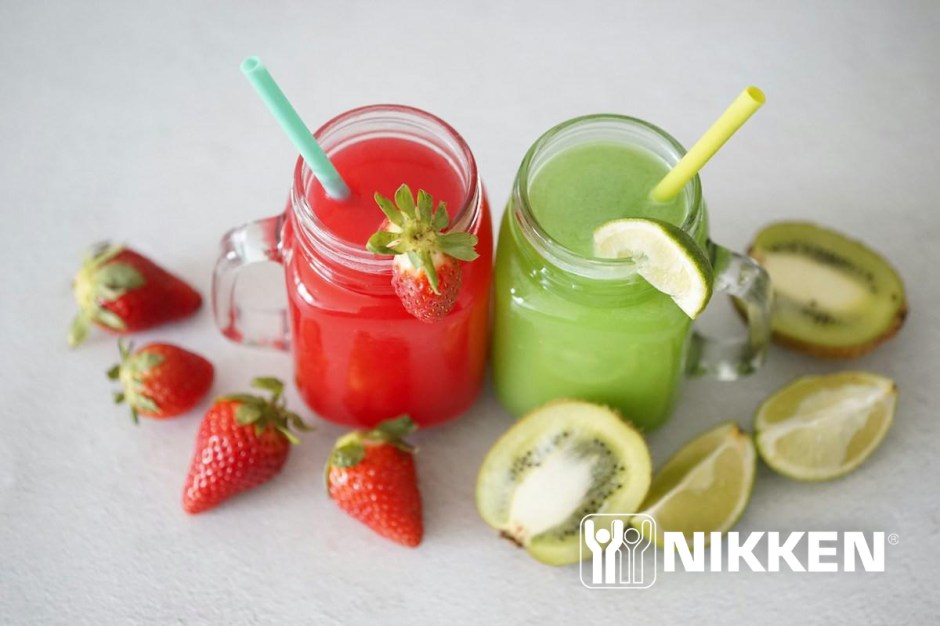
•          Have lemon, lime or orange slices available to add to the water you drink. You can also have on hand raspberries, sliced strawberries or kiwi and blackberries. These are healthy yet flavorful fruits to help transition from sweet beverages to water.  

•          Carry a water bottle such as the PiMag® Sport Bottle wherever you go and refill it throughout the day.

•          To help your water habit, choose water as your beverage even when eating out.

According to the authors of a 2015 study, “Ingesting water along with amino acids, fats and minerals seems to help the body take up and retain more water, and therefore maintain better levels of hydration, which is especially important following exercise and periods of heavy perspiration. Sipping water a little bit at a time prevents the kidneys from being overloaded and helps the body retain more water. For those hoping to stay optimally hydrated, a slow-and-steady approach to water consumption and coupling water with a little food is a more effective method than knocking back full glasses of water between meals.”1

Why not invite your family members to make hydration with water part of your Nikken  Summer Challenge?

1 https://time.com/5646632/how-much-water-to-drink/

All the Water We Will Ever Have

The water on Earth today is all the water we will ever have. Water is the liquid that makes life on Earth possible. As water cycles from the air to the land to the sea and back again, water shapes this planet and allows us to survive.

The ocean holds most of it, so more than 97% of the water on Earth is salty. That leaves less than 3% as fresh water—for land creatures to drink and for humans to use to make things. Most of the fresh water is locked up in glaciers and ice caps, and as those shrink, so does the fresh water supply.

Since human population continues to grow, that leaves less water for more people to use, and there is already a shortage of potable water in many parts of the world. In fact, half of the world’s fresh water can be found in only six countries! More than a billion people live without safe, clean water, and the number of thirsty people is growing.1

Water exists in three states: liquid, gas, and solid.

  • Liquid water comes out of clouds and fog in the air. It flows underground, in rivers and oceans. 
  • When water molecules escape from liquid water and float into the air, they turn into an invisible gas called water vapor.
  • When water freezes into a solid, ice forms—the water molecules arrange themselves into crystal structures. Most other solids are dense and sink, but ice floats. This is because the the empty spaces between the molecules act as flotation devices, similarly to the way a life preserver holds you up.

Because water is so useful, most people live along coastlines, rivers, and lakes. Where fresh water is limited, people have used many technologies — wells, dams and canals, to name a few — to store and move it. These technologies may damage habitats, and other species have to compete with humans for water. This may help explain why so many creatures that live in fresh water are becoming endangered species.2

Water is precious and the human race needs to respect and use it wisely. It is part of nature that needs to be conserved. Swamps, riverbanks, sources of groundwater, all need to be protected. Wetlands provide clean water for many species, including wild birds, fish and even plant life.

Chemicals, fertilizers and pesticides pollute lakes and oceans, harming wildlife and also harming human life. Plastic is a major polluter of our waterways and every single human being who drinks bottled water contributes to that growing mound of pollution.

The PiMag Waterfall® is designed to filter potable water the way a natural waterfall filters water. It even has mineral stones to replicate conditions found in nature.

The PiMag® Sport Bottle affords the convenience of a portable filtration system—similar to a mini Waterfall you can bring with you practically everywhere you go.

When you develop the filtered water habit and ditch bottled water, especially single-use plastic bottles, you contribute to the preservation of wildlife, both land and ocean, and the conservation of planet Earth’s precious water resources. Why not make the filtered water habit part of your Summer Challenge?

1, 2 https://www.amnh.org/explore/ology/water/what-is-water#:~:text=All%20living%20things%2C%20from%20tiny,almost%20no%20water%20at%20all.

Break the Junk Food Habit

Certain foods — particularly processed foods that are high in sugar, salt and fat — don’t just taste good, they also can be addictive, said scientists at a UC San Francisco symposium on food and addiction. 1 The good news is that we can break free of our cravings for junk food with a bit of discipline and a positive mindset.

Follow these tips to cut down on sugar and break the junk food habit:

•          Identify the triggers: Finding out what sets us off on a bad eating binge is key to nipping it in the bud. According to Kerri Boutelle, a UC San Diego professor of pediatrics and psychology, we have to control triggers as soon as possible.2

•          Learn to tolerate cravings: Professor Boutelle also says that cravings, such as those for sugar, are a learned response and people can be trained to extinguish that response and learn to ignore the cravings. The key is to realize that the cravings will eventually decrease. Cravings might last 10 minutes, and Boutelle’s research has found that people can gain more control over their favorite foods by looking at, smelling and only taking a small taste of them.

•    Plan meals ahead of time: Having a healthy meal prepared in advance may help us avoid unhealthy choices. Prepare meals that are limited in added sugar and saturated fat, contain little salt, and include many fruits, vegetables and whole grains. In fact, we can eat a great deal of healthy food without gaining weight and feel more satisfied than when eating junk food. Often a junk food binge results in plenty of stomach discomfort (and emotional guilt) afterwards. In other words, you will reduce the “food cue reactivity.” This is what researchers call our susceptibility to being influenced by the food smells, advertisements, and conversations surrounding us every day.3 Some recommended food to prepare in batches and to store in the refrigerator or freezer include brown rice, beans, stir-fried or roasted vegetables, or cold salads.

•          Choose healthy foods that are enjoyable: If we set unrealistic boundaries on eating, we are setting ourselves up for failure. To get rid of junk food, we need to replace them with foods we love. For example, we can eat a lot of watermelon to satisfy a sweet tooth. We can replace a milk chocolate bar with a small square of dark chocolate, full of antioxidants and minerals.

•          Be a good role model: Kids may be more prone to junk food than adults, so parents should limit their exposure to products with added sugar in their first years of life. Improper eating habits at a young age sets up children for possibly a lifelong battle with maintaining a healthy food regimen. No single factor is predictive, but genetics play a role, as does someone’s environment. The earlier and the more we are exposed to sugar and other addictive substances, the more likely we are to become trapped into desiring them.

•          Reduce intake of foods with added sugar: “The average amount of added sugar in the American diet is more than 20 teaspoons per day,” said Pat Crawford, senior director of research for UC’s Nutrition Policy Institute. “Since about half of this sugar comes in the form of beverages, we have to rethink our beverage choices. Water should be the beverage of choice.”4

•          Manage stress: “Stress changes how we metabolize food,” says Elissa Epel, Director of the UCSF Center for Obesity Assessment, Study, and Treatment and co-organizer of the food and addiction symposium.5  Eat mindfully, meditate and exercise, as exercise is a huge stressbuster. Under stress, people commonly turn to comfort foods high in sugar and fat. Highly stressed people who eat a lot of high-sugar, high-fat food also are more prone to health risks than low-stress people who eat the same amount of unhealthy food.

•          Expect some days to be better than others: Nobody’s perfect, so when we have a relapse, we simply need to move on to the next day and do better. If we take an all-or-nothing approach, it’s not realistic. Abstinence is not an option when it comes to eating. However, gradual abstinence from the craved junk food is actually the goal in total wellness.

Food manufacturers often create foods with the goal of igniting that craving sensation in consumers. They aim for the “bliss point” in a product. This is the point at which the eater experiences the ultimate pleasure, with not too much and not too little salty, sweet, and fatty flavors. These combinations are particularly hard to resist.6

When we know exactly which junk foods we want to eliminate, we can shop for replacements that are healthy alternatives, including snacks. Since the texture of food plays into our cravings, for example, some of us like crispy, crunchy junk food, while others may crave smooth, creamy items, finding healthy replacements with a similar feel makes it easier to switch over.

Seasonal fruits make great snacks that are easy to grab and go. Fruit has sugar, but it has a lot of vitamins, antioxidants, and water, too. It also contains fiber, which slows and balances out the effects on blood sugar. This prevents the sugar crash.7 Once we wean off of manufactured sugar, fruit will taste a lot sweeter and more satisfying. Fruits like apples, bananas, oranges pack in the nutrients and are easy to take anywhere. Use small containers or bags for cherries, blueberries, strawberries, raspberries and blackberries. And, during the summer months, watermelon is a sweet and crunchy delight that nutritionists recommend even for diabetic regimens, because it’s full of hydrating water content.

One great way to start dumping junk food is to eat plenty of healthy fats. Our bodies need fat and our palates crave fat, because they’re flavorful. We need to avoid or limit trans fats and saturated fats, but heart-healthy fats help us stay on the path of good nutrition. Nuts and avocado are high in healthy fats as are fatty fish, such as salmon. By the same token, protein helps us feel full, so incorporating healthy sources also help diminish junk food cravings. When we feel full, there’s generally less desire for junk food.

It’s generally believed that it takes about three months to form a habit that we can adhere to for a long time, even a lifetime. In that same way, our bodies and palates will grow accustomed to a junk food-free diet. We will actually evolve to prefer healthy foods such as fresh vegetables, fruit, grains and proteins. And because these healthy foods are nutrient-dense rather than empty calories, our bodies will start feeling more satisfied and eventually the junk food cravings will decrease and even go away.

Summer happens to be an excellent time to ditch the junk food and start on a lifetime of healthy eating. At Nikken, we have a Summer Challenge that goes through the end of August. Everyone can choose their own personal challenge—whether it’s to exercise more, hydrate consistently, quit the junk food diet, sleep better or all of the above.

Nikken is offering a Summer Challenge Pack with special pricing: one tub of Kenzen Vital Balance® Meal Replacement Mix that’s full of plant-based protein to help us feel full and is useful as a meal replacement or snack, one bottle of Kenzen® Digestion Complex 4-20 to provide digestive and enzymatic support, and one box of delicious Kenzen Jade GreenZymes® Citrus with 30 premeasured packets of organic young barley grass and organic inulin for prebiotic and overall nutritional aid. (US item code 4472/ CAN item code 4473)

1, 2, 4, 5 https://www.universityofcalifornia.edu/news/how-break-junk-food-habit

3, 6, 7 https://www.healthline.com/health/food-nutrition/how-to-stop-eating-junk-food