On the Dogged Path to Success

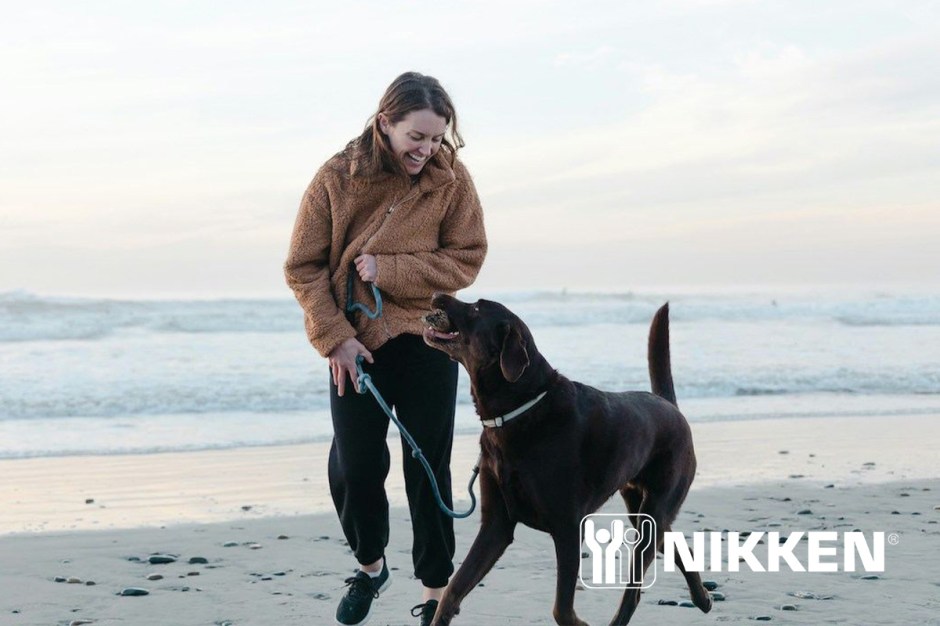
International Dog Day is August 26, and this is the perfect time to consider why most of us love dogs and what we can learn from them! Whether you’re an entrepreneur, homemaker, perennial student or budding philanthropist, you can become the best version of yourself by emulating your canine friend!

Dogs live in the present. They may recall the past but they focus on what is right here, right now. This way of life allows you to wholeheartedly devote energy to the activities at hand. When you live in the present, you are not blaming yourself or others for mistakes made in the past and fearing for what may come in the future. Instead, you are fully participating and making things happen, now.

Dogs thrive on routine. Eat, walk, sleep. Eat, play, sleep. In human terms, stick to a schedule. This requires discipline but it keeps you on task, whether you’re managing a household or building a business. There will always be needed breaks to the routine/schedule, but then a dog’s natural instinct is to return to the routine. At work, maintain a solid but flexible schedule and stay with it consistently.

Dogs are pack animals. In the wild, each member of the pack stays watchful and knows its  role. There may be competition but the alpha lays down the ground rules and usually has proven to be the most capable to lead. An alpha dog is brave and strategic and will do everything to take care of the pack. When parenting unruly teenagers or managing a sluggish sales team, be an alpha dog: be fair, supportive and clear with your directions—always lead by example and take of your family/organization.

Dogs are honest. What you see is really what you get. There is no pretense or facade. In human terms, honesty means being true to yourself and being authentic. Bosses who are transparent and honest inevitably create the most productive and loyal teams. Parents who don’t hide the truth from their kids create future adults who become their friends.

Dogs are curious. All that sniffing and digging is going to help them figure out what’s up! An important part of a dog walk is the smelling. It’s a sensory delight that elevates a dog’s mood. Have you noticed how children are so curious because there are so many things that are new to them? Grownups who keep this curiosity and are open to possibilities seem to become innovators, so don’t be a “know-it-all,” be a lifelong student who is willing to learn.

Nikken is celebrating 35 years in North America this October 18 and 19 in beautiful Long Beach, California. If you’re curious and want to experience what total health and wellness is about the Nikken way, early bird tickets are available through the end of August via our online shopping cart. Or, contact your local Nikken distributor.

Does Drinking Water Help Your Skin Stay Healthy?

Drinking enough water is not the magic bullet for healthy skin, but it certainly plays an important role in maintaining it. Since skin is the body’s largest organ, keeping it healthy is critical for overall well-being. The skin protects your inner body, helps to store lipids and water, to prevent fluid loss and to balance body temperature. Even though skin covers the entire body and is exposed to the elements more than any other organ, sometimes we overlook how imperative it is to take care of it.

Our skin is made up of three layers. The subcutaneous fat layer is at the bottom; the middle layer is the dermis; the epidermis at the top layer. The stratum corneum is at the outermost layer of the epidermis and is an important membrane which keeps harmful things from entering the body, while also making sure that too much water doesn’t leave our bodies. In other words, it helps keep the skin hydrated by preventing water evaporation. This layer is not only a barrier against harm but also a conduit to absorb water. If you push against this outermost layer of skin and it doesn’t spring back right away, it means you are dehydrated. Once you rehydrate, the skin will bounce back.

With age, skin tends to lose density as collagen and elastin breakdown. The result is the sagging and wrinkling that is the target of so-called anti-aging products. Drinking more water really won’t help get rid of sagging or wrinkling but it will help prevent dehydration, especially during the hot summer months. Even if drinking ample amounts of water cannot prevent the signs of aging skin, it still helps skin to look and feel healthy.

Drinking sufficient amounts of water every day helps to flush out toxins in ther body. Water intake helps the digestive system to function efficiently when processing waste. Flushing out toxins helps to improve the skin’s health and overall health.

“Excessive hydration is unlikely to benefit the skin,” says Kathleen C. Suozzi, MD, director of aesthetic dermatology at Yale Medicine and associate professor at Yale School of Medicine in New Haven, Connecticut. “The skin is hydrated from the inside out by pulling fluid from the capillary blood flow in the skin, but if there isn’t enough water to pull from — say, if you’re dehydrated — skin can effectively dry out. Skin hydration is a reflection of total-body hydration. If a person is dehydrated, there is less water being transferred to the skin from the circulation.”1

In short, it’s important to drink enough water for the skin and body to stay hydrated. Dr. Suozzi says about 13 cups of water for men and 9 cups of water for women represent adequate fluid intake, but “if a person has a lot of transepidermal water loss from sweat or heat, then this requirement increases.”2

Through the month of August, Nikken replacement water and air filters are on sale at 20% of retail, so it’s a good time to make sure you have enough filters for all of your Nikken filtration systems!

1, 2 https://www.everydayhealth.com/healthy-skin/can-you-hydrate-your-way-to-healthy-skin/

Smart Mindset

Mindfulness has been trending for years. In 2018, The Courage to Be Disliked became a best seller. By Ichiro Kishimi and Fumitake Koga, this book presents what can be perceived as a “smart mindset” with basic lessons each reader can choose to learn over time. Based on the teachings of the famous psychotherapist Alfred Adler, the lessons take place in the form of conversations between a young man and a philosopher.

Here are a few lessons from the book:
1. Happiness is a choice, not a result of external factors. We can find happiness within ourselves by taking responsibility for our own lives and decisions.

2. Understanding what our tasks are is crucial. We need to clearly separate our tasks from those that belong to others. Focus on our own tasks and avoid interfering in others. This is how we can decrease stress and conflict.

3. Adlerian psychology suggests that all problems are rooted in interpersonal relationships. Improving the quality of our relationships with others significantly enhances our mindset and mental well-being.

4. Self-acceptance leads to true self-esteem and confidence. Accept the flaws along with the strengths.

5. Rejecting comparisons with others will help us overcome any inferiority complex. Feelings of inferiority can drive us to strive for superiority, creating unhealthy behaviors that impact our relationships. This aligns closely with the self-acceptance mentioned above.

6. Live fully in the present moment. Don’t hold onto the past or worry about the future. A present mindset increases mindfulness and reduces anxiety.

7. Be brave enough to be disliked by others. Be true to yourself and make decisions based on our values, not based on receiving approval from others.

8. Setting clear cut goals can help us take positive action. Recognizing our goals can help us understand and create beneficial habits.

9. Contributing to society and feeling connected to others provide a sense of purpose and fulfillment.

10. Take responsibility. Acknowledge that our current circumstances are the result of our own choices and actions. We can always change and become who we want to be.

The Courage to Be Disliked is really about self-acceptance. As long as we are true to ourselves, we can like ourselves and continue evolving to become better. The lessons align closely to the Nikken Humans Being More philosophy as well as the Five Pillars of Wellness.

Smart Finances

When you practice Smart Finances, you understand how money management works. It’s not just about earning money, but also about creating ample savings and growing your assets. In other words, if you understand how to earn money, do you know how to hold on to it and make it grow?

Smart Finances requires that you plan not only for immediate financial needs or wants, but also for the long-term. And, Smart Finances may require you to be open to alternative ways to generate additional income.

Businessman and author Paul J. Meyer first described SMART goals in his 2003 book, Attitude Is Everything: If You Want to Succeed Above and Beyond. SMART criteria are five characteristics that help make goals effective and meaningful.

• Specific: Defines what you want to accomplish, who is involved, where, when, and why.

• Measurable: Includes indicators and metrics that can track progress.

• Achievable: Ensures the goal is realistic and attainable, and that you have the necessary skills, resources, and time to accomplish it.

• Relevant: Determines if the goal aligns with broader goals and is important.

• Time-bound: Sets a deadline for accomplishing the goal.

Once you have identified your goals using the SMART criteria, the next step is to create a plan of action. Here is an example of a SMART financial goal: “I am increasing my income by $3,000 within the next six months. I can do this by obtaining a raise at my job, by getting a higher paying position, or by working more at my home-based side hustle.”

This smart financial goal is specific and is measurable by dollar amount—$3,000 within six months translates to $500 each month, which is realistic and not a “dream goal.” It is relevant, aligning with the goal of earning more money. And it is time-bound—although there are six months to achieve the goal, it is stated in a positive and present way, not as a vague or future possibility.

Post-pandemic, many people decided they liked working from home and were willing to make sacrifices to continue doing so. This may have required quitting a job, finding a permanently remote position, working in a hybrid role or committing to entrepreneurship. No matter where or how you work, it’s always prudent to live with smart finances. When you choose to join Nikken, we are here to support you every step of the way—whether it’s your side hustle or new business endeavor.

Choose Mobility

Staying mobile and leading an active lifestyle are essential not only for longevity but for joyful living. Muscles. Joints. Bones. They are great friends. Keeping them healthy helps keep the entire body more youthful throughout a lifetime.

Your body talks to you every day, and if you listen with care, you will make the right choices to stay mobile. On days where mobility can be challenging, the instinct is to do nothing. If doing nothing results in restoring energy levels, then you are listening to your body and making the right choice. If doing nothing continues for days on end and you don’t feel any better, perhaps it’s time to force yourself out of inertia.

The neck, shoulders, hips and knees—areas that tend to lose elasticity and flexibility with age—are supported by the spine, so maintaining good posture is important. In recent years, chair yoga has become popular, because it helps even those who are not ideally mobile, stretch and build up core strength, so that eventually, they can resume a more active exercise regimen.

There are certain foods that support healthy joints and bones. Eating a well-balanced diet focused on key nutrients is the right choice in supporting healthy joints and bones.

•          Calcium is not a mineral that the body manufactures naturally, so it has to be obtained through food. It’s a key mineral for maintaining strong bones. Found abundantly in dairy products, vegans can choose kale, bok choy, broccoli, soy, seeds and almonds, figs, and more. On average, the absorption rate of calcium in dairy is around 30%, kale and boy choy 50%, and broccoli 60%.1

•          Vitamin D is necessary for the absorption of calcium. Sunshine is the most natural source, but supplementation may be a better guarantee of having the recommended 600 international units per day.2 Some natural food sources of vitamin D include egg yolks, tuna, sardines, salmon and other fish, mushrooms that have been exposed to sunlight, fortified orange juice and fortified soy milk.

•          Magnesium is stored in the bones and plays a role in activating vitamin D. Seeds such as chia and pumpkin are great sources of magnesium, as are nuts such as almonds and cashews. Add a healthy amount of green leafy vegetables to your daily diet for a good dose of magnesium.

•          Collagen is found in the connective tissue of animals. As the most abundant protein in the human body, it’s found in skin, muscles, bone and tendons. Meat eaters get collagen through their diets, but vegetarians and vegans may look to foods high in vitamin C to boost production—such as beans, oranges, red and green peppers, tomatoes, broccoli and whole grains.3

•          Omega-3s can help protect the joints. The National Institute of Health recommends this healthy fatty acid because it is believed to help lower inflammation in the body. Found in fish and other seafood, flax seeds are a good vegan option.

Make smart choices for your strength and mobility. Keep moving and eating right. Make sure to stay hydrated, especially when sweating a lot during the summer months. Kenzen® Nutrition can help you fill in dietary gaps with “smart mobility” supplements such as Kenzen® Joint, Kenzen® Omega Green + DHA, Kenzen® Calcium Complex and Kenzen BDZ® (together in the Bone Health Pack) and Nikken Pink Collagen Complex.

1 https://www.vegancanada.org/news/article/2020/01/23/misleading-calcium-recommendation.html?gad_source=1&gclid=CjwKCAjwyo60BhBiEiwAHmVLJanPRBNfbLZxWjWoAX4B6_7fkagD60WwFHEeCWbcyVoHCQ_d7iUTUxoC8d4QAvD_BwE

2 https://www.runnersworld.com/nutrition-weight-loss/a28510495/foods-for-joint-health/?utm_source=google&utm_medium=cpc&utm_campaign=mgu_ga_rnw_md_pmx_hybd_org_us_18447042893&gad_source=1&gclid=CjwKCAjwyo60BhBiEiwAHmVLJalkhrFPaPTwJCH8-IflR0zb3kApCa5Op184QWgUJ2p8wbQMBUVWAxoCA2YQAvD_BwE

3 https://www.webmd.com/beauty/vegan-collagen-what-to-know

Hydrate Wisely, not Randomly

According to research published in the journal Current Biology, the human body uses 30% to 50% less water per day than our closest animal cousins. In other words, among primates, humans evolved to be the low-flow model. Lead author Herman Pontzer, associate professor of evolutionary anthropology at Duke University explains, “An ancient shift in our body’s ability to conserve water may have enabled our hunter-gatherer ancestors to venture farther from streams and watering holes in search of food. Even just being able to go a little bit longer without water would have been a big advantage as early humans started making a living in dry, savannah landscapes.”1

To maintain hydration within a healthy range, the human body, like other animal bodies, is likened to a bathtub. Water coming in has to equal water going out. For example, when water is lost through sweating, the body signals us to drink. When we drink more than the body needs, the kidneys get rid of the surplus.

For each individual in the study, the researchers calculated water intake via food and drink on the one hand, and water lost via sweat, urine and the GI tract, on the other hand. When the researchers tallied the inputs and outputs, they found that the average person processes about 12 cups of water each day. Without enough water, our physical and cognitive functions decline. Without any, we die within a matter of days. In this way, humans are more dependent on water than many other mammals are.2

Exactly how much water is healthy differs between populations and even from person to person. Currently there are two different recommendations for water intake, which includes water from food. The first, from the U.S. National Academy of Medicine, recommends 15.6 cups of water a day for men and 8.4 cups for women, while advising pregnant and lactating women to increase their intake by about 1.5 to 3 cups, respectively. The second, from the European Food Safety Authority, recommends 10.5 cups for men and 8.4 cups a day for women, with the same increases for pregnant and lactating women. Men need more water than women do because their bodies are larger and have more muscle on average.3

Regardless of how much water you drink, choose wisely. Depending on where you live, the tap water may or may not be potable. Even potable tap water has tested out to contain minute amounts of contaminants, and nano-plastics are a global issue.

To make it easier and more affordable to drink safely, why not take advantage of the PiMag Waterfall® and the PiMag® Sport Bottle? They not only help filter out contaminants but also emulate the most hydrating type of water: spring water. PiMag® water declusters the water molecules, making them smaller and more easily absorbed. The PiMag Waterfall® also is environmentally-friendly as it’s made of biodegradable materials and the PiMag® Sport Bottle helps reduce single use plastic bottles to decrease landfill waste. You’ll stay hydrated and feel good about doing your part for the environment.

Ditch single use plastic bottles, drink more absorbable and hydrating PiMag® water and share your knowledge of smart hydration with everyone!

1 today.duke.edu/2021/03/humans-evolved-be-water-saving-ape#:~:text=That%20water%20needs%20to%20be,than%20our%20closest%20animal%20cousins.

2, 3  https://www.scientificamerican.com/article/human-evolution-led-to-an-extreme-thirst-for-water/#:~:text=Without%20enough%20water%2C%20our%20physical,adapted%20to%20quench%20that%20thirst

How Will You Honor Dad This Father’s Day?

Father’s Day is observed by 111 plus countries worldwide. The date varies by country. For example, in many European countries, it is celebrated on March 19 as Saint Joseph’s Day. Sikhs celebrate Father’s Day on the birthday of Guru Gobind Singh on December 29.

In the United States, Father’s Day was spearheaded by Sonora Smart Dodd, one of six children raised by her widower father. In 1909, she tried to establish an equivalent to Mother’s Day for male parents in remembrance of hers. She went to local churches, the YMCA, shops and even government officials in the city of Spokane, to gain support for her idea. Her perseverance led to the first statewide Father’s Day on June 19, 1910 in the state of Washington.

It wasn’t until 1972 that Father’s Day became a nationwide holiday in the United States when Richard Nixon signed a proclamation to make it a federal celebration. This occurred 58 years after Woodrow Wilson made Mother’s Day official. In Canada, Father’s Day has been celebrated since the early 20th century, but it has not been made a public holiday. Father’s Day is on the third Sunday of June in North America and many African nations, such as Nigeria, Morocco, Kenya and South Africa.

Regardless of when and where Father’s Day takes place, the aim is to pay tribute to the paternal figures in people’s lives. Traditionally, families gather around to honor dad, or visit wherever their angel fathers are laid to rest. Children in school are helped with handmade cards and gifts.

How will you honor the dads in your life this June 16?

•          When was the last time you told your dad you love him? Depending on how you were brought up, saying out loud “I love you” to your father could be rare, but it is likely to be appreciated more than you think.

•          Time is the most precious gift. Whether it’s time spent alone with your dad or time with him and family, each occasion grows more special over the years.

•          Is your dad a social fellow? Honoring him in front of his peers is sure to make him feel appreciated—at a party, a friend’s home, with his grandchildren and other occasions.

•          Be a role model for your own children and show them how you care for their grandfather. Before long, you will reap the benefits of these well-learned roles.

•          Take a walk together. Go for a swim. Play a game of chess. The focus is on doing something dad likes.

•          Tell dad something about your own life that is important to you. A heart-to-heart talk can be a precious gift.

And, of course, if you want to get a meaningful gift for dad, Nikken is your one-stop shopping center. Does Dad need to be more grounded with KenkoGround®? Does he need some KenkoTherm® support wraps? How about Kenzen® nutritionals or PiMag® water to keep him properly hydrated?

Happy Father’s Day to our Nikken Dads!

Source: https://www.history.com/topics/holidays/fathers-day

What Does “Being Active” Mean to You?

Being active is a personal physical and mental state. It’s all relative to how you have lived over the long-term and how you want to live in the near and distant future. The dictionary defines someone who is active as moving around a lot and doing many things, and an active mind as always thinking of new things.

Take a look at two examples:

1.  Jeanne works long hours at the office. She is seated most of the time. After work, she goes to the gym, lifts weights and runs on the treadmill for a total of an hour and a half. When she gets home, she eats a quick meal and spends the rest of the time on the couch, watching TV. On the weekends, she runs 5-10 miles and spends time with her girlfriends.

2.  Joanne is a stay-at-home mom. She rarely has time to sit down during her day, as she takes care of two children, one learning to walk and the other in elementary school. She spends the day cooking, doing laundry, feeding and entertaining the baby, grocery shopping, picking up the older child, overseeing the kids’ yard activities, getting dinner on the table, making sure both kids have a bath before putting them down for the night. On the weekends, she takes the children to the playground or has play dates, and she uses an app to practice yoga when her husband entertains the kids for a couple of hours.

Who is more active, Jeanne or Joanne? Or, are they equally active? The more interesting aspect is perception. If the question is posed to Jeanne, she likely responds that she works out every day but wishes she didn’t have to sit in her office so much. If the question is posed to Joanne, she might say she doesn’t even belong to a gym and really doesn’t have time to be active the way she would like. But clearly, if the dictionary definitions come into play, Joanne is just as active, if not more active than Jeanne. Synonyms for active include, busy, involved, occupied, strong, energetic, committed and engaged. Those descriptions pertain to both Jeanne and Joanne.

When striving to achieve a more active lifestyle in order to thrive, don’t let preconceived notions of what being active means get you down. On the other hand, don’t use the excuse of not having enough time to get more active. Here are some daily activities that don’t require much discipline or a membership fee:

• Put on fast music and dance in your living room!

• Do chair yoga.

• Do some stretching on a mat in your bedroom.

• Take a walk around the block (with your dog, friend or by yourself).

• Some people pace while on the phone!

• Garden (pull those endless weeds, plant flowers and veggies).

• Wash the car!

• Spend more time outdoors! Even sitting on the grass helps you get grounded and activate your cells!

Differing Opinions May Lead to Better Team Decisions

The importance of respecting differing opinions should not be underestimated. We are all unique with different perspectives which contribute to the strength of any team. It might sound counterintuitive, but having differing opinions on your team can actually create a more cohesive work environment.1 When each team member is treated fairly with every opinion seen as valid and valued, everyone can work together towards the same goal.

Imagine a team where everyone thinks alike, where there is no room for diverse opinions. While it may seem like a harmonious environment, it can actually limit the team’s potential for growth and innovation. When everyone has the same opinion, it can create a tunnel vision effect, where potential risks and alternative solutions are overlooked.

By having diverse opinions, teams can identify blind spots and consider alternative approaches that may have otherwise been missed. It is through the clash of differing opinions that new ideas are born, and existing ideas are challenged and refined.2

Of course, differing opinions can grow heated when not properly managed. There are basic steps that can help foster differing views as opportunities for growth and innovation, rather than as obstacles.

•          Create an environment of open communication. The entire team should be given carte blanche to express individual thoughts and ideas. In other words, team meetings should be safe spaces to share rather than to compete.

•          Be aware of introvert vs. extrovert personalities on the team. Make sure the extroverts don’t take up all the time in team meetings. The introverts may require a bit of prodding, but they often have great ideas that go unheard.

•          The most effective team leaders practice active listening. Make this something the entire team participates in. The mere act of listening respectfully to others can help create a mutually appreciative environment, regardless of the differences in perspectives.

•          Ask for constructive feedback. This becomes organic when the team functions cohesively with different perspectives seen as beneficial to the overall goals.

•          Share recognition of team members as a whole. Regardless of which “idea” serves as the springboard for new decisions, the whole team deserves credit for reaching a consensus.

Team unity and collaboration are the goals for healthy debates and varying perspectives. The same holds true for family discussions and strategic planning in any type of groups. Open- mindedness and encouraging individuals to speak up while respecting everyone else in the group is a great way to role model inclusivity for kids and peers.

1 https://cmdrecruitment.com/embracing-different-opinions-in-your-team/#:~:text=Differing%20opinions%20builds%20respect&text=Respect%20shows%20that%20we%20recognise,making%20the%20team%20more%20effective.

2 https://www.urbanchallenger.com/blog/how-to-resolve-with-differing-opinions-in-a-team

What Does “Feel Good” Mean to You?

Feeling good is defined differently by each individual, but there are basic aspects that serve as common denominators for almost everyone. Most obviously is the physical aspect. When you suffer from any kind of muscular, skeletal, joint or nerve discomfort, it is difficult to feel good. Yet, the renowned physicist Stephen Hawking who was wheelchair bound and unable to speak without a computer as helper, defied that concept. He famously said, “Remember to look up at the stars and not down at your feet. Try to make sense of what you see and wonder about what makes the universe exist. Be curious and however difficult life may seem, there is always something you can do and succeed at.”1

Aside from the physical, there are emotional, mental, or psychic aspects that are more nebulous and harder to define. Researchers at the University of California-Berkeley contend that feeling good stems from a person’s emotional state, which would certainly confirm how someone in Stephen Hawking’s physical state could be so positive and relay his “feel good” attitude. The researchers have explored preferred types of emotional states, with the two primary ones being LAP (low arousal positive) and HAP (high arousal positive). Those who prefer LAP tend to define feeling good with being relaxed, calm and peaceful, while those who prefer HAP, like enthusiasm, excitement and elation.

Jeanne Tsai’s research at Berkeley has revealed that East Asians tend to favor LAP states while European Americans tend to prefer HAP states. This shows that preferred emotional states are likely shaped by culture.2 Another study conducted by Tsai and a colleague found that American women’s magazines showed more excited smiles while Chinese magazines showed calmer smiles. One of their explanations is that East Asian cultures emphasize social harmony, the needs of others and fitting into the overall group, contrasting with American culture’s emphasis on individual rights and achievement. HAP serves the American culture while LAP better serves East Asians.3

What “feel good” means for you may be completely different from what it means to someone else, because everything is relative to each person’s situation. Mental health and physical health are intertwined and need to be somewhat in balance to reach that “feel good” condition. You may require a shift in perspective to feel good. For example, as people age, their physical capabilities change, as do their mental states—sometimes the body can do less but the mind is more acute and contains a lot more useful information—so activity levels and pleasurable pursuits evolve to a new comfort level. What feels good at 20 is bound to be different at 60. Regardless age, the more control you have over your thoughts, feelings and body, the more likely you are to feel good.

There are proven ways to boost serotonin and dopamine levels (those happy hormones) and it goes back to what grandma always said: eat your veggies, do your work, and go outside and run around! At Nikken, that means supplement your diet where it’s lacking in nutrients, do an honest day’s work and get in touch with nature!

We define “feel good” this whole month of May with gifts inspired by nature—get the KenkoGround® and the Kenko Precision Set at 40% off, and pamper yourself with True Elements® Marine Organic Skin Care and Kenko Jewelry at 20% off!

1 https://www.youtube.com/watch?v=3tDEkyqoQsQ

2, 3 https://greatergood.berkeley.edu/article/item/what_does_good_feel_like_to_you