How Much Protein, Carbs and Fiber Do You Need?

What you eat and how much of it you need depends on your caloric requirements. The number of calories that you need each day day will depend on your age, weight, height, activity level, and health goals. Carbohydrate and protein each contribute four calories per gram, while fat contributes nine calories per gram. Soluble fiber only contributes two calories per gram and insoluble fiber contributes zero calories because it passes through without being absorbed, which is one way that fiber keeps the body regular.

The minimum calorie count recommended for adults is 1,800 calories per day for sedentary women and 2,400 calories per day for sedentary men, based on the U.S. Department of Health and Human Services and U.S. Department of Agriculture 2020–2025 Dietary Guidelines for Americans. Ninth Edition.Only children and youth can eat lower calorie counts and still satisfy their nutritional needs. There is no single diet that works for everyone. There are, however, a few general ranges.

The USDA’s Dietary Guidelines for Americans provide percent ranges for each macronutrient in the Healthy U.S.-style Pattern. For adults, the organization recommends consuming 10% to 35% of calories from protein, 45% to 65% from carbohydrates, and 20% to 35% from fat.  The guidelines also suggest consuming less than 10% of total calories from saturated fat.1

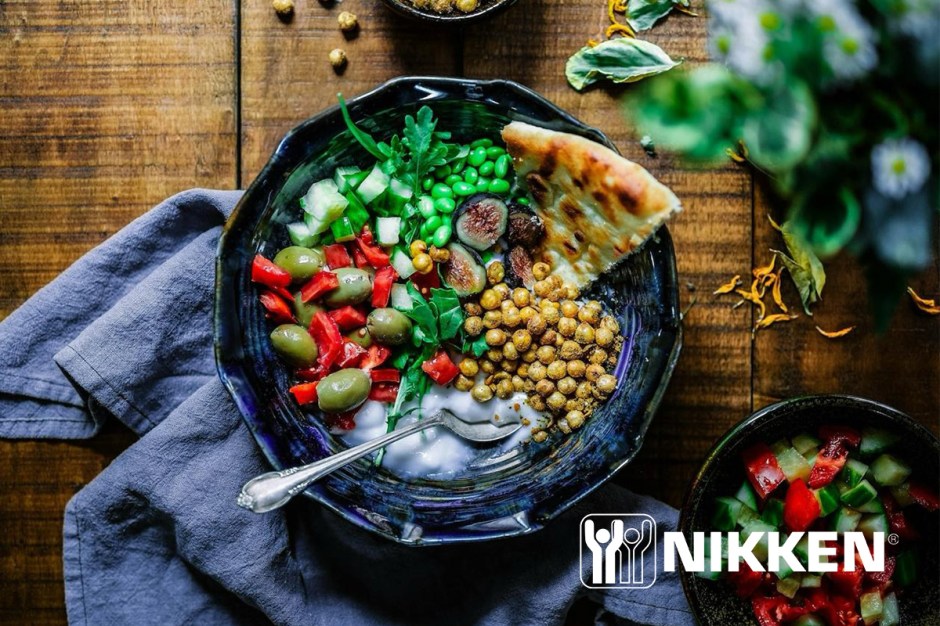
Those following a healthy vegetarian eating plan should meet the same nutrient and Dietary Guidelines standards as in the Healthy U.S.-style Pattern, so macronutrient ranges are the same. The difference between the two eating styles is the foods chosen within each food group. Someone on a vegetarian diet should try to consume 55% carbohydrate, 14% protein, and 34% fat with 3.5-ounce equivalents of protein foods, including legumes, soy products, eggs, nuts, and seeds.2

Those following a Mediterranean-Style eating plan should also meet the same nutrient standards as the Healthy U.S.-style Pattern, so the macronutrient ranges are the same. The difference between the two eating patterns is that the Mediterranean-style diet containsmore fruit and seafood and less dairy than the Healthy U.S.-style Pattern. For example, the USDA recommends 15 ounce-equivalents per week of seafood for those following a 2000-calorie-per-day Mediterranean diet, but only 8 ounce-equivalents per week of seafood for those following the Healthy U.S.-Style Pattern. The Mediterranean diet can be 52% carbohydrate, 18% protein, and 32% fat.3

Carbohydrates break down into an energy source for the body, especially the brain. They also add fiber to the diet which helps smooth digestive processes. Protein is important for maintaining muscle mass, cellular renewal and supporting the immune system.

A little research goes a long way, for example, some vegetables contain protein, so even if you are a meat eater, you don’t have to limit yourself to getting protein from animal sources. Newer research indicates that eating more plant-based protein may help reduce heart disease, since nuts and legumes are considered more heart-healthy than processed meat.4

Even though each person’s individual lifestyle will dictate how much protein, fiber and carbs to eat to feel good every day, a balanced plate is generally favored over one that eliminates an entire food group. In other words, choose to eat balanced meals that are sustainable for your activity level and lifestyle and try not to be swayed by fad diets.

No matter how you choose to eat, always hydrate daily with clean water. Don’t miss the PiMag Waterfall® sale at 20% off through August 31, 2025!

1, 2, 3 https://www.verywellfit.com/daily-diet-composition-calculator-charts-carbs-protein-fat

4 https://rightasrain.uwmedicine.org/body/food/all-about-protein

Do You Know Five Ways You Can Listen to Your Body?

Our bodies talk to us every day but sometimes we don’t listen and miss out on some important cues that can help keep us in top physical and mental shape! To make sure you are feeling good every day, be sure to spend a little time alone with yourself and really listen to what your body is telling you.

Here are five ways you can listen to your body by asking a few questions:

1.         Do you feel rested, tired or so-so? Is your body telling you to get a good night’s sleep or do you feel energetic and ready to tackle the day? Do you need to break up your busy day with a nap? Restful sleep is an important part of feeling good every day and one aspect of practicing empowered living.

2.         How are you feeling mentally and emotionally? Are you sad and depressed, anxious or stressed out? Or do you feel calm and content? Paying attention to your state of mind can help you maintain high energy levels and to avoid a slump. Sometimes all it takes is getting up and taking a walk in the fresh air to feel stable again. Deep breathing, getting up and stretching, a few minutes of quality time with yourself—these are all simple ways to maintain your mental equilibrium.

3.         What do you like to eat and is it nutritious? Are you eating regular meals? Are you snacking in between meals when your blood sugar dips? Are you actually hungry when you eat, or are you eating mindlessly out of boredom? Do you have a good cut-off time in the evening when you stop eating until tomorrow morning? Overeating and undereating can both wreak havoc with your body and your overall mood, so are you eating more or less than usual? If you are, what is your body telling you? On the other hand, mindful eating or eating the right foods at the right times of the day—based on your personal preferences and needs—can help you feel good every day.

4.         When was the last time you exercised? Do you have a daily routine to get up and do something active? Exercise doesn’t have to be a full-out strenuous workout at the gym. It can be a brisk walk with your dog or a stroll with your toddler. It can be doing a few laps in the pool or doing chair yoga, stretching out on the mat or cleaning your kitchen. Setting aside time every day to do something active can help you feel good every day. Once you start, your body will remind you every day it’s ready for some movement.

5.         Quality time with people who are important to you is key to feeling good every day. Are you spending enough time staying connected to those you care about? Do you text or call your elderly parents? Do you text or call your adult children? Never underestimate the power of talking and laughing with someone you feel close to, whether it’s a friend, mentor or family member. It does wonders to cheer you up or you can be cheering them up!

Listening to the body means cultivating a mindful awareness of what it (you!) needs at any given moment, followed by honoring that need. This intuitive practice will help you understand and make decisions based on internal cues, rather than steamrolling past your own limits. Long-term, sustainable health comes when you listen to your body, and then respond with care, action, and compassion.1

1 https://lindywell.com/listen-to-your-body-strategies/?srsltid=AfmBOorRVWB2X-ZymDQsijV9BGE7JIWRiyMBMSmQ8zRIM26bj0Y9WTDf

What is the Foundation for Vitality?

What’s the first thing you think of when it comes to vitality? What do you think provides you with that feel-good sense of being able to take on the world? Is it a healthy heart or a great set of lungs? Is it your clarity of mind?

It may be surprising to know that your digestive system plays a crucial role in how you feel! The microorganisms that live in your gut contribute to a balanced (or unbalanced) microbiome. When it’s balanced, nutrient absorption is working at optimal levels and the key to energy production. In other words, a digestive system that is breaking down food very well, is enabling the body to extract and absorb as many nutrients as possible, resulting in high energy levels.

The “feel good” neurotransmitter is serotonin, and it is vital to the connection between gut health and whole body energy, since about 95% of the body’s serotonin is produced in the gut. A healthy gut produces ample amounts of serotonin, which helps mood and sleep, two essential factors for maintaining high energy levels.1

Proteins, fats and carbohydrates are all essential for energy production. Even if you eat balanced whole foods, if your digestive system is not functioning well, these nutrients cannot be absorbed efficiently. If your body does not absorb enough nutrients, you may feel tired, lethargic or have an overall feeling of fatigue.

What you eat plays a significant role in gut health and energy levels. Professional athletes adhere to a strict diet regimen because it directly impacts their performance. The same holds true for all of us—a poor diet that is high in processed foods with added sugars and unhealthy fats will disrupt the balance of gut bacteria. By choosing whole foods rich in fiber, you can actually create a healthy and balanced gut, which in turn produces high levels of energy that help you to feel good every day.

Eating naturally colorful foods, mostly found in fruit and vegetables, helps provide a broad range of nutrients that include antioxidants. Since fiber is so important for a healthy gut, incorporate whole grains, such as brown rice, quinoa and oats. Fiber will help you stay regular, another important aspect of gut health. Include lean proteins found in fish, poultry and legumes, as they will help you maintain muscle mass and energy levels.

Probiotics and prebiotics are found in fermented foods and are known to promote balance in the gut. If you like the taste of yogurt, sauerkraut, kimchi or garlic and onions, you can incorporate them into your daily food regimen. You can also supplement with Golden Gut Formula, an advanced, integrated nutrient source uniquely designed to support gut health. It not only helps to balance the microbiota in the gut, it provides prebiotic support to help the probiotics work more efficiently and to deter bad bacteria from growing. Always remember to drink lots of PiMag® water to stay hydrated, knowing that water helps digestion!

Good nutrition is key to gut health, but physical activity is also important. Regular exercise helps maintain digestive health and support gut motility. You don’t have to be a high-performing athlete to achieve an improved gut: simply choose an activity you can do consistently—whether it’s walking, biking, swimming, yoga, Pilates or chair exercises—your gut will feel the difference and your overall energy levels will improve, so that you can experience vitality—the essence of feeling good every day—and the empowered living lifestyle.

1 https://greaterorlandogi.com/2025/01/13/how-digestive-health-affects-your-energy-levels/

Creating Mindful Eating Habits

Today’s fast-paced society offers an abundance of food choices. In addition to the food that is grown—vegetables, fruits, grains—seafood from the oceans, farmed livestock and poultry—there is a huge variety of processed food as well as ready-to-eat snacks full of added salt, fat and sugar. Distractions have also shifted our attention away from the actual act of eating and instead toward televisions, computers, and smartphones.1

Mindful eating is a form of meditation. How do you meditate while eating? By slowing down and paying attention to the food you eat and doing so with appreciation and intention. In this way, every meal becomes a practice in awareness of what you’re eating, why you’re eating and how eating it makes you feel—which supports your ability to differentiate between physical and emotional hunger. In other words, mindful eating habits help you eat when you are actually hungry, not when you are bored or want something to do.

Mindful eating isn’t about dieting or restrictions. It’s about being fully conscious of choosing what you’re eating and appreciating it. If you are scrolling on the phone or watching TV, you are not savoring and honoring the food. Honor may seem a lofty term when applied to eating, but mindful eating includes being aware of where your food came from and honoring the long journey it took to get on your plate. By honoring the food, you are practicing gratitude, an emotion that promotes joy and sharing.

How can you practice and develop mindful eating habits? Here are a few tips:2

•          Ponder: Before you eat, ask yourself, “Am I really hungry?” Sometimes we think we want to eat something, not because we’re hungry, but simply to enjoy the pleasure that the food brings. Ask yourself if you need nourishment in the form of food or something else?

•          Appraise: Look at the food that is in front of you. How does it smell? Do you really want it? Is it more or less than what you need? Be aware of how the food affects your body and how you feel.

•          Slow: Slow down. Pause between bites. Do not get distracted. Really chew your food and taste it. Slowing down can help your brain catch up with your stomach.

•          Savor: Really enjoy your food. How does the texture feel in your mouth? Can you discern the different flavors? Savor and appreciate the taste of each bite. Engaging as many senses as you can by noticing colors, smells, sounds, textures, and flavors.

•          Stop: Stop when you’re full. Cleaning your plate isn’t necessary, even if that’s what you were taught by your parents. By noticing when you’re full and stopping may help you avoid unnecessary calories and indigestion. This is known as paying attention to your hunger cues.

By changing the way you think about food, you may be able to replace negative feelings associated with eating with awareness, improved self-control, and positive emotions.3 Mindful eating is part of smart nutrition—a key component of empowered living.

1 https://www.healthline.com/nutrition/mindful-eating-guide

2, 3 https://www.heart.org/en/healthy-living/healthy-lifestyle/mental-health-and-wellbeing/mindful-eating-savor-the-flavor

Different Strokes for Different Folks: Exercise and Sports Around the Globe

Throughout history, people have exercised, consciously or unconsciously. As hunters and gatherers, our ancestors walked or ran to search for food. They didn’t need to exercise in the contemporary sense, because survival depended on constant physical activity. As civilizations developed, sports were invented.

The Greeks started the Olympics and focused mostly on wrestling. Enter the Romans who transformed activities of war into sport—throwing spears and javelins, hand-to-hand combat and sword fighting, later also known as fencing.

Navigate to the East, and the Japanese were developing sword play of their own in the form of Kendo with bamboo (shinkai) swords and wrestling in the form of sumo. Perhaps due to the prevalence of Buddhism in China and Shintoism in Japan, martial arts came to be in the forms of karate, Chinese kung fu, tai chi, wing chun and jiu-jitsu. Wing chun is a kung fu style notably founded by a Buddhist nun from the Shaolin Temple, and Manchu warriors learned to ice skate in order to reach their enemies, later transforming it to a sport!

Into the Americas, the Aztecs, Incas and Mayans played ball sports. “Pok-a-Tok” was played by Mayans not only for fun, but as a way to settle conflicts between warring factions, with losers suffering the fate of death. Apparently, Pok-a-Tok is a difficult mix of soccer and basketball! In contrast to playing for life and death, the Native American Tarahumara people were ancient marathoners who could run 200 miles at a time! They would likely best today’s extreme athletes!

North American sports largely came from European influences, and as witnessed by the addition of new events in current Olympics, exercise has truly evolved over time. For example, skateboarding originated in California by surfers who wanted to do something on land that felt like being on the waves. It debuted as an event at the Tokyo Olympics in 2020.

Whether you choose the slow gracefulness of tai chi or a team sport such as soccer, rugby, volleyball or basketball, the key is to keep moving. Take a look at the special Olympics and the wheelchair athletes from around the world for inspiration—choose a physical activity and do it consistently to feel good every day.

Nikken has many products that support physical activities, whether you’re a weekend warrior or a committed athlete. Right now, there’s still time, through the end of this month, to take advantage of free ground shipping, as long as you are a Registered Customer with Nikken and your single order is at least $185 USD /$259 CAD before tax and shipping costs!

Sources:

http://en.chinaculture.org/library/2013-11/22/content_496741.htm

https://www.amatravel.ca/articles/pok-a-tok-ancient-mayan-sport

A History of Physical Activity

How Does Exercise Enhance Gut Health?

We know that eating a healthy diet contributes to optimal gut health. Now clinical nutritionists and gastroenterologists are finding definitive proof that exercise can support gut health, too. The combination of healthy diet and exercise reigns supreme, but the discovery that exercise plays such a big role in gut physiology may help many couch potatoes to get moving!

“Exercise is one of the most powerful ways you can boost your gut microbiome. Your digestive tract is a muscle, and moving your body is good for all muscles, gut included. When we are physically inactive, the muscles in our gut also become less active. Over time, they lose their natural coordination and strength,” explains gastroenterologist Christine Lee, MD.1

Regular exercise helps the gut find its ideal digestive pace. Each gut has its natural rhythm that keeps things moving. If it’s too fast, you might get the runs. If it’s too slow, you might be constipated, bloated or nauseated. Exercise helps the gut stay “just right” in terms of gut motility, that is, the movement within the gut.

During movement, especially exercise of a cardiovascular nature, the heart pumps harder in order to deliver blood and oxygen to the muscles. Part of that extra blood and oxygen goes straight to the gut. In other words, exercise improves circulation in the whole body, and that includes the gut, which helps the digestive tract work better to maintain the right balance of healthy bacteria.2

Gut muscles react to exercise the same way our visible outer muscles do. Biceps, quadriceps and abdominals visibly get more toned with regular exercise. What you don’t see are the internal gut muscles getting more toned. Even though not visibly more toned, improved regularity is proof that your exercise is paying off by helping waste process out of the body more effectively so your gut simply feels good every day.

Different types of exercise are being researched for their impact on the gut microbiome. There is evidence that low intensity exercise can help reduce the amount of time it takes food to travel through the digestive tract and be successfully pushed out as waste. This is important because this allows the gut microbiome to perform multiple functions effectively, including converting non-digestive parts of food into energy.3

In contrast, higher intensity exercise allows more oxygen to reach the brain and bloodstream. The brain and the gut are connected by the vagus nerve, as well as through molecules secreted into the bloodstream from the gut microbes and immune cells that travel from the gut to the rest of the body.4 The brain and gut are therefore in constant communication and regular periods of high intensity exercise enhance that interaction.

There’s no better time than the summer months to start or add to your exercise regimen. And, regular exercise helps the body crave healthy foods; healthy foods fuel your body for better performance during exercise!

Nikken launched Golden Gut Formula, loaded with both pre- and probiotics, so you not only help increase your beneficial bacteria but you’re nourishing them so they can multiply more rapidly. Adding Golden Gut Formula to a healthy diet and exercising daily may help accelerate your ongoing quest for empowered living! 

1, 2 https://health.clevelandclinic.org/gut-health-workout#:~:text=Your%20metabolism%20is%20your%20body’s,%2C%E2%80%9D%20explains%20Dr.%20Lee.

3 https://www.uclahealth.org/news/article/new-microbiome-research-reveals-exercise-may-impact-gut

4 https://med.stanford.edu/news/insights/2025/03/gut-brain-connection-long-covid-anxiety-parkinsons.html#:~:text=Through%20direct%20signals%20from%20the,tracts%20are%20in%20constant%20communication.

Did You Know Fatherhood Transforms Men’s Bodies?

Motherhood transforms women’s bodies in obvious ways, but did you know men’s bodies evolve when they become fathers? Men’s physical changes are not necessarily apparent to the human eye. Instead, they morph internally. The two main changes are hormonally and cerebrally.

The hormonal change is mainly a drop in testosterone, the male sex hormone. The drop is the male body’s way of preparing for the new role of fatherhood. According to scientists, men with lower testosterone are much more sensitive towards children. They are also more empathetic and motivated to take care of their children.1 One example given by researchers is that of different reactions to a baby crying. They found that men with lower testosterone levels, particularly fathers, are anxious when hearing a baby cry; whereas men with high testosterone levels react with irritation. By the same token, fathers exhibit more patience with daily activities, such as waiting for a parking spot.

Cerebral changes that come with fatherhood also enhance parenting abilities. The outer brain of fathers shows increases in areas that impact planning, focusing and problem-solving. Areas of the brain related to nurturing and risk detection are also activated—which is nature’s way of empowering fathers to know when their babies are safe.2 Dads become more sensitive to others’ pain, which equates to being more empathetic, especially when it comes to children.3

Women are often attributed with having naturally maternal instincts. Women are said to know instinctively what to do with babies, having gone through pregnancy, childbirth and when possible, breastfeeding. Men, on the other hand, are said to “learn” how to be a father. The biological changes that fathers undergo prove that they have naturally paternal feelings that parallel mothers’ maternal instincts. In other words, dads are gifted by nature just as moms are. The difference is that because society doesn’t proclaim it, dads need to be aware of their biological transformation, trust in it, and be confident enough to rely on their nature-given instincts.

There is even a male counterpart to post-partum depression, traditionally attributed only to new mothers. Studies show that one in 10 men experience mental health difficulties in the first six months after a baby arrives.4 This is due partly to the new dad’s expectations of himself to know the right things to do at the right times. It’s a form of self-stress. In addition, the new schedule can create chaos—no time to eat, sleep or exercise as both new parents focus on the baby. These changes in lifestyle patterns impact not only the new mom, but also the new dad. So, new fathers need to be aware of their own mental and emotional states as well as their partners’.

Childrearing experts agree that the fastest way to bond with new babies is to start interacting with them right away. Mothers who breastfeed have a distinct advantage but fathers can dive right in by participating in diaper changing, bathing, bottle-feeding and soon, playing. Talking to babies, feeding them, walking them, learning their milestones and cheering them on—it’s all part of both motherhood and fatherhood.

Nikken wishes all dads a very Happy Father’s Day this coming Sunday!

1, 2, 3 https://www.bbc.co.uk/tiny-happy-people/articles/zvnhjsg

4 https://www.bbc.co.uk/tiny-happy-people/articles/zb7svk7

How Important is Movement for Physical Well-Being?

Most of us acknowledge that staying mobile is a necessary part of an active and empowered lifestyle. But can movement also improve overall physical well-being? In reality, movement can help us feel good every day. And best of all, it doesn’t take a gym membership or strenuous exercise—small daily movements, as long as they’re done consistently, may increase mobility and contribute to overall health.

Here’s how movement can positively impact six crucial parts of the body:

•          Muscles: More than 600 muscles in the body make up 40% of the human body’s weight. Movement helps strengthen those muscles, which help the body to maintain stability, balance and coordination.1

•          Bones: Movement helps build more durable, denser bones. Whether you choose resistance training, jogging, walking, hiking or balance training, such as Pilates and yoga, movement supports bone density.2 Movement and exercise may offer protection against osteoporosis and age-related loss of muscle mass, strength, and function, also known as sarcopenia. Improved physical function can reduce the risk of falls and likelihood of serious injury if there is a fall.3

•          Joints: Flexibility and range-of-motion are important to keep the joints functioning smoothly. Stretching and being mindful of posture and how daily tasks are performed can help increase coordination and balance.

•          Brain: Researchers have made the connection between brain power and movement. As some people age and lose mobility, their cognitive functions deteriorate as well. Daily movement helps rejuvenate the structures within the brain that are linked to cognition. In rehab facilities, even those who are wheelchair bound are provided ways to “cycle” their arms, because movement is not limited to the legs!

•          Heart: Keep the heart pumping at optimal levels by moving every day. It used to be called aerobics and now it’s cardio. Increasing your heartrate through any form of cardiovascular activity done daily can help lower blood pressure, boost levels of good cholesterol and improve blood flow (circulation).4

•          Lungs: To breathe is to live, so keeping the lungs healthy is critical to physical well-being. Movement helps the lungs to improve cardiorespiratory endurance. Walking at a brisk pace is an easy way to help the lungs. And, mindfully inhaling and exhaling deeply is a small but healthy movement in and of itself!

Movement can help you feel better, look better and live better—it’s a natural way to lift your mood and spirits, to sleep better and to connect with nature and the people around you!

1, 2 https://medschool.cuanschutz.edu/fitness/blog/blogs-just-move–the-six-benefits-of-everyday-movement

3 https://www.nia.nih.gov/health/exercise-and-physical-activity/health-benefits-exercise-and-physical-activity

4 https://www.heart.org/en/healthy-living/fitness/fitness-basics/why-is-physical-activity-so-important-for-health-and-wellbeing

Can Magnets Support Mental Health?

Overall well-being includes mental health, not just physical health. When it comes to physical health, much of the science is black and white; whereas with mental health, there are more gray areas. While medication and psychotherapy are often seen as the end-all-be-all treatments for depression and other mental health conditions, magnets can serve as alternative ways to regulate neural activity: Transcranial magnetic stimulation (TMS) is an advanced method of relieving erratic brain activity that can cause poor mental health.1

Approved by the U.S. Food and Drug Administration (FDA), TMS usually is used only when other depression treatments haven’t been effective. The FDA also approved TMS for obsessive-compulsive disorder (OCD), migraines and to help people stop smoking when standard treatments haven’t worked well. Research continues into other potential uses for TMS, including epilepsy.2

When used for depression, OCD and to stop smoking, this treatment involves delivering repeated magnetic pulses, so it’s called repetitive TMS or rTMS. During an rTMS session for depression, an electromagnetic coil is placed against the scalp of the head. This coil delivers magnetic pulses that stimulate nerve cells in the region of the brain involved in mood control and depression. It’s thought to activate regions of the brain that have decreased activity during depression.3

The difference between rTMS and deep TMS has to do with the type of coil used. The deep TMS coil stimulates deeper and wider areas of the brain, compared with rTMS. Deep TMS coils have been FDA-approved for OCD and to stop smoking. Although the biology of why TMS works isn’t completely understood, the stimulation appears to affect how the brain is working. It seems to ease depression symptoms and improve mood.4

According to the Cleveland Clinic, the recipient of TMS is fully aware of what’s happening during the entire treatment and can talk, read or nap. The coil delivers stimulation for approximately four seconds, then stops for 15 seconds and then resumes. This is repeated about 75 times per session. During the stimulation, the patient may hear a tapping sound as well as feel the sensation of being tapped on the scalp. Phase one can be time-consuming, with 30 treatments being recommended over a six-week period of time. During the second or maintenance phase, the frequency decreases according to each case, varying from once every other week to once a month or every two months.5

Magnets and magnetic fields are part of nature, and nature continues to be a primary source of solutions for overall well-being. The more we learn, the more we can practice empowered living.

1 https://www.brainsway.com/knowledge-center/the-truth-about-magnet-therapy-aka-tms-therapy/

2, 3, 4 https://www.mayoclinic.org/tests-procedures/transcranial-magnetic-stimulation/about/pac-20384625 5 https://health.clevelandclinic.org/cant-conquer-depression-how-magnets-can-help

Do You Practice Empowered Living?

At Nikken, our mission is to empower individuals with the means to create a naturally healthy life while reaching financial stability. We believe the key to physical, mental and financial well-being is “empowered living.”

Empowered living entails making good choices and decisions and then taking action. Doing so consistently and mindfully leads to personal growth and prosperity. The next step is to contribute positively to local communities, then to society at large. Empowered living is a pathway for individuals to connect not only to their immediate environments but also to the world.

Achieve a balanced lifestyle that is full of vitality with empowered living. Put in the simplest terms, our ongoing goal is to feel good every day. We believe feeling good every day is attainable with these five key principles:

•          Enhance your mindset.

•          Boost your vitality.

•          Strengthen your relationships.

•          Make a contribution and serve others.

•          Diversify your sources of income.

These principles are akin to living with purpose. In Japanese, “ikigai” actually means living with purpose. To know our purpose in order to be of value to families and communities, we must know what fulfills us and gives us joy, and then to pursue it.

Here are 10 behaviors to put into motion for ikigai or empowered living:

1.         Awaken your consciousness. Increase your level of awareness to improve your lifestyle. Be open to learning new things.

2.         Connect with your purpose: Understand and pursue the meaning and value you bring to your life.

3.         Choose joy: Choose to be happy and savor each moment. Be grateful.

4.         Move your body: Incorporate activities that motivate you to move naturally, every day. Stay active in one way or another. Get in shape and stay in shape.

5.         Recharge your batteries: Increase energy levels by ensuring restful sleep, connecting with nature and breathing consciously. When you increase your vital energy, you naturally decrease stress.

6.         Practice smart hydration: Consume pure, high-quality water.

7.         Practice smart nutrition: Eat natural, organic and nutritious foods. Don’t eat too much, leave a little room for optimal digestion!

8          Nurture your relationships: Foster love, shared goals, mutual support and connection. Surround yourself with friends and positive thinkers.

9.         Transform your environment: Connect with communities, understand their needs and offer help.

10.       Diversify your finances: Explore various income sources and manage your finances wisely.

Empowered living means consciously living your best life, one day at a time, resulting in not just a long life, but a well-lived life of purpose and meaning.