Who Needs More Sleep?

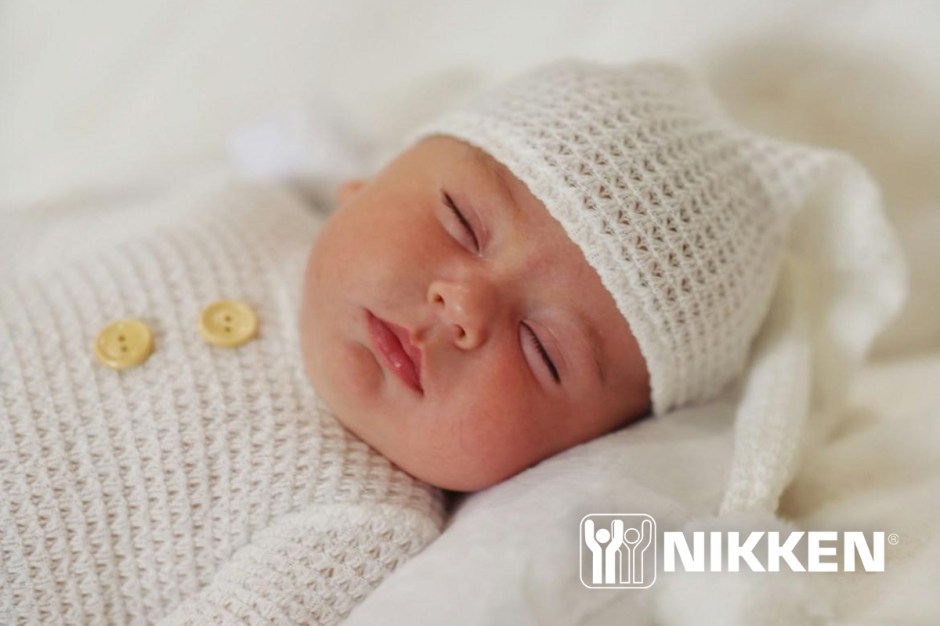
People require different amounts of sleep at different times in their lives. For example, newborns can sleep more than 17 hours a day and once of school age, can sleep up to 12 hours daily. The benchmark for adults is to sleep between seven to nine hours daily. These are generalizations, because sleep is a personal matter.

When it comes to sleep times, one of the most commonly cited statistics is that women require more than men. Women actually require only a very small amount more—11 minutes a night.1

Researchers attribute this small difference to round-the-clock responsibilities, monthly cycles, pregnancy, menopause and middle-of-the-night childcare duties, such as breastfeeding.2 In a nutshell, anyone, not just women, may need more sleep when they do not have the luxury of uninterrupted sleep.

Another group that requires more sleep than others is made up of adults who suffer from insomnia. People with insomnia get less rest, so they require more time to actually sleep. The more sleep is interrupted, the sleep is needed. Another sleep disorder known as apnea, causes interrupted breathing that may feel like choking. About 20% of Americans have sleep apnea and men are two to three times more likely to suffer from it than women.3

As technology takes us further away from nature, sleep becomes more of an issue. When people rely on natural circadian rhythms, sleep time is part of the tempo dictated by day and night. Modern inventions that go as far back as the light bulb, hinder sleep quality by artificially creating longer “daylight” hours. This longer exposure to light can suppress the production of the sleep hormone melatonin, leading to poor sleep and hence, needing more sleep. Sleep experts explain that circadian rhythms can be reset or realigned to be more natural by waking up at the same time every morning and going to bed at the same time every night.4 Other helpful reset mechanisms include exercising during early morning and/or early evening, eating meals at set hours and ditching electronics at least an hour to two hours before bedtime.

Figuring out your natural sleep cycle might remedy sleep issues. One way to find out how much sleep is needed is by not setting an alarm clock for three nights consecutively, but going to bed at the same time. By not setting an alarm, you will awake naturally and be able to estimate how much sleep you actually need. Then the trick is to go to bed at the same time nightly that will allow you to reach the number of hours needed—and of course, your bedding can help you sleep wonderfully, so be sure to check out Kenko Sleep Technology, exclusively from Nikken.

Happy Halloween!

1, 2, 3, 4 https://apple.news/AZRPnHbh_Qv-9MqtxiKeaGQ

Do Men Have Special Sleep Needs?

An important part of people’s health is how they sleep. Too often people awaken from sleep feeling unrested and tired, exactly the opposite of what sleep is expected to accomplish. Although all nature’s creatures require restful sleep, the amount and the timing may vary greatly. With humans, there are some aspects specific to men.

Individual sleep requirements are different from person to person, but on the average, most adults are said to need seven to eight hours each night in order to feel alert and rested.1 According to sleep experts at the University of California-Los Angeles (UCLA), many men simply do not realize they are not getting enough restful sleep. The reason is that sleeplessness with men is so common that they believe it to be the norm. In other words, men get used to being tired and rather than trying to rectify the situation, believe it’s supposed to be that way and they need to put up with it.

The result of not getting enough sleep on a regular basis is functioning at less than optimal levels of energy and focus. Some signs of not getting enough sleep (in both men and women) include:

•          Low energy levels during the day.

•          Difficulty paying attention in meetings.

•          Lack of motivation, trouble moving from task to task.

•          Bad temperament—irritability, grouchiness.

•          Inability to awaken when the alarm goes off.

•          Sleepiness when behind the wheel— as dangerous as texting while driving.

Work demands are considered to be the primary causes of men’s lack of sleep. UCLA findings state that men’s perceptions of their work-life demands often stop them from seeking the needed amount of restful sleep. For example, many men have full work schedules, and for lifestyle balance, they go to the gym regularly to work out. They may also go to sports events, work on projects around the house and help with the kids if they have families. Single men may socialize with their single friends or be on a dating schedule. In other words, in addition to an already full work schedule, men often tend to overlook the need for rest in favor of pursuing more activities that only add to their fatigue.

Another aspect that deters some men from obtaining enough sleep are certain behaviors or habits. Statistically men consume more alcohol, nicotine and caffeine—each of which can disrupt healthy sleep patterns. Big meals and exercising close to bedtime are other sleep disruptors. Men also are known to keep irregular sleep schedules, often going to bed and waking up at different times rather than adhering to a more constant routine. This irregularity can disrupt the internal body clock from producing sound sleep. The antidote to this is to keep the internal clock set at the correct time by sleeping and rising at consistent times daily—this involves not sleeping in late on non-work days. The healthier alternative is to go to bed earlier at night when feeling tired rather than pursuing additional activities. Although men seem to be good nappers, too long a nap may cause more sleeplessness at night, so sleep experts advise keeping naps to less than one hour, and taking them early in the afternoon.

Sleep disorders are pervasive globally, but men suffer from some specific ones more often than others. These are:

•          Obstructive sleep apnea (OSA)2: Men are twice as likely as women to have OSA, which is caused when the tissue in the back of the throat collapses during sleep. The tongue falls back and blocks the airway to cause a temporary pause in breathing that can wake you up or disturb sleep. Primary signs of OSA are loud snoring, snorting and gasping. Many men with OSA are unaware they have it, and since snoring is so often accepted as a norm, the dangers go untended. Sleeping on the side and losing weight sometimes alleviates the condition but severe cases require medical intervention.

•          Narcolepsy3: Extreme sleepiness during the day can cause people to suddenly fall asleep even when eating, walking or driving. This condition requires medical treatment to help produce more normal patterns of being asleep and awake.

•          Delayed sleep phase disorder (DSP)4: As the name implies, sleep is delayed from normal hours. Usually the delay is for two or more hours, resulting in very late nights and difficulty waking in the morning. DSP may be caused by continually going to bed very late at night and causing the timing of the body’s clock to be thrown off, preventing the ability to fall asleep at an earlier or more acceptable hour. To correct DSP, avoid bright lights in the late afternoon and evening and make sure your sleep environment is dark. Then get as much bright sunlight in the mornings and early afternoons to set the body clock right.

•          Jet lag disorder and shift work disorder5: Jet lag is something most people experience when they travel between time zones after spending more than a few days in one and entering into another. The internal body clock doesn’t have time to adjust to a new location right away due to the speed of the travel, making it hard to sleep well. The same thing holds true for people who work rotating, early-morning or night shifts, confusing the body when you try to sleep when the body expects to be awake. The result is trouble sleeping and fatigue.

Kenko Sleep Technology takes what nature provides in the form of magnets, tourmaline and reflective fibers to provide a cocooning effect, relaxation, temperature regulation and calmness for a great night’s sleep. For a special opportunity to purchase a select group of Kenko Sleep products at extraordinarily decreased prices, contact your Nikken Consultant.

1, 2, 3, 4, 5 https://www.uclahealth.org/medical-services/sleep-disorders/patient-resources/patient-education/sleep-and-men

Self-Care is Self-Empowerment

As the old saying goes, “Prevention is worth a pound of cure.” A big part of prevention in the area of Wellness involves taking good care of oneself. Mothers and fathers too often are so busy taking care of their families that they don’t pay enough attention to their own health. The truth is, we can take care of others only if we are in good enough health ourselves.

According to the World Health Organization, self-care not only helps to promote better health, but it can also help people cope better when illness hits. Specific forms of self-care have also been linked to different health and wellness benefits. For example, exercise, having a sense of purpose in life and consistently getting restful sleep are all connected to living a longer life. On a daily level, a wholesome self-care routine is believed to help reduce anxiety and stress, improve energy levels and social interactions, and boost resilience and happiness.

What makes for an effective self-care plan? Since each of us is different, with varying priorities, body types and mental dispositions, an effective self-care plan needs to be customized. Consider what in life is overwhelming to you. At Nikken, we use the 5 Pillars of Wellness as a way to achieve balance. These 5 Pillars serve as a gauge to assess what we need to work on most in our lives. Is it physical (Body), mental (Mind), Family, Finances or social standing (Society)? Which of these areas stress us out and require the most attention? That’s how to devise a self-care strategy.

•          Make a list of the different parts of your life. This can be work, school, family members, non-family relationships, community events you’re involved with, and so on.

•          Evaluate what stresses you out. Then think about what you can do to ease the stressors. Sometimes easing stress requires setting boundaries and saying “no” without feeling guilty. In other words, we need to recognize when our plates are full and when they’re overflowing. Prioritize.

•          Think about the things that make you happy. Consider the activities that produce a relaxing effect. It can be as simple as a daily walk, a swim, a self-massage, grounding and meditating, talking to a friend or favorite relative, playing with a baby or your dog, listening to the birds—so many small and simple things that we sometimes forget to appreciate.

•          Taking care of yourself is just like everything else we learn to do: practice makes perfect. If we haven’t been practicing self-care for a long time, we’re not going to have a great plan we can work with right away. Take small steps, but do take a step. Take a deep breath and tell yourself: “It is ok.” Exhale and get on with it.

•          Every single day, take time to do something for yourself. It doesn’t matter whether it’s making your favorite cup of tea or going in a room and having a good scream. You know yourself best and whatever works for you is what’s best for you! Do not judge yourself!

•          Realize that your self-care strategy can change from day to day, definitely from year to year. Go with the flow. Assess and reassess your personal needs and adjust your plan to fulfill the changes in your life.

The International Self-Care Foundation includes health literacy as a pillar of self-care, meaning that any steps you take toward better understanding health information you need to make appropriate decisions about your health and well-being counts as self-care, too.1   Good self-care can help decrease the number of visits to a health practitioner but it also requires that we know when we need to get checked out by a doctor or hospital.

We can certainly make it a point to be knowledgeable in the six basic areas of Wellness and self-care: Health, Fitness, Nutrition, Appearance, Sleep and Mindfulness. At Nikken, we practice Active Wellness through the 5 Pillars of Wellness and our products reflect our commitment to self-care. Our magnetic, support, energy, PiMag® Water and HEPA air purifier products address Health & Fitness, we have organic Kenzen® Nutrition, True Elements® marine organic skin care addresses Appearance, Kenko Sleep Technology provides solutions for Sleep and Humans Being More training to emphasize Mindfulness.

1 https://www.everydayhealth.com/self-care/

See You Next Year, Summer! Hello, Autumn!

What happens to our sleep patterns when we move from the summer months into autumn? In Europe and North America, this transition has already started as we approach the end of September.

During the summer, sunlight continues into the evening hours and the feeling of night feels delayed. That’s why it may be so difficult to get children to sleep at their regular bedtimes during the summer months! As daylight hours shorten, it may become easier to get the small ones to sleep but actually harder for adults to get their needed rest. The reason for this is our exposure to vitamin D decreases in the autumn months.

Our bodies actually manufacture vitamin D when exposed to sunlight. Vitamin D is important in the production of melatonin, which helps us regulate our circadian rhythms and promotes restful sleep. During the autumn months, there are fewer sunlit hours so our bodies may produce less melatonin. One way to overcome this possible shortage is to make sure to spend time outside, even as the weather cools down. In other words, make sure to get sun exposure!

Depending on personal preferences, some people may find it difficult to exercise when summer heat is at its highest. Autumn may well be the perfect outdoor climate for those who stayed in air-conditioned rooms all summer long! Getting a good dose of outdoor exercise—even in cloudy weather—helps obtain the sun exposure (you can get sunburned even when it’s cloudy!) and the sleep benefits that come along with a well worked-out body. And, exercise is known to decrease anxiety and stress, all of which help promote a good night’s sleep.

One proviso about exercise is not to work out too close to your bedtime. When you exercise, your body is revved up. If you do that right before you go to bed, it might take longer to fall asleep, because your body will need to calm down. In order to get the most sleep-boosting benefits, aim to workout at least three to six hours before you plan to go to sleep.1

When we transition into autumn, just as some people will find it harder to get restful sleep, there are others who might actually find it hard to stay awake until it’s their actual bedtime. This is again related to light exposure. Falling asleep too early can also disrupt the natural circadian rhythm and lead to an exhausting day; therefore, staying in brightly lit rooms up to two hours before bedtime is recommended. This helps to keep the brain alert until it’s the correct time to start winding down.2

Depending on your sleep habits—whether you sleep with the window open or use centralized air conditioning or heating—moving from summer into autumn may be the ideal time to change your bedding. You may opt for flannel sheets instead of lighter cotton and you may choose a warmer comforter for autumn. It all has to do with temperature control, and you are the best judge of what helps you sleep best.

Our immune systems are more fragile during seasonal transitions, especially since we are exposed to colds and flu at this time of year. We need good restful sleep to keep the immune system functioning optimally. So, if you can’t get the best sleep at night, try for a “power nap” during the day. Even 20 minutes can be helpful for staying in a state of Active Wellness.

No matter what season we are in, Kenko Sleep Technology is the Nikken way to help you sleep like a baby. We just added the Kenko Naturest® Makura to our line of sleep products and rave reviews are coming in. Try this layered ergonomic pillow with three types of sleep technology—pair it with a Kenko Naturest® Fit and add a Kenko Dream or Dream Light Comforter for sweet dreams. And don’t forget that tomorrow is the last day to get 30% off the KenkoAir Purifier®, HEPA filtration to help you breathe fresh air all day and all night long!

1 https://blog.fitbit.com/transition-sleep-routine/

2 https://www.wellandgood.com/change-in-seasons-affects-sleep/