Smart Nutrition the Kenzen® Way

September at Nikken is about smart nutrition: eating healthy food, choosing nutrient-dense ingredients in cooking, committing to whole foods rather than processed ones and avoiding refined pre-packaged items that contain added sugar and salt. With our hectic multi-generational family lifestyles, dietary or nutritional supplementation can make a big difference.

Here’s a summary of what Kenzen® Nutrition is designed to do:

•          Kenzen® Calcium Complex and Kenzen BDZ® work synergistically to support bone health.* Added minerals in the Calcium Complex enhance absorption, while BDZ acts as the perfect complement with patented vitamin K and its unique marine plant complex to support bone structure and strength.*

•          Kenzen® Joint is formulated with high potency cetyl myristoleate, combined with gluosamine, methylsulfonylmethane and boswelia plant compounds—to support joint movement and connective tissue repair.* A topical version is CM Complex Cream that contains the same naturally lubricating properties.

•          Pink Collagen Complex stands out with its naturally pink color and exceptional formulation. Blood peach, rose apple and beet root combine their rosy tint with antioxidant powers and pleasant flavor, so there’s no fishy taste to the powerful type 1 collagen derived from marine peptides.

•          Kenzen® Omega Green + DHA contains heart-healthy omegas 3, 6, and 9 in one formula! The vegan formula is plant-sourced from cranberry seed oil, flax seed oil and red algae. Supporting digestive, hormonal and nerve health, it also benefits eyes and the brain.* It’s a formula chockful of omega fatty acids that even vegans can enjoy!

•          Kenzen Bergisterol® aims to support cardiovascular health and immune response.* Made with an exclusive strain of the bergamot fruit, it is rich in polyphenols and bioflavonoids.

•          Kenzen Super Ciaga® powder is a delicious way to support heart health, cellular functions and the immune system for overall well-being and natural energy levels.* It’s formulated with highly concentrated superfruits, such as maqui berry, elderberry, blackberry, raspberry and blueberry.

•          Kenzen® Immunity was providing immune support long before mushrooms became a trending topic.* Made with 14 different mushrooms, it is a standout in the market where supplements only contain single species or just a few.

•          Kenzen® Digestion 4-20 contains 20 different enzymes within the 4 categories of macronutrients: fats, proteins, carbs and fiber. This formula helps the digestive process by optimizing absorption of nutrients, allowing the body to convert fuel into energy.*

•          Kenzen® Cleanse & Detox supports the liver, which provides more than 500 functions!* This formula helps rid the body of toxins and other wastes, utilizing natural ingredients, such as organic chicory root, milk thistle and turmeric.

•          Kenzen Lactoferrin® 2.0 supports gut health while binding and transporting iron, so the body can absorb it.* The formula has antioxidant and anti-inflammatory properties for overall health*.

•          Kenzen Jade Greenzymes® and Jade Greenzymes® Citrus are known as “nature’s perfect food.” That’s because organic barley grass has the full balance of enzymes needed to support healthy bones and tissue, skin elasticity and help maintain natural pH levels.*

•          Kenzen® Clarity supports cognitive function* with a fermented blend of ingredients. The formula is based on the gut-brain connection—fermentation helps absorption and digestibility of nutrients such as organic ashwagandha and organic bacopa leaf, supporting better memory, focus and concentration.*

•          Kenzen® Mega Daily 4 (in two formulas, one specifically for women and one for men) is a formulation of organic vegetables that provide the known types of water-soluble and fat-soluble antioxidants plus nutrients that support celluar function.*It offers gender-specific support for whole body renewal.*

•          Coming in October, new Kenzen Vital Balance® Meal Replacement Mix contains 30% of the recommended daily allowance for protein in vegan form. MCTs support the brain while vitamins and minerals come from natural sources, making them more bioavailable. Prebiotics and probiotics promote effective digestion and absorption.*

Try smart nutrition the Kenzen® way for overall health and well-being—easy, effective and extraordinary.

*These statements have not been evaluated by the Food and Drug Administration. This product is not intended to diagnose, treat, cure or prevent any disease.

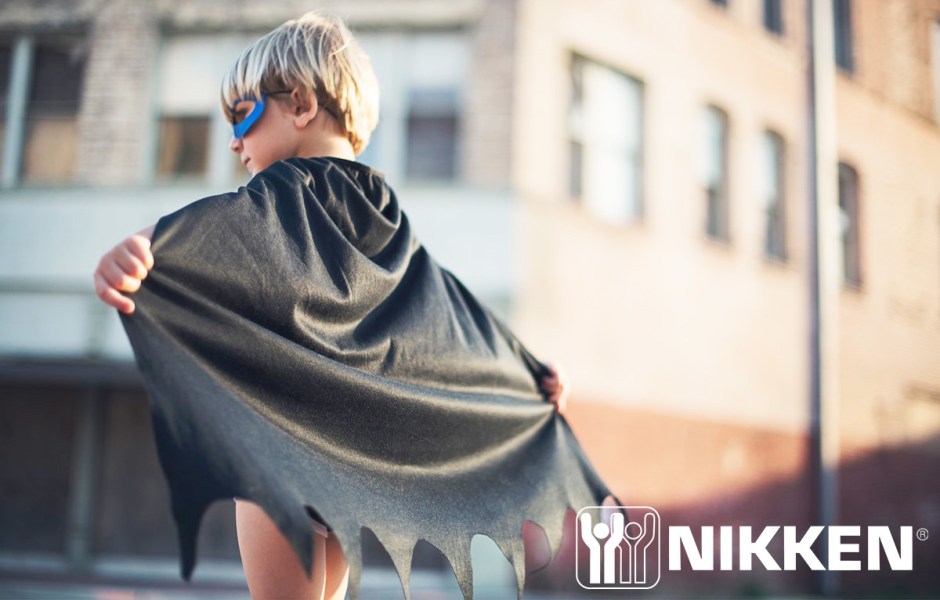
Fatherhood Then and Now

As we adapt our lifestyles to environmental challenges and our evolving communities, there is one notable area which is changing and heartwarming for everyone involved: fatherhood.

Generations ago, fathers played the roles of protectors and breadwinners for the family. They were guardians who fought off enemies and the scourge of natural disasters. Mothers played the roles of nurturers and educators and were often children’s sole source of emotional support and physical affection.

As women entered the work force—jumping from 33% to 60% between 1948 and 20011—men’s roles in parenting adjusted accordingly to share in the duties of the primary caretaker. The effects of these changing roles are being studied and have already shown some positive effects not only on fathers but also on their children. Historically, research on child development has focused more on the sensitivity of mothers to fulfilling their children’s needs. However, in the last 20 to 30 years, research has increasingly focused on fathers. This is due to the growing role modern day fathers play in caregiving.

A study conducted by the National Institute of Child Health and Human Development (NICHD) found that fathers tended to be more involved in caregiving when they worked fewer hours than other fathers, had high self- esteem, lower levels of depression and hostility, and coped well with the major tasks of adulthood. In general terms, those fathers lived with co-parenting mothers who worked more hours outside the home than other mothers.2

Other research on the role of fathers suggests that the influence of father love on children’s development is as great as the influence of a mother’s love. Fatherly love helps children develop a sense of their place in the world, which helps their social, emotional and cognitive development and functioning. Moreover, children who receive more love from their fathers are less likely to struggle with behavioral or substance abuse problems.3

Fatherhood has become more complex as fathers take on more caregiving. Three areas of fatherhood that anthropologists and behaviorists have reported notable changes in are:

1. Commendation: Fathers of the past took on the role of disciplinarian and were sparse in their compliments. Modern fathers use positive re-enforcement to sustain outstanding performance in their children.4

2. Accessibility: Children have the freedom to talk to their fathers more than it was possible in the past. Now fathers communicate freely with their children. Very few topics are off-limits with the modern father. 5

3. Emotional Availability: In the past, fathers were mainly involved in protecting their children from physical harm. Now fathers want to be part of every little detail of their children’s well-being, from mental to physical health. 6

In the 1970s, attachment theory was the focus of child development studies, focusing on the first years of children’s lives and their bond with their mothers. Michael Lamb, a forerunner of fatherhood research and still continuing with studies at the University of Cambridge in the U.K., explains, “That went along with the assumption that the bond with the mother was the only [primary] relationship kids could form.”7 However, Lamb and a small number of other researchers were all coming to the same conclusion: Babies can form as strong an attachment to their dads as to their moms. From that seed has grown an intriguing but limited body of evidence stating that not only are men built to care for children, but that being an involved dad impacts kids’ physiologies, psychologies and outcomes for the rest of their lives.8

It wasn’t until the turn of this century that researchers discovered the fascinating detail that men’s bodies transform when they become fathers. Oxytocin—the “love hormone”— has been known to play a role in a mother’s initial bonding with her child after birth. Recently, researchers have observed that the same spike in oxytocin occurs when fathers hold and play with their newborns. The new fathers also register an increase in prolactin—a hormone best known for helping women produce breastmilk. Its purpose, it turns out, is greater than that.9

University of Notre Dame anthropologist Lee Gettler explains that the presence of prolactin goes back hundreds of millions of years to our animal ancestors—before mammals existed (even before breastfeeding existed). Over the past decade, Gettler’s research has come to some conclusions about the hormone’s function in modern-day dads. “Fathers with higher prolactin play with their babies in ways that are beneficial for their babies’ learning and exploration, and the fathers also seem to be more responsive and sensitive to infant cries,” he says. In other words, this ancient hormone plays some role in increasing dads’ desire to be close.10

In the book Do Fathers Matter?, science journalist Paul Raeburn summarizes findings from a 2007 Swedish study: “Children whose fathers played with them, read to them, took them on outings and helped care for them had fewer behavioral problems in the early school years, and less likelihood of delinquency or criminal behavior as adolescents.” When you talk to involved dads, you quickly discover that the positive effects of becoming one aren’t just for the children. Fathers’ own ideas of manhood expand during the transition, as do their abilities to form rewarding human connections. Having an involved dad has been associated with fewer cognitive delays, better school readiness, a decrease in tantrums and aggressive behavior, and lower rates of depression.11

Happy Father’s Day from Nikken! On June 19 this year, Nikken is celebrating fathers and men’s health with a self-care pack that empowers men with Active Wellness. Our Father’s Day Pack, available June 1 through June 30, targets the immune system and gut health with one bottle of Kenzen® Immunity and one bottle of Kenzen Lactoferrin® 2.0. You also receive a bonus bottle of Kenzen® Mega Daily 4 for men at no cost, an added retail value of $53 US / $65 CA.

1, 2, 3 https://www.apa.org/pi/families/resources/changing-father

4, 5, 6 https://guardian.ng/life/life-features/fatherhood-in-the-past-and-fatherhood-today-what-changed/

7, 8, 9, 10, 11 https://www.todaysparent.com/family/parenting/the-science-of-how-fatherhood-transforms-you/

Mental Health is Part of Men’s Health, Too

Now more than ever, mental health is in the news. Perhaps triggered by the pandemic, more people are openly discussing issues such as depression, anxiety, phobias and eating disorders. Men, even more than women, often suffer in silence and it has a lot to do with the different ways boys and girls are brought up.

One of the most significant social stereotypes is that boys are in some way stronger or tougher than girls.1 Yet little girls grow up to be women who have to be tough enough to go through childbirth. This stereotype of masculine strength creates boys who grow into men who suppress their feelings. In other words, it has been engrained in them that feeling vulnerable is a sign of weakness and discussing their anxiety or depression is “unmanly.” Men need to be freed of the stigma attached to their feelings of imperfection, loneliness and helplessness—because all these so-called negative thoughts are part of being human and living through the various stages of life, regardless of gender. Simply feeling able to confide in a therapist, friend or any trusted person is a big step towards mental health.

Research supports the fact that men who cannot speak openly about their emotions may be less likely to recognize mental health issues.2 And, if they don’t recognize they are going through some kind of crisis, they are not going to seek help. Instead, they commonly turn to coping mechanisms such as drinking alcohol to excess, doing drugs or acting overly aggressive. Some other mental health symptoms in men include unexplained anger, irritability, frustration, trouble concentrating, persistent feelings of worry, engaging in high-risk activities, unusual behavior that impedes daily functions and thoughts of suicide.3

In fact, in England, the suicide rate is three times higher in men than in women.4 In North America, the rate is four times higher with men than women.5 Those contemplating suicide often believe no one feels the way they do. “You are not alone”— This statement alone can help someone who is suffering through a mental health crisis, because the knowledge that a specific feeling is not unique, makes it somewhat more acceptable as part of society at large.

Risk factors for mental health issues with men include social isolation, substance abuse, unemployment, military-related trauma, genetic predisposition, mood disorders and health challenges specific to aging in those 85 and older.6

In their 2018 report, the World Health Organization emphasized that cultural stigma surrounding mental health was one of the chief obstacles to people admitting that they were struggling and seeking help, and this was especially pronounced in men.7 Because so many men have been brought up to think of mental health as not concrete, the subject has become known by various media as a “silent epidemic” and a “sleeper issue that has crept into the minds of millions.”8

The fact that men’s mental health is trending in the news gives hope that there is light at the end of the tunnel. New fathers and mothers can lead the way by treating boys and girls more equitably, by nurturing and encouraging both genders to articulate both thoughts and feelings, and to be generous and kind to as many as possible. It’s never too early to guide a child into living as an active participant in the Global Wellness Community.

Since June 19 is Father’s Day and June is Men’s Health Awareness month, Nikken is celebrating fathers and men’s health with a self-care pack that empowers men with Active Wellness. Our Father’s Day Pack, available June 1 through June 30, targets the immune system and gut health with one bottle of Kenzen® Immunity and one bottle of Kenzen Lactoferrin® 2.0. You also receive a bonus bottle of Kenzen® Mega Daily 4 for men at no cost, an added retail value of $53 US / $65 CA.

1 https://raisedgood.com/little-boys-more-fragile/?utm_source=rss&utm_medium=rss&utm_campaign=little-boys-more-fragile&fbclid=IwAR0QajpmC_g1RJI1n-pOegAmQP5sbvMM6vt1tIwmACwZGedn_pxJwa6QYps&fs=e&s=cl

2, 3 https://www.mentalhealth.org.uk/a-to-z/m/men-and-mental-health#:~:text=While%20there%20isn’t%20a,rather%20than%20talking%20about%20it.

4 https://www.healthline.com/health/mens-health/mental-health-care-for-men#symptoms

5, 6 https://www.mhanational.org/infographic-mental-health-men

7, 8 https://www.medicalnewstoday.com/articles/mens-mental-health-man-up-is-not-the-answer