Support Your Immune System During the Winter Months

During the cold weather months of winter, the body faces multiple viral and bacterial challenges. That’s why colds and flus are common during this time of year, so it’s especially important to support your immune system.

Here are a few things you can do intentionally to support a healthy winter lifestyle:

•          Incorporate ways to manage or reduce stress, so you can help lighten the load on immune cells. Try stretching a few minutes at a time throughout the day, or simply sit quietly and take measured deep breaths. If you can meditate for even 15 minutes, it may be helpful.

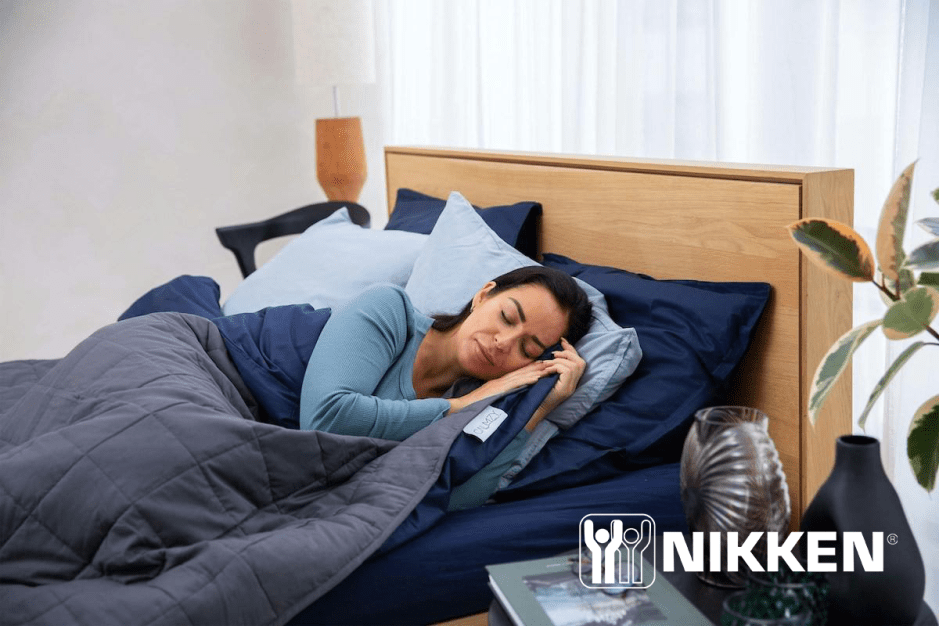
•          Fostering an environment conducive to quality sleep helps empower your body to maintain a resilient immune system. Try to get 7-9 hours of sleep nightly, so that your body can reap the benefits of rest and reproduce immune cells. Remember, physical and mental restoration often take place during sleep. Check out the Makura Sleep Packs with pillows, mattress toppers and comforters for a comfortable sleep environment. (link to https://store.nikken.com/usa/en/product/makura-sleep-packs)

•          Drink plenty of water. Hydration plays an important role in the circulation of immune cells. Proper hydration also supports mucosal barriers and helps your body function at its best.1

Fill your PiMag Waterfall® with tap water and it dispenses filtered alkaline water, so you can hydrate fully.

               Handwashing is a simple way to support the immune system, as it is one of the most effective ways to prevent the spread of germs and infections. Wash your hands with soap and water for at least 20 seconds, especially before preparing food, eating, and after being in public places.2

•          Eat with essential nutrients that can boost your immune cells in mind. These include foods rich in vitamins A, C and D, as well as minerals such as zinc. Vitamin A can be found in green, yellow and orange vegetables such as yams, carrots and spinach. Vitamin C is in citrus, peppers, broccoli and many fruits and vegetables. Get out into the sun for a dose of vitamin D, which is needed for good immune response. Support your white blood cells and help maintain a strong gut with zinc-rich foods, such as pumpkin and sesame seeds, seafood and legumes.3 Even if you don’t normally take nutritional supplements, the winter months are a good time to try. Kenzen® Mega Daily 4 comes in two formulas, one for women and one for men. They feature a multivitamin and mineral, vegetable superfoods selected for exceptional nutrient content, whole body renewal components, and gender-specific support.*

•          Stay active. Physical activity helps enhance the body’s immune function by helping to improve circulation, which in turn helps flush out bacteria. Incorporating walking into your daily routine is one of the simplest ways to stay active.

•          During the holidays, there is always the temptation to eat and drink. A little of this and a little of that goes a long way, but keep your intake moderate, especially when it comes to alcoholic beverages. Alcohol tends to weaken the immune system.

So, eat, drink and be merry, but make the right choices to stay healthy all winter long! And remember, you can shop for great gifts with the Nikken Holiday Gift Guide through the end of the year.

*This statement has not been evaluated by the Food and Drug Administration. This product is not intended to diagnose, treat, cure, or prevent any disease.

1 https://bastyr.edu/about/news/boost-your-immunity-winter-lifestyle-tips-and-essential-nutrients

2,3 https://mheds.org/?p=7909

What Happens to Your Body During Sleep?

Were you ever told not to eat too much before going to bed at night? Or to make sure you apply moisturizer at night? It’s because your body is busy repairing cells and finishing digestion while you sleep. Those are just two key activities your body performs during sleep.

Hormone production changes during sleep. Growth hormone production increases while stress hormones decrease. In fact, cortisol, known as the stress hormone, goes down when you fall asleep but then rises again, before you wake up. Melatonin, on the other hand, rises when you are ready to sleep and falls when daylight approaches. In healthy bodies, kidneys make less urine during sleep, so you don’t have to get up to use the bathroom during a good night’s rest.

Another change the body undergoes during sleep is body temperature. It goes up and down a bit throughout the day, but at night, body temperature tends to be one to two degrees lower than during the day. The lower body temperature helps you stay asleep because humans sleep better when cooler. To prepare for the next day’s activities, your body temperature starts rising as morning approaches.

“Sleep is a period during which the brain is engaged in a number of activities necessary to life—which are closely linked to quality of life,” says Johns Hopkins sleep expert and neurologist Mark Wu, M.D., PhD.1 Throughout your time asleep, your brain will cycle repeatedly through two different types of sleep: REM (rapid-eye movement) sleep and non-REM sleep.

The first part of the cycle is non-REM sleep, which is composed of four stages. The first stage comes between being awake and falling asleep. The second is light sleep, when heart rate and breathing regulate and body temperature drops. The third and fourth stages are deep sleep. Though REM sleep was previously believed to be the most important sleep phase for learning and memory, newer data suggests that non-REM sleep is more important for these tasks, as well as being the more restful and restorative phase of sleep.2

As you cycle into REM sleep, the eyes move rapidly behind closed lids, and brain waves are similar to those during wakefulness. During the day, your breathing changes a lot, depending on what you’re doing and feeling. During non-REM sleep (about 80% of an adult’s sleeping time), you breathe slowly and regularly. But during REM sleep, your breathing rate goes up again, which also dreaming time. Breathing also becomes more shallow and less regular during this sleep phase. Some of it may be due to throat muscles relaxing. It may also be due to less movement of the rib cage during REM sleep. Whenever you’re sleeping, your oxygen levels are lower and your carbon dioxide levels are higher because your level of breathing goes slightly down.3

During non-REM sleep, your brain takes a real rest; however, during REM sleep, your brain may be even more active than when you’re awake! Blood flow to the brain and metabolism in the brain increases during REM sleep, which supports activity. Your brain also uses your sleep cycles to consolidate memories. So, staying up all night to cram for a test or a special work project might be counterproductive.4. In other words, when you sleep too little, you are unable to process what you’ve learned during the dayand have more trouble remembering it in the future. Simply put, restful sleep is important so that your body can utilize the time to rejuvenate and ensure optimal levels of immunity, metabolism and brain function.

Throughout the month of October, Nikken is offering 20% off our Kenko sleep products (except for the Kenko PowerSleep Mask) plus free ground shipping. The Makura Sleep Packs are already priced with a 10% discount, but we’re adding another 10%, so you still get 20% off plus free ground shipping. Take advantage of this great sale to help your entire body enjoy the luxury of restful sleep!

1, 2 https://www.hopkinsmedicine.org/health/wellness-and-prevention/the-science-of-sleep-understanding-what-happens-when-you-sleep

3, 4 https://www.webmd.com/sleep-disorders/what-happens-body-during-sleep

Why Sleep Matters in Big Ways

Achieving deep, restful sleep is essential to maximizing our well-being and daily performance. Sleep is a personal matter and what serves as adequate sleep for one can be completely insufficient for another. Nonetheless, sleep issues can affect people of all ages and impact many parts of our lives.

The Sleep Foundation1 compiles data regarding sleep habits and performance. Some of the statistics are truly daunting:

• Insufficient sleep has an estimated economic impact of more than $411 billion each year in the United States alone.

• 4.8 of 10 workers say they are regularly tired during the day, and 7 of 10 say they are tired when their work day is done.

• Up to two-thirds of adults occasionally experience insomnia symptoms. 10-15% of people experience chronic insomnia, which persists over multiple months. Women are 40% more likely to have insomnia than men. 55% of nurses say they experience insomnia.

• One study estimates the annual cost of workplace errors and accidents linked to insomnia at $31.1 billion in America.

• Drowsy driving is responsible for more than 6,000 fatal car crashes.

• About 57% of men, 40% of women and 27% of children snore in the U.S. Up to 70% of snorers have been diagnosed with sleep apnea.

Obstructive sleep apnea (OSA) affects around one billion adults worldwide, with 80-90% of cases going undiagnosed. A 10% increase in body weight may make us six times more likely to have OSA.

Research2 shows that what we eat and drink can make it easier or harder to get the sleep we need:

• Drinking more than two servings of alcohol per day for men and more than one serving per day for women can decrease sleep quality by 39%.

• On average, adults in North America snack before bedtime 3.9 nights each week. Adults who snack on seeds and nuts before bed sleep an average of 32 minutes more than those who snack on chips, crackers, or pretzels.

• Eating within two hours before bed is linked to later bedtimes, trouble falling and staying asleep and obesity.

• 71% of SleepFoundation.org survey respondents drink coffee every day. Of these, 70% think caffeine has an impact on their sleep. Top issues reported by caffeine-drinkers are sleepiness, fatigue and insomnia, with 30% experiencing anxiety.

Daylight Saving Time in North America has a big impact on people’s sleep patterns. Generally speaking, it’s easier to transition in the autumn when we gain an hour but our circadian rhythms still need to adjust. In the week after the November time change, people experienced 115% increase in difficulty falling asleep, 103% increase in excessive daytime sleepiness, 64% increase in difficulty staying asleep and 34%increase in sleep dissatisfaction.3

Throughout the month of October, Nikken is offering 20% off our Kenko sleep products (except for the Kenko PowerSleep Mask) plus free ground shipping. The Makura Sleep Packs are already priced with a 10% discount, but we’re adding another 10%, so you still get 20% off plus free ground shipping. Take advantage of this sale to transform every bedroom into the perfect sleep environment!

1, 2, 3 https://www.sleepfoundation.org/how-sleep-works/sleep-facts-statistics#:~:text=at%20$31.1%20billion-,View%20Source%20.,almost%2020%20million%20children%20snore

Sleep the Way Nature Intended

The closer you replicate the natural environment, the more conducive it is for sleeping well. When you sleep under the stars, you are sleeping directly under the earth’s electromagnetic field, soothed by the ground and all the elements it contains. Negative ions abound from the growth surrounding you. Nesting creatures add leaves, twigs and feathers—did you know if you leave out the fur your dog sheds, birds will come and take it to cushion their nests just as they would gather the fur fallen off a wild creature in the woods?

Since people tend to sleep indoors, creating a good sleep environment entails other basic aspects: Noise can be an impediment to sleep, but it depends on the type of noise. The trend now is for babies to sleep with a white noise machine, sometimes replicating the sounds heard in a mother’s womb. Grown people might benefit from a sound machine which plays the notes of a trickling stream, gentle ocean waves, leaves rustling in the breeze or soft music. There are always those who appreciate silence, so that can be part of their sleep environment.

Everyone has a preference when it comes to room temperature. Generally speaking, sleep experts have found that people sleep more soundly in a sightly cool environment. This again replicates what is found in nature: The air temperature cools down at night. Similarly, our body temperature dips around 4 a.m., which helps to preserve our energy.1

The Kenko Dream Comforter and its lighter partner, the Kenko Dream Light Comforter offer a cozy effect with a magnetic layer as well as ceramic-reflective fibers that help release heat to keep a comfy temperature. Innovative chitocotton contains chitosan for a breathable cover that helps with ventilation.  

When sleeping under the stars, there is darkness and possibly moonlight and starlight. The human body’s natural circadian rhythm follows the dark-light cycle, with restful sleep taking place during darkness. So, sleep experts recommend keeping your bedroom dark, with a night light peeking out if necessary. The light from a TV or any mobile device is a deterrent to restful sleep—nature does not supply electronics.

The firmness of your mattress can make a difference in your sleep. Some people prefer a soft cushion while others require the support of a stiffer mattress. When camping out, a sleeping bag provides some cushion, but the real support is the ground itself, which flexes a little but is quite firm. Find the bedding that supports your needs.

Kenko Sleep Technology provides the perfect solution to convert any mattress into one with the ideal support. The Kenko Naturest® Fit is made to fit twin, full, queen and king mattresses. Placing the Fit over your mattress will transform your sleep environment so that it replicates different parts of nature that are conducive for restful sleep. When exposed to pressure, heat or motion, tourmaline gives off electrons which can help create a calming effect; 800 gauss magnets create a magnetic field that cocoons the body for a relaxing effect; reflective and breathable fibers help regulate body temperature; and rubberthane with natural latex nodules provide massaging effects! The Fit brings nature right into your bedroom!

Throughout the month of October, Nikken is offering 20% off our sleep products (except for the Kenko PowerSleep Mask) plus free ground shipping. The Makura Sleep Packs are already priced with a 10% discount, but we’re adding another 10%, so you still get 20% off plus free ground shipping. Take advantage of this sale to transform every bedroom into a sleep environment the way nature intended!

1 https://wellnesscenter.gatech.edu/sleep/bedroom-environment#:~:text=Silence%20or%20low%20levels%20of,deep%20sleep%20will%20be%20compromised.

To Sleep Well You Need to Breathe Well

To ensure good sleep, we tend to think about the comfort of our mattresses and pillows, room temperature and keeping the environment dark. According to sleep specialist and neuroscientist Dr. Chelsie Rohrscheib, breathing properly is essential for staying healthy and getting proper sleep.1

She says, “Poor air quality can increase your risk of developing allergies and certain diseases such as asthma, or respiratory infections such as colds, the flu, bronchitis, COVID-19 and pneumonia. People with proper breathing experience deeper, more refreshing sleep, are able to fall asleep faster, and are less likely to experience nighttime awakenings. If air quality is low, and breathing is poor, you may wake up several times per night. This can keep you from entering the deepest, most refreshing stages of sleep, leaving you feeling tired the next day.” 2

Scientists have noted that our brains function better when it receives an abundance of oxygen. The brain does not shut down when we are sleeping but continues to process information, so it still requires lots of breathable air even when the body is resting. Since the brain uses about 25% of total oxygen intake, supplying it with enough good air is crucial for health, not only during sleep but all day long.

One of the easiest ways to improve air quality is to allow fresh air to circulate through the bedroom. This increases oxygen levels in your blood, which then increases the overall quality of sleep. That’s why many sleep experts recommend keeping the windows open to let in outside air to boost ventilation.

Just as fresh air boosts the brain’s performance, stagnant air has an adverse effect. The brain will wake us up to force us to take deeper breaths to clear out carbon dioxide and get the oxygen it needs. The fresher and cleaner the air, the deeper the sleep because the brain does not need to work hard to get the oxygen it needs. Proper hydration and nutrition can also help improve oxygen levels.

On the other hand, people with allergies should be careful with open windows during spring and summer months, when plant pollen is at its highest level. There’s also the risk that outside air quality could be worse than inside your home—if you live in an area with high pollen counts or busy traffic.

With global conditions in today’s environment, using an air purifier is a good idea, no matter where you live, no matter which season of the year.

The entire month of September, we are celebrating sleep technology with the launch of the Kenko Naturest® Makura and the Makura Sleep Packs. To make September even better, we’re taking 30% off the KenkoAir Purifier® from September 20 through September 30. You’ll see the effects of ozone-free HEPA filtration combined with the revolutionary Kenko Naturest® Makura and Fit. It’s an Active Wellness combination that will help you sleep well all year long.

1, 2 https://www.sleep.com/sleep-health/fresh-air-benefits

Are You in Tune with Your Circadian Rhythm?

We’re reminded that humans are part of Nature when we discover the many similarities between all living things. One interesting commonality has to do with our circadian rhythms. Circadian rhythms are physical, mental, and behavioral changes that follow a 24-hour cycle. These natural processes respond primarily to light and dark and affect most living things, including animals, plants, and microbes. One example of a light-related circadian rhythm is sleeping at night and being awake during the day.1

The study of circadian rhythms is called Chronobiology, from the Greek “chronos” meaning time, and “biology” which pertains to the study of science and life. The body follows an internal timekeeping system known as the circadian clock, and this clock is what regulates the natural circadian rhythm.

What makes up the circadian rhythm? Our daily cycles of sleeping and waking, hunger and digestion, hormonal changes and other bodily processes all pertain to the circadian rhythm. Circadian comes from Latin, “circo diem,” which literally translates to “about a day.” Most circadian rhythms automatically reset every in 24 hours, the timeframe for “circo diem.”

Circadian rhythms are not only affected by light and dark, but also by interactions with people, meal times, and hormonal fluctuations. For example, when the sun rises in the morning, the body produces cortisol, a hormone that makes us feel refreshed and alert. After waking, a healthy person will become increasingly tired throughout the day until the sun goes down, when feelings of tiredness are at their highest. As the sun begins to set, the pineal gland will release melatonin, a hormone that reduces wakefulness and alertness.

There are variations on when people feel tired and when they feel alert throughout the day. Two examples are “early risers,” who go to bed and wake up early, and “night owls” who go to bed relatively late and then sleep in. Our sleep rhythm may evolve and change with age—older people tend to go to sleep and wake up earlier in the day than younger people, while babies will sleep in multiple phases throughout the day and night.

A master clock in the brain coordinates all the biological clocks in a living thing, keeping the clocks in sync. In vertebrate animals, including humans, the master clock is a group of about 20,000 nerve cells (called neurons) located in a part of the brain called the hypothalamus where it receives direct input from the eyes. In the grand scheme of Nature, researchers have identified similarities in the master clocks of people, fruit flies, mice, plants, fungi and other organisms!

When our circadian rhythm goes out of whack, it can cause insomnia, weight gain, mood changes, anxiety, shortened attention spans, daytime sleepiness and lethargy. The good news is that we can help keep our circadian rhythm functioning smoothly.

  • Wake up every day at the same time: Keeping a regular sleep schedule will help reset your circadian rhythm. Even if unable to fall asleep at the desired time, make sure to set an alarm and wake up at the set time anyway. This will keep you on track.
  • Bright light therapy: Exposure to bright artificial lights can re-orient circadian rhythms. Different light therapy devices are available, including lightboxes, desk lamps and sunrise simulators. Before using one of these devices, it’s best to speak with a credentialed sleep medicine physician about the light exposure level and times of the day that are best suited to the particular timing of your personal circadian rhythm.2
  • Different meal times: Circadian rhythms regulate when we feel hungry and how we digest food—some studies have found that eating sooner or delaying meals can alter how your circadian rhythm adjusts those processes.
  • Exercise: Proper exercise can improve sleep quality and duration, while a healthy sleep-wake cycle ensures more strength and endurance when you work out. However, exercise is also stimulating if you work out too close to bedtime. If you find you don’t get enough sleep at night and want to reorient your circadian rhythm, try incorporating regular exercise into your routine. But as with all things related to the circadian rhythm, timing is important so do not exercise within 1-2 hours of your bedtime.
  • Keep your electronic devices off or out of sight. Light from electronic devices at night can confuse our biological clocks.

Check out the latest contribution that Nikken has made to the world of Active Wellness and sleep technology with the Kenko Naturest® Makura and Kenko Naturest® Makura Sleep Packs. When you purchase a twin, full, queen or king Makura Sleep Pack, you get 10% off automatically.

1 https://www.nigms.nih.gov/education/fact-sheets/Pages/Circadian-Rhythms.

https://www.sleepfoundation.org/circadian-rhythm/can-you-change-your-circadian-rhythm