Aging Well vs. Anti-Aging

“Aging well” and “anti-aging” are different approaches to aging. Aging well focuses on the positive aspects of aging, such as a healthy diet and a fulfilling social life. Anti-aging focuses on preventative measures to slow down the appearance of aging, which also may involve a healthy diet and fulfilling social life but relies predominantly on external care and less on internal care.

The two perspectives on aging often depend on cultural biases. In many Asian countries such as Japan and China, age and signs of agingrepresent knowledge, wisdom, and respect. On the other hand, in some Western cultures, beauty is intertwined with youth—a factor that contributes to ageism. A report by the World Health organization (WHO) shows prejudice towards older people hinders the process of accepting old age.1

Skin care, personal care and other beauty products have been marketed over the years as ways to cover up the signs of aging. In fact, natural aspects of aging including wrinkles, less elastic skin, discoloration marks and so forth have been called “signs of premature aging.” The question is, when is aging considered “premature” vs. time-appropriate?

British scientist and researcher Aubrey de Grey, who studies aging from a biological standpoint, coined the terms “pro-aging” and “well-aging.” He is the author of The Mitochondrial Free Radical Theory of Aging as well as Ending Aging, showcasing his embrace of aging as natural and positive.

Aging well calls for skin care, personal care and beauty products to serve as tools that celebrate each stage of life rather than attempting to disguise aging.2 Aging gracefully means different things to different people. Whether you’re looking to keep that youthful glow or just to take better care of yourself as you get older, here are some tips for aging well:

•  Help to regulate your nervous system. Nerves are the pathways that carry signals to and from your brain and the rest of your body, including skin cells.3 To help the nervous system operate smoothly, practice deep breathing, be in nature as much as possible, practice grounding, get plenty of restful sleep and maintain a positive state of mindfulness.

• Practice positive thinking. This seems like such a simple thing to do, but how many times do you catch yourself thinking poorly of yourself? Positive thinking begins with the self.

• Eat whole, nutrient-dense, mineral-rich foods focusing on antioxidants, fiber, greens, omega-3 fats and quality protein. Focus on foods that help to balance blood sugar levels, support a healthy and diverse microbiome and enhance efficient digestion. In other words, eat a wide range of colorful fruit and veggies with a healthy dose of lean protein.

• Drink filtered, mineral-rich water for effective hydration.

• Use natural skin care and personal care products as much as possible. This will help to decrease the number of chemicals you are exposed to. Try to incorporate natural alternatives to your cleaning products as well, for example, lemon juice, vinegar, baking soda and mineral salt.

• Your sense of touch helps keep you feeling youthful. This is why petting a dog or cat can help reduce blood pressure. Rocking a baby, hugging a family member or friend—these acts are sensory aids that tend to foster feelings of well-being—similarly to massage.

Nikken products are inspired by nature, so whether you need to supplement your diet through Kenzen® nutrition, stay hydrated with PiMag® water or pamper yourself with True Elements® Marine Organic Skin Care, you can feel confident as you embrace aging well.

1, 2 https://shopsimpleorganic.com/blogs/simple-blog/pro-aging-well-aging-and-anti-aging-what-are-they-why-does-it-matter

3 https://sandythinnesbeautyflow.com

Choose Mobility

Staying mobile and leading an active lifestyle are essential not only for longevity but for joyful living. Muscles. Joints. Bones. They are great friends. Keeping them healthy helps keep the entire body more youthful throughout a lifetime.

Your body talks to you every day, and if you listen with care, you will make the right choices to stay mobile. On days where mobility can be challenging, the instinct is to do nothing. If doing nothing results in restoring energy levels, then you are listening to your body and making the right choice. If doing nothing continues for days on end and you don’t feel any better, perhaps it’s time to force yourself out of inertia.

The neck, shoulders, hips and knees—areas that tend to lose elasticity and flexibility with age—are supported by the spine, so maintaining good posture is important. In recent years, chair yoga has become popular, because it helps even those who are not ideally mobile, stretch and build up core strength, so that eventually, they can resume a more active exercise regimen.

There are certain foods that support healthy joints and bones. Eating a well-balanced diet focused on key nutrients is the right choice in supporting healthy joints and bones.

•          Calcium is not a mineral that the body manufactures naturally, so it has to be obtained through food. It’s a key mineral for maintaining strong bones. Found abundantly in dairy products, vegans can choose kale, bok choy, broccoli, soy, seeds and almonds, figs, and more. On average, the absorption rate of calcium in dairy is around 30%, kale and boy choy 50%, and broccoli 60%.1

•          Vitamin D is necessary for the absorption of calcium. Sunshine is the most natural source, but supplementation may be a better guarantee of having the recommended 600 international units per day.2 Some natural food sources of vitamin D include egg yolks, tuna, sardines, salmon and other fish, mushrooms that have been exposed to sunlight, fortified orange juice and fortified soy milk.

•          Magnesium is stored in the bones and plays a role in activating vitamin D. Seeds such as chia and pumpkin are great sources of magnesium, as are nuts such as almonds and cashews. Add a healthy amount of green leafy vegetables to your daily diet for a good dose of magnesium.

•          Collagen is found in the connective tissue of animals. As the most abundant protein in the human body, it’s found in skin, muscles, bone and tendons. Meat eaters get collagen through their diets, but vegetarians and vegans may look to foods high in vitamin C to boost production—such as beans, oranges, red and green peppers, tomatoes, broccoli and whole grains.3

•          Omega-3s can help protect the joints. The National Institute of Health recommends this healthy fatty acid because it is believed to help lower inflammation in the body. Found in fish and other seafood, flax seeds are a good vegan option.

Make smart choices for your strength and mobility. Keep moving and eating right. Make sure to stay hydrated, especially when sweating a lot during the summer months. Kenzen® Nutrition can help you fill in dietary gaps with “smart mobility” supplements such as Kenzen® Joint, Kenzen® Omega Green + DHA, Kenzen® Calcium Complex and Kenzen BDZ® (together in the Bone Health Pack) and Nikken Pink Collagen Complex.

1 https://www.vegancanada.org/news/article/2020/01/23/misleading-calcium-recommendation.html?gad_source=1&gclid=CjwKCAjwyo60BhBiEiwAHmVLJanPRBNfbLZxWjWoAX4B6_7fkagD60WwFHEeCWbcyVoHCQ_d7iUTUxoC8d4QAvD_BwE

2 https://www.runnersworld.com/nutrition-weight-loss/a28510495/foods-for-joint-health/?utm_source=google&utm_medium=cpc&utm_campaign=mgu_ga_rnw_md_pmx_hybd_org_us_18447042893&gad_source=1&gclid=CjwKCAjwyo60BhBiEiwAHmVLJalkhrFPaPTwJCH8-IflR0zb3kApCa5Op184QWgUJ2p8wbQMBUVWAxoCA2YQAvD_BwE

3 https://www.webmd.com/beauty/vegan-collagen-what-to-know

Hydrate Wisely, not Randomly

According to research published in the journal Current Biology, the human body uses 30% to 50% less water per day than our closest animal cousins. In other words, among primates, humans evolved to be the low-flow model. Lead author Herman Pontzer, associate professor of evolutionary anthropology at Duke University explains, “An ancient shift in our body’s ability to conserve water may have enabled our hunter-gatherer ancestors to venture farther from streams and watering holes in search of food. Even just being able to go a little bit longer without water would have been a big advantage as early humans started making a living in dry, savannah landscapes.”1

To maintain hydration within a healthy range, the human body, like other animal bodies, is likened to a bathtub. Water coming in has to equal water going out. For example, when water is lost through sweating, the body signals us to drink. When we drink more than the body needs, the kidneys get rid of the surplus.

For each individual in the study, the researchers calculated water intake via food and drink on the one hand, and water lost via sweat, urine and the GI tract, on the other hand. When the researchers tallied the inputs and outputs, they found that the average person processes about 12 cups of water each day. Without enough water, our physical and cognitive functions decline. Without any, we die within a matter of days. In this way, humans are more dependent on water than many other mammals are.2

Exactly how much water is healthy differs between populations and even from person to person. Currently there are two different recommendations for water intake, which includes water from food. The first, from the U.S. National Academy of Medicine, recommends 15.6 cups of water a day for men and 8.4 cups for women, while advising pregnant and lactating women to increase their intake by about 1.5 to 3 cups, respectively. The second, from the European Food Safety Authority, recommends 10.5 cups for men and 8.4 cups a day for women, with the same increases for pregnant and lactating women. Men need more water than women do because their bodies are larger and have more muscle on average.3

Regardless of how much water you drink, choose wisely. Depending on where you live, the tap water may or may not be potable. Even potable tap water has tested out to contain minute amounts of contaminants, and nano-plastics are a global issue.

To make it easier and more affordable to drink safely, why not take advantage of the PiMag Waterfall® and the PiMag® Sport Bottle? They not only help filter out contaminants but also emulate the most hydrating type of water: spring water. PiMag® water declusters the water molecules, making them smaller and more easily absorbed. The PiMag Waterfall® also is environmentally-friendly as it’s made of biodegradable materials and the PiMag® Sport Bottle helps reduce single use plastic bottles to decrease landfill waste. You’ll stay hydrated and feel good about doing your part for the environment.

Ditch single use plastic bottles, drink more absorbable and hydrating PiMag® water and share your knowledge of smart hydration with everyone!

1 today.duke.edu/2021/03/humans-evolved-be-water-saving-ape#:~:text=That%20water%20needs%20to%20be,than%20our%20closest%20animal%20cousins.

2, 3  https://www.scientificamerican.com/article/human-evolution-led-to-an-extreme-thirst-for-water/#:~:text=Without%20enough%20water%2C%20our%20physical,adapted%20to%20quench%20that%20thirst

Water is Life

Growing populations, irrigated agriculture, energy production, manufacturing and livestock needs have increased demand for water over the years. Since 1960, demand has more than doubled and around the world, demand now exceeds what is available.1

Water stress refers to a situation where the water resources in a region or country are insufficient for its needs. Water stress also refers specifically to plants that suffer from a lack of moisture. Whether for plants or people, water is life, and the lack of it threatens health, economic growth and food security.

According to data from Aqueduct, 31% of global GDP (gross domestic product) will be exposed to high water stress by 2050. Just four countries—India, Mexico, Egypt and Turkey—account for more than half of the exposed GDP in 2050.  A country facing extreme water stress is using at least 80% of its available supply, while high water stress refers to 40% withdrawal of its supply.2

Humans are more dependent on water than many other mammals. Without enough water, physical and cognitive functions decline. Without any water, humans die within days. Water can be sourced from food, and depending on culture and region, people ingest varying amounts of water from their food. For example, in the U.S., about 20% of the water people take in comes from food, while adult Japanese obtain half of their water from foods eaten. In northern Kenya, people drink little water but consume a great deal of milk, which is 87% milk, and they chew on water-laden roots.3

In areas where there is a scarce supply of clean water, eating instead of drinking more water helps decrease exposure to harmful bacteria. Fruit such as papaya, and whatever grows locally, can help hydrate while preventing gastrointestinal issues. In places like the Amazon and other similar populations, dietary traditions have developed to incorporate low-alcohol, fermented beverages, which can be essential sources of hydration. Fermentation happens to kill bacteria.

Obtaining enough water is one of humanity’s oldest challenges, and now it has become a global crisis. Aquifers around the world are being depleted  and the need to diversify water sources is critical. Nations that have invested in desalination and water recycling have been the most successful in addressing water scarcity. For example, 70% of Israel’s potable water is from desalination and 90% of its wastewater is recycled!4 Israel also uses drip and micro drip irrigation, which is more efficient than traditional flood irrigation. In South Africa, where water stress has reached critical levels, Cape Town lessened reservoir losses by removing invasive, water-hungry plants and replacing them with drought-resistant species.

Wherever you live, drink wisely. Don’t keep the tap running. Avoid waste. Be safe, filter your tap water with the PiMag Waterfall® and PiMag® Sport Bottle.

1, 2 https://www.wri.org/insights/highest-water-stressed-countries

3, 4 https://www.scientificamerican.com/article/0424–kinard-mexico-city-run-out-of-water/

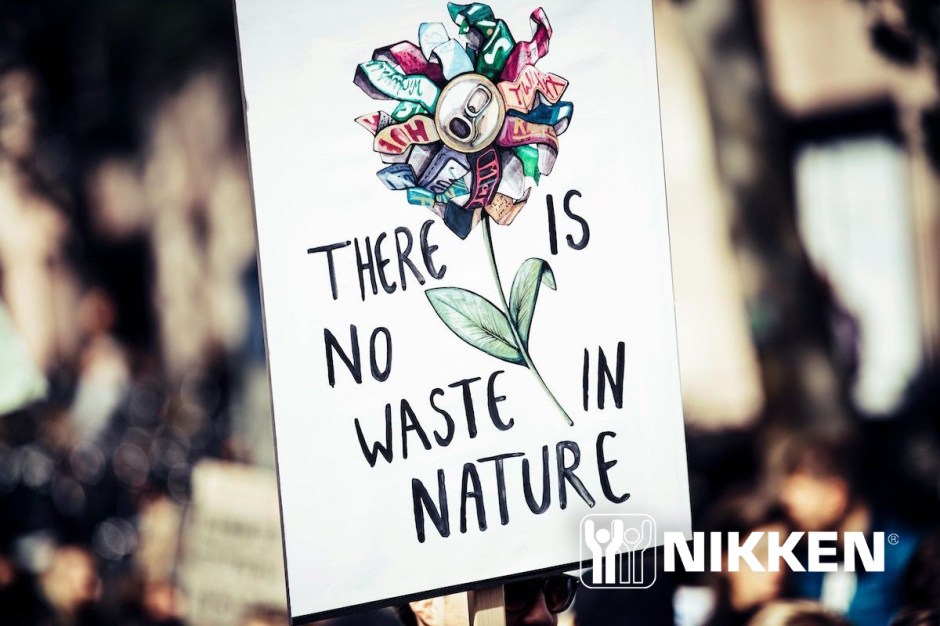
Mother Earth vs. Plastics

Earth Day is April 22. It has grown to become the largest global civic event, activating billions of people from 192 countries with one purpose: to protect Mother Earth so that future generations may have a brighter future. The theme for 2024 is “Planet vs. Plastics” with the commitment to end plastics for the sake of human and planetary health. The goal is to reduce plastic production 60% by 2040.1

Plastics don’t just create tons of waste for landfills and oceans. The health ramifications of ingesting micro- and nano-plastics are jarring. Even though just how detrimental they may be has not been fully understood, evidence is growing that plastics, microplastics and their associated additive chemicals may pose serious health risks to humans and other species, but especially to babies during key developmental stages, such as crawling, teething and tasting of inanimate objects.2

Plastics have invaded our cities, towns, villages, and farmland. We use different types of plastic in every facet of industry and manufacturing: from making utensils to building cars to creating computers. Practically everything we use in the modern world has some component made of plastic. This ranges from fishing nets and furniture to microbeads found in soaps and toiletries, as well as items like tires, single-use water bottles, medical equipment, vitamin capsules, medicines, and beyond.

Perhaps most alarmingly of all, plastics and microplastics have been found bioaccumulating inside many living species, including inside us. The quantity of microplastics detectable in ambient air also depends on where you are in the world. Airborne microplastic concentrations range from 0.01 particles per cubic meter in parts of the Pacific Ocean to several thousand particles per cubic meter in cities like London and Beijing.3

Decreasing the use of plastic water bottles is such a simple way to help Mother Earth, and at least this knowledge is growing globally. Aside from the benefits of drinking PiMag® water for its alkalinity and nature-inspired filtration system, using a PiMag Sport Bottle when on-the-go and a PiMag Waterfall® at home, is an effortless way to ditch plastic water bottles. And, did you know wearing clothes made of natural fabrics, such as cotton or wool, also can help make a difference, because synthetic materials release microplastic fibers into the air?

At Nikken, we’re committed to supporting Mother Earth, so our products are inspired by nature and her timeless solutions. It’s really up to each individual to make small changes so that Mother Earth can be sustained for future generations to live well.

How do you connect to nature—are you listening to Mother Earth and her lessons?

1 https://www.earthday.org/earth-day-2024/

2,3 https://www.earthday.org/wp-content/uploads/2023/11/BVP-Report.pdf

Show Your Love with the Gift of Health and Hydration

There are so many ways to show your love and it should be a year-round effort. Valentine’s Day is celebrated in many parts of the world as a special day to show your love to your beloved, and the standard gifts are chocolates, flowers and jewelry. If you step out of that box, what about a gift that benefits the health of those you love?

Hydration is something people often take for granted, until they suffer the consequences of not having enough water in their systems. There are many reasons to stay hydrated, including to help digest food and absorb the nutrients, to lubricate our joints for smooth movement, to help remove waste from the body and even to help regulate body temperature.1 Proper hydration also helps ensure the teeth, gums and entire mouth stay healthy—water helps you make saliva, which helps keep food away from your teeth, as well as aiding in chewing, tasting and swallowing.

Did you know that water helps to produce hormones and neurotransmitters? Water also helps protect your internal organs and tissues and deliver oxygen throughout the body, while supporting the growth and reproduction of cells. In other words, water helps the body’s natural cycle of renewal.

What happens if you don’t stay hydrated? You will definitely not feel like your usual self, as your body doesn’t function well when dehydrated. You may feel dizzy, brain fog, fatigue, dry mouth, and even faint. Dehydration also puts you at risk of kidney stones, constipation, urinary tract infections and recurring headaches.

Depending on your activity levels, gender, age and diet, how much water you need to drink for health, varies. Since approximately 20% of the water we need comes from food, people who don’t eat plenty of fruits and vegetables need to drink more water. Rule of thumb: men need about 10 cups a day, women need about 8 and children need between 4 to 8 cups.2 The more active you are, the more water you need, especially if you exercise a lot and sweat. You need to replenish the water your body secretes.

To celebrate Valentine’s Day (February 14), why not give your loved ones a PiMag Waterfall® or PiMag® Sport Bottle so they not only can keep hydrated at home and on-the-move but also benefit from filtered alkaline water, almost like drinking spring water from nature? You will also be helping them use fewer plastic bottles and decrease their carbon footprint. And, through the end of this month, filter replacements are 20% off!  Happy Valentine’s Day from Nikken!

1,2  https://www.healthdirect.gov.au/drinking-water-and-your-health#not-enough

Do You Know About Plastic Microfibers?

Microplastics are tiny plastic particles that are smaller than 5 mc. They come from household items such as synthetic clothing, furniture and packaging. Every year, about 16% of the plastic produced in the world consists of textile fibers. In recent decades, production has grown by 6% and now equates to 60 million tons per year. Synthetic clothing is responsible for endless amounts of microfibers, which can even be found in drinking water.1

Microplastics washed off from synthetic clothes contribute up to 35% of the plastic particles polluting our oceans. When we do laundry, an average of nine million microfibers end up in wastewater treatment plants that cannot filter them.2 These unfiltered microfibers add to the plastic waste in the oceans.

Microplastics have been filling the oceans for years, but they also can be found indoors, especially within the dust on floors. Research shows that individuals may ingest microplastics at the rate of 11 particles per hour, and this occurs more through household dust and textiles than through consuming seafood, such as mussels. Researchers have found that the microplastics in wild mussels were low compared to those found in household dust.3

Until recently, research was focused on microfiber pollution through laundry washing. A recent study, however, shows how simply wearing synthetic clothes can pollute the environment. As many microplastic fibers are released into the air whenever we wear synthetic clothing as when we do laundry.4

To help reduce the amount of microplastics indoors:

• Choose products with less plastic packaging.

• Wear natural fabrics, such as cotton and wool, instead of synthetics, which are derived from petroleum-based chemicals.

• Wash synthetic clothing on a gentle cycle to decrease shedding.

• Use a HEPA air filtration system because it is effective at capturing microparticles.

From now through February 29, 2024, take advantage of 20% off select replacement filters! Be sure to check your KenkoAir Purifier® and keep its HEPA filter up-to-date. PiMag Waterfall® filter cartridges, PiMag® Sport Bottle filters and PiMag® Shower Systems filters are available at 20% off. Even Air Wellness Pro and Aqua Pour replacement filters are included in this special offer!

1, 2, 3, 4 https://www.plasticsoupfoundation.org/en/2018/03/how-damaging-is-breathing-in-microplastics/#:~:text=Plastic%20microfibers%20are%20not%20just,of%2011%20particles%20per%20hour.

Minimize Your Risk of Ingesting Micro- and Nano-Plastics

Bottled water. There probably isn’t anyone you know who doesn’t drink it sometimes. It’s just so convenient, it’s hard not to take advantage of it. Almost all of it is in plastic bottles and has been a major contributor to landfill and ocean waste. Just this month, bottled water is prominent in the news for yet another bad reason: microplastics and nanoplastics within in specific brands. The researchers are not disclosing the actual brands, but they’re letting the public know what the issues are.

A liter of bottled water contains nearly a quarter of a million pieces of nanoplastic on average, according to new research published in the Proceedings of the National Academy of Sciences.1Nanoplastics measure less than a micron, so picture a speck of household dust and think of a tiny part of that speck. The new research showed that nanoplastic particles in bottled water measured between 10 to 100 times higher than previously estimated.

Researchers contend that nanoplastics and microplastics, which are about the size of a grain of rice, end up in food and beverages during the manufacturing process as well as through plastic tubing used in machinery and leaching from packaging such as plastic bottles. How exactly they affect our overall health is being studied. So far, it is known that these nano- and micro-plastics can cross the blood-brain barrier, enter the placenta and even show up in urine.2

Dr. Konstantinos Lazaridis, a gastroenterologist who studies the role of environmental factors in liver disease at Mayo Clinic says, “It’s possible that tiny plastic pieces simply pass through most people’s bodies without causing much harm, or it might be that these environmental particles only have an impact in people who already have genetic predispositions to disease.”3

Nevertheless, it seems that avoiding bottled water may be most prudent. Douglas Walker, an analytical chemist at Emory University says, “Additives and chemicals found within plastic, like BPA, have been linked to increased blood pressure and type 2 diabetes; PFAs may affect fertility; and phthalates may interfere with hormones.4

So, what is the best way to limit your exposure to nanoplastics and microplastics? Drink filtered tap water whenever possible. Filters that have a pore size of one micron or less can help reduce microplastics in your water; smaller micron pores will be better at filtering out smaller particles. Dr. Walker warns not to use filters that are made of plastic and to use ceramic or carbon filters instead.5

From now through February 29, 2024, take advantage of 20% off select PiMag replacement filters! And while you’re filtering your tap water through the PiMag Waterfall® and PiMag® Sport Bottle, why not check your KenkoAir Purifier® and keep its filter up-to-date as well?

1, 2, 3, 4, 5 https://www.nytimes.com/2024/01/11/well/live/bottled-water-nanoplastics.html

Nikken and Biomimicry

In a constantly evolving world, Nikken found inspiration in nature’s timeless solutions. Our founder developed the very first Nikken product based on his intuitive adaptation of the age-old knowledge of magnets as a source of energy and electrical currents. Japanese baths and walkways are embedded with pebbles that simulate the texture and effect of natural magnets. Pressure points throughout the soles of our feet are stimulated when walking on the pebbly and magnetic surfaces. Made now with patented DynaFlux® technology, Kenko mSteps® and Kenko mStrides® are embedded with naturally powerful ferrite magnets. This is biomimicry.

Biomimicry is the art of learning from and emulating nature’s brilliance to solve our problems and to create sustainable solutions. Nature is our guide, as we combine the best designs from its storehouse with creative technology to make products that are holistic and nature-inspired.

In a natural environment, spring water is filtered, purified and filled with minerals that are essential for maintaining optimal functions in our body. Mimicking these natural compositions generates an exceptional source of the ideal water that every cell in our body needs for smart hydration. The PiMag® water systems exemplify biomimicry, from its magnetic filtration to its alkalinity and the mineral stones in the Waterfall.

Biomimicry is akin to observing how certain natural elements or forces influence organisms and then applying similar principles to restore balance and support in our increasingly stressful world. For example, by using magnetic and massage stimulation, we seek to influence the body’s natural responses to external stimuli.

Air abundant in negative ions can be experienced as a “fresh air” feeling such as the revitalizing air near waterfalls and forests. Negative ionization technologies enhance air filtration to bring pure air into our homes. The KenkoAir Purifier® is biomimicry at a high level!

Ceramic reflective fibers work like the sun’s spectrum, bringing this comforting technology to our homes.  Using energy from our bodies, these fibers gently reflect a soothing warmth, creating support for the body’s natural processes and promoting a sense of well-being for less stress, restful sleep and vital energy. Ceramic reflective technology is biomimicry found in KenkoTherm wraps, Kenko Sleep Systems, and Kenko jewelry.

At Nikken, we strive to create balance in the 5 Pillars of Wellness by bringing nature into every home. Through biomimicry, we can live on planet Earth and thrive —just as nature intended! This is Nikken—Inspired by Nature.

Make 2024 a Year of Fresh Air and Clean Water

Nikken has been at the forefront of water and air filtration for years. Our water and air filtration units are inspired by nature. PiMag filters mimic the natural filtration processes found in waterfalls as they flow over streams and rocks. The KenkoAir Purifier uses negative ion technology that replicates the fresh air quality found in natural surroundings such as forests and lakes. Using Nikken filtration systems not only keeps your indoor air and water supply fresh and clean, they help bring nature into your Wellness Home.

Not only do Nikken air and water filtration units perform above expectations, they have unusually long lifespans, which decreases your carbon footprint. However, to maintain their potential longevity, the filter replacements should be regularly changed according to specific schedules.

  • The PiMag® Sport Bottle uses state-of-the-art filtration technology that exceeds standards for reducing particulates, chlorine, chloramine, taste and odor, cysts, lead, bacteria, VOCs, MTBE and more.

The recommendation for changing the filter is approximately three months of average use or up to an estimated 250 refills per filter. Choose item #13503 for the Replacement Filter Pack.

  • The PiMag Waterfall® is the eco-friendly Sport Bottle’s counterpart for the home and office. It also exceeds standards as mentioned above.

The recommendation for changing the filter is 3-6 months or 238 gallons or 900 liters, whichever comes first. Choose item 13845. Mineral stones should be changed annually. Choose item #13846.

  • The PiMag MicroJet® Shower System has been tested and effectively helps reduce chlorine exposure. While most chlorine-reduction systems in shower filters merely trap chlorine or add other chemicals to counteract it, the PiMag MicroJet uses a reduction/oxidation process to neutralize chlorine ions. The MicroJet injects air into the shower stream to increase the electronegative potential of the water for more effective filtration. Micro-bubbles are released through the nozzle to provide an exceptional cleansing action.

The recommendation for changing the filter for the hand-held model is every 6,600 gallons or 22, 700 liters or three months, whichever comes first. Choose Item #14661.

The recommendation for changing the filter for the wall mount model is every 12,000 gallons or 45,400 liters or six months, whichever comes first. Choose Item #13831.

  • The KenkoAir Purifier® exceeds the measured efficiency of capturing up to 99.95% of 0.3 micron particles in the air. It’s more efficient than standard store models and unlike typical air filters, this advanced system helps generate negative-ions similar to those found in natural environments.

The recommendation for changing the filters is every six months. Be sure to clean the reusable prefilter when the other filters are replaced. Choose Item #1445.

As we ring in 2024, take advantage of the replacement filter offer of 20% off, now through February 29!