Walking Helps You Feel Wonderful

Every animal species moves by land, water or air. The human body is made for walking. Walking increases blood flow throughout the body and this has multiple benefits, especially when contemporary lifestyles too often are sedentary.

Walking provides many benefits:

•          When the heart pumps faster, it is exercising. Increased blood flow gives the heart a workout by raising the heart rate.

•          Joint discomforts? If you can work through the discomfort gradually by walking a little bit every day, eventually you will become more flexible and less uncomfortable, because walking daily can help ease stiffness. Since walking is low-impact, it is much safer than jogging or running.

•          It’s a safe way to build up the bones and help retain the bone mineral that is necessary to keep bones healthy. Since exercise supports bone density, regularly walking may help with balance, flexibility and overall fitness. Good balance and flexibility decrease the likelihood of falls that may lead to bones breaking or fracturing.

•          Do you spend a lot of time seated? Sitting actually strains back muscles, especially if you have poor posture. An easy way to relieve back tension is to stand up, stretch and take a brisk walk. Walking can help strengthen your core back muscles and therefore help to reduce strain.

•          Walking can help maintain healthy blood sugar levels. When your heart rate increases, your body begins using more glucose that’s in the blood.

•          You can speed up your metabolism with regular exercise such as walking. Metabolism is the rate at which the body converts calories into energy. If you input calories without burning them, you gain weight. When you walk, the muscles use up calories, converting fats and sugars into energy, helping to manage weight.

•          Walking gives your lungs a workout by requiring them to supply more oxygen to the body than when you’re at rest or not moving. Walking, like other exercises, force the lungs to work harder and therefore become stronger. Even when you’re not aware of it, you inhale and exhale more fully when walking.

•          A great way to reduce stress, walking helps release endorphins and hormones, which may help you feel happy and energized. Walking also may help uplift your spirits if you are feeling down. Reducing the release of stress hormones helps the body become less susceptible to illness.

•          Physical activities such as walking may help clear out the airways before they can manifest into any number of issues in the body. Because blood flow increases during movement, antibodies and white blood cells are circulating in the body more quickly, which supports the immune system. The increased blood flow may also help remove particles in the air around you, and the body’s response to them.

•          In some cultures, the whole family takes a walk together after the evening meal. It serves as a bonding ritual, but physiologically, it helps digestion! In fact, walking stimulates the digestive system to work faster, which in effect, helps excess food leave the body more quickly!

•          A study conducted among people who have difficulties sleeping found that walking reduced the time it took them to fall asleep. It also lengthened the time they spent sleeping. The increase in body temperature and the cooling afterward can also promote sleep.1

•          Walking increase blood flow throughout the body and the skin is the largest organ. Blood flow to the skin encourages the skin’s natural cycle of repair and helps keep skin moist—well-hydrated appears less wrinkly.

•          “Use it or lose it.” If you don’t use your feet for walking, they will weaken. To strengthen foot muscles (link to https://nikkenactivewellness.com/2023/07/20/your-feet-are-your-bodys-foundation/) walk! If you haven’t been on walking consistently, start off slowly and increase your time a little bit every week.

When walking during the hot summer months, be sure to wear light-colored, loose-fitting clothing, sunglasses and a hat. Drink a tall glass of water before starting out and remember to bring a PiMag® Sport Bottle with you and sip along the way. Try to avoid the hottest hours of the day, and look for trails or streets with plenty of shady areas.

If walking has been part of your personal Nikken Summer Challenge, congratulations, and we hope you will keep it as part of your permanent total wellness regimen!

1 https://medical-news.org/30-things-that-happen-when-walking-every-day/11703/

Why is It so Hot This Summer?

Regardless of where you live, summer is known as the warm season, a welcome change from the colder months. This year, summer is among the hottest ever. In early July, several days set unofficial global temperature records and June was the warmest on planet Earth since record-keeping began in 1850, according to the nonprofit group Berkeley Earth.1

Global weather cycles are sending temperatures sky high. And, the trend is that it will continue to get hotter. Heat waves caused by an accumulation of high pressure in the atmosphere that compresses and heats up the air below, allows the sun to shine directly on the ground’s surfaces, including soil, sand, concrete and asphalt. During the long summer days and short nights, heat literally bakes the ground while the hot air rises. Because the hot air is trapped in a dome of pressure, it is called a heat dome. Heat domes have settled over different parts of the world, helping to cause an unusually hot summer.

The U.S. Climate Prediction Center has announced that El Niño conditions are already discernible. A far-reaching climate pattern caused by warm water spreading along the equator in the Pacific Ocean, El Niño increases already high temperatures as it transfers heat from the Pacific into the atmosphere. In fact, it may have caused early heat waves in Asia.2

NASA climate scientist Gavin Schmidt says, “The heat waves that we’re seeing in the U.S. and in Europe and China are demolishing records left, right and center. We are seeing unprecedented changes all over the world. With a natural El Niño warming of the Pacific adding the the human-caused climate change largely from the burning of coal, oil and gas, this is not a surprise.”3

According to the world’s top climate scientists, “Our cars, factories, and power plants have warmed the world by about 1.2 degrees Celsius (about 2 degrees Fahrenheit) since the dawn of the Industrial Revolution. We’re going to blow past 1.5 degrees Celsius in a matter of years without a dramatic reduction of fossil fuel emissions and the proliferation of technologies to pull carbon dioxide out of the air.”4

Oceans around the world were also at their hottest ever in June and got even hotter in July. And in Antarctica, sea ice forced oceans to record-low levels. Because ocean temperatures take much longer than land temperatures to warm up or cool down, this means the rest of the summer will likely continue to break records for heat—hotter extremes will become more common.

As we approach the last week of the Nikken Summer Challenge, be conscious of the heat, especially if you live in an area where wild fires or flash floods are prevalent this year. Remember to hydrate with clean alkaline PiMag® water, and stay safe!

1,2 https://www.vox.com/climate/23792498/excessive-heat-wave-summer-climate-el-nino

3, 4 https://abcnews.go.com/US/wireStory/hot-extreme-summer-halfway-101867967

Keeping Your Kids (and Yourself) Hydrated

One of the best ways to keep your kids hydrated is to start them on a water-drinking habit early in life. Healthy habits created during childhood help little ones grow into healthy adults.

The key to developing a good water-drinking habit is to introduce water as the drink of choice. It’s easily done when the little ones are weaning off breast milk and formula, but as they grow up and see what the older kids and the adults are them are drinking, it becomes more of a chore. Those juice boxes with convenient straws are tempting beverages to serve, but once the kids get a taste for a sweet liquid, it might be difficult to convince them that water is best.

Look around you and check out the grownups you know. Who drinks water and who avoids water? There are those who carry water bottles everywhere as well as those who pop a soda can whenever possible. There are the so-called health buffs who drink expensive “pure, not from concentrate” juices. By the time teenagers grow into adults, it’s much harder to break the habit of drinking sugary beverages and to focus on water. Nonetheless, it can be done.

Here are a few “tricks” to keep kids and grownups hydrated with water and to help them develop good drinking habits:

•          When they’re little, choose colorful straws and special sippy cups that are designated just for them. Drinking water can be fun and desirable when presented as “special.”

•          At home, set up a water station that’s within reach of children who can pour and serve themselves. This allows them to feel independent and make good choices on their own. Compliment them for making the right choice and helping themselves, even if they make a mess or spill.

•          Appeal to older kids’ sense of logic and responsibility. Teenagers want to look good, so discuss how water has no calories and is a great hydrator. Remind them that when water is dispensed from the faucet or a water filtration system such as the PiMag Waterfall® or PiMag® Sport Bottle, it can help decrease the amount of plastic waste humans create. Contemporary kids care about the ecosystem and may be even more aware of the environment than the adults surrounding them.

•          Have lemon, lime or orange slices available to add to the water you drink. You can also have on hand raspberries, sliced strawberries or kiwi and blackberries. These are healthy yet flavorful fruits to help transition from sweet beverages to water.  

•          Carry a water bottle such as the PiMag® Sport Bottle wherever you go and refill it throughout the day.

•          To help your water habit, choose water as your beverage even when eating out.

According to the authors of a 2015 study, “Ingesting water along with amino acids, fats and minerals seems to help the body take up and retain more water, and therefore maintain better levels of hydration, which is especially important following exercise and periods of heavy perspiration. Sipping water a little bit at a time prevents the kidneys from being overloaded and helps the body retain more water. For those hoping to stay optimally hydrated, a slow-and-steady approach to water consumption and coupling water with a little food is a more effective method than knocking back full glasses of water between meals.”1

Why not invite your family members to make hydration with water part of your Nikken  Summer Challenge?

1 https://time.com/5646632/how-much-water-to-drink/

All the Water We Will Ever Have

The water on Earth today is all the water we will ever have. Water is the liquid that makes life on Earth possible. As water cycles from the air to the land to the sea and back again, water shapes this planet and allows us to survive.

The ocean holds most of it, so more than 97% of the water on Earth is salty. That leaves less than 3% as fresh water—for land creatures to drink and for humans to use to make things. Most of the fresh water is locked up in glaciers and ice caps, and as those shrink, so does the fresh water supply.

Since human population continues to grow, that leaves less water for more people to use, and there is already a shortage of potable water in many parts of the world. In fact, half of the world’s fresh water can be found in only six countries! More than a billion people live without safe, clean water, and the number of thirsty people is growing.1

Water exists in three states: liquid, gas, and solid.

  • Liquid water comes out of clouds and fog in the air. It flows underground, in rivers and oceans. 
  • When water molecules escape from liquid water and float into the air, they turn into an invisible gas called water vapor.
  • When water freezes into a solid, ice forms—the water molecules arrange themselves into crystal structures. Most other solids are dense and sink, but ice floats. This is because the the empty spaces between the molecules act as flotation devices, similarly to the way a life preserver holds you up.

Because water is so useful, most people live along coastlines, rivers, and lakes. Where fresh water is limited, people have used many technologies — wells, dams and canals, to name a few — to store and move it. These technologies may damage habitats, and other species have to compete with humans for water. This may help explain why so many creatures that live in fresh water are becoming endangered species.2

Water is precious and the human race needs to respect and use it wisely. It is part of nature that needs to be conserved. Swamps, riverbanks, sources of groundwater, all need to be protected. Wetlands provide clean water for many species, including wild birds, fish and even plant life.

Chemicals, fertilizers and pesticides pollute lakes and oceans, harming wildlife and also harming human life. Plastic is a major polluter of our waterways and every single human being who drinks bottled water contributes to that growing mound of pollution.

The PiMag Waterfall® is designed to filter potable water the way a natural waterfall filters water. It even has mineral stones to replicate conditions found in nature.

The PiMag® Sport Bottle affords the convenience of a portable filtration system—similar to a mini Waterfall you can bring with you practically everywhere you go.

When you develop the filtered water habit and ditch bottled water, especially single-use plastic bottles, you contribute to the preservation of wildlife, both land and ocean, and the conservation of planet Earth’s precious water resources. Why not make the filtered water habit part of your Summer Challenge?

1, 2 https://www.amnh.org/explore/ology/water/what-is-water#:~:text=All%20living%20things%2C%20from%20tiny,almost%20no%20water%20at%20all.

Break the Junk Food Habit

Certain foods — particularly processed foods that are high in sugar, salt and fat — don’t just taste good, they also can be addictive, said scientists at a UC San Francisco symposium on food and addiction. 1 The good news is that we can break free of our cravings for junk food with a bit of discipline and a positive mindset.

Follow these tips to cut down on sugar and break the junk food habit:

•          Identify the triggers: Finding out what sets us off on a bad eating binge is key to nipping it in the bud. According to Kerri Boutelle, a UC San Diego professor of pediatrics and psychology, we have to control triggers as soon as possible.2

•          Learn to tolerate cravings: Professor Boutelle also says that cravings, such as those for sugar, are a learned response and people can be trained to extinguish that response and learn to ignore the cravings. The key is to realize that the cravings will eventually decrease. Cravings might last 10 minutes, and Boutelle’s research has found that people can gain more control over their favorite foods by looking at, smelling and only taking a small taste of them.

•    Plan meals ahead of time: Having a healthy meal prepared in advance may help us avoid unhealthy choices. Prepare meals that are limited in added sugar and saturated fat, contain little salt, and include many fruits, vegetables and whole grains. In fact, we can eat a great deal of healthy food without gaining weight and feel more satisfied than when eating junk food. Often a junk food binge results in plenty of stomach discomfort (and emotional guilt) afterwards. In other words, you will reduce the “food cue reactivity.” This is what researchers call our susceptibility to being influenced by the food smells, advertisements, and conversations surrounding us every day.3 Some recommended food to prepare in batches and to store in the refrigerator or freezer include brown rice, beans, stir-fried or roasted vegetables, or cold salads.

•          Choose healthy foods that are enjoyable: If we set unrealistic boundaries on eating, we are setting ourselves up for failure. To get rid of junk food, we need to replace them with foods we love. For example, we can eat a lot of watermelon to satisfy a sweet tooth. We can replace a milk chocolate bar with a small square of dark chocolate, full of antioxidants and minerals.

•          Be a good role model: Kids may be more prone to junk food than adults, so parents should limit their exposure to products with added sugar in their first years of life. Improper eating habits at a young age sets up children for possibly a lifelong battle with maintaining a healthy food regimen. No single factor is predictive, but genetics play a role, as does someone’s environment. The earlier and the more we are exposed to sugar and other addictive substances, the more likely we are to become trapped into desiring them.

•          Reduce intake of foods with added sugar: “The average amount of added sugar in the American diet is more than 20 teaspoons per day,” said Pat Crawford, senior director of research for UC’s Nutrition Policy Institute. “Since about half of this sugar comes in the form of beverages, we have to rethink our beverage choices. Water should be the beverage of choice.”4

•          Manage stress: “Stress changes how we metabolize food,” says Elissa Epel, Director of the UCSF Center for Obesity Assessment, Study, and Treatment and co-organizer of the food and addiction symposium.5  Eat mindfully, meditate and exercise, as exercise is a huge stressbuster. Under stress, people commonly turn to comfort foods high in sugar and fat. Highly stressed people who eat a lot of high-sugar, high-fat food also are more prone to health risks than low-stress people who eat the same amount of unhealthy food.

•          Expect some days to be better than others: Nobody’s perfect, so when we have a relapse, we simply need to move on to the next day and do better. If we take an all-or-nothing approach, it’s not realistic. Abstinence is not an option when it comes to eating. However, gradual abstinence from the craved junk food is actually the goal in total wellness.

Food manufacturers often create foods with the goal of igniting that craving sensation in consumers. They aim for the “bliss point” in a product. This is the point at which the eater experiences the ultimate pleasure, with not too much and not too little salty, sweet, and fatty flavors. These combinations are particularly hard to resist.6

When we know exactly which junk foods we want to eliminate, we can shop for replacements that are healthy alternatives, including snacks. Since the texture of food plays into our cravings, for example, some of us like crispy, crunchy junk food, while others may crave smooth, creamy items, finding healthy replacements with a similar feel makes it easier to switch over.

Seasonal fruits make great snacks that are easy to grab and go. Fruit has sugar, but it has a lot of vitamins, antioxidants, and water, too. It also contains fiber, which slows and balances out the effects on blood sugar. This prevents the sugar crash.7 Once we wean off of manufactured sugar, fruit will taste a lot sweeter and more satisfying. Fruits like apples, bananas, oranges pack in the nutrients and are easy to take anywhere. Use small containers or bags for cherries, blueberries, strawberries, raspberries and blackberries. And, during the summer months, watermelon is a sweet and crunchy delight that nutritionists recommend even for diabetic regimens, because it’s full of hydrating water content.

One great way to start dumping junk food is to eat plenty of healthy fats. Our bodies need fat and our palates crave fat, because they’re flavorful. We need to avoid or limit trans fats and saturated fats, but heart-healthy fats help us stay on the path of good nutrition. Nuts and avocado are high in healthy fats as are fatty fish, such as salmon. By the same token, protein helps us feel full, so incorporating healthy sources also help diminish junk food cravings. When we feel full, there’s generally less desire for junk food.

It’s generally believed that it takes about three months to form a habit that we can adhere to for a long time, even a lifetime. In that same way, our bodies and palates will grow accustomed to a junk food-free diet. We will actually evolve to prefer healthy foods such as fresh vegetables, fruit, grains and proteins. And because these healthy foods are nutrient-dense rather than empty calories, our bodies will start feeling more satisfied and eventually the junk food cravings will decrease and even go away.

Summer happens to be an excellent time to ditch the junk food and start on a lifetime of healthy eating. At Nikken, we have a Summer Challenge that goes through the end of August. Everyone can choose their own personal challenge—whether it’s to exercise more, hydrate consistently, quit the junk food diet, sleep better or all of the above.

Nikken is offering a Summer Challenge Pack with special pricing: one tub of Kenzen Vital Balance® Meal Replacement Mix that’s full of plant-based protein to help us feel full and is useful as a meal replacement or snack, one bottle of Kenzen® Digestion Complex 4-20 to provide digestive and enzymatic support, and one box of delicious Kenzen Jade GreenZymes® Citrus with 30 premeasured packets of organic young barley grass and organic inulin for prebiotic and overall nutritional aid. (US item code 4472/ CAN item code 4473)

1, 2, 4, 5 https://www.universityofcalifornia.edu/news/how-break-junk-food-habit

3, 6, 7 https://www.healthline.com/health/food-nutrition/how-to-stop-eating-junk-food

Why Filter Potable Tap Water?

We often take water for granted, especially when we live in areas with free-running tap water 24/7. Then the unthinkable happens and we become more aware. For example, in 2014, there was a water crisis in Flint, Michigan, due to lead contamination. It’s been nine years and the people who live there are still dealing with the after effects. And, as recently as last year, the residents of Jackson, Mississippi, were left without potable water and that problem is ongoing. Even in Canada, a country that has multitudes of lakes, is home to First Nations people who continue to have to boil water to decontaminate it.

What’s going on? Why is potable tap water not the “safe” and convenient choice even in North America and parts of Europe? We’ve long known not to drink tap water in many countries when we travel, and that has added to the rampant use of single-use bottled water.

In the United States, the Environmental Protection Agency (EPA) regulates public tap water used for drinking. The EPA sets limits on how much of an element that may be harmful to human health is allowed in the water supply. Limits are based on the amount deemed safe for human consumption and how much the water treatment facilities are capable of removing.

According to Sarah Grady, a science analyst at the Environmental Working Group (EWG), “There’s a gap between what is legal and what is safe.”1 She explains that many regulations are based on “old science” and therefore are insufficient to keep current water supplies safe. In other words, even when tap water is considered potable, it might not be completely safe. The EWG therefore maintains their own tap water database with stricter limits determined by peer-reviewed studies, research from state agencies and their own scientists.

Drinking tap water can be risky, not just when traveling to so-called third-world countries.

•          In the United States, about 90% of the population obtain tap water from a public water system. This water comes from a lake, reservoir, river or aquifer, which is piped into a water treatment facility. The “treatment” involves adding chemicals that bind to pollutants that may be in the natural water, so that they can be sifted out.2 This process makes it drinkable, but  the water contains chemicals.

•          The chemicals added to the water are disinfectants such as chlorine and chloramine. These chemicals are known to help kill pathogens in the water as well as any that might be contained in the water pipes themselves.3

•          Water treatment facilities vary in their capabilities, depending on location and funding. A study published in 2018 cites that 21 million people were exposed to tap water that violated federal guidelines in 2015. According to Maura Allaire, a water quality expert at the University of California in Irvine, the most common sources of the violations stemmed from unsafe levels of bacteria and viruses, nitrates, arsenic and harmful byproducts from the disinfectants themselves.4 It’s a catch-22 in that disinfectants are added to address contaminants but they create a whole different set of potentially harmful aspects.

•          Studies conducted on drinking water have shown that PFAS (per-and polyfluoroalkyl substances) are commonly found throughout the U.S. These chemicals have been found in our blood and are linked to serious health issues, including cancer. PFAS are pollutants that are sometimes called “forever chemicals” because they last in the environment for so many years. The EPA just this year has proposed rules to address PFAS at the federal level in order to try and remove these toxins. Meanwhile, PFAS have been contaminating water supplies for decades.4

•          The EPA has identified and regulates 90 water contaminants. There are many more that are identified and not yet regulated. They include 66 chemicals, 12 microbes and all PFAS, six of which were recently named as specific ones to limit.5 The gap between identifying toxins, providing substantiated proof of harm, proposing regulations, and finding funding to enact the rules is unfortunately huge. Meanwhile, people continue drinking the so-called potable tap water.

Nikken has been a vocal champion of hydration and clean drinking water for decades and now more than ever, our Global Wellness Community is at the forefront of the movement to filter potable tap water for our health and that of our children. The PiMag Waterfall® and PiMag® Sport Bottle are simple to use and help make potable tap water cleaner and better tasting. They provide convenience at home and when traveling.

Now through the end of the month, get PiMag® replacement filters at 20% off!  The PiMag Waterfall filters 900 liters or 238 gallons before replacement is needed, and the PiMag Sport Bottle filters 40 gallons or 151 liters per cartridge. You benefit from clean alkaline water, and help decrease plastic waste!

1, 2, 3, 4, 5 National Geographic, Is tap wate rsafe to drink?, Sarah Gibbens, March 20, 2023.

We Can Help Curtail the Great Pacific Garbage Patch

The Great Pacific Garbage Patch, which is twice the size of Texas, is the largest accumulation of ocean plastic in the world. The patch is bounded by an enormous gyre –the biggest of five huge, spinning circular currents in the world’s oceans that pull trash towards the center and trap it there, creating a garbage vortex.

The Ocean Cleanup initiative estimates there are about 1.8 trillion pieces of plastic in the patch that weigh an estimated 80,000 tons. The majority of the plastic found in the patch comes from the fishing industry, while between 10% and 20% of the total volume can be traced back to the 2011 Japanese tsunami.1

According to the UN Environment Program (UNEP), the world produces around 460 million tons of plastic a year, which will triple by 2060 without urgent action. Globally, only about 9% of plastic waste is recycled, and as much as 22% of all plastic waste is mismanaged and ends up as litter, with large amounts making it into the oceans.2

The Ocean Cleanup has built a huge trash-collecting system, a U-shaped barrier with a net-like skirt that hangs below the surface of the water. It moves with the current and collects faster-moving plastics as they float by, but cleanup is only part of the solution. A study published recently said that without urgent policy action, the rate at which plastics enter the oceans could increase by around 2.6 times between now and 2040.3

More than one million bottles of water are sold every minute around the world and the sindustry shows no sign of slowing down. Global sales of bottled water are expected to nearly double by 2030. Researchers analyzed data from 109 countries and found that the bottled water industry saw a 73% growth in sales from 2010 to 2020, making it one of the fastest-growing industries in the world. In 2021, global bottled water sales reached 350 billion liters and were valued at an estimated $270 billion, a figure expected to soar to $500 billion by 2030.4

Bottled water is popular throughout the world, with the US, China and Indonesia having the largest number of consumers. Countries in the Global South together represent roughly 60% of the market. A report by the UN University’s Institute for Water, Environment and Health showed that the bottled water industry generated roughly 600 billion plastic bottles and containers in 2021, resulting in 25 million tons of plastic waste, most of which was not recycled and ended in landfills.5

Fossil fuels are the raw ingredient for the vast majority of plastics, which have a heavy carbon footprint from manufacturing through to disposal. Around 85% of plastic water bottles, which can take up to 1,000 years to degrade, end up as waste in the ocean, adding to a vast swirl of plastic waste that poses a serious threat to marine life.6

The UN Environment Assembly passed a historic resolution last year to end plastic pollution and create the world’s first global plastic pollution treaty by 2024 – a legally binding agreement that would address the full life cycle of plastic, from its production and design to its disposal.

Each one of us can make it a personal goal to reduce plastic disposals every single day. The easiest way is to break the habit of single-use plastic bottles. All we have to do is make it a matter of routine to use re-usable water bottles and carry them with us. Nikken has outstanding water filters, namely the PiMag Waterfall® and PiMag® Sport Bottle. The replacement filters are recyclable, the water is refreshing and alkalized through the filtration process, and each time we drink from them, we know we are doing our part to live in harmony with nature.

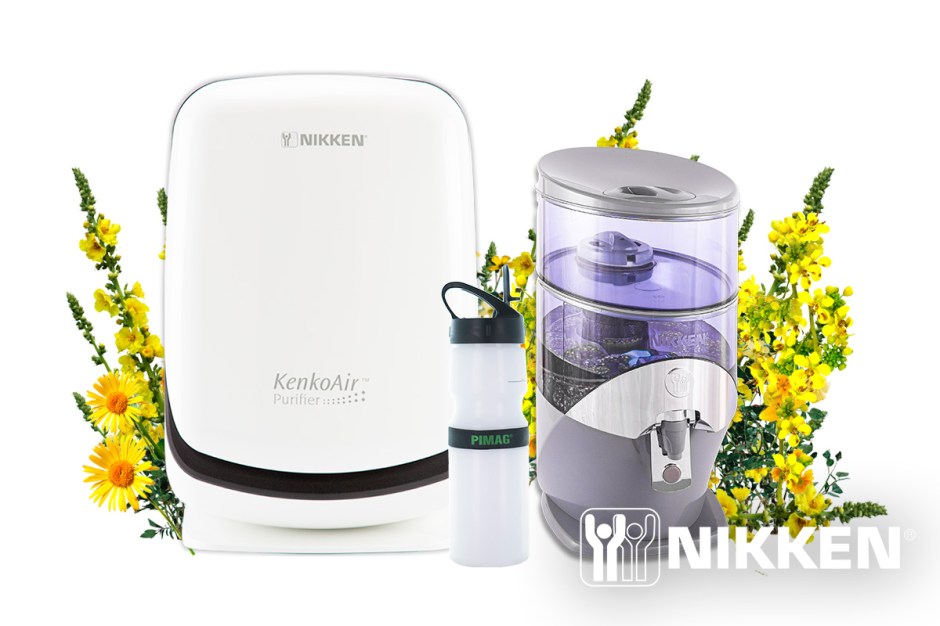
Now through June 30, receive 20% off the PiMag® replacement filters for both the Sport Bottle and the Waterfall, along with the replacement filters for the PiMag MicroJet® Shower Systems and the KenkoAir Purifier®. It’s a win-win as we practice our total wellness lifestyle and help our oceans and marine sustain their survival.

1, 2, 3 https://www.cnn.com/2023/04/17/world/plastic-pollution-ocean-ecosystems-intl-climate/index.html

4, 5, 6 https://www.cnn.com/2023/03/16/world/plastic-water-bottles-un-report-climate/index.html

Embracing Spring Cleaning and Warmer Weather

Spring is here and that usually means warmer weather, more sunshine and frequent but short showers—all helping flowers to bloom and foliage to grow. That adds up to more outdoor activities, such as hiking, running, swimming, yard work and picnics. While outdoors, we’re breathing in a mixture of pollen, clean and polluted air, and depending on the location, possibly industrial waste.

Spring is also a time of renewal and part of that is the universal embrace of spring cleaning. In fact, in many parts of Asia, spring cleaning involves not only one’s house but also the gravesites of ancestors. It’s a way to celebrate the gifts that the spring season brings to the living and remembrance and honor to those who have gone by keeping their resting places swept and clean.

The average American spends 80% of their lives indoors, where the air quality may actually be worse than the air quality outdoors! Depending on where we live, clean air and potable water can be valuable commodities rather than the norm. The rite of spring cleaning addresses indoor air pollutants and the need to hydrate more as the climate changes.

Even when outdoor air is breathable and water is potable, we run the risk of bad indoor air quality that can cause respiratory issues or other ailments. Air pollutants can range from contaminants brought in by pets, dust mites, spores, mold and mildew, or even harmful gases like carbon monoxide and radon, or volatile chemicals emitted from conventional cleaners and cooking.1

These air pollutants and allergens can cause respiratory problems and flare-ups in people who already have breathing issues. Children, people with asthma and the elderly may be especially sensitive to indoor pollution. These same people often do not stay well hydrated and other health issues can arise.This is why it’s so important to use water and air filtration units.

Nikken is committed to creating environmentally-friendly products that are in harmony with nature. They help us to breathe clean air, to live a a wellness lifestyle and to keep hydrated with alkaline water. When we’re spring cleaning, it’s the perfect time to make sure all our water and air filters are changed in a timely way!

  • The KenkoAir Purifier® exceeds the measured efficiency of capturing up to 99.95% of 0.3 micron particles in the air. It’s 35% more efficient than standard models and saves a minimum of 215 kilowatt-hours per year. Unlike typical air filters, this advanced system helps generate negative-ions similar to those found in natural environments.

Nikken recommends changing the filters every six months. Be sure to clean the reusable prefilter when the other filters are replaced. Choose Item #1444.

  • The PiMag® Sport Bottle uses state-of-the-art filtration technology that exceeds NSF standards for reducing particulates, chlorine, chloramine, taste and odor, cysts, lead, bacteria, VOCs, MTBE and more.

Nikken recommends changing the filter approximately every 40 gallons or three months of average use or up to an estimated 250 refills per filter. Choose item #13503 for the Replacement Filter Pack.

  • The PiMag Waterfall® is the eco-friendly Sport Bottle’s counterpart for the home and office. It also exceeds NSF standards as mentioned above.

Nikken recommends changing the filter every 3- 6 months or 900 liters/238 gallons, whichever comes first. Choose item 13845. Mineral stones should be changed annually. Choose item #13846.

  • The PiMag MicroJet® Shower System has also been tested according to NSF standards and been proven to effectively reduce chlorine exposure. While most chlorine-reduction systems in shower filters merely trap chlorine or add other chemicals to counteract it, the PiMag MicroJet uses a reduction/oxidation process to neutralize chlorine ions. The MicroJet injects air into the shower stream to increase the electronegative potential of the water for more effective filtration. Micro-bubbles are released through the nozzle to provide an exceptional cleansing action.

Nikken recommends changing the filter for the hand held model every 5,000 gallons or three months, based on average use. Choose Item #14661.

Nikken recommends changing the filter for the wall mount model every 10,000 gallons or six months, based on average use. Choose Item #13831.

Healthy Routines for Healthy Hearts

There are many ways to help keep our hearts healthy, our circulation smooth and our blood vessels free of plaque. Certain conditions are inherited, but being aware of them can help us embrace the Active Wellness habits that counteract them. Our habits start with choices, and it depends on what we’re willing to do, give up or add to our lifestyles.

No smoking: It’s been decades since the benefits of not smoking cigarettes have been brought to light, but now, there are so many things other than cigarettes to smoke. The truth of the matter is, none of it is good for our heart or lungs—some substances can alleviate pain or quell nausea, but inhaled habitually, can cause heart and lung damage. In other words, quitting smoking means stopping the inhalation of a whole range of things—and vaping is ill-advised, too. The American Heart Association, National Heart, Lung and Blood Institute, and Centers for Disease Control & Prevention jointly encourage all smokers to quit!1

Curb belly fat: Certain parts of the body have a special impact on heart health. Research in the Journal of the American College of Cardiology has linked excess belly fat to higher blood pressure and unhealthy blood lip levels.2 Health practitioners advise us to try to decrease the belly fat through diet and exercise, not just from spot routines. In other words, a hundred sit-ups a day won’t get rid of belly fat, but losing some weight by eating better (or less) combined with a daily exercise routine that includes some form of cardio or aerobic activity, may do the trick.

Healthy snacks: We all know that eating right is critical for good health. When trying to eat the right foods, one of the things that is hard to do is to give up unhealthy snacking. The good news is that there are actually healthy snacks we can incorporate into our diets. One example is chips and salsa. The salsa is a delightful mix of healthy vegetables as long as we don’t oversalt it. Add in some whole or blended beans—black, white, pinto, any other choices—and the salsa gets a big boost of heart-healthy fiber. According to the Mayo Clinic, a diet rich in soluble fiber can help lower LDL (bad cholesterol).

Omega-3 fatty acids: Another source of heart-healthy food is fish, due to its omega-3 fatty acid content. Not all fish are equal, but salmon, tuna, sardines and herring, for example, contain good amounts of omega-3 fatty acids. Nutritionists recommend eating fish twice a week, with the health benefits outweighing the risks of mercury ingestion.3  If you’re a vegetarian, our Kenzen® Omega Green + DHA is a great source of omega-3 fatty acids.

Eat the color spectrum: Have you heard the saying, “eat the rainbow?” This simply means that a heart-healthy diet can be made up of naturally colorful food—green, red, yellow, orange, purple and blue—easily found in vegetables and fruits. Think of favorite fruits and vegetables and simply incorporate them into meals or eat them in between meals.

A half teaspoon of salt a day: Researchers have reported in The New England Journal of Medicine that a half teaspoon of salt is all we need per day!4 Salt is apparently one of the leading culprits of high blood pressure which in turn causes heart disease. Salt is a hidden menace found in excessive quantities in processed foods, many restaurant foods and especially fast-foods. Breaking the salt habit can be challenging, but for starters, never salt anything without tasting it first!

Dark chocolate: Dark chocolate contains heart-healthy flavonoids. These compounds help reduce inflammation and may lower the risk of heart disease, according to scientists in the journal Nutrients. Incorporating dark chocolate into a diet is prudent but not in copious amounts—a couple of squares is recommended.

Go Nuts: Thankfully, some fats are actually good for us! These heart-healthy fats come in the form of almonds, walnuts, pecans and even moderate amounts of peanuts. They also contain protein and fiber that act as fuel and digestive helpers. Although high in healthy fats, they’re also high-calorie so nutritionists advise eating small amounts daily.

7% fat daily: Like salt, decreasing fat intake daily to just 7% of our daily calories can help lower the risk of heart disease, according to the USDA. One way to help calculate our intake is to read the nutrition labels on the food we buy.

Eat breakfast: Although intermittent fasting is trending for weight loss, breakfast truly is an important meal of the day, if not the most important one. To build a heart-healthy meal that ends the overnight “fast,” incorporate whole grains, such as oatmeal, lean protein such as peanut butter, yogurt or low-fat dairy milk from animal or vegetable sources) and fruit, especially berries high in antioxidants and polyphenols.

Drink tea: Black or green, it’s our choice and either is healthy for the heart. In fact, drinking one to three cups of tea every day may help lower the risk of heart problems. So, have a “cuppa” and enjoy the possibility of lowering the risk of angina and heart attacks!

Fun exercises: Not everyone likes going to the gym and working out, but regular exercise is important for sustained heart health. In fact, sitting for too much of the day is now considered as bad as smoking! It’s therefore imperative to get a move on! There are many alternatives to working out. For example, dancing raises the heart rate and gets the lungs pumping. It also burns up to 200 calories or more per hour, and listening to music while dancing is an added pleasure. Walking, swimming, running/jogging, rowing, hiking and so forth, are all great alternatives to the gym and you can connect with nature at the same time.

Yoga: Another ongoing trend is the practice of yoga. Since it originated in India more than 5,000 years go, this “trend” has proven it’s here to stay. The western world had some catching up to do, but has now shown that yoga has the potential to improve heart health. By stretching virtually every part of the body (even ears, nose and mouth), yoga can help improve balance, flexibility and strength. It also helps relieve stress and helps improve sleep, all adding up to maintaining a healthy heart.

Make your HaHas Loud: This is such a great to-do to incorporate into an Active Wellness lifestyle. Laughing out loud may be good for the heart, according to the American Health Association. Laughing out loud has been found to lower stress hormones, decrease inflammation on arteries and raise levels of high-density lipoprotein (HLD or good cholesterol).

Gum and tooth health: Cleveland Clinic researchers have found that bacteria that can cause gum disease also may raise the risk of heart disease. Findings to date are mixed, but there’s only good that come of keeping teeth and gums healthy. Brush and floss every day if you don’t already, and see the results.

Get enough sleep: When we don’t get enough sleep, the heart is significantly impacted.5 It’s no surprise that the entire body needs its rest, but the heart works 24/7 and really needs to rest!

Remember, Kenzen® Nutrition is here to help fill in the gaps of anyone’s diet! From now until March 23, 2023, each purchase of a PiMag Waterfall® will be accompanied by a bonus bottle of Kenzen® Immunity; each purchase of a KenkoAir Purifier® will have a bonus bottle of Kenzen® Clarity; and each purchase of a Kenko Sleep Pack will contain a bonus bottle of Kenzen® Joint.

1, 2 3, 4 https://www.healthline.com/health/healthy-heart-tips#know-your-numbers

5 https://www.scripps.org/news_items/5146-5-heart-healthy-habits

Stress and the Mighty Trio: Immunity, Mental Clarity and Mobility

Stress is the body’s way of responding to any kind of demand or threat. When you sense danger—whether it’s real or imagined—the body’s defenses kick into high gear in a rapid, automatic process known as the “fight-or-flight” reaction or the “stress response.”1

When working properly, the stress response protects us and allows us to stay focused and alert. For example, to avoid a car accident, we might slam on the brakes as our stress response. In this way, stress is a positive part of our lives.

Too much stress, however, can cause major damage to our bodies and minds—not only to health, but also to mood, productivity, relationships and overall quality of life. Stress can definitely put a damper on the pursuit of an Active Wellness lifestyle.

The varying levels of stress can be likened to a spectrum. At one end is “eustress,” the manageable levels of stress that help tackle challenges at work, school, or in relationships. Eustress does not necessarily feel comfortable, but it is useful and can help us succeed.

At the opposite end of the spectrum is “distress.” This is the type of stress that is destructive—it disrupts sleep and creates undesired tension, mood disorders and a negative outlook. Distress can occur when we are too busy at work, owe money, are grieving or suffering any type of painful loss.

Our personalities and perspectives on how we work, compete or play can affect whether stress takes the form of eustress or distress. For example, if there is a looming deadline and it worries or overwhelms us, we are going to experience distress. If that same deadline creates a sense of excitement about the ensuing outcome, we would experience eustress. We therefore are somewhat in control of the stress we live with, but we cannot foresee the future or the unknown.

When we get stressed out frequently, the body exists in a heightened state of anxiety most of the time. That can lead to serious health problems, since chronic stress disrupts nearly every system in the body and its functions. It can suppress the immune system, upset the digestive and reproductive systems, increase the risk of heart attack and stroke, and speed up the aging process. It can even rewire the brain, leaving us more vulnerable to anxiety, depression, and other mental health problems.2

Chronic stress occurs because stress is sneaky. It can creep up on us and we get so used to feeling stressed out that we don’t even notice its ill effects until they manifest in disturbing ways. That’s why it’s important to be aware of the symptoms that chronic stress can cause.

The three main areas that stress impacts are immunity, mental clarity and mobility. We need a strong immune system to fight disease, but stress weakens the body’s defenses. Stress can reduce the number of natural killer cells or lymphocytes in the body, which are needed to fight viruses, according to the American Psychological Association. It makes us catch colds or the flu more easily, for example.

Chronic stress can produce higher-than-normal levels of the hormone cortisol. This can hamper the body’s anti-inflammatory response and cause continual infections, according to recent immunology research studies.3

Issues with mental clarity include memory problems, inability to concentrate, poor judgment, persistent anxiety, runaway thoughts, constant worrying, moodiness, irritability and depression.

Mobility is affected when stress causes pain, tightness, soreness or spasms in the muscles. According to the American Psychological Association, muscles tense up during stress. When the stress is gone, the muscles then relax and release the built-up tension.

Other physical symptoms include skin breakouts, irregular heartbeats, fluctuating weight, trouble sleeping, indigestion and other digestive issues. If inflammation is persistent and widespread, it can contribute to chronic diseases, including the buildup of plaque on the arterial walls. This is just one of the many factors at play in the complex relationship between stress and the heart.  Stress is related to heart rhythm abnormalities, high blood pressure, stroke and asthma. Lung conditions include shortness of breath and rapid breathing.

Knowing our stress triggers can help us deal with them more effectively. Here are a few ways to cope with stress:

Exercise: Regular exercise is known to improve moods and relieve stress. Rhythmic exercises such as walking, running, swimming, and dancing are particularly effective, especially when focusing attention on the physical sensations of each movement.

Make human contact: In this day and age of electronic devices, we often spend more time with screens than with people. The simple act of talking face-to-face with another human can trigger hormones that relieve stress. Even a brief exchange of kind words or a friendly look from another human being can help calm and soothe the nervous system.

Use the senses: Sight, sound, taste, smell, touch. The key is to find the sensory input that works best for each individual. Does listening to an uplifting song produce calmness? Is the scent of a favorite flower soothing? Research has shown that the act of petting a dog or cat not only comforts the animal, but also the human.  Everyone responds to sensory input a little differently, so finding the best use of any of the five senses can be a fun experiment.

Relax. Some people are good at letting go of stress at the end of the day and can relax. Others need to consciously practice the art of relaxation. Yoga, meditation, and deep breathing activate the body’s relaxation response, a state of restfulness that is the polar opposite of the stress response. When practiced regularly, these activities can help reduce everyday stress levels and boost feelings of joy and serenity. They also may increase the ability to stay calm and collected under pressure.

Eat healthy food. “You are what you eat” doesn’t need to be taken literally, but it holds truth. Food can improve or worsen moods and affect how we cope with life’s stressors. Eating a diet full of processed and convenience food, refined carbohydrates, and sugary snacks can worsen symptoms of stress, while a diet rich in fresh fruit and vegetables, high-quality protein, and omega-3 fatty acids, can help us cope with life’s ups and downs.

Get enough sleep. Feeling tired can magnify stress. Getting restful sleep can be tricky because chronic stress can disrupt sleep. Making the sleep environment as comfortable as possible and adhering to a sleep cycle that allows for 6-8 hours can be helpful.

The pursuit of Active Wellness includes finding adequate ways to cope with stress. At Nikken, we have three nutritionals that may help in the “mighty trio”: Kenzen® Immunity, Clarity and Joint. From now until March 23, 2023, each purchase of a PiMag Waterfall® will be accompanied by a bonus bottle of Kenzen® Immunity; each purchase of a KenkoAir Purifier® will have a bonus bottle of Kenzen® Clarity; and each purchase of a Kenko Sleep Pack will contain a bonus bottle of Kenzen® Joint.

1, 2  https://www.helpguide.org/articles/stress/stress-symptoms-signs-and-causes

3, 4  https://health.umms.org/2020/11/10/stress-immune-system/