Differing Opinions May Lead to Better Team Decisions

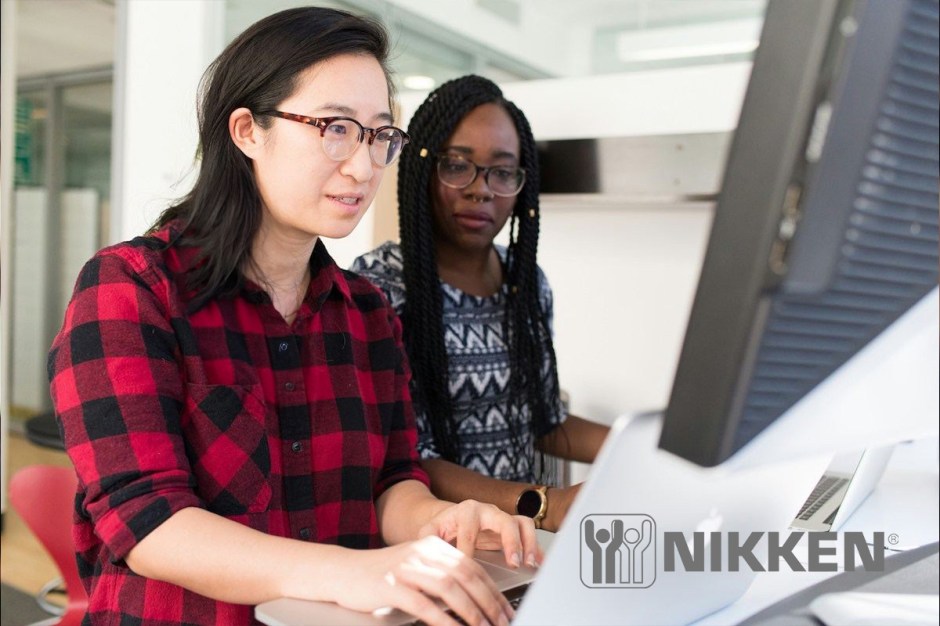
The importance of respecting differing opinions should not be underestimated. We are all unique with different perspectives which contribute to the strength of any team. It might sound counterintuitive, but having differing opinions on your team can actually create a more cohesive work environment.1 When each team member is treated fairly with every opinion seen as valid and valued, everyone can work together towards the same goal.

Imagine a team where everyone thinks alike, where there is no room for diverse opinions. While it may seem like a harmonious environment, it can actually limit the team’s potential for growth and innovation. When everyone has the same opinion, it can create a tunnel vision effect, where potential risks and alternative solutions are overlooked.

By having diverse opinions, teams can identify blind spots and consider alternative approaches that may have otherwise been missed. It is through the clash of differing opinions that new ideas are born, and existing ideas are challenged and refined.2

Of course, differing opinions can grow heated when not properly managed. There are basic steps that can help foster differing views as opportunities for growth and innovation, rather than as obstacles.

•          Create an environment of open communication. The entire team should be given carte blanche to express individual thoughts and ideas. In other words, team meetings should be safe spaces to share rather than to compete.

•          Be aware of introvert vs. extrovert personalities on the team. Make sure the extroverts don’t take up all the time in team meetings. The introverts may require a bit of prodding, but they often have great ideas that go unheard.

•          The most effective team leaders practice active listening. Make this something the entire team participates in. The mere act of listening respectfully to others can help create a mutually appreciative environment, regardless of the differences in perspectives.

•          Ask for constructive feedback. This becomes organic when the team functions cohesively with different perspectives seen as beneficial to the overall goals.

•          Share recognition of team members as a whole. Regardless of which “idea” serves as the springboard for new decisions, the whole team deserves credit for reaching a consensus.

Team unity and collaboration are the goals for healthy debates and varying perspectives. The same holds true for family discussions and strategic planning in any type of groups. Open- mindedness and encouraging individuals to speak up while respecting everyone else in the group is a great way to role model inclusivity for kids and peers.

1 https://cmdrecruitment.com/embracing-different-opinions-in-your-team/#:~:text=Differing%20opinions%20builds%20respect&text=Respect%20shows%20that%20we%20recognise,making%20the%20team%20more%20effective.

2 https://www.urbanchallenger.com/blog/how-to-resolve-with-differing-opinions-in-a-team

What Does “Feel Good” Mean to You?

Feeling good is defined differently by each individual, but there are basic aspects that serve as common denominators for almost everyone. Most obviously is the physical aspect. When you suffer from any kind of muscular, skeletal, joint or nerve discomfort, it is difficult to feel good. Yet, the renowned physicist Stephen Hawking who was wheelchair bound and unable to speak without a computer as helper, defied that concept. He famously said, “Remember to look up at the stars and not down at your feet. Try to make sense of what you see and wonder about what makes the universe exist. Be curious and however difficult life may seem, there is always something you can do and succeed at.”1

Aside from the physical, there are emotional, mental, or psychic aspects that are more nebulous and harder to define. Researchers at the University of California-Berkeley contend that feeling good stems from a person’s emotional state, which would certainly confirm how someone in Stephen Hawking’s physical state could be so positive and relay his “feel good” attitude. The researchers have explored preferred types of emotional states, with the two primary ones being LAP (low arousal positive) and HAP (high arousal positive). Those who prefer LAP tend to define feeling good with being relaxed, calm and peaceful, while those who prefer HAP, like enthusiasm, excitement and elation.

Jeanne Tsai’s research at Berkeley has revealed that East Asians tend to favor LAP states while European Americans tend to prefer HAP states. This shows that preferred emotional states are likely shaped by culture.2 Another study conducted by Tsai and a colleague found that American women’s magazines showed more excited smiles while Chinese magazines showed calmer smiles. One of their explanations is that East Asian cultures emphasize social harmony, the needs of others and fitting into the overall group, contrasting with American culture’s emphasis on individual rights and achievement. HAP serves the American culture while LAP better serves East Asians.3

What “feel good” means for you may be completely different from what it means to someone else, because everything is relative to each person’s situation. Mental health and physical health are intertwined and need to be somewhat in balance to reach that “feel good” condition. You may require a shift in perspective to feel good. For example, as people age, their physical capabilities change, as do their mental states—sometimes the body can do less but the mind is more acute and contains a lot more useful information—so activity levels and pleasurable pursuits evolve to a new comfort level. What feels good at 20 is bound to be different at 60. Regardless age, the more control you have over your thoughts, feelings and body, the more likely you are to feel good.

There are proven ways to boost serotonin and dopamine levels (those happy hormones) and it goes back to what grandma always said: eat your veggies, do your work, and go outside and run around! At Nikken, that means supplement your diet where it’s lacking in nutrients, do an honest day’s work and get in touch with nature!

We define “feel good” this whole month of May with gifts inspired by nature—get the KenkoGround® and the Kenko Precision Set at 40% off, and pamper yourself with True Elements® Marine Organic Skin Care and Kenko Jewelry at 20% off!

1 https://www.youtube.com/watch?v=3tDEkyqoQsQ

2, 3 https://greatergood.berkeley.edu/article/item/what_does_good_feel_like_to_you

Mothers are Super Heroes

A mother in different stages of motherhood is a caregiver who cooks and feeds, washes and bathes, does financial planning and budgeting, chauffeurs and gives driving lessons, nurses sick bodies and teen angst, plays the role of plumber and electrician, researches preschools and childcare, helps with homework, mends ouchies and broken hearts, manages multiple schedules, delegates chores, teaches morals and values, gives advice and much more. This juggling act performed by at-home moms as well as moms with outside professions, can take a toll on the physical and mental well-being of “super” mom.

It’s no wonder moms suffer from burnout. The feeling of mental, emotional and physical exhaustion—especially losing that sense of self from having to play so many roles—is sometimes called “depleted mother syndrome.” Dads can also experience burnout, but it is more common among moms. Even though contemporary dads have really stepped up to the plate , in general, moms still shoulder a disproportionate amount of parenting responsibilities.1

While women are socialized to be nurturing, caring, and extremely giving to others, they are often not taught that they ought to be on the list of people receiving care as well.2 To help keep stress from becoming overwhelming, moms need to cut themselves some slack:

•          Get rid of “mom guilt.” Society imposes expectations on moms that are often unrealistic. Moms need to practice TLC on themselves, to strive for okay, not perfection. The kids will also benefit from this approach.

•          Recognize that “it takes a village to raise a child.” Realize that needing help is the norm. Moms need to ask their partner, relatives, friends and anyone else who can be supportive.

•          Take time out for self-care. This is hard for many people, but especially mothers who are conditioned to give time to everyone in the family but herself. Even if it’s only time to take a soak in the tub, an hour at the gym or Pilates class, an afternoon nap, every bit of self-time is helpful in fighting stress.

•          Moms spend a lot of time planning for their children’s future. These days, deciding between the right preschool and homeschooling can be tantamount to applying to an Ivy League college or becoming an entrepreneur. Given these pressures, it’s important for moms to live in the present and enjoy the small daily occurrences that make motherhood a blessing and joy.

•          Accept and embrace your individual style of mothering. Each mom has to decide what works best with her child(ren). Just because breastfeeding works for some moms doesn’t mean it’s for all moms. Just as there are countless books on sleep-training, there are just as many on the benefits of co-sleeping.

For the whole month of May, Nikken is honoring mothers with gifts inspired by the wisdom of Mother Earth! Grounding products such as KenkoGround® and Kenko Precision Set—ideal for helping lessen stress—are 40% off! And, True Elements® Marine Organic Skin Care as well as Kenko Jewelry are 20% off. Show the mothers in your life how much you appreciate all the sacrifices they made and continue to make!

1 https://www.caron.org/addiction-101/substance-abuse/mom-burnout-substance-abuse-what-you-need-to-know#:~:text=Mom%20burnout%20sometimes%20called%20depleted,resources%20for%20coping%20with%20it.

2 https://rcchicago.org/motherhood-stress/

Ease Your Stress at Work

The so-called “9 to 5” grind can get you down, whether you’re a worker bee or a manager. Some stressors for employees include low salaries, workloads that are too heavy, lack of growth or advancement opportunities, limited or no managerial support and the feeling of having no control. On the other hand, being a boss can be overwhelming with endless meetings, hard-to-make decisions, budgetary concerns, disgruntled workers and decreased earnings.

So, what’s a body to do when there’s too much stress at work? Be self-aware. Listen to what your body is telling you as it reacts to stress. Once you identify the stressors, be proactive so those stressors do not chronically bother you. Here are some possible stress-busters:

•          Write it down. Make this recording of your experience as detailed as possible. Who or what was the source of the stress? How did you feel? Where were you? How did you react? Was the issue resolved to your satisfaction? If it occurs again, would you behave differently? Writing it down helps clarify what actually happened. It also helps you have closure and to put it in the past so you can move forward.

•          If the tension is caused by a person, talk it out when calmer and even if you don’t achieve the ideal response, you will feel better having given it your best effort.

•          Exercise regularly. The reason health experts are constantly encouraging exercise, exercise, exercise, is because it works. Exercise helps you relax, sleep better and have a calmer mindset.

•          Get grounded. Many therapists recommend the 5-4-3-2-1 technique because it engages all five senses. List things around you, working backward from 5. You could start by listing five things you see, then four things you hear, three you can smell, two you can touch or feel, then one you can taste.1 Connect to nature on a regular basis.

•          Breathe! Be mindful of your breath and inhale slowly, hold, then exhale slowly. Try this right in the middle of a stressful situation, and you might be happily surprised at how quickly it works to calm you down.

•          Don’t take work stress home with you. Give yourself boundaries and permission to relax and recover from daily work stress.

From now until May 31, you can get the KenkoGround® earthing mat and the Kenko Precision Set at 40% off. They may help you bust your stress!

1 https://www.tcimedicine.com/post/managing-stress-with-grounding-techniques

Mother Earth vs. Plastics

Earth Day is April 22. It has grown to become the largest global civic event, activating billions of people from 192 countries with one purpose: to protect Mother Earth so that future generations may have a brighter future. The theme for 2024 is “Planet vs. Plastics” with the commitment to end plastics for the sake of human and planetary health. The goal is to reduce plastic production 60% by 2040.1

Plastics don’t just create tons of waste for landfills and oceans. The health ramifications of ingesting micro- and nano-plastics are jarring. Even though just how detrimental they may be has not been fully understood, evidence is growing that plastics, microplastics and their associated additive chemicals may pose serious health risks to humans and other species, but especially to babies during key developmental stages, such as crawling, teething and tasting of inanimate objects.2

Plastics have invaded our cities, towns, villages, and farmland. We use different types of plastic in every facet of industry and manufacturing: from making utensils to building cars to creating computers. Practically everything we use in the modern world has some component made of plastic. This ranges from fishing nets and furniture to microbeads found in soaps and toiletries, as well as items like tires, single-use water bottles, medical equipment, vitamin capsules, medicines, and beyond.

Perhaps most alarmingly of all, plastics and microplastics have been found bioaccumulating inside many living species, including inside us. The quantity of microplastics detectable in ambient air also depends on where you are in the world. Airborne microplastic concentrations range from 0.01 particles per cubic meter in parts of the Pacific Ocean to several thousand particles per cubic meter in cities like London and Beijing.3

Decreasing the use of plastic water bottles is such a simple way to help Mother Earth, and at least this knowledge is growing globally. Aside from the benefits of drinking PiMag® water for its alkalinity and nature-inspired filtration system, using a PiMag Sport Bottle when on-the-go and a PiMag Waterfall® at home, is an effortless way to ditch plastic water bottles. And, did you know wearing clothes made of natural fabrics, such as cotton or wool, also can help make a difference, because synthetic materials release microplastic fibers into the air?

At Nikken, we’re committed to supporting Mother Earth, so our products are inspired by nature and her timeless solutions. It’s really up to each individual to make small changes so that Mother Earth can be sustained for future generations to live well.

How do you connect to nature—are you listening to Mother Earth and her lessons?

1 https://www.earthday.org/earth-day-2024/

2,3 https://www.earthday.org/wp-content/uploads/2023/11/BVP-Report.pdf

Spring is in the Air

Warmer weather has arrived and for many people, spring is a time to venture back outdoors and become more active. Depending on where you live, the scenery changes, generally to be greener, with many species of flowers budding or blooming. You can hear different birds calling in their own special ways as they flock to suburban neighborhoods and rural areas.

Air temperature affects air movement and therefore, air pollution.  Some types of pollution are worse in the summer heat, while others are worse in cold winter weather. Air pressure, temperature and humidity all affect air quality. The same atmospheric conditions create weather patterns. For example, low pressure systems create wet and windy weather that can transport air pollutants to other areas, producing a sense of clear skies. On the other hand, high pressure systems tend to produce stagnant air that is “dead” or doesn’t move. In these instances, the pollutants from car exhausts and factory fumes hover and create unpleasant air quality.1

As we move out of cold weather, many of us begin some frenzied activities known as “spring cleaning.” Ironically, this well-intentioned cleaning that is aimed at letting the fresh air in and the stale out, has its own set of issues. Cleaning supplies that are purchased from retail stores generally are full of chemicals known as Volatile Organic Compounds. So, as we clean and inhale these chemicals, we’re also polluting our indoor air. Returning to old-fashioned ways of cleaning with water, vinegar and baking soda can help, as well as wearing a mask while cleaning, and airing out after cleaning.

If you have pets, spring is also a time of intense shedding, adding to the dust- and mite-filled air. Combined with the pollen released from the new spring growths, allergic reactions may well be triggered. During the spring season, concentrations of particulate matter tend to be higher, another source of allergies. And, on warm sunny days, the concentrations of ozone are also higher when the air is stagnant. A HEPA air filtration system is practically a must-have, especially if you are prone to any respiratory challenges. Spring air can be the most polluted of the year.2

Nature gives us the beauty and renewal of spring but also challenges us with its companions of pollen, dust and fluctuating air quality. If you don’t already have a KenkoAir Purifier®, this is the perfect time for it to make a difference in your household.

And through March 31, check out 20% off all sleep products and receiving free shipping on them!

1 https://scied.ucar.edu/search?search_api_fulltext=spring+air+quality

2 https://www.theguardian.com/environment/2017/apr/09/spring-is-not-the-only-thing-in-the-air

How Much Do You Risk in Launching a Business?

Entrepreneurs face known risks when they take on a new business venture. There’s the obvious financial risk. There’s also the volatile economy to consider when launching a business. Market trends can be erratic and what’s good one day can pose a risk on another. What about competitors? Are you looking at unique products or services or trying to cash in on a trend?

So many businesses had to move entirely to the digital market since the pandemic but brick and mortar outlets are gradually making a comeback. Many businesses will permanently be hybrid going forward, so that is something newly minted entrepreneurs need to factor in to their risk analyses.

A network marketing business relies on a different set of parameters and can offer entrepreneurs a shot at business ownership without as much risk as with traditional ventures. There’s no overhead, as anyone can work from wherever they live. A reputable company you sign up with should provide the systems and the technology needed. There’s no need for outside investors, and you choose the company that offers products or services that match your interests.

Aside from a one-time start-up fee, sometimes called a registration cost, there usually is not much cash required to launch a network marketing business. You can earn from retail sales right away without carrying inventory. You also can earn from commissions when you become an “upline” to those you register as your “downline” who generate retail sales. In a nutshell, the more product you and your group retail, the more you earn.

Network marketing is not for everyone; however, if you like working for yourself as an entrepreneurial business owner, forging your own hours, talking to people, making new friends, giving meet-and-greet parties, and you have the luxury of time to build up a team of like-minded people, this is a pretty low-risk way to become a business owner.

Interested? Contact your local Nikken distributor or call our Customer/Distributor Services. It could be the start of something amazing.

Celebrate International Women’s Day 2024

Amelia Earhart. Malala Yousafzai. Florence Nightingale. Madame Curie. Mother Teresa. These are famous women, pioneers in their own right. But what about so many women most of us have never heard of, because women pioneers have been overlooked throughout the years? Jackie Cochran, first woman to break the sound barrier, trained by Chuck Yeager. Nadezhda Popova who flew 852 missions for the Russians against the Nazis in World War II (Hero of the Soviet Union). Junko Tabie, Japanese mountaineer, author and teacher, first woman to reach the summit of Mount Everest and first woman to ascend the Seven Summits, climbing the highest peak on every continent. Rosalind Franklin, the chemist known for discovering the double helix structure of DNA.

The point is, women are under-acclaimed. That is in part, what International Women’s Day is all about. This year, the theme is “Inspire Inclusion.” When we inspire others to understand and value women’s inclusion, we forge a better world. And when women themselves are inspired to be included, there’s a sense of belonging, relevance, and empowerment. To inspire inclusion means to celebrate diversity and empowerment on International Women’s Day 2024 and beyond.1

International Women’s Day (IWD) is a global celebration of the social, economic, cultural, and political achievements of women. Each year, March 8th serves as a powerful reminder of the progress made towards gender equality and highlights the work that still needs to be done.2

This year’s campaign theme underscores the crucial role of inclusion in achieving gender equality. It calls for action to break down barriers, challenge stereotypes, and create environments where all women are valued and respected. Inspire Inclusion encourages everyone to recognize the unique perspectives and contributions of women from all walks of life, including those from marginalized communities.3

One of the key pillars of Inspire Inclusion is the promotion of diversity in leadership and decision-making positions. Women, especially those belonging to underrepresented groups, continue to face barriers when seeking leadership roles. By championing inclusion, organizations and communities can harness the full potential of diverse perspectives, leading to better decision-making and innovation.4

Regardless of where you live, gender equality is a fundamental human right. Advancing gender equality is critical to all areas of a healthy society, from reducing poverty to promoting the health, education, protection and the well-being of girls and boys.5

Nikken celebrates International Women’s Day every day! Won’t you join us and help to inspire inclusion?

1, 2, 3, 4 https://www.internationalwomensday.com/Missions/20202/What-does-it-mean-to-truly-inspire-inclusion

5 https://www.un.org/sustainabledevelopment/gender-equality/

Entrepreneurs Being More

Individuals who know Nikken are often familiar with Humans Being More (HBM), a foundational aspect of the company that focuses on self-development and ultimately, the betterment of the local and global communities. Many people attend Humans Being More workshops many times throughout their careers. Now Nikken is taking the philosophy even further with Entrepreneurs Being More (EBM).

Entrepreneurs Being More is focused on igniting business success rather than personal development, but the two are still related. Personal growth and business growth are both journeys taken over the long term, and intersect.

The main tenets of EBM are the power of collaboration, teamwork, leveraging strengths, fostering a culture of innovation and focusing on productivity. The cornerstone of business success is communication, and EBM provides tools to master this essential skill.

Whether you’re a seasoned entrepreneur or starting to conduct your business, there’s always something new to learn in order to communicate better. Business success may hinge on your sales pitch and how adept you are in  artful persuasion. Do you come across with confidence? Are you clear and succinct? EBM addresses all of these crucial elements of business-building and more.

EBM sessions are interactive and held in a supportive environment, so participants can thrive and grow. You will sharpen your ability to articulate your ideas and to connect with others: keys to business success.

Where EBM intersects with HBM is in creating the best version of yourself. Business success is not only about profits, it is also about impacting others positively, and helping them to succeed as you yourself succeed. By developing the people skills associated with HBM and learning how to build meaningful relationships, you then can lead your business with integrity and compassion.

Chancellor of Nikken University and Director of Sales & Training Jeff Isom will be conducting EBM workshops. For details, contact Nikken Customer Service or your personal Nikken Consultant.

Show Your Love with the Gift of Health and Hydration

There are so many ways to show your love and it should be a year-round effort. Valentine’s Day is celebrated in many parts of the world as a special day to show your love to your beloved, and the standard gifts are chocolates, flowers and jewelry. If you step out of that box, what about a gift that benefits the health of those you love?

Hydration is something people often take for granted, until they suffer the consequences of not having enough water in their systems. There are many reasons to stay hydrated, including to help digest food and absorb the nutrients, to lubricate our joints for smooth movement, to help remove waste from the body and even to help regulate body temperature.1 Proper hydration also helps ensure the teeth, gums and entire mouth stay healthy—water helps you make saliva, which helps keep food away from your teeth, as well as aiding in chewing, tasting and swallowing.

Did you know that water helps to produce hormones and neurotransmitters? Water also helps protect your internal organs and tissues and deliver oxygen throughout the body, while supporting the growth and reproduction of cells. In other words, water helps the body’s natural cycle of renewal.

What happens if you don’t stay hydrated? You will definitely not feel like your usual self, as your body doesn’t function well when dehydrated. You may feel dizzy, brain fog, fatigue, dry mouth, and even faint. Dehydration also puts you at risk of kidney stones, constipation, urinary tract infections and recurring headaches.

Depending on your activity levels, gender, age and diet, how much water you need to drink for health, varies. Since approximately 20% of the water we need comes from food, people who don’t eat plenty of fruits and vegetables need to drink more water. Rule of thumb: men need about 10 cups a day, women need about 8 and children need between 4 to 8 cups.2 The more active you are, the more water you need, especially if you exercise a lot and sweat. You need to replenish the water your body secretes.

To celebrate Valentine’s Day (February 14), why not give your loved ones a PiMag Waterfall® or PiMag® Sport Bottle so they not only can keep hydrated at home and on-the-move but also benefit from filtered alkaline water, almost like drinking spring water from nature? You will also be helping them use fewer plastic bottles and decrease their carbon footprint. And, through the end of this month, filter replacements are 20% off!  Happy Valentine’s Day from Nikken!

1,2  https://www.healthdirect.gov.au/drinking-water-and-your-health#not-enough