Healthy Routines for Healthy Hearts

There are many ways to help keep our hearts healthy, our circulation smooth and our blood vessels free of plaque. Certain conditions are inherited, but being aware of them can help us embrace the Active Wellness habits that counteract them. Our habits start with choices, and it depends on what we’re willing to do, give up or add to our lifestyles.

No smoking: It’s been decades since the benefits of not smoking cigarettes have been brought to light, but now, there are so many things other than cigarettes to smoke. The truth of the matter is, none of it is good for our heart or lungs—some substances can alleviate pain or quell nausea, but inhaled habitually, can cause heart and lung damage. In other words, quitting smoking means stopping the inhalation of a whole range of things—and vaping is ill-advised, too. The American Heart Association, National Heart, Lung and Blood Institute, and Centers for Disease Control & Prevention jointly encourage all smokers to quit!1

Curb belly fat: Certain parts of the body have a special impact on heart health. Research in the Journal of the American College of Cardiology has linked excess belly fat to higher blood pressure and unhealthy blood lip levels.2 Health practitioners advise us to try to decrease the belly fat through diet and exercise, not just from spot routines. In other words, a hundred sit-ups a day won’t get rid of belly fat, but losing some weight by eating better (or less) combined with a daily exercise routine that includes some form of cardio or aerobic activity, may do the trick.

Healthy snacks: We all know that eating right is critical for good health. When trying to eat the right foods, one of the things that is hard to do is to give up unhealthy snacking. The good news is that there are actually healthy snacks we can incorporate into our diets. One example is chips and salsa. The salsa is a delightful mix of healthy vegetables as long as we don’t oversalt it. Add in some whole or blended beans—black, white, pinto, any other choices—and the salsa gets a big boost of heart-healthy fiber. According to the Mayo Clinic, a diet rich in soluble fiber can help lower LDL (bad cholesterol).

Omega-3 fatty acids: Another source of heart-healthy food is fish, due to its omega-3 fatty acid content. Not all fish are equal, but salmon, tuna, sardines and herring, for example, contain good amounts of omega-3 fatty acids. Nutritionists recommend eating fish twice a week, with the health benefits outweighing the risks of mercury ingestion.3  If you’re a vegetarian, our Kenzen® Omega Green + DHA is a great source of omega-3 fatty acids.

Eat the color spectrum: Have you heard the saying, “eat the rainbow?” This simply means that a heart-healthy diet can be made up of naturally colorful food—green, red, yellow, orange, purple and blue—easily found in vegetables and fruits. Think of favorite fruits and vegetables and simply incorporate them into meals or eat them in between meals.

A half teaspoon of salt a day: Researchers have reported in The New England Journal of Medicine that a half teaspoon of salt is all we need per day!4 Salt is apparently one of the leading culprits of high blood pressure which in turn causes heart disease. Salt is a hidden menace found in excessive quantities in processed foods, many restaurant foods and especially fast-foods. Breaking the salt habit can be challenging, but for starters, never salt anything without tasting it first!

Dark chocolate: Dark chocolate contains heart-healthy flavonoids. These compounds help reduce inflammation and may lower the risk of heart disease, according to scientists in the journal Nutrients. Incorporating dark chocolate into a diet is prudent but not in copious amounts—a couple of squares is recommended.

Go Nuts: Thankfully, some fats are actually good for us! These heart-healthy fats come in the form of almonds, walnuts, pecans and even moderate amounts of peanuts. They also contain protein and fiber that act as fuel and digestive helpers. Although high in healthy fats, they’re also high-calorie so nutritionists advise eating small amounts daily.

7% fat daily: Like salt, decreasing fat intake daily to just 7% of our daily calories can help lower the risk of heart disease, according to the USDA. One way to help calculate our intake is to read the nutrition labels on the food we buy.

Eat breakfast: Although intermittent fasting is trending for weight loss, breakfast truly is an important meal of the day, if not the most important one. To build a heart-healthy meal that ends the overnight “fast,” incorporate whole grains, such as oatmeal, lean protein such as peanut butter, yogurt or low-fat dairy milk from animal or vegetable sources) and fruit, especially berries high in antioxidants and polyphenols.

Drink tea: Black or green, it’s our choice and either is healthy for the heart. In fact, drinking one to three cups of tea every day may help lower the risk of heart problems. So, have a “cuppa” and enjoy the possibility of lowering the risk of angina and heart attacks!

Fun exercises: Not everyone likes going to the gym and working out, but regular exercise is important for sustained heart health. In fact, sitting for too much of the day is now considered as bad as smoking! It’s therefore imperative to get a move on! There are many alternatives to working out. For example, dancing raises the heart rate and gets the lungs pumping. It also burns up to 200 calories or more per hour, and listening to music while dancing is an added pleasure. Walking, swimming, running/jogging, rowing, hiking and so forth, are all great alternatives to the gym and you can connect with nature at the same time.

Yoga: Another ongoing trend is the practice of yoga. Since it originated in India more than 5,000 years go, this “trend” has proven it’s here to stay. The western world had some catching up to do, but has now shown that yoga has the potential to improve heart health. By stretching virtually every part of the body (even ears, nose and mouth), yoga can help improve balance, flexibility and strength. It also helps relieve stress and helps improve sleep, all adding up to maintaining a healthy heart.

Make your HaHas Loud: This is such a great to-do to incorporate into an Active Wellness lifestyle. Laughing out loud may be good for the heart, according to the American Health Association. Laughing out loud has been found to lower stress hormones, decrease inflammation on arteries and raise levels of high-density lipoprotein (HLD or good cholesterol).

Gum and tooth health: Cleveland Clinic researchers have found that bacteria that can cause gum disease also may raise the risk of heart disease. Findings to date are mixed, but there’s only good that come of keeping teeth and gums healthy. Brush and floss every day if you don’t already, and see the results.

Get enough sleep: When we don’t get enough sleep, the heart is significantly impacted.5 It’s no surprise that the entire body needs its rest, but the heart works 24/7 and really needs to rest!

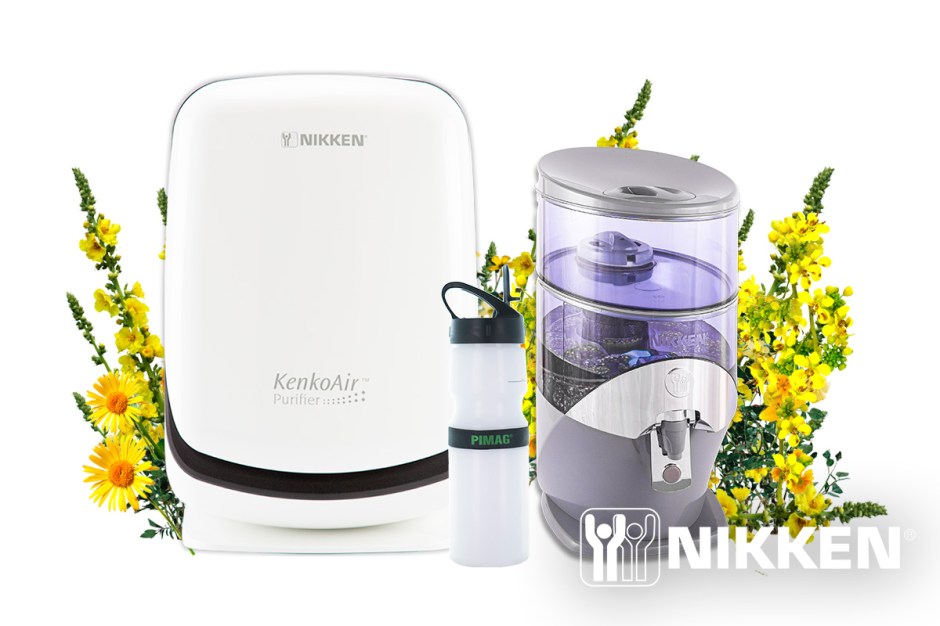
Remember, Kenzen® Nutrition is here to help fill in the gaps of anyone’s diet! From now until March 23, 2023, each purchase of a PiMag Waterfall® will be accompanied by a bonus bottle of Kenzen® Immunity; each purchase of a KenkoAir Purifier® will have a bonus bottle of Kenzen® Clarity; and each purchase of a Kenko Sleep Pack will contain a bonus bottle of Kenzen® Joint.

1, 2 3, 4 https://www.healthline.com/health/healthy-heart-tips#know-your-numbers

5 https://www.scripps.org/news_items/5146-5-heart-healthy-habits

Small but Mighty: The Powerful Blueberry

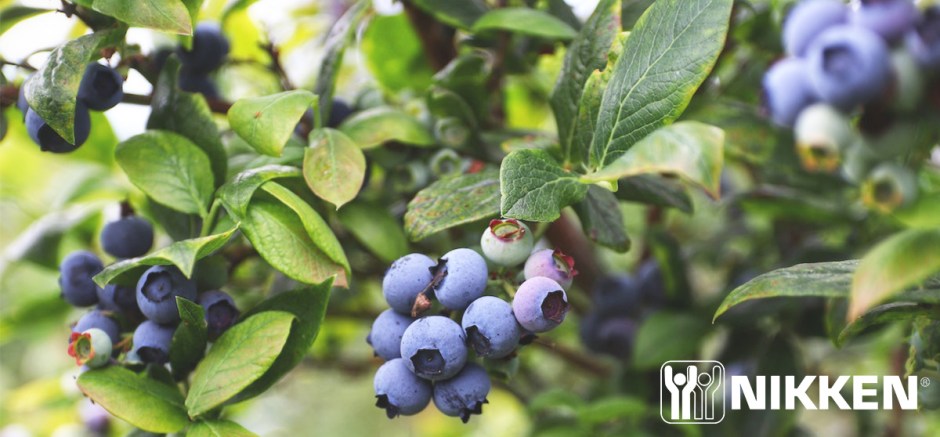
Blueberries are part of the genus Vaccinium. The main types of blueberries are highbush, lowbush, rabbiteye and half-high hybrid varieties. The most common blueberry for commercial cultivation is the highbush type. There are many varieties of blueberries each with their own characteristics in terms of size, growing season, flavor and ability to withstand cold.

Globally, blueberries are grown in high volumes in Chile, Argentina, Colombia, Peru and Morocco, but the United States is the largest producer. In Europe, Poland used to be the leading producer of blueberries but has been overtaken by Spain. Increasing demand for this delicious “snacking food,” as it’s often referred to in Europe, has resulted in new plantations being established in countries such as Ukraine, Lithuania, Serbia, Croatia, Romania, and Georgia.

In both Maine and eastern Canada, First Nation people, notably the Wabanaki tribes, were among the first to discover and use wild blueberries for nutrition and healing purposes. Fast forward to the modern world and the American Heart Association has certified blueberries as a heart-healthy food. Here are some of the reasons why:

•          Blueberries are low in calories but high in nutrients. A single cup (148 grams) serving contains 4 grams of fiber, and RDI (recommended daily intake) of 24% Vitamin C, 36% Vitamin K, 25% Manganese plus smaller amounts of other nutrients. Made up of 85% water, one cup of blueberries only has 84 calories and 15 grams of carbohydrates, making it one of the fruits allowed on virtually every type of diet regimen.

•          Blueberries are believed to have one of the highest antioxidant levels of all common fruits and vegetables. Available year round in both Europe and North America, it’s an easy and delicious way to incorporate a healthy fruit into a daily diet.

•          The antioxidants in blueberries have been shown to help reduce a primary risk factor for heart disease by preventing oxidative damage to “bad” LDL cholesterol.

•          Several studies suggest that blueberries and blueberry juice may help reduce DNA damage.

•          The blue color in blueberry skins are known as anthocyanins, which are a type of antioxidant that have associated traits, including the possibility of promoting maximum brain function and delaying mental decline. Anthocyanins also show evidence of reducing the risk of heart attacks.

•          Several studies have shown that blueberries have anti-diabetic effects by helping to improve insulin sensitivity and lowering blood sugar levels.1

•          Research suggests that blueberries may aid muscle recovery after strenuous exercise, so more studies are being conducted to gather additional data.2

Wild blueberries are slightly different from cultivated ones. Wild blueberries are smaller and grow on lower bushes. Many wild blueberries are harvested using hand-held berry rakes, but some are machine harvested. Both wild and cultivated blueberries are usually sorted, cleaned, and processed within hours of being picked. Those not sorted for fresh fruit markets are separated and partially frozen for easier transport and longevity.

Kenzen® Super Ciaga® is an immune-boosting antioxidant superfruit powder made with a combination of berries— Organic Elderberry, Organic Blueberry, Organic Blackberry, Organic Maqui Berry, Organic Raspberry.

From now until September 30, you can save 20% off the Summer Active Wellness Pack. It contains three Nikken technologies—nutrition, magnetics and PiMag® water— with a jar of Kenzen® Super Ciaga® powder, a pair of Kenko Insoles (choose mStrides or mSteps) and an eco-friendly PiMag® Sport Bottle.

  1. https://www.ncbi.nlm.nih.gov/pmc/articles/PMC5187542/
  2. https://www.ncbi.nlm.nih.gov/pmc/articles/PMC6124147/

Imagine Breathing in Refreshing Forest Air

The smell of nature in the air is so sweet! Did you know that this enticing smell is not only a sensory pleasure but actually an aspect of preventive health in Japanese medicine? Called Shinrin-Yoku, its literal translation is “forest bathing.” Though any kind of nature can enhance our health and happiness, there’s something special about being in a forest.

The Japanese Society of Forest Medicine, headed by Dr. Qing Li, promotes research on the therapeutic effects of forests on human health and educates people on the practice of forest bathing, which involves slowly walking through a forest, taking in the atmosphere through all your senses and enjoying the benefits.1 In 1982, Japan launched a national program to encourage forest bathing and by 2004, a formal study of the link between forests and human health had begun in Iiyama, a place known for its lush, green forests. Now, more than 2.5 million people walk those forest trails as a way to ease stress and enhance health.2

After years of study, Dr. Qing Li has found that spending time in a forest can help reduce stress, anxiety, depression and anger! The result is a boost to the immune system, improved cardiovascular and metabolic health and an increase in the feeling of overall well-being.3

In the western world, exercise is the primary solution for promoting cardiovascular, metabolic and mental health. When you are walking through a forest and inhaling that natural air, you’re not only getting moderate exercise but also hanging out with trees, which turns out to be an important part of preventive health. Dr. Qing Li discovered this when he was a stressed-out student and went on a week of forest camping. He returned feeling restored both physically and mentally, so much so that it inspired him to research forests and their benefits on human well-being.

Those of us who don’t have easy access to a forest and forest bathing, can have the next best thing. Since indoor air quality is often worse than outdoor air, how soothing would it be to have forest-like air in doors? How much would we benefit from breathing natural forest-like air in our own homes?

Say hello to the KenkoAir Purifier®. Its middle name is HEPA 13 and it can filter air particles so small that they’re not visible to the naked eye. Due to negative-ion technology, you receive filtered air that simulates what’s found in nature—nature as in forests and lakes. In other words, you’re getting as close to forest bathing as you can without actually hanging out with the trees.

In keeping with the Nikken pledge to be in harmony with nature, the KenkoAir Purifier operates ozone-free so it’s non-toxic. It has a reusable pre-filter which can be washed and the other filters can be replaced easily every six months. You breathe cleaner air and decrease your carbon footprint at the same time—a win-win situation you can enjoy year-round, as long as you remember to replace the filters on time. If you live somewhere that has especially dense air quality, replace the filters more often. Every time you see the red light is on, you’ll know your KenkoAir Purifier is cranking so your air gets cleaner.

Lately, even the CDC (Centers for Disease Control and Prevention) is recommending the use of a HEPA air filter in homes. Don’t wait for visible signs of bad air to show up in your home. Mold, mildew, musty odors, dust and dander can all be addressed with good filtration. You don’t have to wait long to feel and smell the benefits from the KenkoAir Purifier.

From now through September 15, take advantage of our state-of-the-art filtration systems: all filters are 20% off. These are Active Wellness filters for the KenkoAir Purifier®, PiMag Waterfall®, PiMag® Sport Bottle and PiMag MicroJet® Showers (both hand held and wall mount models) and PiMag® mineral stones.

1, 2, 3 https://greatergood.berkeley.edu/article/item/why_forest_bathing_is_good_for_your_health

You Can Have Your Antioxidants On-the-Go

One of the buzz words in the wellness industry is “inflammation.” The good news is that there is a way to fight inflammation, and they’re called antioxidants. Unlike bad habits and environmental elements that cause physical or mental stress from the outside, inflammation is internal and caused by an increase of free radicals produced inside the body.1

Antioxidants can help fight free radicals that are produced inside the body as well as those that the body is exposed to externally. Like pollution, UV exposure, cigarette smoke and excessive intake of alcohol, inflammation is the cause of many physical complaints. Antioxidants can prevent or slow damage to cells caused by unstable molecules that the body produces as a reaction to environmental and other pressures.2 These unstable molecules are known as free radicals, and antioxidants are sometimes called free-radical scavengers. If the body cannot process and remove free radicals efficiently, this can harm cells and cause them to misfire.

Blueberries, blackberries, raspberries, strawberries and cranberries are among the top fruit sources of antioxidants. Sweet potatoes, carrots, red and green peppers, kale, spinach, and broccoli all contain the antioxidant carotene. Red, orange, deep yellow and dark green leafy vegetables are ideal to eat daily for their antioxidant values as well as for their delicious flavors. Walnuts and pecans are some of the nuts with the highest antioxidant content.3 As a bonus, these fruit, nuts and vegetables are not only high in antioxidants but also in fiber, low in saturated fat and cholesterol and good sources of vitamins and minerals. When you add them regularly to the diet, you are tripling your potential health benefits.

Vitamins C and E and carotenoids are antioxidants that are known to help protect the cells from damage from free radicals. Other types of naturally-occurring antioxidants include flavonoids, tannins, phenols and lignans. Plant-based foods are the best sources for these types of antioxidants and are found not only in fruit, vegetables and nuts, but also in seeds, herbs, spices and even cocoa.4

In addition to eating the right foods, certain things can be done to help prevent cell damage and oxidative stress. All these behaviors are part of the Active Wellness Lifestyle:

•          Limit or eliminate certain foods from your diet, especially refined and processed foods, trans fats, artificial sweeteners and food with certain dyes and additives/preservatives.

•          Don’t smoke cigarettes. Don’t vape.

•          Consider switching to natural cleaners to limit exposure to chemicals.

•          Limit exposure to pesticides and use natural alternatives such as water mixed with vinegar and lemon oil/juice or herbs such rosemary and peppermint.

•          Use sunscreen with an SPF of 30 or higher.5

•          Exercise regularly but don’t overdo it. When you push your body over its limits, inflammation results and you are doing more harm than good.

Since eating right is so important, summer might be a challenging time of the year, because many people go on vacation or are spending more time away from home, where it’s easy to prepare healthy meals. That’s when Kenzen® Super Ciaga® powder can become your primary weapon against any deficiency in natural antioxidant consumption. Formulated as a powder specifically to make it portable during traveling, Kenzen® Super Ciaga® is abundant with berries—blackberries, blueberries and raspberries—and the lesser known but super-antioxidants maqui berries and elderberries. You can take these deliciously combined antioxidants with you virtually anywhere you go and simply mix with water. Sweetened with organic monkfruit, one scoop of this “power powder” in a couple ounces of water or smoothie can give your immune system a much welcome boost! With Kenzen Super Ciaga powder, you can truly take your antioxidants on-the go!

Give the Summer Active Wellness Pack a try while it’s 20% off through September 30, and you can experience the amazing taste and convenience of Kenzen® Super Ciaga® powder. It’s a great beverage to share with friends that you meet on your summer travels!

1, 2 https://www.medicalnewstoday.com/articles/301506#benefits

3, 4 https://www.mayoclinic.org/healthy-lifestyle/nutrition-and-healthy-eating/multimedia/antioxidants/sls-20076428#:~:text=Antioxidants%20are%20substances%20that%20may,to%20tobacco%20smoke%20or%20radiation.

5 https://www.skincancer.org/blog/ask-the-expert-does-a-high-spf-protect-my-skin-better/

You Can Have Filtered Alkaline Water On-the-Go

Seasoned travelers know that airports don’t allow liquids to be carried on board airplanes. In fact, most airports do not allow liquids to go past security checkpoints. We are left with the options of purchasing high-priced bottled water at kiosks near the departure gates or drinking from water fountains, if there are any.

The PiMag® Sport Bottle is a game changer. It is portable so you can take it backpacking, on a walk, on the metro, on a cruise and on the plane—you can take it just about anywhere! It has a replaceable, patented nano-fiber filter that helps reduce contaminants, alkalize potable water and is made of eco-friendly materials. As long as you replace the filter, this bottle just keeps on working. This means you can fill it with water from taps, drinking fountains and any source of potable water. It’s the ideal travel companion!

Here are just a few testimonials from avid PiMag® Sport Bottle users who are committed to not drinking bottled water that adds to plastic waste and landfills:

“The PiMag Sport Bottle has been my life saver whenever I leave my house and especially when I travel! It’s so convenient being able to fill my bottle with even tap water. It eases my mind to know that I’m drinking clean, chemical-free alkaline water that tastes amazing!” S. DiMuccio

“I love traveling with my PiMag® Sports Bottle so I can have great water on planes. They won’t let us take water on the plane so I use my PiMag® Sport Bottle to clean the bottled water they give us. Also, I feel safe drinking the water when I ‘Nikkenize’ the l water that comes from the tap!” H. Rapp

“I love my PiMag® Sport Bottle.  I just returned from traveling for two weeks and at no point did I need to buy or concern myself with great quality water.  The airports now have depots where you can fill up your water bottles with semi-filtered water, but then I have PiMag® water filtration ready to go in my hands and I am so grateful!  It helps me stay hydrated and healthy as I am traveling.” B. Bertucci

“My husband and I have traveled across the United States, around Europe, South America and Japan with our PiMag® Sport Bottles. A few years ago, I met with the Head of the Mexican Consulate in Raleigh, N.C. We had lunch and I had my PiMag® Sport Bottle. He was taking his family back to visit in Mexico and he wanted a water bottle for each person. I was happy to be able to assist in making his trip better. Everyone loves PIMag® Water on-the-go!” K. Sargent\

“Whether I’m on a short five-mile hike with a fellow firefighter to help a patient or traveling long distances on a plane, the PIMag® Sport Bottle is our families’ go to source for great water. It’s small and lightweight and will fit anywhere.” V. Rogers

The eco-friendly PiMag® Sport Bottle is such an easy way to make a personal commitment to planet Earth. In doing so, you’re also paying attention to self-care in the form of hydration and alkalinity. You’re also being a good role model for the younger generations.

This is the perfect time to begin or renew your commitment to staying hydrated while decreasing your carbon footprint. The Summer Active Wellness Pack is composed of three Nikken technologies that work to support walking, nutrition and hydration. It comes with one PiMag® Sport Bottle, one pair of energizing magnetic insoles (choose your size of Kenko mSteps® or Kenko mStrides®) and one Kenzen® Super Ciaga® Powder (for a superfruit antioxidant and immunity boost). You get the pack at 20% off from now through September 30.

Achoo and Gesundheit!

Whether you say “gesundheit” or “bless you”, the intent is the same: to wish good (health) to the person who sneezes. Sneezing is a protective reflex that babies are born with, and luckily, it doesn’t disappear with growth or aging. We don’t need to learn how to sneeze and we can never forget how to do it!

Sneezing may feel annoying, but in reality, it helps the body get rid of things that are irritating or harmful. By sneezing, newborns (as well as older babies, children, and adults) can expel germs and particles from the nose and help protect themselves from getting sick.

Sneezing is how the body clears the nose. When pollen, smoke, dust or even fragrances and odors enter the nostrils, each individual’s nose may react differently. If it’s irritating or tickling in some way, the body tries to ease that feeling and does so with an achoo! In this way, a sneeze is one of the body’s first defenses against invading bacteria and/or viruses. Other foreign particles that can trigger sneezing include mold, mildew, dander and smog.

Sneezes also perform another vital role in the body. In 2012, researchers from the University of Pennsylvania discovered that sneezing is the nose’s natural way to “reset.” They found that cilia, the cells that line the tissue inside the nose, are rebooted with a sneeze. In other words, a sneeze resets the entire nasal environment.1

When we are allergic to something, sneezing is one of the most common reactions as the body tries to clear its airway of the offending allergen. Researchers aren’t sure why some people sneeze multiple times. It may be a sign that your sneezes aren’t quite as strong as a person who only sneezes once. It could also be a sign that you have ongoing or chronic nasal stimulation or inflammation, possibly as a result of allergies.

The most important indoor pollutant is tobacco smoke. It is strongly associated with allergic reactions, asthma and other respiratory ailments.2 The most common sources of outdoor pollution include ozone, sulfur dioxide, and nitrogen dioxide.3 These pollutants have been shown to be especially hazardous to adults and children with asthma.

•          Ozone is a big contributor to smog. It’s produced when sunlight reacts with the fumes produced by cars and industrial plants. Although ozone helps protect from UV rays, when it’s present at high amounts on the ground level, it acts as an irritant to the lungs, aggravates asthma and makes breathing difficult.

•       Sulfur Dioxide is a water-soluble gas commonly emitted into the air by coal-fired power plants, refineries, smelters, paper and pulp mills, and food processing plants. Sulfur dioxide has such a pungent odor that for some people, just the smell can cause sneezing. Sulfur dioxide is a precursor for sulfuric acid, an air pollutant that plays a major role in causing respiratory distress.

•          Nitrogen Dioxide is produced largely by burning fuel. In urban areas, it’s produced when there is a lot of traffic congestion or diesel fumes. Indoors, it’s produced by unventilated heaters and gas stoves.

The air that we breathe not only can cause sneezing, but it can also produce runny noses, burning eyes and respiratory distress. An interesting fact is that allergies are more prevalent in highly developed countries in North America and Europe than in less developed nations.4 This suggests that something about contemporary lifestyles may be causing more allergies.

Some items we tend to overlook that can cause allergies include artificial food coloring (especially red dye), latex (commonly found in medical gloves, adhesive bandages and other medical devices), nickel (an element often mixed into gold-toned jewelry), cosmetics (makeup is often full of chemicals, perfumes, and dust mites (that often live in pillows, sheets, mattresses, carpets or even stuffed animals). And of course, the more fumes we breathe in from car exhaust, vehicles that run on diesel, and industrial air pollution, the more likely we are to suffer from breathing difficulties.

What is the bottom line? Indoor air quality is just as important as outdoor air quality, with tobacco smoke being the worst and most offensive air pollutant that clearly promotes both allergy and asthma. Diesel fumes likely promote allergy, whereas other outdoor air pollutants act more as irritants that can aggravate allergies and asthma. Although we are not in control of outdoor air, we can take steps to make sure our indoor air quality is healthy. Keeping dust to a minimum and washing bedding often, using fragrance-free detergents and cleansers, brushing pets often and disposing of fur—these are all part of an Active Wellness lifestyle—and always use a good air filtration system indoors.

Since May is designated as National Asthma & Allergy Awareness month, Nikken is participating by offering you affordable access to top quality HEPA 13 air filtration with 20% off each order of the KenkoAir Purifier®. In addition, each order of the KenkoAir Purifier comes with items that provide an extra line of defense to support an Active Wellness lifestyle—Kenzen® Hand Sanitizer, Kenzen® Surface Cleaner and the Surface Cleaner refill. This offer lasts through the end of May, so take advantage of it while you can!

1 https://www.healthline.com/health/why-do-we-sneeze

2, 3, 4 https://www.medicinenet.com/air_pollution_and_allergies__connection/views.htm

New Studies Show Microplastics Affect Indoor and Outdoor Air

When we hear or read about microplastics, it’s generally in the context of water pollution, since plastics, as they take hundreds of years to break down, systematically leach from landfills into our waterways. A less known way that microplastics might adversely impact our health is through the air we breathe.

What microplastics are we breathing in every day—when working at home, driving to the office, outdoors cycling or running, or in different environments? There’s a big gap in knowledge and thanks to researchers around the globe, answers will be found but time is of the essence. The American Lung Association’s chief medical officer Albert Rizzo, poses the analogy between the decades-long effort to convince the government that smoking causes cancer and the current attempts to prove the adverse reactions caused by inhaling and ingesting microplastics. “By the time we got enough evidence to lead to policy change, the cat was out of the bag. I can see plastics being the same thing. Will we find out in 40 years that microplastics in the lungs led to premature aging of the lung or to emphysema? We don’t know that. In the meantime, can we make plastics safer?”1

Plastics continue to fragment in the environment, “shredding” into fibers even finer than a strand of human hair and therefore easily airborne and inhaled. Realistically, we live in a cloud of airborne dust particles and our bodies have grown accustomed to them; however, people with dust allergies and/or those who are asthmatic, show visible signs of suffering. Add microplastics to the mix of airborne dust and the results may well be concerning.

This spring, scientists from the Netherlands and the United Kingdom announced they had found tiny plastic particles in living humans, in two places where they hadn’t been seen before: deep inside the lungs of surgical patients, and in the blood of anonymous donors. Together the studies signaled a shift in the focus of concern on airborne microplastics.2

Dick Vethaak, a professor emeritus of ecotoxicology at the Vrije Universiteit Amsterdam and co-author of the blood study, says, “Plastics should not be in your blood. We live in a multi-particle world, so the trick is to figure out how much plastics contribute to that particle burden and what does that mean.”3

In both studies the plastic particles found were primarily smaller than one micrometer, small enough to have been inhaled. Whether such particles can pass from the blood into other organs, especially into the brain, which is protected by a unique, dense network of cells that form a barrier, isn’t clear. “We know particles can be transported throughout the body via the river of blood,” Vethaak says.4

The lung study done at University of Hull in the U.K., showed just how intrusive airborne particles can be. Researchers were stunned to find the highest number of plastics of various shapes and sizes embedded deep in the lower lung lobe. One of the fibers was two millimeters long. “You would not expect to find microplastics in the smallest parts of the lung with the smallest diameter,” says Hull environmental ecologist Jeannette Rothchell.5  And, according to Kari Nadeau, a Stanford University physician and director of allergy and asthma research,” the particles identified in the University of Hull lung study are known to be toxic to humans and have caused lung irritation, dizziness, headaches, asthma and more.”6

Another team—at the University of Plymouth in the U.K.— decided to compare the threat from eating contaminated wild mussels in Scotland to that of breathing air in a typical home. They concluded that people would take in more plastic by inhaling tiny, invisible plastic fibers floating in the air around them, fibers shed by their own clothes, carpets and upholstery, than they would by eating the mussels.7

Since May is designated as National Asthma & Allergy Awareness month, Nikken is participating by offering you affordable access to top quality HEPA 13 air filtration with 20% off each order of the KenkoAir Purifier®. In addition, each order of the KenkoAir Purifier comes with items that provide an extra line of defense to support an Active Wellness lifestyle—Kenzen® Hand Sanitizer, Kenzen® Surface Cleaner and the Surface Cleaner refill. This offer lasts through the end of May, so take advantage of it while you can!

1, 2, 3, 4, 5, 6,7 https://apple.news/ANZkcJ1YzT5qNJI9q0XwZLA

Air Quality Affects Children in Many Ways

To breathe is to live! The quality of air we breathe is so important that it impacts us even before we are born; the air a pregnant woman inhales is the air that transfers into the womb where new life is formed.

Studies conducted through the National Institute of Health’s (NIH) Child Health and Human Development division, suggest minimizing exposure to air pollution during pregnancy, infancy and early childhood — all key periods for brain development. Studies have linked exposure to common air pollutants in pregnancy to low birthweight, preterm birth and stillbirth. Exposure to poor air after birth has an even greater effect on developmental risks. A few studies have found a higher risk of autism and of lower cognitive functioning in children living near freeways.1

When we think about air quality, we generally bring up images of smog and industrial pollution or exhaust from vehicles in traffic. In reality, indoor air impacts young children more because many sleep 12 or more hours inside homes. Two of the deadliest issues that low IAQ [Indoor Air Quality] bring to children are allergens and asthma. They are exposed to particulates of dust, dirt, smoke, and pollen which often settle on the furniture inside the home. By getting rid of these types of airborne particles through effective air filtration, we can reduce or eliminate their ill-effects on children and help them maintain a healthy respiratory system.

Children face special risks from air pollution because their lungs are growing and because they are so active and breathe more rapidly than adults. Just like the arms and legs, the largest portion of a child’s lungs will grow long after birth. Eighty percent of their tiny air sacs develop after birth. Those sacs, called the alveoli, are where the life-sustaining transfer of oxygen to the blood takes place. In addition, the body’s defenses that help adults fight off infections are still developing in young bodies. Children have more respiratory infections than adults, which also seems to increase their susceptibility to air pollution.2

As children grow, they end up spending increasingly more hours outdoor, but during the first five years, indoor air quality impacts them most. Household cleaning products, dust mites, central air systems, pet dander and even chemical air fresheners can cause allergic reactions. And if there is a smoker in the family, that is the worst air polluter of all. According to the American College of Allergy, Asthma and Immunology, allergies can lead to hives, eczema, asthma, infections and more.

Asthma affects more than 230 million people around the globe and is the most chronic disease among children.3 Underdiagnosed and undertreated because people think of it as a simple breathing problem, it can be serious enough to be life-threatening and is the cause of more than 10 million school absences a year in the U.S. alone.4 Asthma occurs everywhere in the world but can be exacerbated not only by poor air quality but also by humidity levels and genes. It’s estimated that a child with a parent who has asthma is three to six times more likely to develop asthma than a child with parents who are not asthmatic.5

May is National Asthma & Allergy Awareness month and May 3 was World Asthma Day. During the entire month of May, various organizations, including the Global Initiative for Asthma (GINA), the Asthma and Allergy Foundation of America (AAFA) and others, drive public awareness campaigns to educate the world about the importance of clean air.6

Nikken offers you affordable access to top quality HEPA 13 air filtration the entire month of May with 20% off each order of the KenkoAir Purifier®. In addition, each order of the KenkoAir Purifier comes with items that provide an extra line of defense to support an Active Wellness lifestyle—Kenzen® Hand Sanitizer, Kenzen® Surface Cleaner and the Surface Cleaner refill.

1 https://www.universityofcalifornia.edu/news/air-pollution-impacts-childhood-development-study-shows

2 https://www.lung.org/clean-air/outdoors/who-is-at-risk/children-and-air-pollution

3,4,6 https://nationaltoday.com/national-asthma-awareness-month/

5 https://www.webmd.com/asthma/asthma-risk-factors#:~:text=Your%20inherited%20genetic%20makeup%20predisposes,have%20a%20parent%20with%20asthma.

Plastic: Why We Need to Learn How to Dispose of It

Plastic is strong, flexible and durable. It’s extremely useful and in the last decades, it would be hard to imagine life without it. Plastic’s strength is also nature’s nemesis, because plastic virtually never breaks down. For example, a plastic bottle can last for 450 years in the marine environment, slowly fragmenting into smaller and smaller pieces until it becomes microscopic. Those microscopic specks, otherwise known as microplastics, don’t go away. It’s mind bending to realize that every piece of plastic that was ever produced is still with us in some form.1

According to Surfers Against Sewage, one of the United Kingdom’s most active and successful environmental charities, 12 million tons of plastic find their way into the oceans every year, and scientists have discovered microplastics embedded deep in the Arctic ice. It’s no wonder that 80% of the marine debris studied is made of plastic.2

Fishing debris such as nets and lines, filmlike wrap such as what is used on store bought vegetables, and latex, which makes things such as balloons, are responsible for the most deaths among 80 marine megafauna species that include dolphins, whales, seals, seabirds and sea turtles.3 As of 2018, 100,000 marine mammals and turtles plus one million sea birds are killed by plastic pollution annually.4

Plastic debris affects wildlife adversely via three key methods: entanglement, ingestion and interaction.5

• Entanglement occurs when marine animals are trapped or constricted most commonly by plastic rope, netting and abandoned fishing gear.

• Ingestion occurs when a species unintentionally or indirectly ingests another species that contains plastic. For example, if a fish eats microplastics or even a larger size piece of plastic waste and a shark eats that fish, then both have ingested plastic waste. By the same token, humans ingest plastics whenever microplastics are embedded in sea creatures turned into seafood.

• Interaction includes collisions, obstructions or abrasions. For example, floating fishing gear has been shown to cause abrasion and damage to coral reef ecosystems upon collision.

With one in three fish caught for human consumption now containing plastic, the question is no longer are we eating plastic but how bad is it for us? Researchers caution that it’s unclear what effect microplastics can have on the human body but they have been found in everything ranging from fish and shellfish found at the super market to tap water. In seawater, plastic absorbs chemicals such as PCBs, which have been linked to endocrine disruption and even some cancers. Even people who do not eat fish are impacted, because 70% of the oxygen we breathe is produced by marine plants, and to breathe is to live!6

Plastics are not going away. Its usefulness pervades our lifestyles: diabetics benefit from plastic each time they use their disposable syringes; they’re in the appliances used in hip replacements; construction workers wear it in their protective helmets; it’s in our computers, phones and cars.

One of the main problems is the pervasiveness of single-use plastics. A plastic bag, for instance, is used for an average of 15 minutes when shopping and may take up to 300 years to deconstruct into microplastic!7  Reuter, an international news agency, reported that as of 2018, 481.6 billion plastic bottles were used worldwide in a single year. That’s 40 billion per month and 1.3 billion per year.8 And, plastic production has been forecast to grow by 60% by 2030 and to treble by 2050.9

Practicing an Active Wellness lifestyle not only means being mindful of our own health but also the health of planet Earth. We are all part of nature and each one of us can do something daily to decrease the amount of plastic waste we produce. Since single use plastic is one of the biggest problems we face, that’s a good place to start. Visit repurpose.global to calculate your own annual plastic footprint.

You still have a few days left to take advantage of our special PiMag® Water Packs, available through April 30, 2022. PiMag® products not only help filter out bacteria and alkalize water but also help eliminate the use of plastic water bottles. The special PiMag® Water Packs give you two items with one at the regular price and the second at 50% off. You will benefit personally as well as be part of the environmental solution that planet Earth needs.

1,2,4,7,9 https://www.sas.org.uk/our-work/plastic-pollution/plastic-pollution-facts-figures/

3 parade.com/zoo, April 17, 2022, Kathleen McCleary

5,6 https://ourworldindata.org/plastic-pollution

8 https://habitsofwaste.org/call-to-action/plastic-bottles/#:~:text=Plastic%20Bottle%20Facts,plastic%20is%20wasted%20each%20year.

Water is the Best Drink for Children

Water is life, and all plants and animals require water to live. As part of the animal kingdom, humans are the only ones who do not drink water and mother’s milk exclusively for survival. This complicates human survival, because along with milk, plain water is the best choice for children; yet contemporary lifestyles commonly allow for juices, sugary sodas and artificially flavored beverages.

Water has zero calories, keeps joints, bones and teeth healthy, helps the blood circulate and can help children maintain a healthy weight into adulthood. A well hydrated child tends to have better mood, memory and attention span as well as concentration and focus.1

Just as water is best, here are some other guidelines for children:

• No sugar-sweetened beverages for children younger than two years of age. Limit them for older children as much as possible. This includes sports and energy drinks, juice cocktails, sodas, lemonade, and sweetened water. These drinks add “empty calories” to the diet, can be filling and leave kids less hungry for the nutritious foods they really need. Sometimes sodas and energy drinks contain caffeine, which may overstimulate many children.

• Even 100% juice should be strictly limited. While juice may contain some vitamins, these drinks are high in sugar and calories and low in the healthy fiber found in whole fruit. Because of its sweet taste, once children are offered juice, it can be difficult to get them to drink plain water. Keep these amounts in mind:2

•Children less than a year should not drink any juice at all.

            •Children one to three years of age should have no more than four oz per day.

            •For older children, juice is only recommended if whole fruits are not available. Children ages four to six years: no more than four to six oz per day, and for children ages seven to 18, no more than eight oz per day.

Avoid artificially-sweetened drinks. Health risks for children from artificial sweeteners are not well understood, so it is safest to avoid these drinks. Instead, make water readily available to encourage healthy drinking and establish Active Wellness habits.

• Milk may be beneficial, whether animal-sourced or plant-sourced. However, flavored milk can be much higher in sugars. Even though children still get the benefits of the calcium and vitamins found in flavored milk, the added sugars may create a preference for sweet flavors, which can make it difficult to have success when offering regular milk.

Children are at a greater risk of dehydration than adults because in relation to their size, they have a larger proportion of skin that is exposed to heat.3  Also, children don’t always recognize when they’re thirsty, and if they’re not encouraged and reminded with water, may forget to drink and rehydrate.

We can help children create healthy habits by being good role models and drinking plenty of filtered water. We also can teach them respect for the environment and to carry a re-usable water bottle to avoid single-use plastics. Children are like sponges and learn quickly, so we can start them off right with clean, alkalizing PiMag® water.

Tap into the power of hydration with our four Water Packs, available through the end of April! Each pack has two state-of-the-art PiMag® products. You get one at the regular price and the second at 50% off! You have your choice of two PiMag MicroJet® Wall Mount Shower Systems or two PiMag MicroJet® Handheld Shower Systems, both of which help neutralize chemicals, two PiMag® Sport Bottles of 100% recyclable biogreen materials, or two PiMag Waterfalls® that can help reduce bacteria by 99.99%.

1, 2 https://www.healthychildren.org/English/healthy-living/nutrition/Pages/Choose-Water-for-Healthy-Hydration.aspx#:~:text=It%20good%20for%20the%20body,sports%20drinks%2C%20sodas%20and%20juice.

3 https://healthy-kids.com.au/parents/children-hydration/