The Natural Cycle of Renewal

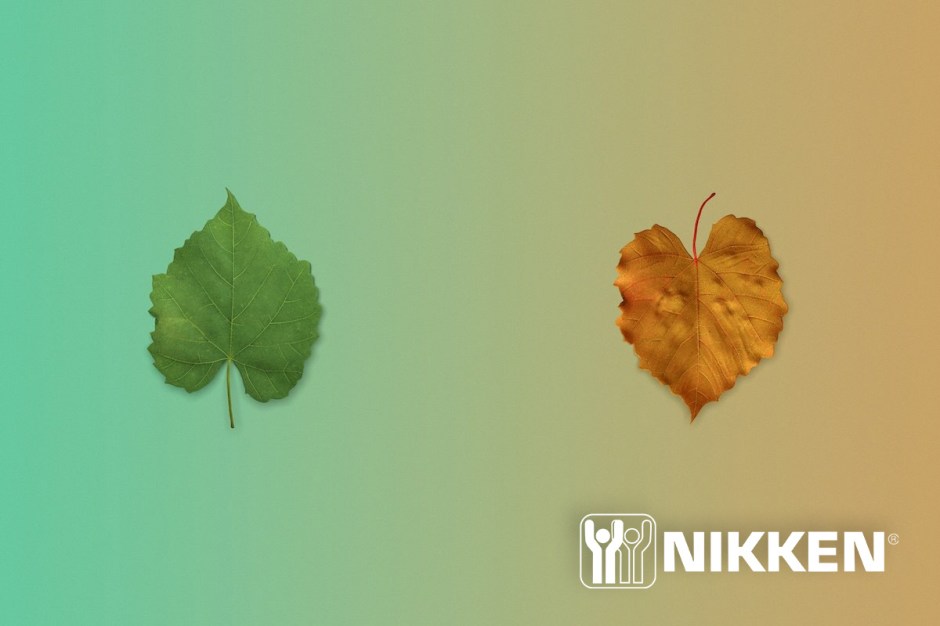
Nature follows cycles of renewal. In the spring, plants sprout, flowers bloom and you actually can smell growth in the air. In the summer, days are warmer and it’s time to harvest some of the most delicious fruits, vegetables and grains. Autumn signals the beginning of a natural withdrawal with colorful changes, and winter is nature’s time of rest to prepare for renewal once again.

If you take a look at a tree, you see the trunk, its branches and the leaves. What you don’t see are the roots, but the taller the tree, the firmer the roots. Apply this image to the human experience. Human lives follow a similar cycle of renewal. There are seasons of growth, not only physically but intellectually, culturally and in business. There are also seasons that are focused on reflection, quiet contemplation and rest.

Successful individuals appear healthy and strong, but the foundation they are built on is not visible but surely there. The roots of that invisible foundation are what allow the progression of personal development, perseverance and resilience. Regardless of which season you are in, the basics of rest, hydration, clean air and whole food nourishment are necessary components to complete a successful cycle of renewal.

Just as nature thrives in seasons, you can build your own cycles of growth, renewal and rest. Nature doesn’t rush through winter to reach spring; it patiently endures each season, drawing strength and renewal from every phase. In the same way, you can learn to respect your own seasons — both the highs that fill you with energy and the lows that call for quiet and rest. Growth isn’t about constant improvement; it’s about respecting the natural ebb and flow of life.1

To evaluate how to complete cycles of renewal in more productive ways, simply ask a few basic questions:  Are you getting enough restful sleep? Are you making sure your indoor air is clean rather than full of dust, dander and allergens? Are you eating nutrient-dense foods? Are you practicing some kind of movement every day? Movement does not have to be a specific exercise. It can be as simple as climbing stairs instead of using the elevator, parking the car a little further so you can get a walk in, taking the dog for a walk, mowing the lawn and so on. Are you making private time to nurture yourself instead of always serving others?

For the entire month of January 2026, Nikken is offering 20% off replacement filters! Air and water filters need to be renewed— just like nature and just like you!

1 https://medium.com/@neeraj.narayan/what-can-natures-seasons-teach-us-about-growth-and-renewal-e848f6caa952

Renew Skin and Spirit in the Comfort of Your Home

December is an ideal time to prepare for the new year. As the year winds down, there are some activities that are not only fun but also beneficial to overall health. Two such enjoyable activities are the renewal of your skin and your spirit. Rather than go to a spa or a retreat, skin and spirit can both be revived, renewed and regenerated in the comfort of your own home. Simply carve out a private area and make sure all electronic devices are off.

For skin renewal, the three basic steps are cleansing, toning and moisturizing. Be sure to choose products that are made with ingredients of the highest quality, such as the Kenzen True Elements® Marine Organic Skin Care line, which is EcoCert® COSMOS certified, an international certification renowned for its strict guidelines and guarantees the highest organic integrity.

At the heart of the True Elements® range is a synergistic blend of sustainably harvested organic seaweeds and coastline plants. These natural ingredients are a source of vitamins, minerals, amino acids, antioxidants and fatty acids.

For cleansing, regenerating and remineralizing, use Velvet Cleansing Milk and Radiance Scrub. The Velvet Cleansing Milk gently removes impurities while seaweed extracts provide trace elements and minerals that help boost the radiance of the skin and maintain its moisture content. Radiance Scrub is formulated to gently exfoliate the skin with natural perlite mineral so that its natural glow can shine through. Organic seaweed and sea fennel help to strengthen and protect, while organic aloe vera helps to renew damaged skin.

For toning, refreshing and brightening, use Refreshing Tonic Lotion and Youth Activ Serum. The tonic is perfect for the removal of makeup and grime. Seaweed extracts, spray-dried seawater, and aloe vera are combined to help soothe and tone the upper layers of the epidermis, leaving skin that looks fresh and bright. Youth Activ Serum is rich in marine extracts and hyaluronic acid to plump skin from within and supports skin’s elasticity, leaving the skin looking firmer and smoother. Organic ulva lactuta helps brighten skin and decrease the appearance of dark spots.

For moisturizing, protecting and restoring, use Moisturizing Face Cream and Revitalizing Serum. The Face Cream is smooth and light, enriched with marine extracts, shea butter and hyaluronic acid to moisturize the skin. Organic sea fennel is packed with minerals to support skin cell regeneration. Revitalizing Serum is enriched with sea fennel, hyaluronic acid and marine magnesium to moisturize intensely and help transform dry, dull-looking skin into supple, youthful-looking skin.

Your complete skin regimen can be followed with spirit renewal, or you can set aside special time just for your soul. Again, find a dedicated space that feels peaceful and serene. This can be outdoors or indoors, depending on the environment you prefer. You can choose complete quiet or select soothing, meditative music—whatever promotes calmness within you.

You may choose to sit or lie on top of the KenkoGround® to feel connected to nature. Practice deep breathing and simply rest, or do some stretches to help your physical state be in tune with your relaxed state of mind.

Another way to practice mindfulness for renewal of your spirit is to write down your feelings and thoughts. Renewing your spirit does not have to involve goals and to-dos, only if writing those down feel beneficial during this private time. You can focus instead on your inner secrets, emotions and deepest reflections.

Enjoy your private time with yourself as you head towards the end of the year, and you might decide to to schedule skin renewal and spirit renewal regularly! It’s all part of empowered living and feeling good every day, both internally and externally.

The Gift of Wellness Technology is the Best Gift of All

What do you think of when you see the term “wellness technology”? Do apps come to mind? Meditation guidance, sleep sounds, white noise, heartbeat monitors, mood rings, step counters—gadgets galore—it seems like there’s a new one on the market every day!

Our founder started Nikken by producing Kenko Insoles. A single product that combines the wisdom of nature with magnetic technology led to the creation of many more. This year, Nikken celebrates 50 years of sharing advanced products with the world. Some notable innovations include the Kenko Sleep System, Kenko MagDuo®, KenkoTherm® wraps, the Kenko PowerChip®, Kenko PowerMini®, the Kenko Precision Set, Kenko PowerBand®, Kenko® Jewelry, the KenkoGround® and more.

As diverse as Nikken products are, they share one thing in common, just like the original insoles: They are inspired by mother nature and utilize state-of-the-art technology to produce balance, calm and relaxation, both physically and mentally. Kenko product lines fall under the categories of magnetic, ceramic reflective and grounding technologies. Each of these technologies enhance health and wellness. Every one of these Nikken products works to enhance empowered living—how often you use them is up to you, but consistency brings the best results.

Think about it: magnetic, grounding and ceramic reflective technologies are all forms of wellness technology! During a time of global turmoil, peace of mind is the one gift that everyone will welcome this season. Peace of mind will bring heightened focus, clarity, creativity and balance into a lifestyle filled with purpose and mindfulness. That is the foundation of empowered living.

A gift of wellness technology, which you can individualize to each person on your gift list, will show just how much you care. Because wellness technology can help transform daily habits, they ultimately may help your recipients live happier and healthier lives—what better way is there to show your care and consideration?

There are still a few days left to take advantage of our Black Friday specials. The more you buy, the more you save, and you may also get free ground shipping. Contact your local Nikken Consultant or call Nikken Customer Service to find out how!

Overloaded? De-Stress From a Fast-Paced, Tech-Heavy Life

In general, there are two sources of stress: one is from daily living and the other is from major life events. The Lazarus-Folkman scale gives examples of daily living stresses such as lack of time, too many things to do, financial obligations, work-related problems, restless sleep, concern with appearances and aging, and even forgetfulness and misplacing or losing items.

On the other hand, the Holmes-Rahe scale gives examples of major life events that cause stress. These include death in the family, divorce, personal injury or illness, pregnancy, marriage, loss of job due to layoffs or retirement and a major change to financial status.

The tech-reliant lifestyle that many people live is both a source of relief as well as of stress. Technology enables people to work from home—this became prevalent during the pandemic and has become a permanent status for a substantial part of the global population. Working from home was and remains a boon to those who have the dual roles of bread-earner and primary childcare or eldercare person.

Without technology, you would not be able to stay connected to friends and family who live in other parts of the world on a virtually real-time basis. Gone are the days of relying solely on snail mail to receive news from loved ones.

So why does technology cause stress? Technology itself does not cause stress, but your approach and use of it, does. When you become slaves to your phones and electronic devices, you become creatures of habit who are addicted to receiving the latest news about global politics, movie idols, local gossip, the ever-changing trends and whatever is “hot” on social media. Consciously or subconsciously, these topics can affect self-esteem, self-image and self-care as you constantly compare yourselves against what is “out there.”

Many of the daily living stresses and major life events are beyond your control; however, you can take charge of how you approach technology in your lives. In other words, you can set healthy boundaries for yourselves. Here are a few things you can do to control how you use technology in your life:

  • Set realistic and sustainable limits on device use. Conduct an audit on what you spend your time on with your devices. For example, instead of scrolling through the news after work, try getting dinner prep out of the way first.1
  • Commit to being device-free for a period of time each week. Instead, go offline and connect with friends in real life.2
  • Turn off alerts so that you’re not at the mercy of constant pinging from emails, messages, and updates on who’s doing what on socials.3
  • Set limits to your time on social media.4 Just as parents set limits on the amount of screen time their kids are allowed, you need to do so for yourselves!

To combat stress overall, center yourselves and take a break from technology. Replace scrolling on devices with more physical activities, such as taking daily walks or choosing an exercise you like and can stick to, committing to eating healthy foods and making your own food. Research from the National Library of Science in 2022 shows that people who follow a diet high in processed foods and added sugars are more likely to experience higher perceived stress levels.5

Self-care means setting boundaries not only for yourselves but for others. Say “no” when necessary and be one with nature as often as possible. Be well by sleeping well, eating well and hydrating well. You still have a couple of days to take advantage of 20% off your purchase of a PiMag Waterfall®, one easy way to stay hydrated with alkaline “living water.”

1, 2, 3, 4 https://theskillcollective.com/blog/modern-life-causes-stress

5 https://www.healthline.com/nutrition/16-ways-relieve-stress-anxiety#eat-a-balanced-diet

5 https://www.healthline.com/nutrition/16-ways-relieve-stress-anxiety#eat-a-balanced-diet

How Deep Sleep Awakens Your Best Self

Did you know that your body goes through four stages of sleep? As you sleep, your body cycles through those four stages. Sleep cycles vary throughout the night, with the shortest at the beginning of the night, typically lasting between 70 to 100 minutes. Later on, sleep cycles can last between 90 to 120 minutes.

Each of the four stages of sleep serves a purpose. Stage 1 is the lightest stage and occurs when you first fall asleep. Stage 1 allows your body to slow down and begin the process of relaxation. It is easy to be awakened, and if so, you have to repeat stage 1 until you’re asleep. If you stay asleep, your body will move into Stage 2.

During Stage 2, your muscles relax, body temperature drops, your heart rate and breathing both slow down. Brain activity also slows down in stage 2. During the first sleep cycle, stage 2 might last 10-25 minutes and each stage 2 later on, may become longer. Sleep experts estimate that a person generally spends half of a night’s sleep in stage 2.1

Stage 3 is where you get the deepest sleep. This stage is especially important because during deep sleep, your body recovers and grows. In other words, stage 3 is when your body experiences restorative sleep and the immune system and other major bodily processes are strengthened.2 Stage 3 is also known as delta sleep or slow-wave sleep, due to the identifiable pattern of brain activity. Muscle tone, pulse and breathing rate all decrease, and although brain activity slows, there is evidence that deep sleep contributes to insightful thinking, creativity and memory.3

During the early sleep cycles, deep sleep typically lasts from 20-40 minutes. As you continue sleeping, stage 3 sleep actually shortens and more time is spent in stage 4, REM sleep. Because the eyes are moving rapidly even though they’re closed during stage 4, that’s why it’s called REM sleep.

Perhaps the most attention has been paid to stage 4 REM sleep, because it’s during this phase that brain activity increases, almost to the levels of wakefulness. In contrast to the active brain, the rest of the body experiences a temporary paralysis of the muscles (known as atonia), with the exception of the rapid eye movement and the muscles involved with the breathing process. Although you can dream throughout the night, it’s during REM stages that the most vivid ones occur, probably due to the increase in brain activity.

But why is stage 3 deep sleep considered the key to awakening your best self? Take a look at what happens during deep sleep.

•          Your body’s natural processes of repair take place and grows bone, muscle and tissue.

•          Hormonal shifts take place to support the immune system. In fact, growth hormone is released, which helps with cell regeneration.

•          The body’s energy molecule, known as ATP, is produced. This readies your body for awakening and facing the day.

•          Memory is enhanced during deep sleep. Studies have shown that people who get enough sleep perform better on tests or when undertaking a new task.3

•          Getting enough deep sleep is linked to better moods and decreasing the risk of depression.

•          There is evidence that enough deep sleep can help prevent mental fog and help retain information.4

To get enough deep sleep, make sure you create the best possible sleep environment for yourself. Nikken can help you with free ground shipping on select Kenko sleep products through October 31st this month. (Free ground shipping does not apply to the Kenko Power Sleep Mask.)

1, 2 https://www.sleepfoundation.org/stages-of-sleep

3 https://aasm.org/college-students-getting-enough-sleep-is-vital-to-academic-success/

4 https://pmc.ncbi.nlm.nih.gov/articles/PMC7983127/

Pinched Neck Be Gone!

Your neck holds up your head, one of the heaviest parts of the body. Approximately 10-11 pounds (4.5-5 kg) for an average adult, this weight is from the skull and the brain, and relies on the neck muscles for support.

The neck is clinically known as the cervical spine, made up of seven flexible vertebrae. Not only does it support the heavy head, but it also protects the nerves that start from the brain and fan out to the rest of the body. Since the neck plays such a critical role in the overall function of the body, it is of utmost importance to provide it with ample support to decrease the risk of aches and pains from poor positioning during sleep. Any misalignment can strain the neck muscles, resulting in stiffness and achiness once you’re awake. It can also produce more serious issues, including nerve compression and decreased blood flow to the brain.1

How you sleep plays a role in what type of pillow is more beneficial to you. If you are a side sleeper, a firm pillow helps to keep your neck aligned with your spine. If you’re a back sleeper, a medium-firm pillow is more supportive of the natural curve of your neck. If you sleep on your stomach, you will do better with a soft, thin pillow to reduce strain on the neck.2 Most sleep experts advise against sleeping on your stomach, as it is believed to cause the most neck strain.

To keep your neck aligned with your spine, the pillow most beneficial for your sleeping position will be neither tilted upwards nor downwards. In other words, the pillow will be high enough to support your neck without angling your head up or down.3

Nikken is a pioneer in sleep technology and continues to innovate. In 2022, Nikken launched the Kenko Naturest® Makura, a partner product to the Kenko Naturest® Fit. The Fit is a topper that comes in different sizes to fit snugly on virtually any mattress, to help provide luxuriously deep sleep.

Made with the same technologies as the Fit—magnetic cocooning, soothing, calming tourmaline, and temperature-regulating Rubberthane nodules—the Kenko Naturest® Makura is unlike any other pillow. Here’s why:

The Makura (Japanese for “pillow”) is made with three removable layers. This means you can customize it to your personal needs. No matter if you’re a side, back or stomach sleeper, you can tailor the Makura to the height that provides the ergonomic support you personally need to keep your neck and spine aligned.

            1. One outer foam layer contains the Rubberthane nodules of natural latex, magnets and tourmaline. This side provides you with a firm pillow and a massaging sensation.

            2. The middle layer acts like a thin traditional pillow.

            3. The other outer layer has smooth Rubberthane without the latex nodules. It holds the magnets and tourmaline. By removing the latex nodules, this side provides a softer, cushioned pillow that still supports your head.

With the Makura, you get three pillows in one. In a household with people who sleep in different positions, the Makura can even be shared! For example, a side sleeper could use the firm side while the stomach sleeper could use the middle layer, and a back sleeper could use the medium-firm side! You won’t find anything like it elsewhere, because the Makura is exclusive to Nikken.

From now through the end of October 31, receive free ground shipping on any Makura Sleep Pack and select Kenko Sleep Products, including the Kenko Naturest® Makura—once you try this pillow, you’ll never sleep on another one again!

1,3 https://synergyrehabinc.com/neck-support-while-sleeping/

2 https://pillow.app/article/the-importance-of-pillow-support-for-neck-health-and-sleep-quality

You Can Create a Sleep Sanctuary

Sleeping well is a challenge for many people. Often, it’s because keeping up with the demands of family, friends and work can cause a huge amount of stress. The result is that neither body nor mind can decompress enough to get a good night’s sleep.

Fortunately, there are actual steps you can take to create a “sleep sanctuary,” some place pleasant and cozy, relaxing and soothing:

1. Perhaps the most important item in a sleep sanctuary is the bed. Regardless of the type of frame you choose for your bed, the mattress is important and should suit your personal needs. Do you like firm, medium or soft? More importantly, what type of mattress suits your spine? For example, even if you prefer a soft, cushy mattress, if your spine is weak, you would probably be better off with a firm mattress, because it affords more support.

Solution: No matter what type of mattress you currently have, the Kenko Naturest® Fit is a topper that sits right under your fitted sheet, in twin, full, queen or king sizes. The Fit is made with sculptured rubberthane latex, which provides massaging effects while allowing for air circulation and ceramic reflective fibers that help regulate body temperatures. 800 gauss magnets create a magnetic field which cocoons the body for relaxation to help improve sleep. Tourmaline gives off electrons that help create calming effects when exposed to pressure, heat or motion, which is provided by your own body as it lays on top of the Fit.

2. Just as the Kenko Naturest® Fit supports your comfort, what your skin actually touches also can make a difference in how well you sleep. Choose linen that feels the most comfortable for you. Invest in natural fabrics, such as cotton, flannel, flax or even silk. Manmade fabrics do not allow air to circulate as freely and may even cause itchy or sweaty skin. Natural fabrics help regular temperatures—cools in hot months and warms in cold ones.

3. Do the breath test of your bedroom or wherever you want your sleep sanctuary to be. Inhale in and out slowly. What do you smell? Since you will be spending all night in the sleep sanctuary, you need to make sure the air is fresh. Stale or unpleasant odors are not conducive to restful sleep. If there is a window, make sure to keep it open at least for a few hours every day so the room has outside air flowing through. Indoor air often contains more contaminants than outdoor air! Dust, pet dander, pollen and odors are typically in household air. Mold, mildew and dust mites may be present. Even gases such as radon and carbon monoxide are found in measurable quantities in many homes.

Solution: Whether you have a window or not, the KenkoAir Purifier®provides multiple-stage HEPA filtration, is energy efficient and includes a deodorizing filter. It operates quietly, is ozone-free and has a negative-ion generator.

4. Many people enjoy the aroma of essential oils. Lavender and cedarwood are examples of essential oils that people choose to de-stress and relax for better sleep.

5. Is your sleep sanctuary dark? Sleep scientists agree that a cool, dark environment is ideal for sleep. You can use black out curtains or wear a sleep mask.

Solution: The Kenko Power Sleep Mask not only helps block out light like a typical eye mask. It also helps relax the entire eye area, using similar technologies to those found in the Kenko Naturest® Fit. The Power Sleep Mask is made with patented Dynaflux® magnetic technology, ceramic reflective fibers and tourmaline technology which helps produce a calming effect. When your eyes are relaxed, you have a much better chance at sleeping through the night.

6. A sleep sanctuary is for rest. Your best bet is to create an environment that is natural—you might want a few green plants, but try to limit the clutter. For example, you don’t need to keep piles of books or clothes in a sleep sanctuary. Instead, hang simple photos or art on the walls and limit the amount of unnecessary furniture or accessories. In other words, create a space that you look forward to retiring in every night!

From now through October 31st, take advantage of free ground shipping on any size Makura Sleep Pack and other select Kenko Sleep products!

Beginner’s Guide to Reconnecting with the Earth’s Energy

You don’t have to be a guru to connect with the Earth’s energy and stay connected! According to Jagadish “Jaggi” Vasudev, also known as Sadhguru, “The Earth is the basis of life. The more you are in touch with it, the better it is. If your hands and your bare feet are in contact with the earth, it will harmonize the physiological process in your system. Whenever it is in contact with the earth, the body reorganizes itself. Try to spend at least a few minutes a day in the garden, barefoot, touching plants or trees. This is a simple way to connect with the earth.”1

Primitive peoples (think cave men) lived similarly to animals, a way that was “down to earth.” With industrialization, the human race started distancing from the earth. Sadhguru explains, “Animals are very connected to the earth because they do not have the intellect and awareness that human beings have. When it comes to humans, their psychological space dominates over their existential presence. In a way, an earthworm experientially knows the connection to the earth, but it cannot consciously realize it. If you pull it out of the earth, it wants to go straight back into the earth. If you pull a fish out of the water, it wants to go straight back into the water. This is not only essential for survival but also just because of the familiarity of habitat. In that sense, they know the connection.”2

In recent decades, “grounding” and “earthing” have been studied and known to be simple and effective ways to incorporate connectivity in your daily regimen. Here are a few grounding activities to help you reconnect with the Earth:

•          Practice deep breathing. Count to four as you inhale, hold it and exhale twice as slowly. Slow breathing is a way to become aware of your body and to release tension.

•          Stretch. Notice how a dog or cat stretches throughout the day, especially when they are rising from a nap or a night’s sleep. It doesn’t have to be specific “poses” or asanas as in yoga or Pilates. Just stretch and focus on how you feel—try a combination of toe touches, arm raises, side bends or windmills.

•          Get wet outdoors. Taking a shower may help wash away some anxiety, but have you seen the joy that running on the beach and taking a dip in the ocean can bring to children and grownups alike? Look at the children playing with the garden hose on a summer’s day—they’re barefoot and spraying each other and without knowing it, connecting to the earth’s energies!

•          Be aware of your surroundings whenever you are outside. Use all five senses to connect. Consciously see, hear, touch, smell and taste. Obviously if you are not eating something, you are not actually tasting, but you can sense the “flavor” of the air around you.

•          Visualization can be powerful for grounding. Imagine roots growing from the soles of your feet into the earth, providing stability and strength.3 Visualization is a way for you to become physically one with the natural environment.

Grounding is another facet of empowered living and a way to help you feel good every day. When you can’t connect with the earth outdoors, the KenkoGround® is a simple way to bring grounding indoors—inspired by nature and adapted for contemporary lifestyles.

1, 2 https://isha.sadhguru.org/en/wisdom/article/connecting-with-earth-methods-significance

3 https://www.coreenergetics.org/grounding-techniques-in-body-psychotherapy-finding-stability-in-a-chaotic-world

How Much Protein, Carbs and Fiber Do You Need?

What you eat and how much of it you need depends on your caloric requirements. The number of calories that you need each day day will depend on your age, weight, height, activity level, and health goals. Carbohydrate and protein each contribute four calories per gram, while fat contributes nine calories per gram. Soluble fiber only contributes two calories per gram and insoluble fiber contributes zero calories because it passes through without being absorbed, which is one way that fiber keeps the body regular.

The minimum calorie count recommended for adults is 1,800 calories per day for sedentary women and 2,400 calories per day for sedentary men, based on the U.S. Department of Health and Human Services and U.S. Department of Agriculture 2020–2025 Dietary Guidelines for Americans. Ninth Edition.Only children and youth can eat lower calorie counts and still satisfy their nutritional needs. There is no single diet that works for everyone. There are, however, a few general ranges.

The USDA’s Dietary Guidelines for Americans provide percent ranges for each macronutrient in the Healthy U.S.-style Pattern. For adults, the organization recommends consuming 10% to 35% of calories from protein, 45% to 65% from carbohydrates, and 20% to 35% from fat.  The guidelines also suggest consuming less than 10% of total calories from saturated fat.1

Those following a healthy vegetarian eating plan should meet the same nutrient and Dietary Guidelines standards as in the Healthy U.S.-style Pattern, so macronutrient ranges are the same. The difference between the two eating styles is the foods chosen within each food group. Someone on a vegetarian diet should try to consume 55% carbohydrate, 14% protein, and 34% fat with 3.5-ounce equivalents of protein foods, including legumes, soy products, eggs, nuts, and seeds.2

Those following a Mediterranean-Style eating plan should also meet the same nutrient standards as the Healthy U.S.-style Pattern, so the macronutrient ranges are the same. The difference between the two eating patterns is that the Mediterranean-style diet containsmore fruit and seafood and less dairy than the Healthy U.S.-style Pattern. For example, the USDA recommends 15 ounce-equivalents per week of seafood for those following a 2000-calorie-per-day Mediterranean diet, but only 8 ounce-equivalents per week of seafood for those following the Healthy U.S.-Style Pattern. The Mediterranean diet can be 52% carbohydrate, 18% protein, and 32% fat.3

Carbohydrates break down into an energy source for the body, especially the brain. They also add fiber to the diet which helps smooth digestive processes. Protein is important for maintaining muscle mass, cellular renewal and supporting the immune system.

A little research goes a long way, for example, some vegetables contain protein, so even if you are a meat eater, you don’t have to limit yourself to getting protein from animal sources. Newer research indicates that eating more plant-based protein may help reduce heart disease, since nuts and legumes are considered more heart-healthy than processed meat.4

Even though each person’s individual lifestyle will dictate how much protein, fiber and carbs to eat to feel good every day, a balanced plate is generally favored over one that eliminates an entire food group. In other words, choose to eat balanced meals that are sustainable for your activity level and lifestyle and try not to be swayed by fad diets.

No matter how you choose to eat, always hydrate daily with clean water. Don’t miss the PiMag Waterfall® sale at 20% off through August 31, 2025!

1, 2, 3 https://www.verywellfit.com/daily-diet-composition-calculator-charts-carbs-protein-fat

4 https://rightasrain.uwmedicine.org/body/food/all-about-protein

What is the Foundation for Vitality?

What’s the first thing you think of when it comes to vitality? What do you think provides you with that feel-good sense of being able to take on the world? Is it a healthy heart or a great set of lungs? Is it your clarity of mind?

It may be surprising to know that your digestive system plays a crucial role in how you feel! The microorganisms that live in your gut contribute to a balanced (or unbalanced) microbiome. When it’s balanced, nutrient absorption is working at optimal levels and the key to energy production. In other words, a digestive system that is breaking down food very well, is enabling the body to extract and absorb as many nutrients as possible, resulting in high energy levels.

The “feel good” neurotransmitter is serotonin, and it is vital to the connection between gut health and whole body energy, since about 95% of the body’s serotonin is produced in the gut. A healthy gut produces ample amounts of serotonin, which helps mood and sleep, two essential factors for maintaining high energy levels.1

Proteins, fats and carbohydrates are all essential for energy production. Even if you eat balanced whole foods, if your digestive system is not functioning well, these nutrients cannot be absorbed efficiently. If your body does not absorb enough nutrients, you may feel tired, lethargic or have an overall feeling of fatigue.

What you eat plays a significant role in gut health and energy levels. Professional athletes adhere to a strict diet regimen because it directly impacts their performance. The same holds true for all of us—a poor diet that is high in processed foods with added sugars and unhealthy fats will disrupt the balance of gut bacteria. By choosing whole foods rich in fiber, you can actually create a healthy and balanced gut, which in turn produces high levels of energy that help you to feel good every day.

Eating naturally colorful foods, mostly found in fruit and vegetables, helps provide a broad range of nutrients that include antioxidants. Since fiber is so important for a healthy gut, incorporate whole grains, such as brown rice, quinoa and oats. Fiber will help you stay regular, another important aspect of gut health. Include lean proteins found in fish, poultry and legumes, as they will help you maintain muscle mass and energy levels.

Probiotics and prebiotics are found in fermented foods and are known to promote balance in the gut. If you like the taste of yogurt, sauerkraut, kimchi or garlic and onions, you can incorporate them into your daily food regimen. You can also supplement with Golden Gut Formula, an advanced, integrated nutrient source uniquely designed to support gut health. It not only helps to balance the microbiota in the gut, it provides prebiotic support to help the probiotics work more efficiently and to deter bad bacteria from growing. Always remember to drink lots of PiMag® water to stay hydrated, knowing that water helps digestion!

Good nutrition is key to gut health, but physical activity is also important. Regular exercise helps maintain digestive health and support gut motility. You don’t have to be a high-performing athlete to achieve an improved gut: simply choose an activity you can do consistently—whether it’s walking, biking, swimming, yoga, Pilates or chair exercises—your gut will feel the difference and your overall energy levels will improve, so that you can experience vitality—the essence of feeling good every day—and the empowered living lifestyle.

1 https://greaterorlandogi.com/2025/01/13/how-digestive-health-affects-your-energy-levels/