Take Action on World Water Day and Every Day

World Water Day is celebrated globally once a year to consciously recognize the importance of providing affordable, lasting access to safe water. It became a United Nations observance day in 1993 to focus attention on the global water crisis.

On 22 March every year, people and organizations mark World Water Day by taking action to tackle the water crisis. World Water Day 2021 will focus on the theme, ‘Valuing Water’. This focus will extend beyond issues of pricing to include the environmental, social, and cultural value people place on water.1

The value of water is about much more than its price—water has enormous and complex value for our households, food, culture, health, education, economics and the integrity of our natural environment. If we overlook any of these values, we risk mismanaging this finite, irreplaceable resource.2

Currently, 844 million people on our planet lack access to safe, clean drinking water and over 200 million are walking an average of four miles or six kilometers per day to gather water.3 That’s why one of the ways people take action is to “walk for water,” with corporate or personal sponsorships for every mile logged—gathering donations to help those with limited access to water.

People die every year from diseases caused by unsafe drinking water, lack of sanitation and insufficient water for hygienic use. When a million miles are logged by people who participate in ‘”walk for water,” an estimated 100,000 families are provided with clean water.4 This is a great example of what valuing water actually means to people as well as the true value of water and how we can better protect this vital resource.

A core focus of World Water Day is to support the achievement of the Sustainable Development Goal (SDG 6): water and sanitation for all by 2030. To achieve SDG 6, on the governmental levels, countries need to invest in adequate infrastructure, provide sanitation facilities and encourage hygiene. Protecting and restoring water-related ecosystems is essential.5

Although conservation on a grand scale may require legislation, it is something we can practice individually on a daily basis by being conscious of our water usage, not taking water for granted and participating in community events that support access to clean water and help sustain a cleaner environment. Human survival depends on all of us working with nature, not against it.

Water is Life and Nikken is doing its part to help people access clean water for Active Wellness—not only for drinking, but also for bathing. For the entire month of March, we are offering four Water Packs. Each pack has two state-of-the-art PiMag® products. You get one at the regular price and the second at 50% off! You have your choice of two PiMag MicroJet® Wall Mount Shower Systems or two PiMag MicroJet® Handheld Shower Systems, both of which help neutralize chemicals, two PiMag® Sport Bottles of 100% recyclable biogreen materials, or two PiMag® Waterfalls that can help reduce bacteria by 99.99%.

1 http://sdg.iisd.org/events/world-water-day-2021/

2  https://www.worldwaterday.org/

3, 4  https://worldwidewalkforwater.com/

5 http://www.undp.org

What Can We Do To Decrease Plastic Pollution?

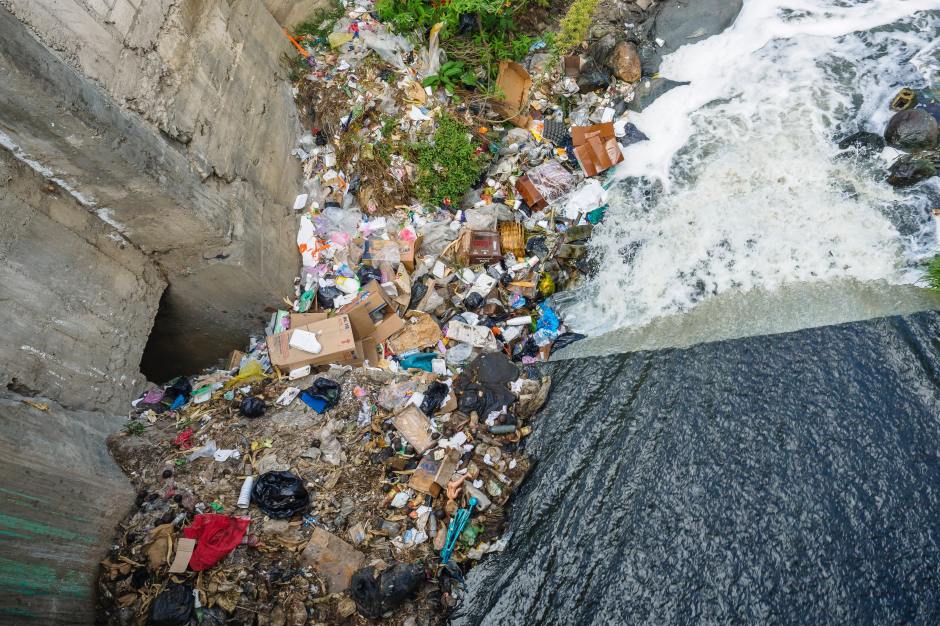
There are many misconceptions about the plastic pollution problem, but there is no question that in its many forms, plastic is killing ocean wildlife that is vital to the ecosystem. In addition, plastic pollution is sickening land flora and fauna, including humans.

Miranda Wang and Jeanny Yao were two of the youngest scientists ever to win the Perlman science prize in 2016 for developing a bacterium that may transform plastic into CO2 and water. Although they were not the first ones to discover that bacteria can break down phthalates, they were the first to find a possible solution to a local problem by looking into their own river system in Vancouver, Canada when they were still in high school.1

The two have since won numerous other science awards and established their company, BioCellection. Years of research later, their company is still focused on taking a main type of plastic, polyethylene, and turning it into chemical building blocks for new products that don’t end up in oceans as waste. The firm takes dicarboxylic acid it generates from polyethylene and transforms it into high-performance materials, such as photopolymers or polyyrethane.2

 “It is such a waste when materials that are perfectly good to be reused or repurposed end up as pollution,” Yao says. “Not only are we turning this currently wasted carbon into new materials that are high performing, but BioCellection is also making new products that can be recycled over and over again.”3

Since 2016, a product called the SeaBin has been available for purchase around the world. Created by two Australian surfers, the SeaBin is a bucket with a pump and water filtration system that is designed to suck in any floating trash into a removable mesh bag. The bucket includes an optional oil-water separator system that will pull oil right out of the ocean, then spit out cleaner water through the other side of the pump. The SeaBin can be installed at any floating dock to suck up trash or oil floating in nearby harbors.4

Since 2017, the SeaBin Project has removed over 1,400 tons of plastic pollution from the world’s oceans with SeaBin units in 53 countries. Each unit has the capability to collect 90,000 plastic bags, 35,700 disposable cups, 16,500 plastic bottles and 166,500 plastic utensils each year.5

Removal of plastic from the ocean is only one piece of the pollution puzzle. What happens to all the plastic that is collected? Not all of tons and tons of plastic can be transformed into usable products in the way of BioCellection. Much of the plastic waste has to decompose. Just as plastic was a wonderful invention due to its durability, it’s also a nightmare when it comes to decomposition, as it can take 1,000 years!

Leave it to yet another Canadian high school student to find a way to more quickly biodegrade plastic! Daniel Burd, a student at Waterloo Collegiate Institute won the Canada-Wide Science Fair in May of 2019. He created a process of immersing ground plastic in a yeast solution that expedites microbial growth, then isolating the productive organisms. After experimentation with different strains and interbreeding them, Burd achieved a 43% degradation of plastic in only six weeks!6

What makes Burd’s discoveries so exciting is that his method of decomposing plastic is organic. Other research on decomposing plastic have mainly focused on chemical additives made by scientists to cause plastic to vaporize.7 Testing needs to continue with Burd’s discoveries to ensure that byproducts of organic decomposition are not carcinogenic, but what a great starting point!

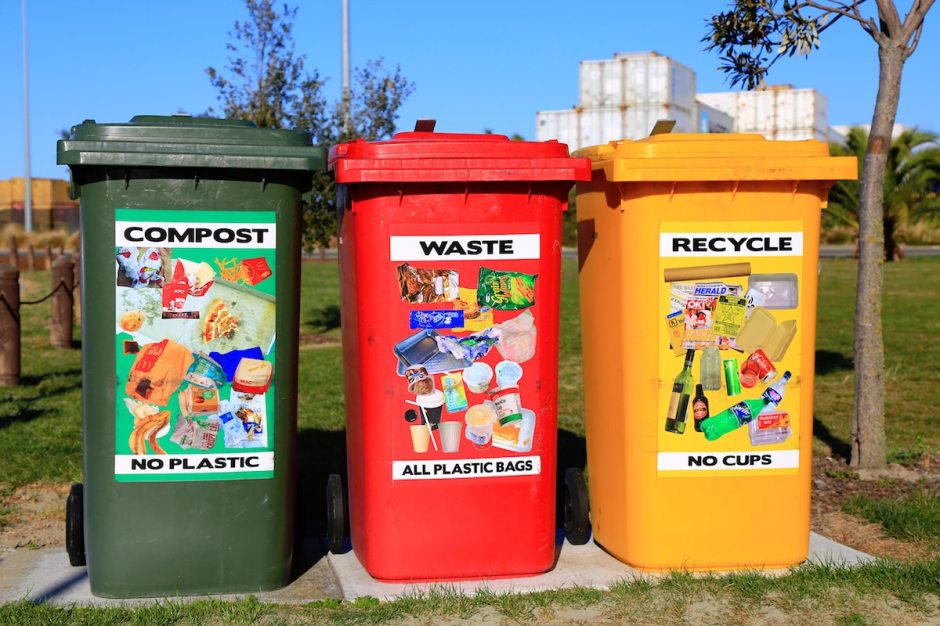
We can’t all be scientific entrepreneurs and make breakthrough discoveries, but every single one of us can help in decreasing plastic pollution by remembering to practice the 3Rs: reuse, reduce and recycle.

Water is Life and Nikken is doing its part to help people access clean water for Active Wellness—not only for drinking, but also for bathing. For the entire month of March, we are offering four Water Packs. Each pack has two state-of-the-art PiMag® products. You get one at the regular price and the second at 50% off! You have your choice of two PiMag MicroJet® Wall Mount Shower Systems, two PiMag MicroJet® Handheld Shower Systems, two PiMag® Sport Bottles of 100% recyclable biogreen materials, or two PiMag® Waterfalls.

1 https://www.thescienceandspace.com/2019/05/the-high-pollution-in-the-oceans-is-big.html?

2 www.intellingentliving.co/amp/students-recycle-polyethylene

3 https://cen.acs.org/environment/recylcing/BioCellection-Miranda-Wang-and-Jeanny-Yao-aim-to-make-treasure-out-of-plastic-trash/98/19

4 https://mitte.co/2018/02/13/water-related-technologies-inventions-inspire-us/

5 https://seabinproject.com/discovery-australia-joins-seabin-project-to-help-clean-up-sydney-harboru-in-world-first-program/

6,7 https://www.treehugger.com/boy-discovers-microbe-that-easts-plastic-4868136

Innovations in Clean Water Technology

We failed to take care of the environment and are paying dire consequences. Around one in three people worldwide, or 2.2 billion, lack access to safe drinking water near their home. By 2025, half of the world’s population will be living in water-stressed areas, when resources in a region or country are insufficient for its needs.1 Fortunately, innovative youth are coming up with ways to de-contaminate water sources.

At only 14 years old, Deepika Kurup noticed children in India using plastic bottles to collect water so dirty that she wouldn’t go near it. Coming from the United States, it was not something she was used to seeing. She understood that the dirty water was the only water they had to drink, and it was also used for washing clothes and bathing. She learned that lack of access to clean water restricted the girls’ opportunity for an education, since they could not attend school during their period.

Deepika Kurup proceeded to create an affordable and effective water purification system composed of a cement-like composite material that is activated by sunlight to reduce the amount of bacteria in water. The material can be molded into different shapes: a rod in a bottle, a disc or pot for a water tank—molds that can be scaled up or down. Kurup says, “This solution alone isn’t going to be what solves the water crisis, but it will be more effective in sunny parts of the world.”Kurup has patented her technology and will be working to implement it.

Around the world, many of the 783 million people who don’t have clean drinking water also don’t have access to electricity.  In 2014, 17-year-old Cynthia Sin Nga Lam created her prototype – the H2Pro – a portable device powered only by sunlight. Dirty water goes in one end, and a titanium mesh, activated by the sun, sterilizes the water and sends it through an extra filter. The photocatalytic reaction also splits the water into hydrogen and oxygen—so someone can flip a switch and start feeding a hydrogen fuel cell to produce clean power. Detergent, soap, and other pollutants in the water help make more hydrogen. There are similar water purification technologies but her invention did not require an extra source of electricity; only sunlight and titania was required. Besides being low-cost and easy to maintain, the H2Pro also generated a very efficient source of clean energy.3

Lam is now working as a contract consultant at the World Health Organization and hasn’t continued working with the H2Pro project. However, the idea of her two-in-one machine lives on with the development of scientists.4

Gitanjali Rao, from Colorado, was just 12 when she was awarded the title of “America’s top young scientist” for designing a compact device to detect toxic lead in drinking water, which she believes can be faster and cheaper than other current methods. At 15 years old, Rao was selected from a field of more than 5,000 nominees to be TIME magazine’s first ever 2020 Kid of the Year.

“I was like 10 when I told my parents that I wanted to research carbon nanotube sensor technology at the Denver Water quality research lab.

(they are cylindrical molecules made of carbon atoms that are very sensitive to chemical changes, and thus are good for detecting chemicals in water, among other uses.] It was just that changing factor of, you know this work is going to be in our generation’s hands pretty soon. So if no one else is gonna do it, I’m gonna do it.

“Observe, brainstorm, research, build and communicate. I’m currently working on an easy way to help detect bio-contaminants in water—things like parasites. I’m hoping for this to be something that’s inexpensive and accurate so that people in third-world countries can identify what’s in their water.”5

As a new generation of innovators makes headway in cleaning up water systems that previous generations have contaminated, the Global Wellness Community will continue spreading the word about conservation, respecting nature and new ways to access clean water. As Rao says, “I recently hit my goal of 30,000 students who I have mentored, which is super exciting. It’s like creating a community of innovators. I really hope the work that all of these kids are doing identifies innovation as a necessity and not something that’s a choice anymore.”6

Water is Life and Nikken is doing its part to help people access clean water for Active Wellness—not only for drinking, but also for bathing. For the entire month of March, we are offering four Water Packs. Each pack has two state-of-the-art PiMag® products. You get one at the regular price and the second at 50% off! You have your choice of two PiMag MicroJet® Wall Mount Shower Systems, two PiMag MicroJet® Handheld Shower Systems, two PiMag® Sport Bottles, or two PiMag® Waterfalls.

1, 2 https://www.cnn.com/2019/11/25/world/deepika-kurup-water-purification-intl-c2e

3 https://mitte.co/2018/02/13/water-related-technologies-inventions-inspire-us/

4 https://www.intelligentliving.co/teenager-invents-two-in-one-device-generates-electricity-purifies-water/

5,6 https://time.com/5916772/kid-of-the-year-2020/

Be Great Role Models for Heart Health

Have you thought about what the saying “Monkey see, monkey do” really means? When it comes to children, surrounding them with good role models is a fast way to ensure they develop good habits and behaviors. Children mimic the adults around them more easily than listening to requests or taking direction. When it comes to healthy heart habits, it’s a no brainer:  Whatever we do to be heart-healthy is more than likely what our children and grandchildren will copy. Be a good role model and get them on the Active Wellness track as early as possible.

Even though heredity is an important risk factor for heart disease, experts agree that healthy eating habits from an early age can lower the risk of developing cardiovascular issues, diabetes and other serious ailments later in life. American children and adolescents average more saturated fat in their diets than their counterparts in other developed nations.1

Although children and teens usually don’t show the symptoms of heart disease, the silent buildup of fatty deposits can start in childhood and can have a serious impact on their adult life. “The kinds of heart problems which relate to the problems adults have don’t really manifest themselves until [the children are] much older,” says Ronald Kanter, M.D., associate professor of pediatrics, division of pediatric cardiology, at Duke University. “But the seeds of those problems are sown in childhood and adolescence.”2

Fortunately, parents can influence their children’s behavior by encouraging healthy eating and regular aerobic exercise, as well as discouraging smoking. Dr. Kanter says he has noticed a gradual decline in the activity levels of the children and adolescents he treats and an increase in the prevalence of obesity. “It’s a clear epidemic,” he says. “There is now definite evidence that obesity is a risk factor for coronary events later in life.”3

We can help prevent obesity in our kids by encouraging them to be active in school and at home. Give them time to play outdoors each day. The United States Department of Agriculture’s guidelines recommend 60 minutes of moderate to vigorous activity for children most days of the week.4

To be good role models, we need to set time limits for TV watching, computer use (other than for work) and handheld computer games. On the other hand, we can set a good example by exercising regularly and making it a family routine—walking, biking, swimming, dancing to favorite music, etc. are all activities that are heart-healthy and also can bring us closer to our kids by sharing the gift of time. And to help them get some fruit and veggies into their diets, start them off early with Kenzen® Total Vegan Drink Mix—its chocolate flavor will make it an easy habit to develop!

There are a few days left to give the precious gift of heart health with the V-Day Promo Pack from Nikken! It contains one bottle of Kenzen® Bergisterol® capsules and one jar of Kenzen® Super Ciaga® powder, a dynamic duo for the heart. And, if you hurry, you will also receive the value-added Kenko® Heart Set, while supplies last. The V-Day Promo Pack is available through February 28th.

1 https://www.healthychildren.org/English/health-issues/conditions/heart/Pages/Heart-Disease.aspx#:~:text=According%20to%20the%20American%20Heart,including%20low%2Dfat%20dairy%20products.

2, 3, 4 https://www.stanfordchildrens.org/en/topic/default?id=prevention-of-heart-disease-starts-in-childhood-1-2073

Celebrate Your Heart and Your Love

Valentine’s Day is generally represented by a heart that signifies love and affection. But what about the physical heart which pumps to keep the body alive? Shouldn’t we celebrate the life-giving heart as well?

There are many things we can do to keep the heart healthy. Practicing Active Wellness means eating fewer fatty foods and more vegetables and fruit, exercising regularly and not smoking are the basics, but here are five related yet more specific tips for heart health:

  1. Eat healthy fats. In keeping away from fatty foods, we sometimes forget that we need healthy fats to function optimally. This means including healthy fats from nuts, seeds and olive oil. Eat healthy fats in moderation as they tend to be high in calories, but regular consumption can help maintain healthy levels of cholesterol. Avoid trans fats, as they are the ones that clog arteries. Read labels when purchasing ready-made food and rule of thumb is to avoid fast food outlets.
  2. Practice good dental hygiene. Develop the flossing habit and do it daily. Dental health is a good indication of overall health, including your heart, because those who have periodontal (gum) disease often have the same risk factors for heart disease. Studies show that bacteria in the mouth involved in the development of gum disease can move into the bloodstream and cause increased levels of C-reactive protein, a marker for inflammation in the blood vessels, which compound the risk of heart disease and stroke.1
  3. Sleep enough and sleep well. Those who don’t sleep enough may be at a higher risk for cardiovascular disease, regardless of age and other habits. One study of 3,000 adults older than 45 found those who slept fewer than six hours nightly were about twice as likely to have a stroke or heart attack as people who slept six to eight hours each night.2
  4. Don’t sit in one spot for a long time. Sitting in one place, whether it’s at a desk for work or on a long plane ride, increases the risk of blood clots known as deep vein thrombosis. Studies that have included 800,000 people show that there is an associated 147 percent increase in cardiovascular events and a 90 percent increase in death caused by those who sit the most.3 Get up and stretch or walk around every hour.
  5. Stay away from those who are smoking cigarettes. We all know we should not smoke, as it puts us at risk for heart disease; however, even breathing in secondhand smoke from other people’s cigarettes may be dangerous. Studies show that the risk of developing heart disease is about 25 to 30 percent higher for people who are exposed to secondhand smoke at home or at work. Nonsmokers who have high blood pressure or high blood cholesterol have an even greater risk of developing heart disease when exposed to secondhand smoke. This is because chemicals emitted from cigarette smoke promote the development of plaque buildup in the artieries.4

To celebrate heart health and those you love this year, Nikken has a V-Day Promo Pack that is available the entire month of February! It contains one bottle of Kenzen® Bergisterol® capsules and one jar of Kenzen® SuperCiaga® powder, and while supplies last, a Kenko® Heart Set from Nikken to you. Taken together, Kenzen Bergisterol and Kenzen Super Ciaga are a dynamic duo that help maintain cardiovascular health*, support the immune system* and provide overall health benefits*.

All of us at Nikken wish you and your loved ones a Happy Valentine’s Day this coming February 14! Get your V-Day Pack—it’s a gift for heart health!

*These statements have not been evaluated by the Food and Drug Administration. This product is not intended to diagnose, treat, cure or prevent any disease.

1, 2, 3, 4 https://health.clevelandclinic.org/5-things-to-do-every-day-to-keep-your-heart-healthy/

Exercising but Not Losing Weight?

One fact about exercise that many tend to ignore is that when we work out, the calories burned only account for a tiny part of our total energy expenditure. “In reality,” says Alexxai Kravitz, a neuroscientist and obesity researcher at the National Institutes of Health, “it’s only around 10 to 30 percent [of total energy expenditure] depending on the person (and excluding professional athletes that workout as a job).”1

Exercise has another effect that actually deters us from losing weight. Many of us consume more calories after exercising vigorously than without a workout. We also might take on “compensatory behaviors” after exercising, behaviors that actually slow down the metabolism. Examples are lying down to rest, being too tired to cook, eating whatever food is at hand, whether it’s processed or not. These compensatory behaviors cancel out the calories burned during the workout.

Simply increasing physical activity won’t help us lose significant amounts of weight. While exercise is hugely important for Active Wellness, how much and what we eat helps determine our waistlines much more. It therefore would make sense for public health policies to prioritize fighting overconsumption of low-quality processed foods while educating the masses and improving the food environment.

The National Weight Control Registry has conducted a study with 10,000 enrolled members. The study analyzed the traits, habits and behaviors of adults who have lost at least 30 pounds and kept it off for a one-year minimum. The researchers behind the study found that people who have had success losing weight have a few things in common: They weigh themselves at least once a week; they restrict calorie intake; they omit high-fat foods and watch portion sizes; and they exercise regularly.2

Decreasing calorie intake is necessary to lose weight, even with an increase in exercise. Research suggests that a person may be able to lose weight with extremely high levels of exercise, but even then, losing more than 4.4 pounds (2 kilograms) is unlikely.3

When it comes to decreasing calories, omitting sugar and high-fat foods is basic. However, did you know eliminating or decreasing alcohol intake may help with weight loss goals? Alcohol tends to be high-calorie in general. For example, a 12-ounce beer has about 153 calories and a glass of red wine has about 125 calories. Evidence suggests that in most cases it is not necessary to avoid alcohol completely to lose weight; however, it is helpful to limit drinking to two or three per week, and to stick with low-calorie selections, such as vodka or whiskey.4

In a nutshell, the most important thing a person can do to lose weight and maintain the loss is to limit calories in a sustainable way and exercise moderately. That means focusing on eating healthful yet delicious foods as in an Active Wellness lifestyle, not only as a temporary way to lose weight. To help ensure adequate intake of fruit and veggies, try supplementing with Kenzen® Total Vegan Drink Mix. By substituting some meals with Kenzen® Vital Balance Meal Replacement Mix, you may help achieve weight management goals, as it is formulated specifically to help burn fat, boost metabolism and build muscle!

1,2 https://www.vox.com/2016/4/28/11518804/weight-loss-exercise-myth-burn-calories

3, 4 https://www.medicalnewstoday.com/articles/324836#not-addressing-the-diet

Keep Your Water and Air Clean with Filtration

Clean air and potable water are crucial for Active Wellness. Depending on where we live, clean air and potable water can be valuable commodities rather than the norm. Even where outside air is relatively breathable and water is potable out of faucets, we all run the risk of breathing indoor air that is polluted with chemical odors, dust and dander or ingesting microscopic plastics, pathogens and a wide range of bacteria from water that is considered drinkable. This is why it’s so important to use water and air filtration units.

Nikken offers high-quality HEPA air filtration with the KenkoAir Purifier®. It’s portable and exceptionally quiet. The KenkoAir Purifier® exceeds the measured efficiency of capturing up to 99.97% of 0.3 micron particles in the air. It’s Energy Star qualified, which means it’s 35% more efficient than standard models and saves a minimum of 215 kilowatt-hours per year. Unlike typical air filters, this advanced system helps generate negative-ions similar to those found in natural environments. In addition to replaceable filters, its pre-filter is re-usable to further reduce its carbon footprint.

The state-of-the-art PiMag® Waterfall and the portable eco-bottle known as the PiMag® Sport Bottle provide unparalleled water filtration and alkalization.

•The PiMag Waterfall is designed to produce water with added minerals, in a pH range of 8.5-9.5. Ionized water decreases oxidation-reduction potential. A high ORP contributes to unwanted oxidative decomposition. Ionized PiMag water from the Waterfall can help offset the oxidizing effect of many elements of the modern diet and environment. This can actually help slow down cellular destruction.

•The PiMag Sport Bottle is the only water bottle that combines three technologies: nano-fiber filtration, alkalization and declustering. The patented nano-fiber filtration technology was originally developed for NASA and dramatically increases the filter’s ability to reduce potential contaminants from drinking water, now including pathogens and micro-plastics. The patented filter with alkalizing media increases the pH from 7 to 8.5, representing a 15 to 25 fold increase in pH value, going from an acidic to an alkaline range. 

You can even benefit when you shower, if you use the PiMag MicroJet®. It uses a reduction/oxidation process to neutralize chlorine ions and injects air into the shower stream to increase the electronegative potential of the water for more effective filtration. This shower filtration system has been tested according to NSF/ANSI 177 for reduction of free chlorine.

A great way to start a new year is by committing to Active Wellness. A great way is to take advantage of the Nikken replacement filter sale!   This year, the Nikken Replacement Filter Sale is effective January 15 through February 28, 2021. Save 20% off select filter replacements, and there’s no limit to how many you can purchase.

Committing to Transformation and the Global Wellness Community

Now more than ever, Nikken is a company committed to a transformative purpose. This purpose is really a commitment to the growth of the Global Wellness Community by creating mass consciousness about self-reliance through Active Wellness, the need to live in harmony with nature, and how to take care of not only ourselves but also those in our respective societies.

Committing to transformation starts with each individual but with the community in mind. Although we make mental commitments, actual transformation begins in our hearts. In current times, this means having faith in the power of love and resilience, in staying calm during crisis after crisis, and in believing that we are bigger than what’s happening and that by helping each other, we will emerge stronger than before.

Transformation, like happiness, starts from the inside and moves outward as it expands. Before we can “think outside of the box” as we’ve been told so often, we have to start inside the box, sift through and retain the useful while getting rid of the useless, and then jump out and focus on the change we choose. Individual transformation is after all, a choice, not something that can be forced.

Corporate transformation is similar to individual transformation. Nikken has always been a pioneer in creating relevant products: alkaline water (PiMag® water), organic whole foods (Kenzen® nutritionals) and restful sleep (Kenko Sleep). We’ve never been “trendy” because our products are classic and based on real wellness needs. Because of this, sharing Nikken products has been a viable way to augment finances for decades. During these trying times, Nikken has proven to be a way to forge on when other sources of income might have been cut off. More people are ready to embrace the Global Wellness Community and what we offer.

The philosophy behind our product line has not changed, because its relevance remains. How Nikken has transformed is by staying at the forefront of emergent technologies, phasing out products that prove unwanted by consumers, and offering partnerships with those interested in actively expanding our Global Wellness Community. The social aspect of sharing Nikken products, technology and a self-motivated way to earn money may prove especially attractive to those who are comfortable being part of the gig economy.

By the same token, we are not pioneers in making face masks or household cleaners. Yet during such unusual times, we’re offering re-usable face masks, hand sanitizers and a non-toxic Surface Cleaner simply to help our growing Global Wellness Community cope with the environment. (link to https://nikkenactivewellness.com/2020/06/25/create-a-wellness-home/) It’s a way Nikken to show our ongoing commitment to the Global Wellness Community.

As we approach 2021, we hope the lessons of 2020 help us all to positively transform to be stronger and more confident members of the world.

Give the Gift of Wellness

Most of us think of the approaching season of gifting in conjunction with sales galore. This year many people are not venturing out of their homes. Retail stores therefore are facing the challenge of making their holiday sales entirely online. At Nikken, we’ve been conducting business with our Consultants and Registered Customers online or by phone for years. Simply use the online shopping cart 24/7 or call Customer Service Monday through Friday! It doesn’t get easier than that.

More than ever before, this year is the perfect time to think of giving everyone on your list the Gift of Wellness. Nikken truly has something for everyone when it comes to helping people improve health and fitness, and now is the perfect time to get a jumpstart on your gift list.

Good sleep is critical to Active Wellness. An investment in a supportive mattress and pillow, quality sheets and temperature-controlled covers can help you feel refreshed and energetic at the start of every day. Right now, we have a really good deal for you to take advantage of during the season of giving! The Cozy Winter Packs are 15% off and will be available through the end of the year. They come in three sizes, and not matter which you choose, you’ll be benefiting from substantial savings. Whether you purchase for your own home or as gifts, the Cozy Winter Pack contains Sleep items that are rarely discounted.

•            The King Pack has one king size Kenko Dream® Comforter, two KenkoNaturest® Custom Pillows and two Kenko PowerSleep Masks.

•            The Queen Pack has one queen size Kenko Dream® Comforter, two KenkoNaturest® Custom Pillows and two Kenko PowerSleep Masks.

•            The Twin Pack has one twin size Kenko Dream® Comforter with one KenkoNaturest® Custom Pillow and one Kenko PowerSleep Mask. 

Staying hydrated is key to overall health. During these trying times, drinking lots of filtered water is even more important, as it is known that staying hydrated helps boost our immune systems. Carry an eco-friendly PiMag® Sport Bottle everywhere and drink up! It makes the perfect green gift all year round.

Do you know anyone who doesn’t do much cooking and relies on ready-made food? Unfortunately ready-made in this day and age often means highly processed and full of preservatives and artificial flavoring. Kenzen® Wellness Organic-Based Nutrition can help fill in dietary gaps while elevating your nutrient density. And for both children and adults who don’t eat enough vegetables and fruits, Kenzen® Total Vegan Drink Mix can provide four of the recommended daily servings in one delicious chocolate-flavored scoop. It’s green superfood!

What about a gift that takes care of the body’s largest organ, skin? True Elements® skin care helps cleanse, tone and moisturize skin of all ages with organic ingredients that include seaweed that is rich in natural minerals. These skin care preparations are natural, organic, and free from parabens, GMOs, mineral oils, phthalates, phenoxyethanol, PEG, EDTA, synthetic colorings and fragrances.

Make holiday gifting stress-free with Nikken, and remember to wash your hands and stay safe!

Breathe Deeply and Other Tips for Respiratory Health

Just like any other important organ in our bodies, the lungs age over time and lose some of their efficiency. The lungs can become less flexible and lose strength. The overall effect is that breathing becomes more difficult.

Our breath literally gives life, so keeping our ability to breathe easily is critical to Active Wellness and a high-quality lifestyle. Here are some key behaviors to help keep our lungs functioning properly:

•            Never smoke. If you do, find a way to stop. Seek the help of a professional if necessary. According to the Centers for Disease Prevention and Control, more than 10 times as many U.S. citizens have died prematurely from cigarette smoking than have died in all the wars fought by the U.S. during its history. In addition, smoking causes about 90 percent of all lung cancer deaths in men and women.1 Smoking also causes the lungs to age more rapidly. The good news is, according to the American Lung Association, within just 12 hours of quitting smoking, carbon monoxide levels in the blood drops to normal, and within a few months, lung function begins to improve. Within a year, the risk of coronary heart disease is half that of a smoker’s.2

•            Exercise regularly. We think about exercise in terms of maintaining a comfortable weight, keeping muscle tone and optimizing cardiovascular health. The truth is, regular exercise is key to the health of our lungs. Just as the heart beats faster during exercise, the lungs work harder, too. The body requires more oxygen during exercise, and the lungs increase their activity level to deliver that necessary oxygen while expelling additional carbon dioxide. Breathing increases from about 15 times a minute to approximately 40 to 60 times a minute, giving the lungs a real workout.3 Try to do something active for 30 minutes daily to lighten the load on the lungs and to help increase the efficiency of oxygen transportation and metabolism.4Strengthening the lungs with regular exercise helps improve immunity and resist aging.

•            Avoid exposure to pollutants. Stay away from smokers to avoid breathing in secondhand smoke. Keep your windows rolled up when in heavy traffic to avoid breathing in exhaust fumes.

•            When driving, avoid idling the car for long periods of time (a minute is a very long time when idling, so keep it to 10 seconds or less) to help prevent noxious air. Many newer car models automatically turn the ignition off when idling for more than a few seconds.

•            The U.S. Consumer Product Safety Commission reports that indoor pollution is typically worse than outdoor. To help decrease indoor pollutants, open windows to keep air circulating, ban smoking indoors, keep dust to a minimum, use natural cleaners such as Kenzen® Surface Cleaner as much as possible, avoid synthetic air fresheners and make sure exhaust hoods and other ventilation methods are adequate.

•            Wash your hands frequently. Keeping hands clean is the easiest way to help prevent lung infections.

•            Stay hydrated. Drink plenty of water and eat lots of fruits and vegetables, because they contain nutrients that help boost the immune system.

•            Cover your coughs to help stop the spread of germs. Get plenty of rest, eat well and keep stress levels under control to overcome any viral or bacterial infections.5

•            When working where there are known pollutants, wear a mask, such as the Kenzen® Face Mask. Avoid breathing in toxic fumes from chemicals, solvents, paints, excessive amounts of dusk, fumes, smoke, gas, vapors or mists.6

•            Breathe deeply. Most of us take shallow breaths from the chest area, but this only utilizes a small portion of our lungs. On the other hand, deep breathing helps clear the lungs and allows for full oxygen intake and expulsion of carbon dioxide. Be conscious of your breath and it is noticeable that deep breathing feels invigorating as well as relaxing.

1, 2, 3 healthline.com/health/understanding-idiopathic-pulmonary-fibrosis/ways-to-keep-your-lungs-healthy-and-whole#4.-Prevent-infections

4, 5, 6 https://www.lung.ca/lung-health/prevent-lung-disease