How Much Water Do You Need to Drink Daily?

Every life form on Earth requires water to survive, but how much do human beings need to drink to be healthy and practicing the Active Wellness lifestyle? It really depends on the individual and there are a variety of opinions from researchers and health authorities.

What everyone agrees on is that the human body is composed of about 60% water, and we’re constantly losing water from perspiration and urine and other bodily output. We therefore drink water to replenish and prevent dehydration. Water is required for virtually every bodily function, including flushing toxins from organs, carrying nutrients to cells, cushioning joints and helping to digest food.

When the water content in the human body goes below certain levels, we experience the feeling of thirst. In general, it’s not something we have to think about, just as we don’t think about breathing. It happens and we reach for water to rehydrate. As simple as that process is, this automatic thirst mechanism becomes less accurate with age, so the elderly need to be more conscious and hydrate throughout the day, even when not feeling thirsty.1

People’s water requirements vary depending on age, weight, physical activity, general health and the climate they live in. If you live in hot climates, you will sweat more and require more water. If you have a job that requires strenuous labor, you will require more water than someone sitting at a desk in an air-conditioned office. It’s common sense but there are recommendations and guidelines from the National Academies of Sciences. For women, they recommend a total of 2.7 liters or 91 ounces of liquid daily, including all beverages and water-rich foods.2 For men, the recommendation is a total of 3.7 liters or 125 ounces of liquid daily, including all beverages and water-rich foods.3LemonWater
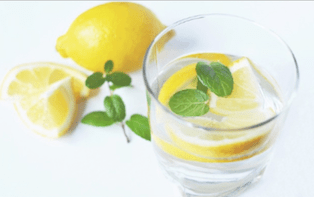
Similarly, the Institute of Medicine (IOM) recommends 13 cups or three liters daily for men and nine cups or two plus liters daily for women. IOM adds that pregnant women should drink about 10 cups daily, while breastfeeding mothers need 12 cups.4 They state that children and teens generally require six to eight cups daily, with the addition of plenty of fresh fruits and vegetables that are water-rich. During exercise, the goal is to drink a half to two cups of water every 15-20 minutes.5

Signs of dehydration include headaches, increased heart rate, faint pulse, reduced blood pressure with an inability to stand upright and dry mouth.6 Many medications also cause dry mouth or outright dehydration, so be sure to discuss water intake needs with a doctor or pharmacist if placed on prescriptions.

No matter which health authorities you choose to believe, there is no question that everyone can benefit from the eco-friendly PiMag® Sport Bottle and PiMag Waterfall®. They’re great for Planet Earth and you’ll save money over the years by avoiding the purchase of bottled water!


1 https://www.ncbi.nlm.nih.gov/pubmed/9039003

2, 3 https://www.livescience.com/61353-how-much-water-you-really-need-drink.html

4, 5 https://www.webmd.com/diet/how-much-water-to-drink#1

6 https://lifeinthegoldenyears.com/10-signs-seniors-are-not-drinking-enough-water/?utm_source=drink%20water&utm_medium=notdrinkingenough&utm_campaign=bing


Ins and Outs of Water Safety

During the summer months, the topic of water safety comes up as the warm weather attracts people of all ages to pools, lakes and the beach. Whether indoors or enjoying water sports outside, being “water competent” is key to having fun without being at risk of drowning. According to the American Red Cross, the skills required to achieve water competency are to be able to enter the water, get a breath, stay afloat, change position, swim a distance and then get out of the water safely.1

Common sense dictates that all children, whether they are water competent or not, be supervised when they are in or near bodies of water. “Better safe than sorry” absolutely applies to water safety. Drowning is a leading cause of accidental death among children of all ages and is a worldwide phenomenon. That’s why it is paramount that children are educated early in recognizing drowning risks to protect themselves and others. Public awareness and education focused on young children is the most powerful tool to prevent fatal and non-fatal drowning.2

Water can kill in more ways than by drowning. The World Health Organization says that every year more than 3.4 million people die as a result of water related diseases. Most of the victims are young children, the majority of who die of illnesses caused by organisms that thrive in contaminated water sources.3

In countries such as Canada and the United States, the law protects public drinking water supplies with specific standards, so it is generally safe to drink water straight out of the tap. However, even in North America, there are places that don’t have readily available potable water. Water in different states and provinces have discernible tastes, some palatable and others not. Whether due to convenience or taste, far too many people habitually drink bottled water, adding to the catastrophic carbon footprint of plastic waste. And ironically, the water within the bottles is not necessarily better for the health.

Why not commit to drinking water that is produced with Active Wellness and sustainability in mind? Plastic bottles simply are not sustainable—they use vast quantities of fossil fuels and water itself—they’re manufactured, filled and shipped around the globe, creating a massive carbon footprint!4 Even with recycling efforts, six out of seven plastic bottles consumed in the U.S. become waste in land fills or end up in the ocean.5garbage-unusedplasticimage

According to the Environmental Protection Agency (EPA), there may be a slight chance that bottled water contains more contaminants than tap water. The EPA strictly regulates tap water, while bottled water is categorized as a packaged food product by the Food and Drug Administration. Testing is not as stringent or strictly enforced as tap water.6

The solution is so simple: drink water from a PiMag Waterfall® or PiMag® Sport Bottle. Not only do they help decrease your carbon footprint, it’s actually healthier for you! Alkalizing with 99%+ reduction in bacteria, particulates, chlorine, chloramine, cyst and lead—the eco-friendly bottle has replaceable filters, each of which provides the equivalent of drinking approximately 250 12 to 16-ounce bottles of water. The Waterfall holds 1.32 gallons or five liters of water and each replaceable filter lasts 90 days or for 900 liters, whichever comes first! Save money, but more importantly, save our planet.

Discover Planet Earth. Live Green and Clean. Share Community Conscience.


1 https://www.redcross.org/about-us/news-and-events/news/water-safety-month-how-to-be-safe-in-and-around-the-water.html

2 https://www.stopdrowningnow.org/?gclid=Cj0KCQjwhdTqBRDNARIsABsOl98GvIb5te6BAdcy_tRq6_wWGiD1sEYVa8_o74YWvEYzLy6S-NCQyAIaAvXvEALw_wcB

3 https://www.voanews.com/archive/who-waterborne-disease-worlds-leading-killer

4, 5 https://www.mindbodygreen.com/0-11193/7-reasons-to-never-drink-bottled-water-again.html

6 https://www.livestrong.com/article/154123-bottled-water-side-effects/


Do You Have Itchy Skin and Stiff Joints?

At Nikken, we promote Active Wellness as a way of living. It’s a proactive rather than reactive approach to life. That means taking measures to maintain health and doing the best to prevent bodily and mental breakdown. Ironically, as we make huge advances in technology, we continue to be confronted with challenges that often have no sure-fire solutions. This is the case with psoriasis, a chronic autoimmune disease that affects more than 125 million people worldwide.1

No one knows the exact cause of psoriasis, but since August is Psoriasis Awareness Month, it is a good time to learn about it, whether we suffer from outbreaks of scaly skin or not. Researchers believe psoriasis can be triggered by cuts, scrapes or surgery, as well as emotional stress, infections, and even certain medications, such as beta-blockers that control blood pressure and antimalarial drugs.2 This skin disorder causes skin cells to multiply 10 times faster than normal, building into bumpy red patches with white scales.3 It’s not contagious but sometimes occurs with members of the same family.

Although not curable, certain precautions can be taken to help prevent flare-ups:

  • Stay warm in cold, dry weather. Researchers have shown that psoriasis occurs more often in wintry weather, so limiting the skin’s exposure to the cold is a proactive measure.
  • Keep skin moisturized. Dry skin is a trigger and can make scaling more severe. A humidifier may be helpful, especially in winter months. Alternatively, use True Elements® Marine Organic Skin Care to cleanse, tone and hydrate skin year round.
  • Get short, regular bursts of sunlight, because ultraviolet radiation has immunosuppressive effects. UV light therapy is a known treatment option for psoriasis.
  • Wear sunscreen to avoid sunburn. Skin damage of any kind is a trigger for flareups.
  • Make sure to get enough Vitamin D, since a deficiency is common in people with psoriasis.
  • Take extra care when cutting nails or shaving and avoid scratching insect bites. Wear gloves when gardening and be careful when preparing food with knives.
  • Reduce stress. Reports suggest that stress may trigger flare-ups in 68% of adults with psoriaris.4 Practice yoga and meditation to ease stress.
  • Eat a whole food diet that includes nuts and seeds, since they contain good fats, which may help improve skin health. Avoid food that is known to be inflammatory, especially processed carbohydrates and anything with lots of added sugar.
  • Take Kenzen® Omega Green + DHA. Research suggests that omega fatty acids may improve various signs and symptoms of psoriasis.5 Since Omega Green + DHA is made with flaxseed oil, cranberry seed oil and red algae, it comes from sustainable resources that are kosher, vegan certified and gluten-free. OmegaDHANew_317x310With all three types of omega fatty acids formulated in optimal proportions (3, 6, 9), Kenzen® Omega Green + DHA is designed for heart health, an added benefit, since the risk of heart disease rises for those suffering from psoriasis.
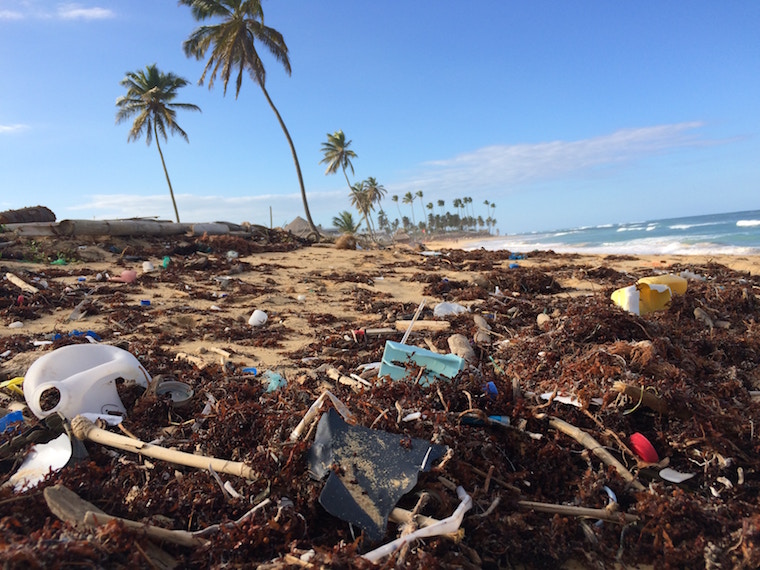
  • Stay hydrated. Dehydration is found among people with psoriasis, especially females 60 years of age and older.7 Keep a PiMag® Waterfall  in your kitchen for cooking purposes as well as drinking, and take a PiMag® Sport Bottle with you everywhere.
  • Take Kenzen® Joint. Although symptoms of psoriasis depend on the specific type, sufferers commonly experience some combination of itchy skin, burning or sore skin, scaly skin and swollen or stiff joints. Kenzen® Joint nutritionally supports collagen, bone and connective tissue repair with a high concentration of cetyl myristoleate combined with glucosamine, methylsulfonylmethane and compounds from the boswellia plant.
  • Use CM Complex Cream  for its naturally soothing and cooling effects on achy joints. In addition to cetyl myristoleate, this topical formulation includes aloe, menthol and peppermint, which are derived from plants and offer a natural alternative to chemical ointments.

All the precautions mentioned above may help those trying to prevent psoriasis flare-ups. They also are part of the Active Wellness approach to wellbeing for anyone seeking to maintain or improve health—physically and mentally.


1, 7 https://www.philips.co.uk/c-e/challenge-psoriasis/psoriasis-stop/life/staying-well-hydrated-with-psoriasis.html

2, 3 https://www.webmd.com/skin-problems-and-treatments/psoriasis/understanding-psoriasis-basics#1

4 https://www.medicalnewstoday.com/articles/324185.php

5, 7 https://www.medicalnewstoday.com/articles/322302.php


Help Keep Our Beaches and Oceans Clean

In order to help keep our oceans and marine life sustainable, we need to keep our beaches clean. Beaches are home to many creatures, including sea lions and sea turtles that depend on both land and sea to survive. Even sea creatures that live solely in the water are affected by polluted beaches when trash that accumulates on the beach is washed out with the tides. In addition to plastic and paper trash, chemical and human wastes on the beach also wash out to sea.

Plastic pollution impacts virtually every living organism in, or thriving off of, the oceans of our world.1  Sea turtles, sea lions, sea birds, fish, whales and dolphins are creatures that often are found dead with huge amounts of plastic debris in their bellies, digestive tracts, fins and other internal organs.

Every person who visits any beach in any part of the world can help keep our beaches and oceans clean. We each can commit to making a difference and educating our children, so they can practice green behaviors from an early age. If you haven’t already started, this summer is a great time to take action:

  1. “Take 3 for the Sea” is an organization that teaches people to take three pieces of trash with you when you leave the beach or any waterway. By doing so, you will have made a difference. Participation in this program has burgeoned to 129 countries with 300,000 people educated in helping to make plastic pollution a thing of the past.2
  2. Don’t drink bottled water. More than one million plastic bottles are purchased every minute around the world. 3 They require large amounts of energy and water to produce, then end up clogging landfills.
  3. Use re-usable alternatives to plastic bottles. You can buy re-usable water bottles everywhere, but you can only purchase the PiMag® Sport Bottle with the nano-technology filter system at Nikken. PiMagSportBottle-with-straw_small_7-18[2]At home, you can make a difference by drinking filtered water from a PiMag Waterfall®—good for Active Wellness as well as minimizing your personal carbon footprint. PiMag-Waterfall-4-3-18
  4. Use re-usable tote bags and containers. Avoid buying food and other items wrapped in plastic. For example, when buying fresh food, buy whole fruit and vegetables instead of pre-cut, prepackaged versions wrapped in plastic. Shop at bulk food bins and bring your own containers. Carry out with your own totes.
  5. Decrease chemical usage as much as possible. Pesticides, fertilizers and weed killers are harmful for our oceans—the closer you live to the sea, the more likely those chemicals will end up there. About 245,000 square kilometers (about the size of the UK) are known as “dead zones” where marine life cannot survive, due to chemical poisons in the eco-system.
  6. Opt for mineral sunscreens or non-nano zinc oxide as the primary active ingredient. Chemicals such as oxybenzone and octinoxate that are commonly found in popular sunscreens are not eco-friendly. Once these chemicals make their way off beach bodies into the ocean, they can damage coral DNA. Sunscreens without these damaging chemicals are called “reef-safe.” 5
  7. Be careful what you flush down the toilet. Medicines have been detected in ground water and marine life. For example, 4500 wet wipes were found in a 154 square-meter portion of the Thames river in 2017, an example of what doesn’t break down in the flushing process. 6

Share your knowledge of eco-friendly habits with friends and family. The more people who commit to making a difference, the better chance we have of maintaining the lives of our beaches and oceans.

1 https://www.onegreenplanet.org/animalsandnature/marine-animals-are-dying-because-of-our-plastic-trash/

2 https://www.take3.org/?gclid=CjwKCAjwg-DpBRBbEiwAEV1_-F4JC9qmJy35k0TPp6tB0pi5o-jQFIESz_NNK61DuzePtQM2QoFj_xoCpJsQAvD_BwE

3 https://www.take3.org/the-plastic-facts/

4, 6 http://mentalfloss.com/article/546495/things-you-can-do-help-keep-oceans-clean

5 https://oceanconservancy.org/blog/2019/05/25/4-ways-help-protect-ocean-beach-summer/?ea.tracking.id=19HPXGJAXX&gclid=CjwKCAjwg-DpBRBbEiwAEV1_-NIxzfGU-rDeqiEyBfzBtl-AOOB3v8vGZ9Ekzb0xAswuQwI2d1A-vBoCL9EQAvD_BwE


Healthy Food That Also Reduces Your Carbon Footprint

Most of us know there are benefits to going organic and going “green.” Although both are beneficial in the pursuit of Active Wellness and for planet Earth, there are differences. Going organic is health-centered while going green requires sustainable practices that impact economic, social and ecological factors that help protect Earth and its resources. In other words, sustainable food is virtually always organic, but not all organic food is sustainable.

Choosing sustainable food helps reduce an individual’s carbon footprint, which is the “amount of greenhouse gases produced to directly and indirectly support human activities, usually expressed in equivalent tons of carbon dioxide.”1 The Food andAgriculture Organization of the United Nations claims that by switching to organic agriculture farmers can reduce up to 66% of carbon dioxide emissions.2 Large agricultural companies argue that some organically grown produce have a higher overall energy consumption and land use. This discrepancy presents the most obvious difference between simply organic, and actually sustainable, food.

The rule of thumb is that the less processed the food is, the more sustainable it is. Look at it this way: when you eat a raw organically grown vegetable or fruit, you are eliminating the carbon footprint of the power used in cooking by gas or electricity. Also, some vegetables have a carbon footprint nearly as serious as meat, because they are grown in greenhouses that use a lot of heat and light—for example, hothouse tomatoes, peppers and cucumbers. Therefore, the approach to reducing your carbon footprint with what you eat requires multiple behaviors:

  • Eat locally produced organic food. An estimated 13% of U.S. greenhouse gas emissions result from the production and transport of food. Transporting food requires petroleum-based fuels, and many fertilizers are also fossil fuel-based.3
  • Reducing your consumption of non-grass fed red meat and dairy is not only environmentally friendly but also heart friendly. Livestock is responsible for 14.5% of manmade global greenhouse gas emissions, mainly from feed production and processing, and the methane that beef and sheep emit. Every day without meat and dairy reduces your carbon footprint by eight pounds or 2,920 pounds a year.4
  • Research which fruits and vegetables are most carbon-friendly. For example, lentils require very little water to grow. They actually clean and fortify the soil, making it easier to grow other crops. Beans in general (including kidney, black, pinto, etc.) have a low carbon and water footprint. These legumes also have high nutritional values because of their protein and fiber content. Rice, on the other hand, is water intensive.
  • Mussels are harvested on long collector ropes suspended in oceans, and while growing, they eat naturally occurring food in the water. In the process, they filter and clean the water, even extracting carbon to make their shells. They have very little environmental impact.5
  • Buy fish in season from local farmer’s markets or fisheries that practice sustainable fishing. As people become more educated about overfishing, the island of Palau is leading the way in protecting its oceans from poaching and has outlawed bottom trawling. In 2015, Palau established the largest no-take zone in the world, 193,000 square miles of ocean that cannot be fished, mined or drilled.6 Palau now has a range of partners from commercial, non-profit and governmental organizations, including U.S.-based SkyTruth, a nonprofit that monitors and reports poaching to the police.
  • Buy food in bulk when possible. The less packaging, the more sustainable the food. Use your own recyclable and reusable containers.
  • Eat what you buy. Reduce food waste by freezing excess and repurposing leftovers. Teach your children early in their lives to develop eating habits that are not only healthy but also helpful to planet Earth. Waste not, want not.

As you reduce your carbon footprint, Kenzen Vital Balance® Meal Replacement Mix can help you with the transition to being more plant-based in your diet. It’s made with organically grown ingredients that provide a nutritious source of vegan protein.

1 https://timeforchange.org/what-is-a-carbon-footprint-definition

2 https://www.terrapass.com/eat-your-way-to-a-smaller-carbon-footprint

3 https://cotap.org/reduce-carbon-footprint/

4 https://blogs.ei.columbia.edu/2018/12/27/35-ways-reduce-carbon-footprint/

5 https://www.globalcitizen.org/en/content/environment-food-cooking-sustainability/

6 https://www.globalcitizen.org/en/content/how-a-tiny-island-is-showing-the-world-how-to-prot/


Boost Your Energy Levels During the Summer Months

When temperatures go up, energy levels go down. Air-conditioning helps, but it can be expensive and gives the body more extreme temperature fluctuations to contend with. Fortunately, there are a few easy things that can be done to conquer the heat and boost your energy levels.

  • If you’re able, simply run cold water over your wrists to cool off. You don’t actually need to take a whole body cold shower. The arterial pulse points in the wrist help cool off the body, because arterial blood flows away from the heart and the cold water will circulate cooler blood throughout the body and ultimately lower your core temperature. 1
  • Do the same thing with cold water on your feet. Arterial pulse points are located in areas where the blood vessels come closest to the surface of the skin. 2
  • Appetites generally dip when the weather is hot, but eating small amounts every few hours is important for keeping energy levels up. Try hydrating fruits and vegetables such as watermelon, celery, green peppers and radishes.
  • Stay away from heavy foods, such as fatty meats and desserts. They take a lot of energy to digest and the effect is sluggishness.
  • Drinking hot beverages may actually help you cool down. The hot liquids enhance circulation and cause you to perspire freely and expel heat. Once the perspiration evaporates, your body cools down. Drinking hot beverages to cool down is effective in dry desert-like heat, not in humid, tropical weather, where perspiration doesn’t easily evaporate. 3
  • Hot spicy foods act the same way as hot beverages. That may be why chili peppers are so popular in hot continents, such as Asia and Africa. The spicy chilis activate nerve receptors in the tongue, which tell the brain to turn on the body’s cooling mechanism: sweating. 4
  • Drink a glass of water first thing in the morning, and save the caffeinated beverages for later. Contrary to popular belief, according to a study in 2013, drinking coffee first thing in the morning depletes energy levels.5 Try Kenzen Ten4® Energy Drink Mix with its superior blend of matcha green tea that provides 80 mg of natural caffeine for smooth energy support at the suggested times of 10 am and 4 pm. It’s delicious hot or cold.
  • Use ice in a bucket in front of a fan to provide a quick cool down. When the fan blows air over the ice, the surrounding air cools down.
  • Breathe in deeply. When the body doesn’t obtain enough oxygen, energy levels dip drastically. No matter how heavy the air may feel, make a conscious effort throughout the day to breathe in and out as fully as possible. Use your hands to push your belly in as you exhale to release your breath.
  • Clean out your system by keeping your liver functioning at full capacity. “Regular” or not, everyone carries excess waste all year round, which results in lethargy. Cleanses are popular because by lightening the load, you can boost your energy level and temporarily lose weight. Unfortunately, many bodies cannot take the harshness of those 7-14 day cleanses. Using Kenzen® Cleanse & Detox is far more convenient and gentler to your system. With organic natural ingredients, Cleanse & Detox will help your liver function optimally so you feel more energetic.

No wonder Kenzen Ten4® Energy Drink Mix and Kenzen® Cleanse & Detox are two of our best selling Active Wellness nutritional supplements!


1, 2 https://www.prevention.com/health/a20480309/beat-the-heat-and-boost-energy/

3 https://www.smithsonianmag.com/science-nature/a-hot-drink-on-a-hot-day-can-cool-you-down-1338875/

4 https://www.npr.org/sections/thesalt/2012/07/11/156378713/cool-down-with-a-hot-drink-its-not-as-crazy-as-you-think

5 https://www.whitewaternow.com/tips-boosting-energy-heat-summer/


Do You Eat Right and Stay Hydrated During Summer Heat?

As temperatures rise, our bodies have varying needs in order to function optimally. Everyone is aware that high temperatures require more liquid intake, but sometimes it takes the symptoms of dehydration to remember to grab the water bottle! It’s far safer to drink water throughout the day, since thirst is already a sign of dehydration.

Overheating is especially easy for children and family dogs that we transport frequently in cars. It only takes 10 minutes for a car to heat up by 19 degrees; and since children’s bodies heat up three to five times faster than an adult’s, it renders them far more susceptible to heat stroke. 1 By the same token, a dog’s normal temperature is about 101.5, and a degree up or down is fine; however, once a dog’s internal temperature reaches 105, its life is in danger. 2 Never leave a child or a dog (or any other pet) in a car in the summer, even if the windows are cracked open.

In addition to staying hydrated, what we eat can also affect how our bodies cope with the summer heat. Meats and other high protein foods need to utilize more water during digestion, and food poisoning reaches its annual high during the summer. According to the Center for Disease Control, anything that has mayonnaise, dairy, or eggs in it and any meat products can develop some pretty nasty bacteria after only a couple of hours unrefrigerated.3

To prevent food poisoning, the U.S. Department of Agriculture advises us to “Clean, Separate, Cook and Chill.” This refers to washing hands and surfaces where we prepare foods, wrapping raw meat and keeping it separated and stored away from other food, cooking meats to a minimum of 145 to 165 degrees internally (poultry requires the highest heat), and keeping everything chilled in the refrigerator as long as possible, then transported in an insulated cooler.4

If drinking enough water proves challenging, there are certain foods that are easy to eat and prepare. Since they’re composed mostly of water, they help us hydrate.

  • Broccoli and cauliflower are composed of more than 90% water, as are radishes.
  • Eggplant is a great source of hydration and fiber and can serve as a versatile meat replacement, minimizing the need for much liquid during digestion.
  • Bell peppers are more than 92% water, with the green variety containing the most.5
  • Melons such as honeydew, cantaloupe, casaba, Crenshaw, hami, golden, Korean, and so many more, are natural hydrators and packed with sweetness and antioxidants.
  • Watermelon is the universally loved summer fruit that contains lycopene, an antioxidant found in fruits and vegetables with red pigmentation. Lycopene offers the added benefit of protecting against sunburn.6

Take advantage of the sunny weather to participate in outdoor activities but remember that hydration is part of Active Wellness. Keep your PiMag® Sport Bottle handy as you go to picnics, barbeques and summer outings.

1 https://www.care.com/c/stories/3357/summer-safety-tips-a-guide-to-protecting-kids-from-heat/

2 http://www.vetstreet.com/dr-marty-becker/heatstroke-summer-days-can-turn-deadly-quickly-for-overheated-dogs

3, 4 https://www.webmd.com/skin-problems-and-treatments/features/top-7-summer-health-hazards#2

5 https://blog.memd.me/hydrating-foods-to-eat-this-summer/

6 https://www.healthline.com/nutrition/lycopene


Active Aging is Part of Active Wellness

The beauty industry has inundated the marketplace with a slew of “anti-aging” products. But “anti” means against and is also more than skin deep. A more positive approach to aging is with grace, discipline and common sense.

In the United States, baby boomers (those born between 1946 and 1964) are reshaping the population. The number of Americans aged 65 and older is projected to more than double from 46 million today to more than 98 million by 2060. That translates to nearly 24 percent of the population, a substantial increase from 15 percent today. 1

One of the key approaches to address the aging revolution is known as “active aging,” crystalized by the World Health Organization in 2002 by three pillars: participation, health, and security. The active aging policy has financial and economic aspects and affects both men and women as older adults are working longer. 2 As more people live to be centenarians, counteracting the onset of age-related degeneration becomes increasingly important.

Here are 10 head-to-toe tips for Active Wellness and active aging:

  1. Keep challenging your brain. Learn a new language, sport or anything out of your comfort zone. Do puzzles and crosswords.
  2. Play and listen to music. Branch out and try a different instrument if you already play one and listen to something new.
  3. Did you know leafy greens also deliver lutein and zeaxanthin, antioxidants that help the retina’s ability to break down harmful compounds from stressors such as sunlight, junk food and smoke? 3 Incorporate them into your daily diet together with carrots and other colorful fruits and vegetables.
  4. Use sunscreen on your face and all exposed areas of the body to protect from UV rays.
  5. Cut back on sugar. It contributes to wrinkles and dehydrated skin, as well as causing inflammation and pain. 4
  6. Hug people who welcome it. A University of North Caroline study found that those who got more frequent hugs had lower blood pressure and healthier resting heart rates compared to those who weren’t hugged often. Scientifically speaking, hugs trigger the release of feel-good hormones like oxytocin, while lowering stress hormones like cortisol. 5
  7. Muscles become less pliable after age 40, so performing a stretching routine daily helps the body remain flexible and more able to prevent injuries and even rebuild atrophied cells. 6 A supple spine is key to being limber, so include forward and backward bends.
  8. Sleep well. Not only does it help keep you alert, but it also affects your skin. One study showed that women who reported sleeping well were found to have fewer fine lines and more even pigmentation and skin elasticity compared with those who reported sleeping poorly.7
  9. Stand up straight. Aging often causes posture to suffer in the form of breathing problems, joint pain and walking difficulties. Research from the Mayo Clinic shows that proper body alignment can help prevent excess strain on joints, muscles and spine, and can also boost mood. 8
  10. Soak your feet regularly in warm water and Epsom salts. Sore feet lead to inflammation and pain. Comfortable feet help you stand tall, walk and exercise consistently.Kenko Sleep Products, NikkenWellness nutritional supplements  and True Elements® Marine Organic Skin Care help take care of your Active Wellness needs every day.


    1 https://www.prb.org/aging-unitedstates-fact-sheet/

    2 https://www.ncbi.nlm.nih.gov/pubmed/28368781

    3, 4, 5, 7 Taylor, Marygrace, Your Total Body Anti-Aging Plan, Spry Living, March 2017.

    6, 8 https://bestlifeonline.com/anti-aging-tips-for-men/


Do You Drink Bottled Water?

Most of us drink bottled water at one time or another. It’s sold everywhere—in supermarkets, corner stores, concert venues, theaters, etc. Can we even imagine not drinking bottled water? Realistically, it’s important not only to imagine it, but also imperative to start practicing it. Planet Earth depends on us.

Bottled water marketing campaigns have been so successful in making people suspicious of tap water that sales skyrocketed 700 percent between 1997 and 2005.1 With this growth in sales, environmental degradation, landfill waste and other abuses associated with bottled water also grew exponentially.

Although most people think of bottled water as being healthier than tap water, bottled water is not subject to the same high level of scrutiny and regulation that the federal government mandates for tap water. In fact, the chemical pollution standards for bottled water and tap water are nearly identical—most brands of bottled water are simply filtered tap water. In the U.S., while public water utilities are required to disclose their testing results, bottled water companies are not required to release testing data, except in the state of California, where a minimum of information is required. Essentially, when we buy bottled water, we can never be sure of what we’re getting—research done by the Environmental Working Group (EWG) found 38 contaminants in 10 popular brands of bottled water, including disinfection byproducts, industrial chemicals, arsenic, fertilizer residue and pain medication. 2

Water is life and an Active Wellness lifestyle requires drinking lots of water to maintain a healthy body. We also owe it to ourselves and future generations to minimize waste in order to save the environment. Producing less plastic waste by breaking the bottled water habit is key to this effort. Here’s why:

  • Every year, the equivalent of 17 million barrels of oil are used to produce plastic water and soda bottles in the U.S.—not including transportation. Bottling water produces more than 2.5 million tons of carbon dioxide per year.3
  • Next to plastic bags, plastic bottles are the most prevalent source of pollution found on our beaches and shores. Each year, over 500 billion disposable bottles and cups end up littering our soil, rivers, lakes and oceans, killing countless fish and animals.4
  • Once you add in the water needed to manufacture paper labels and transportation fuel, it actually takes closer to six bottles of water to produce one liter of bottled water.5
  • From creation to disposal, plastic water bottles contribute to air pollution. And many of the chemicals that go into their production continue to leach out into the air and into the water they hold.

It’s really not that difficult to change. Get used to taking a portable water bottle when on-the-road and using a countertop water filter at home. Filtering tap water at home and from water fountains elsewhere can help remove impurities and make water safer to drink. Pathogens, dirt, chemicals and other contaminants are effectively removed by micro-, ultra- and nano-filters.6

Two young scientists have tackled the problem of plastic waste in a huge way. Jeanny Yao and Miranda Wang have developed a bacterium that may transform plastic into CO2 and water. They have already won the Perlman science prize and obtained financing to begin developing the product.7 As we look forward to other innovations, we can all contribute to the well-being of the environment by drinking filtered water instead of bottled water.

Nikken is a pioneer in water filtration and helps us break the bottled water habit. The PiMag® Sport Bottle and the PiMag® Waterfall feature state-of-the-art filtration that exceed NSF standards. Both feature multiple filtration systems that help remove chloramine, chlorine, cysts, lead and bacteria.


1 https://www.greenamerica.org/green-living/facts-about-water-filters?gclid=CjwKCAjw27jnBRBuEiwAdjQXDAfQz_jr881m7-AjKT_B2FwveSZ7K9bQOejrcNIf4PH9pacaC8UPsBoCOIEQAvD_BwE

2, 3, 4 https://www.smallfootprintfamily.com/why-do-we-need-to-filter-water

5 https://www.npr.org/sections/thesalt/2013/10/28/241419373/how-much-water-actually-goes-into-making-a-bottle-of-water?ft=1&f=1007

6 https://www.livestrong.com/article/152739-water-purification-advantages-disadvanages/

7 https://www.thescienceandspace.com/2019/05/the-high-pollution-in-oceans-is-big.html?fbclid=IwAR1xy1xbHd5Rlm0H8Slftnlb5hhXzIAvUeCpHrs1ymD2xSRfVVx3X_XJm0E


Get Close to Nature and Improve Your Outlook

According to the Journal of Exposure Analysis and Environmental Epidemiology as surveyed in 44 U.S. cities, Americans only spend 2% of their time outdoors, 6% in transit, and 92% of their time indoors.1 What this translates to is a severe distancing from nature—not just Mother Nature but our own natural selves.

Richard Ryan, author and professor of psychology at the University of Rochester says, “Nature is fuel for the soul. Often when we feel depleted we reach for a cup of coffee, but research suggests a better way to get energized is to connect with nature. Research has shown that people with a greater sense of vitality don’t just have more energy for things they want to do, they are also more resilient to physical illnesses. One of the pathways to health may be to spend more time in natural settings.”2

A series of five studies published in the Journal of Environmental Psychology showed that spending time outdoors is an integral aspect of Active Wellness. The five separate experiments involved 537 college students in actual and imagined contexts:

  1. Participants were led on a 15-minute walk through indoor hallways or along a tree-lined river path.
  2. Undergraduates viewed photos of buildings or landscapes.
  3. Students were required to imagine themselves in both active and sedentary situations, inside and outside, with and without others.
  4. Over a four-day period, participants had to track their moods and energy levels throughout the days with diary entries. Students were asked to record their exercise, social interactions, time spent outside and exposure to natural environments, including plants and windows.
  5. Same as four above, but participants had to record activities over a two-week period.

In all five studies, participants felt consistently more energetic when they spent time in natural settings or imagined themselves in nature. The findings concluded that being outside in nature makes people feel more alive and that only 20 minutes daily was enough to boost vitality levels significantly. 3

Studies also have shown five potential benefits of spending more time outdoors:4

  1. Your vitamin D levels will go up. Going outside in the sunlight a few times a week with arms and legs exposed for 10 to 15 minutes makes all the vitamin D needed.
  2. You will get more exercise. British researchers tracked 1,000 children via accelerometers that sense movement and noted that children were more than doubly active when outside.
  3. You will be happier. Light elevates moods and physical activity is proven to relax and cheer up people. Researchers at the University of Essex have noted that “green exercise” or activities taking place in nature, have added benefits, especially for mental health.
  4. Your concentration will improve. Researchers have reported that children with attention deficit hyperactivity disorder (ADHD) seem to focus better after being outdoors.
  5. Recovery times may improve. University of Pittsburgh researchers reported that spinal surgery patients experienced less pain and stress and took fewer pain medications during their recoveries when they were exposed to natural light. Even the view out the window (trees instead of a wall) had an effect on recovery times.

Psychologists posit that nature affects us similarly to meditation.5 Thoughts slow down or ideally, our minds take a complete break. The result is inner stillness, renewed energy, a sense of well-being and clearer perceptions.

Nature is everywhere—why not reap the benefits? And if you need some extra reinforcement when venturing into nature, Nikken has an entire line of support wraps and an environmentally-friendly PiMag® Sport Bottle to help you stay hydrated.


1 https://mindfulminutes.com/10-steps-to-detox-your-mind/

2, 3 https://www.rochester.edu/news/show.php?id=3639

4 https://www.health.harvard.edu/newsletter_article/a-prescription-for-better-health-go-alfresco

5 https://www.psychologytoday.com/us/blog/out-the-darkness/201204/the-power-nature-ecotherapy-and-awakening