
Medical experts have routinely stated that having a strong immune system is important for all people, especially for those more vulnerable to illness, that is, the elderly, chronically ill and immune-compromised. Consumers are looking for products and ingredients that help immune systems and beta glucans are one of the newest. They’re well-grounded in science with more than 1,000 published articles in the scientific literature attesting to their efficacy.1
Beta glucans are chains of glucose molecules that are naturally present and act as storage depots and structural components in bacteria, fungi, algae and cereals. Their chemical structure and composition as well as their molecular weight affect the extent to which they can stimulate and support the immune system. Beta glucans exert a prebiotic effect on the GI tract: they specifically fuel beneficial GI microbiota, enabling them to flourish and compete against pathogenic bacteria for space and food.2
While we think of the digestive tract primarily as the organ for digesting food and absorbing nutrients, it is also the body’s largest immune organ. Approximately 70% of immune cells reside in the human intestine.3 Feeding and maintaining the health of intestinal cells maintains GI tract integrity so it can act as a physical barrier to invading pathogens.
Because beta glucans are a type of soluble fiber, it can slow down the process of food moving through the intestines. By slowing down the digestive process, the body doesn’t absorb sugar as quickly and this helps stabilize blood sugar levels, an important benefit especially for diabetics. As beta glucans travel through the entire digestive tract, it can help transport cholesterol out, helping to lower levels. The U.S. Food and Drug Administration has approved a heart-healthy label for foods that have high amounts of beta glucan, based on this evidence.4
Like many fibers, beta glucans are available in supplement form. They are also found in various types of fungi, such as maitake and reishi mushrooms. Less known ingredients such as inulin and spirulina are also sources of beta glucans. More commonly, beta glucans are found in whole grains, oats, bran, wheat and barley.
Dietary fiber is sourced from plant-based foods, another good reason to incorporate them into an Active Wellness regimen. Many Nikken nutritional supplements contain an assortment of beta glucans. Check out Kenzen® Immunity, Kenzen® Cleanse & Detox, Kenzen Lactoferrin® 2.0, Kenzen Vital Balance® Meal Replacement Mix, Kenzen® Jade GreenZymes®, Kenzen® Digestion 4-20 and Kenzen® Total Vegan Drink Mix.
1, 2, 3 Nutraceuticals World, April 2020, pp.24-25
4 https://www.healthline.com/health/beta-glucan-heart-healthy#TOC_TITLE_HDR_1


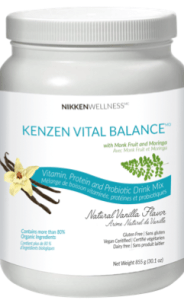 to help make it an exceptional nutritional supplement for Active Wellness.





 Dietary and nutritional supplements such as Kenzen Lactoferrin® 2.0, Kenzen® Cleanse & Detox and Kenzen Vital Balance® contain prebiotics and/or probiotics—they not only help
 This ensures that more of the natural, whole-food nutrients are present and correspond more closely to the requirements of the human body than conventional vitamins. For overall health and to help maintain clear vision, Mega Daily 4® is a force to be reckoned with!

 Cardiac diet guidelines also include regularly consuming portions of peas, beans, lentils and chickpeas. One study involving over 9,000 men and women found that increased consumption of legumes can help protect the health of your heart. Researchers tracked people over a 19-year period and found that eating plenty of legumes in the diet helped to lower the risk of coronary heart disease.3
 Active Wellness Blog