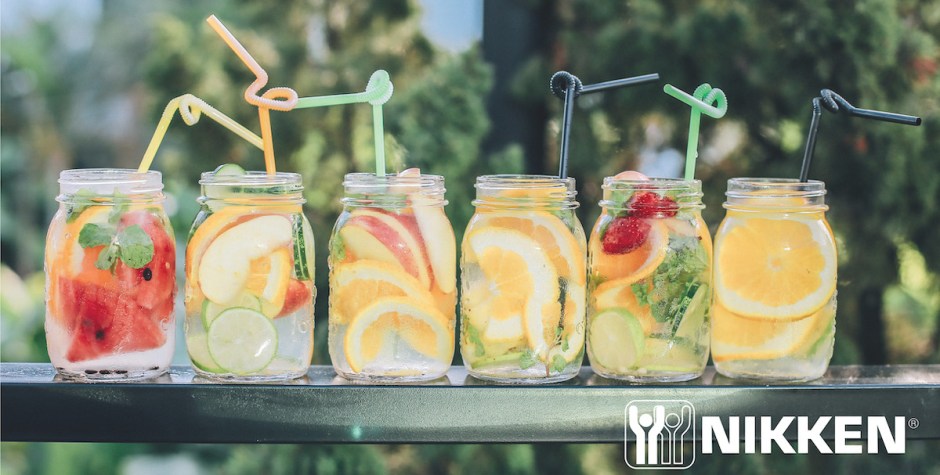
Flavored Water May Help You Drink More but Be Aware What’s In It

Considering your own health goals and taste preferences can help guide you in making the water choice that works best for you. “Drinking more water, regardless of type, is crucial in improving energy levels, reducing the risk of constipation and bloat, and even improving the look and feel of your skin,” says Erin Palinski-Wade, RD, CDCES.1

The consensus of health practitioners is that it’s far better to drink flavored water than to not hydrate enough due to a dislike of plain water. Hydration experts caution people to stay away from sugary or artificially sweetened beverages. Sugary beverages can add unwanted calories while the multiple negative effects of many artificial sweeteners is the subject of ongoing research.

Flavored water is simply plain potable water with added ingredients to enhance taste. As people globally become more educated and knowledgeable about the harmful effects of dehydration, the market for flavored waters has exploded. From carbonated waters with artificial flavorings to filtered water with natural fruit extracts, there are flavors to fit every palate.

Erin Palinski-Wade says that “while the amount of flavoring added to water is typically too small to provide significant nutritional value, flavored water can be a benefit in situations where people will consume more water because they prefer the taste with the flavoring added.”2

The ingredients that are added to plain water are what make the difference between a healthy drink versus a less optimal choice. Taste enhancers can be natural or synthetic. “Natural” usually means the ingredient listed is sourced from nature, whereas “synthetic” tends to mean something is made in a lab. Typically, “lab-made” is negatively associated with processed foods and artificial flavorings. Naturally flavored waters will contain ingredients like fruit extract while synthetically flavored waters may contain a human-made ingredient that tastes similar to a fruit.

Flavored water encompasses a wide range of products, including sparkling water, zero- or low-calorie waters, and fortified beverages. Some products contain natural or artificial flavorings, sugar or artificial sweeteners, and added nutrients such as vitamins or caffeine. The science covering the current body of research raises questions as to the long-term effects that consuming non-nutritive sweeteners will have on metabolism and the microbiome of individuals. For instance, researchers are still evaluating the role artificial sweetener consumption has on the development of type 2 diabetes, obesity and cardiovascular disease.3

Many people who do not enjoy plain water develop a taste for alkaline PiMag® water. No flavor enhancers are added, but the multiple filtration process removes bacteria, chlorine, contaminants and other particles that can cause tap water to taste less than desirable. Kenzen® Super Ciaga™ powder and Kenzen Jade GreenZymes® can easily be added to PiMag® water for delicious and beneficial hydration throughout the day. Not designed as flavor enhancers, these two nutritional supplements actually boost Active Wellness and overall health. Made with organic ingredients, Kenzen Super Ciaga powder and Kenzen Jade GreenZymes not only may help you drink more water but also enrich your diets. Made with superfruits such as blueberries, elderberries and acai berries, Super Ciaga Powder is a convenient way to drink high ORAC antioxidants when mixed with PiMag® water. Jade GreenZymes mixed with PiMag water gives you all the goodness of organic barley grass and our proprietary formula—chockful of vitamins, minerals, chlorophyll and electrolytes. No wonder it’s known as “nature’s perfect food.”

Water is life and PiMag water makes life more refreshing. Now until the end of April, take advantage of our special PiMag® Water Packs and get two items, one at the regular price and one at 50% off. Add Kenzen Super Ciaga and Kenzen Jade GreenZymes to your Wellness Subscription order and take your Active Wellness to a higher level!

1, 2, 3 https://www.verywellfit.com/is-flavored-water-good-for-you-5188087

Invest in Our Planet: Earth Day 2022

In September 1969, United States Senator Gaylord Nelson from Wisconsin worked to bring national awareness of environmental issues. He called for Americans to come together the following spring for a day dedicated to environmental education. His idea was met with great enthusiasm. It has been speculated that spring was chosen for the event to coincide with spring break in schools and universities so that students could participate fully.1

On April 22, 1970, Americans marched and demonstrated in the streets for a healthy, sustainable environment in massive rallies across the US. It was estimated 20 million people, from 10,000 elementary and high schools, 2,000 colleges, and over 1,000 communities participated that day.2 Earth Day was born and has taken place every year since.

By 1990, Earth Day was an event celebrated by more than 140 countries around the globe, mobilizing more than 200 million people. This paved the way for the 1992 United Nations Earth Summit in Rio de Janeiro. After 10 years, Earth Day 2000 focused on climate change and clean energy. Approximately 5,000 environmental groups and 184 countries participated, reaching hundreds of millions of people.3

The theme of Earth Day 2022 is “Invest in Our Planet.” The goal is to “redirect attention to create a 21st century economy that brings back the healing and health of our planet, to protect all of our species, including our own and to provide opportunities for everyone on the planet.” 4

The goal is also “to engage one billion people, including governments, institutions and people, to act individually and together.”5

Devoted to the planning, organizing and coordinating of events annually, earthday.org’s mission is to diversify, educate and activate the environmental movement worldwide. For Earth Day 2022, they state, “We need to act (boldly), innovate (broadly), and implement (equitably). It’s going to take all of us. All in. Businesses, governments, and citizens — everyone accounted for, and everyone accountable. A partnership for the planet. Everyone fears change but now is the time for the unstoppable courage to preserve and protect our health, our families, our livelihoods—together, we must Invest in Our Planet.”6

We can all invest in our planet by adjusting our lifestyles. Check earthday.org for ways to participate—you can join local cleanup crews that are part of The Great Global Cleanup®, a worldwide campaign to remove billions of pieces of trash from neighborhoods, beaches, rivers, lakes, trails, and parks—or plant a tree through the Canopy Project. Every little bit counts. It can be as simple as brushing your teeth without keeping the faucet running, taking shorter showers, eating less meat, taking up plogging or shopping with reusable bags. In its lifetime, one reusable bag can prevent the use of 600 plastic bags.7

Remember to take advantage of our special PiMag® Water Packs through April 30, 2022. PiMag® products not only help filter out bacteria and alkalize water but also help eliminate the use of plastic water bottles, which produce tons of trash to pollute both land and ocean. The special PiMag® Water Packs give you two items with one at the regular price and the second at 50% off. You will benefit personally as well as be part of the environmental solution that planet Earth needs.

1, 2, 3 https://www.adirondackcouncil.org/page/the-history-of-earth-day-256.html?gclid=CjwKCAjwrqqSBhBbEiwAlQeqGmpoEDcyzFQZjf1y9UZDXg1LIKcrW2Ew0qdEoIJyi4g9hGy1M0oi-BoCMIUQAvD_BwE

4, 5, 6 https://www.earthday.org/earth-day-2022/

7 https://kids.nationalgeographic.com/celebrations/article/earth-day_Day

Water is the Best Drink for Children

Water is life, and all plants and animals require water to live. As part of the animal kingdom, humans are the only ones who do not drink water and mother’s milk exclusively for survival. This complicates human survival, because along with milk, plain water is the best choice for children; yet contemporary lifestyles commonly allow for juices, sugary sodas and artificially flavored beverages.

Water has zero calories, keeps joints, bones and teeth healthy, helps the blood circulate and can help children maintain a healthy weight into adulthood. A well hydrated child tends to have better mood, memory and attention span as well as concentration and focus.1

Just as water is best, here are some other guidelines for children:

• No sugar-sweetened beverages for children younger than two years of age. Limit them for older children as much as possible. This includes sports and energy drinks, juice cocktails, sodas, lemonade, and sweetened water. These drinks add “empty calories” to the diet, can be filling and leave kids less hungry for the nutritious foods they really need. Sometimes sodas and energy drinks contain caffeine, which may overstimulate many children.

• Even 100% juice should be strictly limited. While juice may contain some vitamins, these drinks are high in sugar and calories and low in the healthy fiber found in whole fruit. Because of its sweet taste, once children are offered juice, it can be difficult to get them to drink plain water. Keep these amounts in mind:2

•Children less than a year should not drink any juice at all.

            •Children one to three years of age should have no more than four oz per day.

            •For older children, juice is only recommended if whole fruits are not available. Children ages four to six years: no more than four to six oz per day, and for children ages seven to 18, no more than eight oz per day.

Avoid artificially-sweetened drinks. Health risks for children from artificial sweeteners are not well understood, so it is safest to avoid these drinks. Instead, make water readily available to encourage healthy drinking and establish Active Wellness habits.

• Milk may be beneficial, whether animal-sourced or plant-sourced. However, flavored milk can be much higher in sugars. Even though children still get the benefits of the calcium and vitamins found in flavored milk, the added sugars may create a preference for sweet flavors, which can make it difficult to have success when offering regular milk.

Children are at a greater risk of dehydration than adults because in relation to their size, they have a larger proportion of skin that is exposed to heat.3  Also, children don’t always recognize when they’re thirsty, and if they’re not encouraged and reminded with water, may forget to drink and rehydrate.

We can help children create healthy habits by being good role models and drinking plenty of filtered water. We also can teach them respect for the environment and to carry a re-usable water bottle to avoid single-use plastics. Children are like sponges and learn quickly, so we can start them off right with clean, alkalizing PiMag® water.

Tap into the power of hydration with our four Water Packs, available through the end of April! Each pack has two state-of-the-art PiMag® products. You get one at the regular price and the second at 50% off! You have your choice of two PiMag MicroJet® Wall Mount Shower Systems or two PiMag MicroJet® Handheld Shower Systems, both of which help neutralize chemicals, two PiMag® Sport Bottles of 100% recyclable biogreen materials, or two PiMag Waterfalls® that can help reduce bacteria by 99.99%.

1, 2 https://www.healthychildren.org/English/healthy-living/nutrition/Pages/Choose-Water-for-Healthy-Hydration.aspx#:~:text=It%20good%20for%20the%20body,sports%20drinks%2C%20sodas%20and%20juice.

3 https://healthy-kids.com.au/parents/children-hydration/

Stay Fluid to Prevent Dehydration

Dehydration occurs when the body loses more water than is taken in. It is often accompanied by disturbances in the body’s mineral salt or electrolyte balance – especially in the concentrations of sodium and potassium.1

The body typically loses about two to three liters (68 to 101 fluid ounces) of water daily through breathing, perspiring and the dual processes of eliminating liquid and solid waste. This water loss needs to be replaced on a daily basis. If water is lost from the bloodstream, the body can compensate somewhat by shifting water from cells into the blood vessels, but this is a short-term solution.

As the body loses water, it’s also losing minerals, especially sodium and potassium. This may lead to dehydration. Depending on the ratio of water to electrolyte loss, dehydration can be classified as isotonic, hypertonic or hypotonic. Isotonic dehydration takes place when both water and sodium (salt) are lost in equal amounts. Hypertonic dehydration occurs when more water is lost than sodium, and hypotonic dehydration is the opposite with more sodium lost than water.

According to the European Hydration Institute, about 20-30% of our fluid intake comes from food with 70-80% from beverages of all types, not just plain water.2 Having a variety of beverages actually helps people drink up to 50% more liquids than if only water was available.3 The International Life Sciences Institute recognizes the importance of variety in maintaining hydration, especially for children and the elderly, two groups most vulnerable to dehydration.

Recovering from dehydration can be done at home as long as it’s not severe. A loss of 1% of body weight can generally be replaced within 24 hours. Mild dehydration is characterized by thirst, headache, dizziness and/or fatigue. Loss of 4% of body weight may result in lack of concentration, irritability, sleepiness and increases in body temperature and in respiratory rates. Loss of 10% of body weight can be fatal as it affects cardiovascular function.4

We can be mildly or moderately dehydrated without knowing it. According to medical doctors, 75% of Americans are chronically dehydrated.5 This may be due to drinking beverages that are diuretic rather than hydrating. Alcohol and coffee are examples of beverages that cause the body to flush out water.

No matter the cause, there are ways to prevent dehydration or recover from mild cases in the comfort of our own homes. Here are some home remedies with high water content and nutritive values:6

Bananas contain 70-79% water and are high in water and potassium content. They can help to replenish potassium levels in the body as well as help prevent dehydration.

• Barley Water is. a popular beverage in hot climates not only because it helps to fight heat stroke and in maintaining the fluid and electrolyte balance in the body. Barley grains contain antioxidants, vitamins, and minerals such as potassium, magnesium, and phosphorus, which helps to restore minerals and water that are lost when dehydrated.

• Buttermilk is one of the widely used home remedies for dehydration, since it is high in water content and packed with nutrients like magnesium. It acts as a natural probiotic which aids in dealing with diarrhea and indigestion, which could be the reason for dehydration.

• Lemon water acts as one of the best home remedies for dehydration as it not only ups your water intake and helps you to stay hydrated but also prevents dehydration. When you add a bit of salt and sugar to lemon water, it helps replenish the lost salts in the body as well as to increase vitamin and mineral levels to restore your fluid and electrolyte balance.

• Orange juice contains Vitamin C, which flushes the toxins from the body. High in water content, it also contains electrolytes such as sodium and potassium to help replenish the nutrient levels in the body. The natural sugar in orange juice provides an instant energy boost to help deal with dehydration.

• Rice water is one of the conventional health drinks used popularly throughout Asia to fight summer heat, heat stroke, diarrhea, and dehydration. Rice is loaded with B-complex vitamins which can help deal with nutrient loss. As rice water contains salt, it also provides minerals such as chloride and sodium, helping to restore the lost nutrients in the body.

• Coconut water is loaded with potassium, calcium, and amino acids. It is naturally rich in electrolytes, which helps ward off fatigue and raises energy levels. It’s a healthy alternative to sports drinks that are high in added sugars. Many athletes consume this beverage before and after training. Sipping organic coconut water throughout the day is a pleasant way to remain hydrated or to recover from dehydration.

Tap into the Power of Hydration with Nikken the entire month of March! We are offering four Water Packs, each with two state-of-the-art PiMag® products. You get one at the regular price and the second at 50% off! You have your choice of two PiMag MicroJet® Wall Mount Shower Systems or two PiMag MicroJet® Handheld Shower Systems, both of which help neutralize chemicals, two PiMag® Sport Bottles of 100% recyclable biogreen materials, or two PiMag® Waterfalls that can help reduce bacteria by 99.99%.

1, 2, 3, 4  https://www.europeanhydrationinstitute.org/consequences_of_dehydration/

5 https://www.medicaldaily.com/75-americans-may-suffer-chronic-dehydration-according-doctors-247393

6 https://www.1mg.com/articles/top-7-home-remedies-for-dehydration

Drink More Water to Improve Health

How much water to drink for optimal well-being is an individual affair, depending on lifestyle, age, gender and overall state of health. The truth of the matter is that the majority of us can enhance our pursuit of Active Wellness by drinking more water. It is simple enough to do, but positive behaviors require intent, especially in our busy lives. Here are some tips for increasing your daily water intake:

•          Be in touch with how your body feels. Sometimes people become dehydrated because they do not recognize the sensation of thirst. If you are someone who rarely feels thirsty and therefore don’t drink water throughout the day, drink some water in hourly intervals even if you don’t feel thirsty. You will feel a difference with increased energy levels.

•          Set a goal of drinking more water. Write it down. The mere fact that you have a goal of drinking more water on a daily basis makes it more likely that you will succeed in creating a new positive behavior.

•          Keep a reusable water bottle with you. When you have a reusable water bottle, you can easily drink water in any setting, whether you’re running errands, traveling or at home, working or at school. Keeping a water bottle handy can also serve as a visual reminder to drink more water. Bonus: A reusable water bottle decreases reliance on single use plastic water bottles and supports the environment. The PiMag® Sport Bottle not only helps decrease our carbon footprint but also filters out contaminants from the tap water you fill it with!

•          Consciously replace other beverages with water. Energy drinks and other caffeinated drinks contain water but are less hydrating than plain water. You don’t need to replace every beverage you usually have with water, but even one or two a day can make a difference in overall well-being. For example, a single 8-ounce (240 ml) cup of soda can exceed the recommended daily limit for sugar.1

•          Have a glass of water before each meal. Creating this habit automatically ensures you have at least three glasses of water a day, if you eat three meals.

•          Drink filtered water instead of bottled water or tap water. Bottled water is known to be tap water put into single-use plastic bottles for convenience and profit. Filtering water removes contaminants and bacteria, which improves the taste of water. Better tasting water helps us drink more of it, even crave it. PiMag® water from a PiMag Waterfall® or PiMag® Sport Bottle not only tastes great but also is more alkaline and hydrating than unfiltered tap water. Bonus: PiMag® water helps us respect the environment by creating less plastic waste.

•          Incorporate foods that are high in water content into your daily regimen. Here are some foods with 90% or higher water content: lettuce (96%), celery (95%), zucchini (95%), cabbage (92%), watermelon (91%), cantaloupe and honeydew melon (90%). Bonus: These fruits and vegetables also contain vitamins, minerals and antioxidants.

•          Drink a glass of water when you awaken. It will help you wake up and become alert.

Even as we consciously drink more water to improve our health, being aware of how much water is used and wasted can help each of us contribute to the preservation of our global freshwater resources. In the U.S., each citizen uses about 3,000 liters /792.5 gallons a day, whereas in the U.K, that figure goes up to 3,400 litres /898 gallons!2 Water is a luxury in many countries, so as part of the Global Wellness Community, let’s strive together for awareness and conservation.

For the entire month of March, we are offering four Water Packs. Each pack has two state-of-the-art PiMag® products. You get one at the regular price and the second at 50% off! You have your choice of two PiMag MicroJet® Wall Mount Shower Systems or two PiMag MicroJet® Handheld Shower Systems, both of which help neutralize chemicals, two PiMag® Sport Bottles of 100% recyclable biogreen materials, or two PiMag® Waterfalls that can help reduce bacteria by 99.99%.

1 https://www.healthline.com/nutrition/how-to-drink-more-water

2 https://medium.com/@aj_jones/the-worlds-freshwater-crisis-is-worse-than-ever-60bce56206a9

Plogging for Health and the Environment

The Swedes invented it and the rest of the world is catching on. The term “plogging” is coined from the English word “jogging” and “plocka upp,” a Swedish term that means “picking up.” Plogging is the Swedish fitness trend that combines jogging while picking up trash. Besides plogging, there are variations of activity derived from it, such as “taking a palk” (plogging walk) or a “pike” (plogging hike). No matter which activity you choose, the idea is that you do some kind of outdoor exercise while picking up litter or trash along the way.

According to the Swedish-based fitness app Lifesum, which makes it possible for users to track plogging activity, a half-hour of jogging plus picking up trash will burn 288 calories for the average person, compared with 235 burned by jogging alone. A brisk walk will expend about 120 calories.1

It’s taken a few years to catch on outside of Sweden, but plogging is making waves in the fitness world right now. As more people become aware of the need to contribute personally to the well-being of the environment, plogging is taking off because it combines attention to fitness with supporting a great cause.

As Mike Rosen, spokesman for Keep America Beautiful, explains, “I don’t think plogging replaces jogging as a daily activity. If you turn your jog into a plog once a week or once a month, or turn your walk into a palk or your hike into pike, you’ll get personal satisfaction. You’ll have an endorphin high from running, and you’ll know you’re helping your community.”2

Swedish native Erik Ahlström, who created the website http://www.plogga.se,3 says that all you need for plogging is a pair of gloves and a recyclable bag. He summarizes the benefits of plogging in four major areas:

  1. Health and exercise: According to the Karolinska Institutet, the risk of depression, obesity, and cancer among people who are seated a lot and are physically inactive doubles for both adults and children. Plogging helps to get the body moving while adding some extra moves like squatting or bending when picking up trash.
  2. Combat Plastic Pollution: The litter that nobody bothers to pick up will eventually end up in rivers and oceans. Plogging helps decrease the litter from ending up in waterways and killing our marine life.
  3. Save Wildlife: When we litter, wildlife suffers. For example, turtles and other marine mammals get entangled in plastic bags or plastic cutlery. Seabirds also get trapped by our plastic waste.
  4. Reduced Social Costs: In 2015, the costs of cleaning public spaces from litter decreased by SEK 2 billion in Sweden. Collective efforts like plogging that help keep public spaces clean indirectly save the city’s cost.

Approximately 2,000,000 people are plogging each and every day worldwide.4 Jogging while picking up litter has become a multitasking phenomenon that will work out the entire body while edifying the community. It’s an ingenious way to boost not only our cardiovascular health but also the health of our planet.

You still have a few days to purchase the special “Heart of Nikken” packs available through February 28. To promote cardiovascular health, each pack contains Kenzen® Bergisterol®, Kenzen® Super Ciaga® powder and Kenzen® Omega Green + DHA — plus one piece of magnetic jewelry, exclusive to Nikken. You have your choice of the pack with a silver Kenko Perfect Link II necklace, a gold tone Kenko Perfect Link II necklace or a Kenko Heart Set.

1,2 https://www.washingtonpost.com/news/inspired-life/wp/2018/02/23/plogging-is-the-swedish-fitness-craze-for-people-who-want-to-save-the-planet-its-making-its-way-to-the-u-s/

3 https://waste4change.com/blog/plogging-the-new-swedish-trend-of-running-while-picking-up-trash/

4 https://apple.news/Av_sOMLGbRbC-Nu5h_7Q3Gg

New Research on Cholesterol and Heart-Health

Within our bodies millions of processes occur every day, such as turning the foods we eat into energy. These processes require oxygen. Byproducts of using oxygen are called oxidants, often referred to as “free radicals”. Free radicals can also be introduced to our bodies through external sources such as tobacco smoke, pollution, and exposure to the sun. In the same way that oxidation can cause rust on the surface of some objects, free radicals can cause damage to cell walls, cell structures and even the genetic material of a cell. If the genetic material of a cell is attacked, this can lead to changes in the body’s DNA “genetic blue print” and has been linked to a number of diseases, including cardiovascular disease.1

Antioxidants work to deactivate free radicals by binding to oxidants, which prevents the damage from occurring. Diets high in antioxidant-rich foods, that is, foods containing vitamin C, vitamin E, selenium and carotenoids, such as beta-carotene, lycopene, lutein, and zeaxanthin, have been linked to a reduced risk of developing heart disease. As a result, current national guidelines on the prevention of cardiovascular disease recommend choosing foods rich in antioxidants.2

Berries contain a variety of antioxidants, which help keep free radicals under control. Anthocyanins, ellagic acid and resveratrol are types of antioxidants found in an assortment of berries. One study showed that blueberries, blackberries and raspberries have the highest antioxidant activity of commonly consumed fruits, next to pomegranates.3

Studies suggest that the antioxidants in berries may help lower inflammation. Long-term inflammation arising from chronic stress, sedentary lifestyles and unhealthy food choices can lead to diabetes, heart disease and obesity,4 so berries are really a big deal in counteracting those negative effects! But that’s not all that berries can help do.

Test-tube and human studies suggest that berries may protect cells from high blood sugar levels, help increase insulin sensitivity, and reduce blood sugar and insulin response to high-carb meals. Importantly, these effects appear to occur in both healthy people and those with insulin resistance.5

In one study of healthy women, eating 5 ounces (150 grams) of puréed strawberries or mixed berries with bread led to a 24–26% reduction in insulin levels, compared to consuming the bread alone.6 Moreover, in a six-week study, obese people with insulin resistance who drank a blueberry smoothie twice per day experienced greater improvements in insulin sensitivity than those who consumed berry-free smoothies.7

Berries are also an excellent source of soluble fiber, which is known to be important for slowing down the movement of food through the digestive tract. This slower movement helps us feel full for a longer period of time. Ideally, this may help us eat less and make weight management easier. One study found that doubling fiber intake could help absorb up to 130 fewer calories per day.8

Unsurprisingly, berries are considered heart-healthy food that may help lower LDL levels and help protect the bad cholesterol from becoming oxidized, which may reduce the risk of heart disease. In a controlled study of obese people, those eating 1.5 ounces (50 grams) of freeze-dried blueberries for 8 weeks noticed a 28% reduction in their oxidized LDL levels.9

Berries are highly nutritious, may provide a variety of health benefits, and are easy to incorporate into an Active Wellness nutritional plan! Kenzen® Super Ciaga® powder makes it even simpler if you find it hard to access fresh berries. Simply combine it with PiMag® water or blend into smoothies for an energy and antioxidant boost!

To celebrate love, friendship and Valentine’s Day, Nikken has three “Heart of Nikken” packs available through February 28. Each pack contains three extraordinary heart-healthy nutritional supplements—Kenzen® Bergisterol®, Kenzen® Super Ciaga® and Kenzen® Omega Green + DHA — plus one piece of magnetic jewelry, exclusive to Nikken. You have your choice of the pack with a silver Kenko Perfect Link II necklace, a gold tone Kenko Perfect Link II necklace or a Kenko Heart Set.

1, 2 https://my.clevelandclinic.org/health/articles/16739-antioxidants–heart-health

3, 4, 5, 6, 7, 8, 9  https://www.healthline.com/nutrition/11-reasons-to-eat-berries#:~:text=Berries%20are%20some%20of%20the,cholesterol%2C%20while%20reducing%20oxidative%20stress

Getting Ready for Valentine’s Day

Valentine’s Day is not only a day to profess your love for a romantic partner, but it’s also a day to show your love or kindness toward friends, relatives, and even acquaintances. Young children make valentine cards for their family members and friends, and even for everyone in their classes. It’s a day to express inclusiveness and love to all.

Whether you’re showing your love and gratitude to parents or that special someone in your life, Valentine’s Day can be stressful. The day might be full of expectations for both givers and recipients, and the intent is for the gift or grand gesture to be perfect. Special celebrations at restaurants and other indoor venues may take on an element of risk during these exceptional times. According to data compiled by a social media platform called “We Heart It,” about 65% of people have said they feel stressed about Valentine’s Day.1

Focusing on what you can give rather than on what you might receive will naturally decrease stress levels.2 Nikken has the perfect gifts for the valentines in your life! There’s no better way to show your love and care than to give the gift of health! Designed specially to celebrate love and friendship, the three “Heart of Nikken” packs each contain three extraordinary heart-health nutritional supplements—Kenzen® Bergisterol®, Kenzen® Super Ciaga® and Kenzen® Omega Green + DHA — plus one piece of magnetic jewelry, exclusive to Nikken. You have your choice of the pack with a silver Kenko Perfect Link II necklace, a gold tone Kenko Perfect Link II necklace or a Kenko Heart Set.

These packs make great gifts for your loved ones, and that includes yourself! Available from January 24 through February 28, you can purchase multiples to give as future birthday, anniversary and graduation gifts! Spread kindness and the gift of Active Wellness all year round.

1 https://yourdost.com/blog/2017/02/what-to-do-about-valentines-day-stress.html?q=/blog/2017/02/what-to-do-about-valentines-day-stress.html&

2 https://www.yourlifeyourvoice.org/pages/tip-valentines-day-stress.asp

Resolve to Reuse, Reduce & Recyle to Restore our Oceans

As members of the Global Wellness Community, each of us is aware of plastic waste. Fortunately, we are capable of decreasing our personal plastic waste. If each one of us committed to less consumption of plastic packaging, imagine the cumulative outcome for the world! One of the simplest ways is to stop buying and drinking water sold in plastic bottles. Here’s why that is so important.

One component of ocean pollution that’s especially threatening to not only ocean life forms but human life, is micro-plastics. When plastic pollution enters the ocean, large pieces are broken down over time by exposure to sea elements and become tiny particles. These particles, the estimated size of a 5mm sesame seed, break loose from the large “garbage patch” and spread throughout the ocean.

Depending on its density, some sink, some float, and some just hover in the water column. Because the plastic resembles food, it is eaten by a huge range of animals throughout the food chain, including fish, birds, turtles, whales, and even microscopic plankton, eventually working their way up to humans.1

Micro-plastics are extremely difficult to clean out of the ocean, and since they are so tiny, they travel far and wide, basically making their way to every ocean in the world. This is why most ocean anti-pollution projects, such as The Ocean Cleanup, focus on removing larger pieces of trash, before they can degrade.2

Remarkably, in 2019 a then 18-year-old named Fionn Ferreira, invented an effective new method for removing micro-plastics from the oceans. Ferreira was kayaking along the coast in Ballydehob, his hometown in West Cork, Ireland, when he came upon a rock coated in oil. Ferreira noticed that small bits of plastic were sticking to the oil-coated-rock. “In chemistry, like attracts like,” Ferreira noted.  He decided to combine vegetable oil and magnetite powder to create a nontoxic ferrofluid, a “magnetic liquid,” or liquid that acts as a carrier for tiny magnetic particles—since ferrofluids and plastics attract when in the presence of water. Ferreira would add his ferrofluid to water samples full of micro-plastics, then remove the ferrofluid using a magnet, taking the micro-plastics with it. After hundreds of tests, Ferreira’s ferrofluid was able to successfully remove at least 87% of micro-plastics from the water samples.3

Since then, while pursuing a Chemistry degree at the University of Groningen in the Netherlands, Fionn has established a company focused on micro-plastic removal technology. Early tests on ferrofluids as a tool for cleaning up oil spills have been promising, but Ferreira believes that the only true way to solve the massive problem of ocean pollution is to change our consumption habits.3

Fionn is part of the new generation of scientists that has never known life without plastic pollution. He and other innovative young scientists, such as Miranda Wang and Jeanny Yao who developed bacterium to transform plastic into carbon dioxide and water, are committed to restoring our oceans.

The KenkoAir Purifier®, PiMag Waterfall® and PiMag® Sport Bottle are durable filtration systems that can help us reuse, reduce and recycle. The filters are recyclable and help decrease our carbon footprint. For the remainder of January, you can take advantage of four special filter packs that give you a bonus item when you purchase a PiMag Waterfall® filter cartridge and a KenkoAir Purifier® HEPA filter in the same order.

1 https://www.good.is/articles/end-plastic-pollution-pick-it-up-bin-it-take-three-for-the-sea

2, 3 https://www.good.is/microplastics-magnet-removal

Making Health Resolutions

Making health resolutions is an annual event for many of us. For example, I resolved to lose 10 pounds for at least a dozen years. I eventually reframed that specific resolution, and it’s led to achieving and maintaining my annual resolution, which is to keep my numbers, not just my weight, at acceptable levels. That means numbers related to cholesterol, blood pressure, triglycerides, blood sugar and body-mass index—and if the weight decreases, so much the better.

We can practice Active Wellness as a Global Wellness Community and individually, every day. We can commit to keeping joints mobile, maintaining muscle flexibility and exercising mental agility. Staying hydrated, eating healthy food, drinking alcohol conservatively, exercising consistently and getting restful sleep are all necessary to keep the numbers in check. Health resolutions challenge us to stick to them. Here are five tips to help achieve health resolutions:

1.         Listen to your body. Dr. Nikole Benders-Hadi says, “By consciously listening to your body you are better able to discover what your body actually wants and what makes you feel healthier. You may be surprised to learn you need more sleep or need to drink more water or eat healthier.”1

2.         Find an exercise you really like. Dr. Elizabeth Lombardo says, “Every New Year, people spend a lot of money on gym memberships, workout studio memberships, and online fitness programs. Even though most people start strong, most of them fail to turn their new routine into a long-term habit. Even so, there are ways to improve your odds of sticking to your exercise goals. To begin, pick an activity that you will enjoy and that fits into your schedule.”2

3.         Take time for self-care. Putting ourselves higher up on our priority lists can have a beneficial impact on our well-being. We can really help others better when we are in good shape ourselves. Dr. Candice Seti says, “Self-care can be about scheduling time for yourself, planning fun or relaxing activities, or focusing on healthy behaviors. For example, “I am going to eat four whole-foods based meals a week. Or, “I’m going to take 10,000 steps for five of the next seven days.”3

4.Just cut down on the “bad’ and up the “good” a little bit at a time. Don’t withhold. Some people are able to give up sugar completely or walk three miles a day every day. Know yourself and set your goals accordingly. Aim to keep the scoreboard of healthy behaviors on the plus side and commit to doing better a little bit every day.

5.         Check out PiMag® products for hydration, True Elements® Marine Organic skin care for state-of-the-art COSMOS certified formulas, KenkoAir Purifier® for filtered indoor air, and Kenzen® organic nutrition for smart supplementation. Nikken can help you stick to your health resolutions!

Remember to change your water and air filters to keep your units functioning optimally and take advantage of our four special January packs that each contain a bonus item when you purchase a PiMag® Waterfall filter cartridge and a KenkoAir Purifer® HEPA filter in the same order.

1, 2, 3 https://www.choosingtherapy.com/new-years-resolutions/