Junk Food Alternatives

Humans have had a long and beneficial relationship with salt, sugar, and fat that dates back to the origin of the species. Salt is essential for fluid balance, sugar provides the energy for physical and mental activity while fats of various types make up most of the mass of the brain.1 Salt, sugar and fat were necessities to stave off hunger and starvation.

Fast forward to contemporary times and those same magical ingredients are added into fast foods as well as packaged ready-to-eat foods that are convenient and often times, addictive. The packaged food industry spends loads of money to research the “bliss point” for general consumption, and that is how much sugar, fat and salt is added, so that we develop a habit and cravings! Scientists have a relatively new name for such cravings: hedonic hunger, a powerful desire for food in the absence of any need for it; the yearning we experience when our stomach is full but our brain is still ravenous. And a growing number of experts now argue that hedonic hunger is one of the primary contributors to surging obesity rates in developed countries worldwide, particularly in the U.S., where scrumptious desserts and mouthwatering junk foods are cheap and plentiful.2

Research has shown that the brain begins responding to fatty and sugary foods even before they enter our mouth. Merely seeing a desirable item excites the reward circuit. As soon as such a dish touches the tongue, taste buds send signals to various regions of the brain, which in turn responds by spewing the neurochemical dopamine. The result is an intense feeling of pleasure.3 That is why it is so hard to break the junk food habit.

Fortunately, there are some simple ways to replace junk food with healthier alternatives!

•          Replace milk chocolate with dark chocolate, which contains antioxidants as well as magnesium, iron, copper, potassium, phosphorus, zinc and selenium.4 Don’t go overboard because it’s still high in calories.

•          Replace ice cream with frozen yogurt, which is lower in both fat and sugar and contains probiotics to help gut health. Again, eat in moderation to avoid too many calories.

•          Another replacement for ice cream is sorbet. It’s easy to make and you get all the nutrients from the fruit of your choice.

•          Have dried fruit for dessert or snacks. Dried fruit is actually very sweet and can take away sugar cravings.

•          Potato chips can be replaced with kale chips, any other vegetable chip, sweet potato chips and even baked potato chips. Popcorn is also a healthier alternative when you make it with less salt and butter.

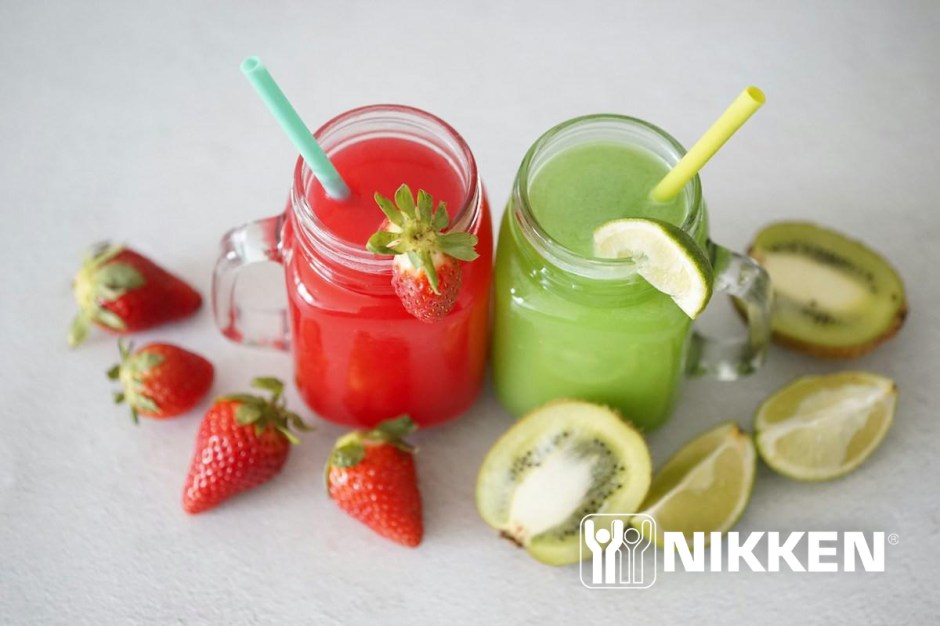
•          Replace sugary sodas with sparkling water and fruit slices, or use half carbonated water and half fresh juice. Don’t drink those so-called sugar-free sodas either—they may have zero calories, but artificial sweeteners are simply bad for you.

•          Have nuts on hand for healthy snacking. Nuts have that crunch that is so satisfying, and when you choose unsalted ones, you’re getting the healthy fats without the salt. Even when salted, the high fiber and vegan protein you’re getting more than make up for the salt.

To win the battle against junk food, we have to “reengineer the food environment.” This means removing junk food from wherever we live, which in practical terms means not buying it to begin with. This also means not going to fast food outlets, because once there, the temptation may prove overwhelming. And remember, Kenzen® nutritional and dietary supplements may help you fill in the gaps in your daily regimen!

1 https://www.nature.com/articles/s41538-018-0020-x

2, 3 https://www.scientificamerican.com/article/how-sugar-and-fat-trick-the-brain-into-wanting-more-food/#:~:text=Research%20has%20shown%20that%20the,a%20sense%20of%20well%2Dbeing.

4 https://onlinedoctor.lloydspharmacy.com/uk/lifestyle-advice/10-healthy-alternatives-to-unhealthy-food

What You Eat Affects How Well You Work

Just about everything we eat is converted by our bodies into glucose, which provides the energy our brains need to stay alert. When we’re running low on glucose, we have a tough time staying focused and our attention drifts. This explains why it’s hard to concentrate on an empty stomach.1

Our bodies react to different types of foods in different ways. In other words, not all food is processed at the same rate. High-carb foods such as pasta, bread and sugary cereals, release glucose quickly. This results in a quick burst of energy, but then there is a slump. Even worse are desserts with loads of sugar—the sugar high and ensuing crash that mothers fear from their children often come after ingesting birthday cake!

High-fat meals provide more sustained energy, but require the digestive system to work harder, in effect, reducing oxygen levels in the brain and resulting in grogginess and lethargy. There’s a reason the big steak meal with all the fixings or that double cheeseburger and fries puts us into a food coma. Movement helps digestion; that’s why taking a brisk walk after a big meal can help to keep that heavy feeling at bay.

Research indicates that eating fruits and vegetables throughout the day isn’t simply good for the body—it’s also beneficial for the mind. A recent paper in British Journal of Health Psychology examined the way people’s food choices influenced their daily experiences. After 13 days of observation, the participants who consumed more fruits and vegetables (up to 7 portions daily) were visibly happier, more engaged and more creative than usual.Researchers concluded that because fruits and vegetables contain nutrients that support dopamine production, they support the experience of curiosity, motivation and engagement. Fruits and veggies are also high in antioxidants, which help to improve memory, enhance mood and support the immune system. 2

Ray Merrill, an editorial board member of the International Journal of Environmental Research and Public Health, found that those who opt for predominantly unhealthy food choices are 66% more likely to be less productive than those who actively make healthy choices.Professor Merrill contends that proper nutrition promotes increased cognitive function, better concentration, more energy and motivation and decreased depression and anxiety.3

Making consistently good food choices that help us perform at our highest levels requires discipline but can be made easier with a strategy. Here are a few tips on planning:

•          Make food choices early. Don’t wait until you are starving, which is when the worst food decisions are made. Plan when you are going to have your meals and decide in advance what you’ll be having.

•          The more you cook or assemble meals at home, the more control you have. So many people work remotely from their homes now that you actually have better odds of eating healthier and resorting to fast food restaurants less often.

•          Have healthy snacks at hand. A handful of nuts with a piece of fruit in between meals can be your best friend and ward off drops in blood sugar. The more active you are, the more important it is to supplement your main meals with snacks.

•          Be aware of foods that are high in fat, salt and sugar, and keep them to a minimum. Rule of thumb: stay with fresh produce, lean or vegetable-based proteins and whole grains.

The more we choose to eat healthy foods—the better we’ll do in school, at work and in life. And at Nikken, we have Kenzen® Nutrition to support us every step of the way.

1, 2 https://hbr.org/2014/10/what-you-eat-affects-your-productivity#:~:text=Why?,decisions%20about%20food%20is%20essential.

3 https://www.wellright.com/resources/blog/exploring-the-link-between-productivity-and-food-in-the-workplace

Smart Nutrition the Kenzen® Way

September at Nikken is about smart nutrition: eating healthy food, choosing nutrient-dense ingredients in cooking, committing to whole foods rather than processed ones and avoiding refined pre-packaged items that contain added sugar and salt. With our hectic multi-generational family lifestyles, dietary or nutritional supplementation can make a big difference.

Here’s a summary of what Kenzen® Nutrition is designed to do:

•          Kenzen® Calcium Complex and Kenzen BDZ® work synergistically to support bone health.* Added minerals in the Calcium Complex enhance absorption, while BDZ acts as the perfect complement with patented vitamin K and its unique marine plant complex to support bone structure and strength.*

•          Kenzen® Joint is formulated with high potency cetyl myristoleate, combined with gluosamine, methylsulfonylmethane and boswelia plant compounds—to support joint movement and connective tissue repair.* A topical version is CM Complex Cream that contains the same naturally lubricating properties.

•          Pink Collagen Complex stands out with its naturally pink color and exceptional formulation. Blood peach, rose apple and beet root combine their rosy tint with antioxidant powers and pleasant flavor, so there’s no fishy taste to the powerful type 1 collagen derived from marine peptides.

•          Kenzen® Omega Green + DHA contains heart-healthy omegas 3, 6, and 9 in one formula! The vegan formula is plant-sourced from cranberry seed oil, flax seed oil and red algae. Supporting digestive, hormonal and nerve health, it also benefits eyes and the brain.* It’s a formula chockful of omega fatty acids that even vegans can enjoy!

•          Kenzen Bergisterol® aims to support cardiovascular health and immune response.* Made with an exclusive strain of the bergamot fruit, it is rich in polyphenols and bioflavonoids.

•          Kenzen Super Ciaga® powder is a delicious way to support heart health, cellular functions and the immune system for overall well-being and natural energy levels.* It’s formulated with highly concentrated superfruits, such as maqui berry, elderberry, blackberry, raspberry and blueberry.

•          Kenzen® Immunity was providing immune support long before mushrooms became a trending topic.* Made with 14 different mushrooms, it is a standout in the market where supplements only contain single species or just a few.

•          Kenzen® Digestion 4-20 contains 20 different enzymes within the 4 categories of macronutrients: fats, proteins, carbs and fiber. This formula helps the digestive process by optimizing absorption of nutrients, allowing the body to convert fuel into energy.*

•          Kenzen® Cleanse & Detox supports the liver, which provides more than 500 functions!* This formula helps rid the body of toxins and other wastes, utilizing natural ingredients, such as organic chicory root, milk thistle and turmeric.

•          Kenzen Lactoferrin® 2.0 supports gut health while binding and transporting iron, so the body can absorb it.* The formula has antioxidant and anti-inflammatory properties for overall health*.

•          Kenzen Jade Greenzymes® and Jade Greenzymes® Citrus are known as “nature’s perfect food.” That’s because organic barley grass has the full balance of enzymes needed to support healthy bones and tissue, skin elasticity and help maintain natural pH levels.*

•          Kenzen® Clarity supports cognitive function* with a fermented blend of ingredients. The formula is based on the gut-brain connection—fermentation helps absorption and digestibility of nutrients such as organic ashwagandha and organic bacopa leaf, supporting better memory, focus and concentration.*

•          Kenzen® Mega Daily 4 (in two formulas, one specifically for women and one for men) is a formulation of organic vegetables that provide the known types of water-soluble and fat-soluble antioxidants plus nutrients that support celluar function.*It offers gender-specific support for whole body renewal.*

•          Coming in October, new Kenzen Vital Balance® Meal Replacement Mix contains 30% of the recommended daily allowance for protein in vegan form. MCTs support the brain while vitamins and minerals come from natural sources, making them more bioavailable. Prebiotics and probiotics promote effective digestion and absorption.*

Try smart nutrition the Kenzen® way for overall health and well-being—easy, effective and extraordinary.

*These statements have not been evaluated by the Food and Drug Administration. This product is not intended to diagnose, treat, cure or prevent any disease.

Women’s Equality Then & Now

In 1971, the Joint Resolution of Congress designated August 26 of each year as Women’s Equality Day in the United States. August 26 is the anniversary date of the certification of the Nineteenth Amendment to the U.S. Constitution, which granted women the right to vote in 1920. The campaign for woman suffrage was long and hard—Black and women of other minorities still were not allowed to vote until much farther into the 20th century, due to discriminatory state voting laws. 

Now Women’s Equality Day is recognized as a day of national celebration. It commemorates the women’s suffrage movement and the work to secure and expand equal rights today. Women who are citizens of the U.S. vote in every state, regardless of cultural and religious groups they belong to.

Equality is not just about the right to vote. Currently, many organizations continue to fight for equality. There is still wage disparity. It is the most crucial inequality in the workplace and applies to virtually every industry. Even women athletes win smaller prizes for competing in the same sports as men.

The inequality in pay leads to another inequity: The Gender Equity Policy Institute has found that women, particularly women of color and single mothers, are more likely to spend more than a third of their income on housing. This is more than what economists and financial advisors consider reasonable to make other ends meet.1 Because women are more burdened by housing, they are more exposed to homelessness.

Gender-based violence continues to be prevalent. Worldwide, 35 percent of women have experienced physical and/or sexual violence from a partner or non-partner.2 Gender-based violence also occurs during war and in political situations.

There is still an education gap. In many countries, women are not allowed to pursue advanced education or even limited education. This is changing and in North America, there are even some large cities where more women are obtaining advanced education than men.

There is a general lack of access to affordable and adequate healthcare for all, but especially for women and those is underserved communities. Before 1993, women were rarely included in clinical trials, so even now, the medical field is not clear on how well many drugs and devices work on women due to gender bias. Women therefore experience adverse reactions to medications at twice the rate of men.3

Women have come a long way in obtaining equality but still have a long way to go. The Global Wellness Community is inclusive and welcomes one and all. Let’s spread the word and help sisterhood around the world.

1 https://www.latimes.com/california/newsletter/2022-08-19/california-politics-housing-crisis-womens-issue-ca-politics

2 https://www.codehergirls.org/post/women-are-still-fighting-for-these-basic-rights-in-2021

3 https://www.aamc.org/news/why-we-know-so-little-about-women-s-health

On the Dogged Path to Success

International Dog Day is August 26, and this is the perfect time to consider why most of us love dogs and what we can learn from them! Whether you’re an entrepreneur, homemaker, perennial student or budding philanthropist, you can become the best version of yourself by emulating your canine friend!

Dogs live in the present. They may recall the past but they focus on what is right here, right now. This way of life allows you to wholeheartedly devote energy to the activities at hand. When you live in the present, you are not blaming yourself or others for mistakes made in the past and fearing for what may come in the future. Instead, you are fully participating and making things happen, now.

Dogs thrive on routine. Eat, walk, sleep. Eat, play, sleep. In human terms, stick to a schedule. This requires discipline but it keeps you on task, whether you’re managing a household or building a business. There will always be needed breaks to the routine/schedule, but then a dog’s natural instinct is to return to the routine. At work, maintain a solid but flexible schedule and stay with it consistently.

Dogs are pack animals. In the wild, each member of the pack stays watchful and knows its  role. There may be competition but the alpha lays down the ground rules and usually has proven to be the most capable to lead. An alpha dog is brave and strategic and will do everything to take care of the pack. When parenting unruly teenagers or managing a sluggish sales team, be an alpha dog: be fair, supportive and clear with your directions—always lead by example and take of your family/organization.

Dogs are honest. What you see is really what you get. There is no pretense or facade. In human terms, honesty means being true to yourself and being authentic. Bosses who are transparent and honest inevitably create the most productive and loyal teams. Parents who don’t hide the truth from their kids create future adults who become their friends.

Dogs are curious. All that sniffing and digging is going to help them figure out what’s up! An important part of a dog walk is the smelling. It’s a sensory delight that elevates a dog’s mood. Have you noticed how children are so curious because there are so many things that are new to them? Grownups who keep this curiosity and are open to possibilities seem to become innovators, so don’t be a “know-it-all,” be a lifelong student who is willing to learn.

Nikken is celebrating 35 years in North America this October 18 and 19 in beautiful Long Beach, California. If you’re curious and want to experience what total health and wellness is about the Nikken way, early bird tickets are available through the end of August via our online shopping cart. Or, contact your local Nikken distributor.

Aging Well vs. Anti-Aging

“Aging well” and “anti-aging” are different approaches to aging. Aging well focuses on the positive aspects of aging, such as a healthy diet and a fulfilling social life. Anti-aging focuses on preventative measures to slow down the appearance of aging, which also may involve a healthy diet and fulfilling social life but relies predominantly on external care and less on internal care.

The two perspectives on aging often depend on cultural biases. In many Asian countries such as Japan and China, age and signs of agingrepresent knowledge, wisdom, and respect. On the other hand, in some Western cultures, beauty is intertwined with youth—a factor that contributes to ageism. A report by the World Health organization (WHO) shows prejudice towards older people hinders the process of accepting old age.1

Skin care, personal care and other beauty products have been marketed over the years as ways to cover up the signs of aging. In fact, natural aspects of aging including wrinkles, less elastic skin, discoloration marks and so forth have been called “signs of premature aging.” The question is, when is aging considered “premature” vs. time-appropriate?

British scientist and researcher Aubrey de Grey, who studies aging from a biological standpoint, coined the terms “pro-aging” and “well-aging.” He is the author of The Mitochondrial Free Radical Theory of Aging as well as Ending Aging, showcasing his embrace of aging as natural and positive.

Aging well calls for skin care, personal care and beauty products to serve as tools that celebrate each stage of life rather than attempting to disguise aging.2 Aging gracefully means different things to different people. Whether you’re looking to keep that youthful glow or just to take better care of yourself as you get older, here are some tips for aging well:

•  Help to regulate your nervous system. Nerves are the pathways that carry signals to and from your brain and the rest of your body, including skin cells.3 To help the nervous system operate smoothly, practice deep breathing, be in nature as much as possible, practice grounding, get plenty of restful sleep and maintain a positive state of mindfulness.

• Practice positive thinking. This seems like such a simple thing to do, but how many times do you catch yourself thinking poorly of yourself? Positive thinking begins with the self.

• Eat whole, nutrient-dense, mineral-rich foods focusing on antioxidants, fiber, greens, omega-3 fats and quality protein. Focus on foods that help to balance blood sugar levels, support a healthy and diverse microbiome and enhance efficient digestion. In other words, eat a wide range of colorful fruit and veggies with a healthy dose of lean protein.

• Drink filtered, mineral-rich water for effective hydration.

• Use natural skin care and personal care products as much as possible. This will help to decrease the number of chemicals you are exposed to. Try to incorporate natural alternatives to your cleaning products as well, for example, lemon juice, vinegar, baking soda and mineral salt.

• Your sense of touch helps keep you feeling youthful. This is why petting a dog or cat can help reduce blood pressure. Rocking a baby, hugging a family member or friend—these acts are sensory aids that tend to foster feelings of well-being—similarly to massage.

Nikken products are inspired by nature, so whether you need to supplement your diet through Kenzen® nutrition, stay hydrated with PiMag® water or pamper yourself with True Elements® Marine Organic Skin Care, you can feel confident as you embrace aging well.

1, 2 https://shopsimpleorganic.com/blogs/simple-blog/pro-aging-well-aging-and-anti-aging-what-are-they-why-does-it-matter

3 https://sandythinnesbeautyflow.com

Smart Mindset

Mindfulness has been trending for years. In 2018, The Courage to Be Disliked became a best seller. By Ichiro Kishimi and Fumitake Koga, this book presents what can be perceived as a “smart mindset” with basic lessons each reader can choose to learn over time. Based on the teachings of the famous psychotherapist Alfred Adler, the lessons take place in the form of conversations between a young man and a philosopher.

Here are a few lessons from the book:
1. Happiness is a choice, not a result of external factors. We can find happiness within ourselves by taking responsibility for our own lives and decisions.

2. Understanding what our tasks are is crucial. We need to clearly separate our tasks from those that belong to others. Focus on our own tasks and avoid interfering in others. This is how we can decrease stress and conflict.

3. Adlerian psychology suggests that all problems are rooted in interpersonal relationships. Improving the quality of our relationships with others significantly enhances our mindset and mental well-being.

4. Self-acceptance leads to true self-esteem and confidence. Accept the flaws along with the strengths.

5. Rejecting comparisons with others will help us overcome any inferiority complex. Feelings of inferiority can drive us to strive for superiority, creating unhealthy behaviors that impact our relationships. This aligns closely with the self-acceptance mentioned above.

6. Live fully in the present moment. Don’t hold onto the past or worry about the future. A present mindset increases mindfulness and reduces anxiety.

7. Be brave enough to be disliked by others. Be true to yourself and make decisions based on our values, not based on receiving approval from others.

8. Setting clear cut goals can help us take positive action. Recognizing our goals can help us understand and create beneficial habits.

9. Contributing to society and feeling connected to others provide a sense of purpose and fulfillment.

10. Take responsibility. Acknowledge that our current circumstances are the result of our own choices and actions. We can always change and become who we want to be.

The Courage to Be Disliked is really about self-acceptance. As long as we are true to ourselves, we can like ourselves and continue evolving to become better. The lessons align closely to the Nikken Humans Being More philosophy as well as the Five Pillars of Wellness.

Smart Finances

When you practice Smart Finances, you understand how money management works. It’s not just about earning money, but also about creating ample savings and growing your assets. In other words, if you understand how to earn money, do you know how to hold on to it and make it grow?

Smart Finances requires that you plan not only for immediate financial needs or wants, but also for the long-term. And, Smart Finances may require you to be open to alternative ways to generate additional income.

Businessman and author Paul J. Meyer first described SMART goals in his 2003 book, Attitude Is Everything: If You Want to Succeed Above and Beyond. SMART criteria are five characteristics that help make goals effective and meaningful.

• Specific: Defines what you want to accomplish, who is involved, where, when, and why.

• Measurable: Includes indicators and metrics that can track progress.

• Achievable: Ensures the goal is realistic and attainable, and that you have the necessary skills, resources, and time to accomplish it.

• Relevant: Determines if the goal aligns with broader goals and is important.

• Time-bound: Sets a deadline for accomplishing the goal.

Once you have identified your goals using the SMART criteria, the next step is to create a plan of action. Here is an example of a SMART financial goal: “I am increasing my income by $3,000 within the next six months. I can do this by obtaining a raise at my job, by getting a higher paying position, or by working more at my home-based side hustle.”

This smart financial goal is specific and is measurable by dollar amount—$3,000 within six months translates to $500 each month, which is realistic and not a “dream goal.” It is relevant, aligning with the goal of earning more money. And it is time-bound—although there are six months to achieve the goal, it is stated in a positive and present way, not as a vague or future possibility.

Post-pandemic, many people decided they liked working from home and were willing to make sacrifices to continue doing so. This may have required quitting a job, finding a permanently remote position, working in a hybrid role or committing to entrepreneurship. No matter where or how you work, it’s always prudent to live with smart finances. When you choose to join Nikken, we are here to support you every step of the way—whether it’s your side hustle or new business endeavor.

Choose Mobility

Staying mobile and leading an active lifestyle are essential not only for longevity but for joyful living. Muscles. Joints. Bones. They are great friends. Keeping them healthy helps keep the entire body more youthful throughout a lifetime.

Your body talks to you every day, and if you listen with care, you will make the right choices to stay mobile. On days where mobility can be challenging, the instinct is to do nothing. If doing nothing results in restoring energy levels, then you are listening to your body and making the right choice. If doing nothing continues for days on end and you don’t feel any better, perhaps it’s time to force yourself out of inertia.

The neck, shoulders, hips and knees—areas that tend to lose elasticity and flexibility with age—are supported by the spine, so maintaining good posture is important. In recent years, chair yoga has become popular, because it helps even those who are not ideally mobile, stretch and build up core strength, so that eventually, they can resume a more active exercise regimen.

There are certain foods that support healthy joints and bones. Eating a well-balanced diet focused on key nutrients is the right choice in supporting healthy joints and bones.

•          Calcium is not a mineral that the body manufactures naturally, so it has to be obtained through food. It’s a key mineral for maintaining strong bones. Found abundantly in dairy products, vegans can choose kale, bok choy, broccoli, soy, seeds and almonds, figs, and more. On average, the absorption rate of calcium in dairy is around 30%, kale and boy choy 50%, and broccoli 60%.1

•          Vitamin D is necessary for the absorption of calcium. Sunshine is the most natural source, but supplementation may be a better guarantee of having the recommended 600 international units per day.2 Some natural food sources of vitamin D include egg yolks, tuna, sardines, salmon and other fish, mushrooms that have been exposed to sunlight, fortified orange juice and fortified soy milk.

•          Magnesium is stored in the bones and plays a role in activating vitamin D. Seeds such as chia and pumpkin are great sources of magnesium, as are nuts such as almonds and cashews. Add a healthy amount of green leafy vegetables to your daily diet for a good dose of magnesium.

•          Collagen is found in the connective tissue of animals. As the most abundant protein in the human body, it’s found in skin, muscles, bone and tendons. Meat eaters get collagen through their diets, but vegetarians and vegans may look to foods high in vitamin C to boost production—such as beans, oranges, red and green peppers, tomatoes, broccoli and whole grains.3

•          Omega-3s can help protect the joints. The National Institute of Health recommends this healthy fatty acid because it is believed to help lower inflammation in the body. Found in fish and other seafood, flax seeds are a good vegan option.

Make smart choices for your strength and mobility. Keep moving and eating right. Make sure to stay hydrated, especially when sweating a lot during the summer months. Kenzen® Nutrition can help you fill in dietary gaps with “smart mobility” supplements such as Kenzen® Joint, Kenzen® Omega Green + DHA, Kenzen® Calcium Complex and Kenzen BDZ® (together in the Bone Health Pack) and Nikken Pink Collagen Complex.

1 https://www.vegancanada.org/news/article/2020/01/23/misleading-calcium-recommendation.html?gad_source=1&gclid=CjwKCAjwyo60BhBiEiwAHmVLJanPRBNfbLZxWjWoAX4B6_7fkagD60WwFHEeCWbcyVoHCQ_d7iUTUxoC8d4QAvD_BwE

2 https://www.runnersworld.com/nutrition-weight-loss/a28510495/foods-for-joint-health/?utm_source=google&utm_medium=cpc&utm_campaign=mgu_ga_rnw_md_pmx_hybd_org_us_18447042893&gad_source=1&gclid=CjwKCAjwyo60BhBiEiwAHmVLJalkhrFPaPTwJCH8-IflR0zb3kApCa5Op184QWgUJ2p8wbQMBUVWAxoCA2YQAvD_BwE

3 https://www.webmd.com/beauty/vegan-collagen-what-to-know

How Will You Honor Dad This Father’s Day?

Father’s Day is observed by 111 plus countries worldwide. The date varies by country. For example, in many European countries, it is celebrated on March 19 as Saint Joseph’s Day. Sikhs celebrate Father’s Day on the birthday of Guru Gobind Singh on December 29.

In the United States, Father’s Day was spearheaded by Sonora Smart Dodd, one of six children raised by her widower father. In 1909, she tried to establish an equivalent to Mother’s Day for male parents in remembrance of hers. She went to local churches, the YMCA, shops and even government officials in the city of Spokane, to gain support for her idea. Her perseverance led to the first statewide Father’s Day on June 19, 1910 in the state of Washington.

It wasn’t until 1972 that Father’s Day became a nationwide holiday in the United States when Richard Nixon signed a proclamation to make it a federal celebration. This occurred 58 years after Woodrow Wilson made Mother’s Day official. In Canada, Father’s Day has been celebrated since the early 20th century, but it has not been made a public holiday. Father’s Day is on the third Sunday of June in North America and many African nations, such as Nigeria, Morocco, Kenya and South Africa.

Regardless of when and where Father’s Day takes place, the aim is to pay tribute to the paternal figures in people’s lives. Traditionally, families gather around to honor dad, or visit wherever their angel fathers are laid to rest. Children in school are helped with handmade cards and gifts.

How will you honor the dads in your life this June 16?

•          When was the last time you told your dad you love him? Depending on how you were brought up, saying out loud “I love you” to your father could be rare, but it is likely to be appreciated more than you think.

•          Time is the most precious gift. Whether it’s time spent alone with your dad or time with him and family, each occasion grows more special over the years.

•          Is your dad a social fellow? Honoring him in front of his peers is sure to make him feel appreciated—at a party, a friend’s home, with his grandchildren and other occasions.

•          Be a role model for your own children and show them how you care for their grandfather. Before long, you will reap the benefits of these well-learned roles.

•          Take a walk together. Go for a swim. Play a game of chess. The focus is on doing something dad likes.

•          Tell dad something about your own life that is important to you. A heart-to-heart talk can be a precious gift.

And, of course, if you want to get a meaningful gift for dad, Nikken is your one-stop shopping center. Does Dad need to be more grounded with KenkoGround®? Does he need some KenkoTherm® support wraps? How about Kenzen® nutritionals or PiMag® water to keep him properly hydrated?

Happy Father’s Day to our Nikken Dads!

Source: https://www.history.com/topics/holidays/fathers-day