The ABCs of MCTs

No matter how much we weigh, each of us needs fat to maintain balance in our diets. Unfortunately, most of us are ingesting the wrong type of fats and far too much of it. MCTs, on the other hand, are a good source of fat that may also help reverse the effects of harmful fats.

MCT stands for medium-chain triglyceride. Triglycerides are the main constituents of natural fats and oils. High concentrations in the blood are indicators of a higher risk of stroke. In contrast, medium-chain triglycerides are composed of three fatty acids attached to a glycerol backbone. MCTs are sometimes used to counter the effects of high triglycerides in the blood.

The name refers to the way carbon atoms are arranged in their chemical structure. Typically, fats found in the diet are long-chain triglycerides (LCTs) with 20 or more carbon chains.1 MCTs range from six to 12 carbon chains.2 Due to their shorter chain length, MCTs travel straight from the gut to the liver and do not require bile to break them down. LCTs require the break down first. In the liver, fats are broken down to be either used as fuel or stored as body fat.

Since MCTs enter our cells without having to be broken down, our bodies use them as instant sources of energy that pass through the blood-brain barrier to fuel the brain cells.3 In addition, MCTs may help burn calories more effectively. In one study, the thermogenic effect of a high-calorie diet containing 40 percent fat as MCTs was compared to one containing the same level of LCTs. The thermic effect (calories wasted six hours after a meal) of the MCTs was almost twice as high as the LCTs. With MCTs, 120 calories were used, compared to 66 calories from LCTs over the six hours. A follow-up study demonstrated that MCT oil given over a six day period can increase diet-induced thermogenesis by 50 percent.4

In another study, researchers compared the effects of single meals of 400 calories composed entirely of MCTs or LCTs. The thermogenic effect of MCTs over six hours was 300 percent higher than the LCTs meal. Since the MCTs went directly to the liver, they had no effect on the blood fat level. However, the LCTs elevated blood fats by 68 percent. Researchers concluded that “long-term substitution of medium chain triglycerides for long chain triglycerides [MCT for LCT] would produce weight loss if energy intake remained constant.”5

Athletes sometimes use MCTs for nutritional support during training, to increase exercise performance, for decreasing body fat and increasing lean muscle mass, and for weight loss.6 During exercise, rising lactate levels can negatively impact exercise performance. MCTs may help reduce lactate buildup when taken before exercising and may also help us use more fat instead of carbs for energy.7

One small Chinese study of 40 people with diabetes found that those who consumed MCTs daily had significant reductions in body weight, waist circumference and insulin resistance, compared to those taking LCTs.8 Continuing studies are being done to see how MCTs may help us control blood sugar levels.

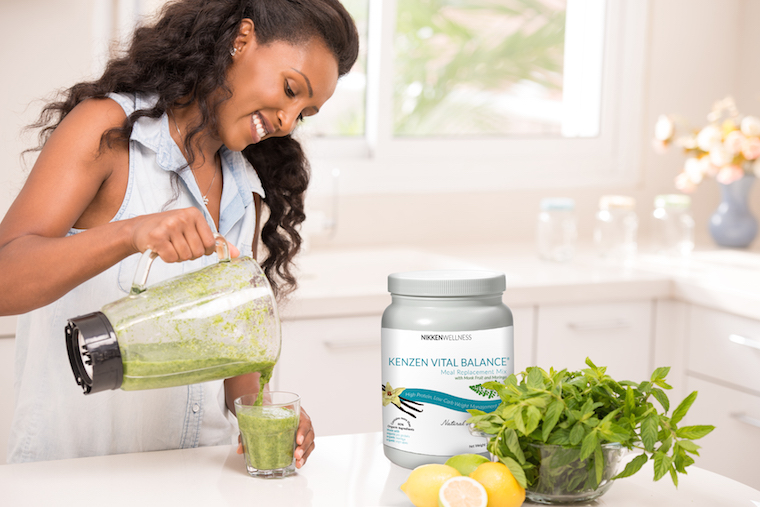
MCTs clearly provide numerous health benefits for an Active Wellness lifestyle, but how easy are they to access and consume? Look no further than Kenzen Vital Balance® Meal Replacement Mix. Read the labels for both Vanilla and Chocolate flavors and you will see that MCTs are the second ingredients for both flavors.

1, 2 https://www.webmd.com/vitamins/ai/ingredientmono-915/medium-chain-triglycerides-mcts

4, 5 https://www.sharecare.com/health/fats-nutrients-diet/mtcs-and-ltcs-utilized

3, 6, 7, 8 https://www.healthline.com/nutrition/mct-oil-benefits?utm_source=Sailthru%20Email&utm_medium=Email&utm_campaign=authoritynutrition&utm_content=2018-05-14

Plain and Simple: Conquer the Desire for Sugar

Just as with any harmful addiction, breaking the sugar habit can be difficult. But as more health research comes to light, it truly is necessary to reduce sugar consumption, if not eliminate it completely from our diets.

Research continues to show that sugar reduction is among the top product claims sought after by consumers. A recent survey conducted by the International Food Information Council (IFIC) shows that:

  • 48% of consumers say they are eliminating certain foods and beverages from their diets.1
  • 25% are using low-calorie sweeteners instead of sugar.2
  • 22% are switching from caloric beverages to low- and no-calorie options.3

Many consumers have a mixed opinion about low – and no-calorie sweeteners, but 63% now believe that these sweeteners help them reduce sugar consumption.4

Our previous blogs discussed healthy natural sweeteners The Healthiest Natural Sweetener vs. the unhealthy artificial sweeteners.

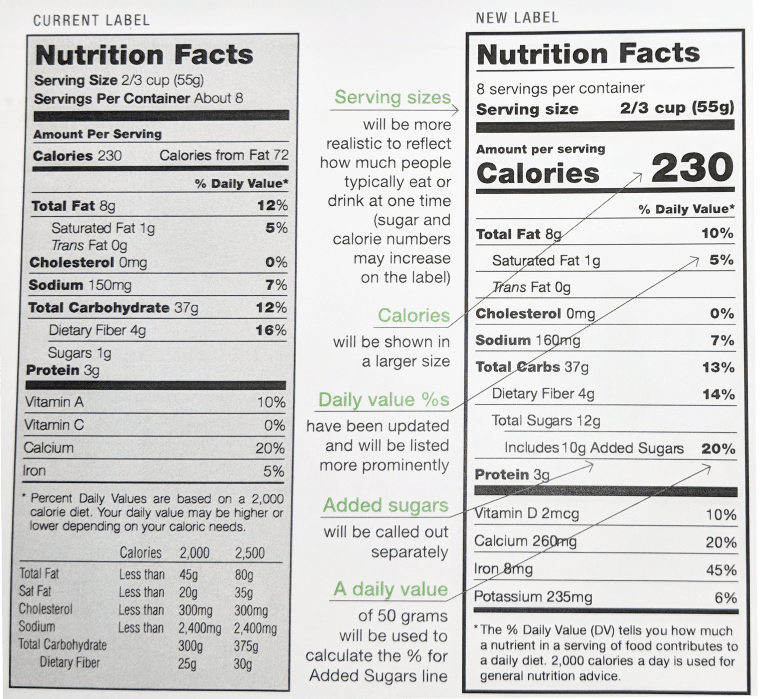
The increased focus on sugar consumption in relation to health has led to new regulatory guidelines in markets globally. In the United States, the Food & Drug Administration (FDA) has implemented changes to labeling added sugars and dietary fibers on Nutrition Facts to make it more clear to consumers. Nikken began the transition to the new labeling requirements as early as last year. Below is an example of the differences in labeling.

Revised Nutrition Facts (Blog).png

Here are some tips for reducing sugar consumption in pursuit of Active Wellness:

  1. Eliminate sodas and other sugary beverages.
  2. Need a sugar fix? Eat a piece of fruit or a sweet vegetable, such as a carrot or beet.
  3. Frozen berries, grapes, cherries and bananas are delicious as sorbets when blended.
  4. Are you a coffee or tea drinker? Try to drink it “straight” or only with a little creamer—without any sweeteners. Lemon in tea is a flavorful replacement and you can train your taste buds to appreciate tangy over sweet.
  5. Be careful with “alternative” sweeteners, such as honey and molasses. They are still forms of sugar, high in calories and have limited nutritional value. Instead, choose no-calorie natural sweeteners such as monkfruit and stevia.
  6. Do you want something sweet without empty calories? Have a “milk shake” made with Kenzen Vital Balance® mixed with the milk of your choice: coconut, soy, almond, cashew or regular!
  7. Drink more water. A recent survey in the Journal of Human Nutrition and Dietetics found that people who drank just 1% more water daily cut sugar intake by one to four teaspoons.5
  8. Read labels. Packaged food contains lots of hidden sugar, so eat fresh food whenever possible. For example, instead of packaged oatmeal, buy oatmeal that requires cooking. The packaged oatmeal frequently has little to no fiber and instead contains added sugar and artificial flavoring.

Sugar is a bad habit, but the good news is, we can beat it!

1, 2, 3, 4 http://www.foodinsightorg/2017-food-and-health-survey

5 https://www.womansday.com/health-fitness/nutrition/g2480/low-sugar-diet/

You Can Do It!

Kaizen is a Japanese term meaning “continuous improvement through positive change.” Recipients of the Team Kaizen award exemplify the meaning of the word and have the opportunity to experience an extraordinary leadership position within Nikken. This is the first in a series of profiles of the 2018 Team Kaizen members in pursuit of Active Wellness.

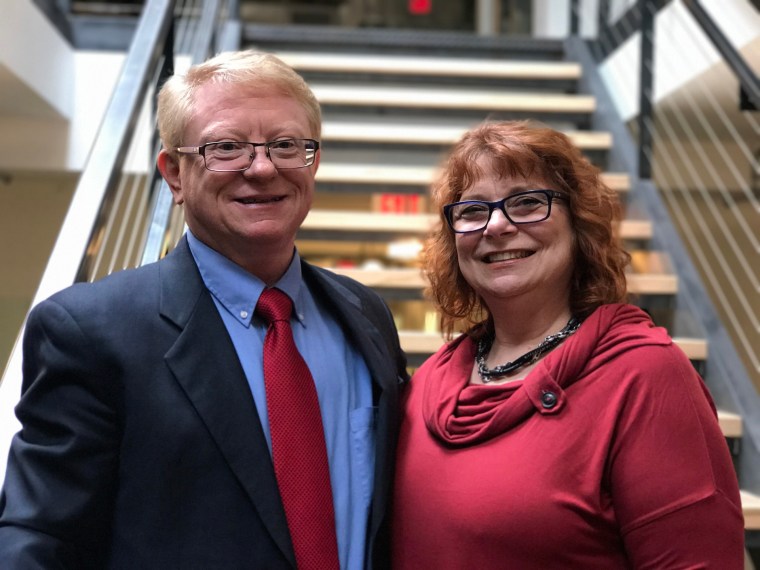
2018 Team Kaizen members had to create at least one Quality Enrollment every month of 2017 and develop four or more new frontline Silvers last year. Fulfilling these qualifications required unwavering motivation. Here’s how Kimball Sargent and Geoff Avery-Foy stayed motivated, in Kimball’s own words:

“First, we 100% committed to building this business and making it our primary income.  The other was our burning desire to go to Japan. When we joined Nikken, the company had made a trip to Japan the year before and we were told there would be no more trips there. We were very sad about that. When we heard in January of 2017 that there was going to be a trip there, we decided failure was not an option.

“Every day my husband Geoff and I made at least five contacts or follow-ups. I am the person who is usually talking and meeting new people and he works hard on follow-up and providing support to our team. Regularly meeting new people and sharing the business as well as the products was essential.

“We needed a funnel of new people to introduce to the products and the business. I am a member of a BNI (business network international) group and another networking group. I attended these groups weekly and they provided me with new referrals on a weekly basis. This was crucial for us in bringing new people on the team.

“Working with our team members regularly was another key to our success. We spent the most time with the teammates who committed to going Silver and putting new people in front of us. The team is everything in this business and we are very grateful to everyone on our team who worked so hard and helped us achieve Team Kaizen.”

Already looking forward to qualifying for Team Kaizen 2019, Kimball says, “Geoff and I, along with our team, have decided that we are going to have a huge representation on Team Kaizen 2019. In 2005, I traveled to Italy to speak at a conference and my husband couldn’t afford to go. So I want to see Italy with him and we want to work with our teammates and earn the ultimate honor of being a part of Team Kaizen. The trip is amazing and maybe even better is getting to work with the other Kaizen members and the Nikken Leadership Team to promote the best networking company in the world. Reaching Team Kaizen 2018 let us know that we can achieve any goal that we set our minds to with Nikken, if we work consistently, have fun and don’t give up. The sky is the limit.”

Do you want to qualify for Team Kaizen? Here’s Kimball and Geoff’s 10-step plan to follow:

  1. Set your goal and your intention.
  2. Decide that failure is not an option.
  3. Create a visual that you will see daily that you have achieved the goal.
  4. Write your goal daily as if you have already achieved it, every morning first thing and every night before bed.
  5. Create a daily plan for contacting and following up with your new friends and your business partners and customers.
  6. Have regular events in your area.
  7. Attend the big events and bring your team members.
  8. Reach out to your sponsor and other successful Nikken Consultants for mentoring.
  9. Work with everyone on your team as if they were first level to you as long as they are working as hard as you do.
  10. Have fun, don’t give up and keep working until the goal is achieved.

Kimball says, “You can do this. You Can Do It!”

Staircase (1).jpeg


2018 Magnetic Health Science Foundation Grants

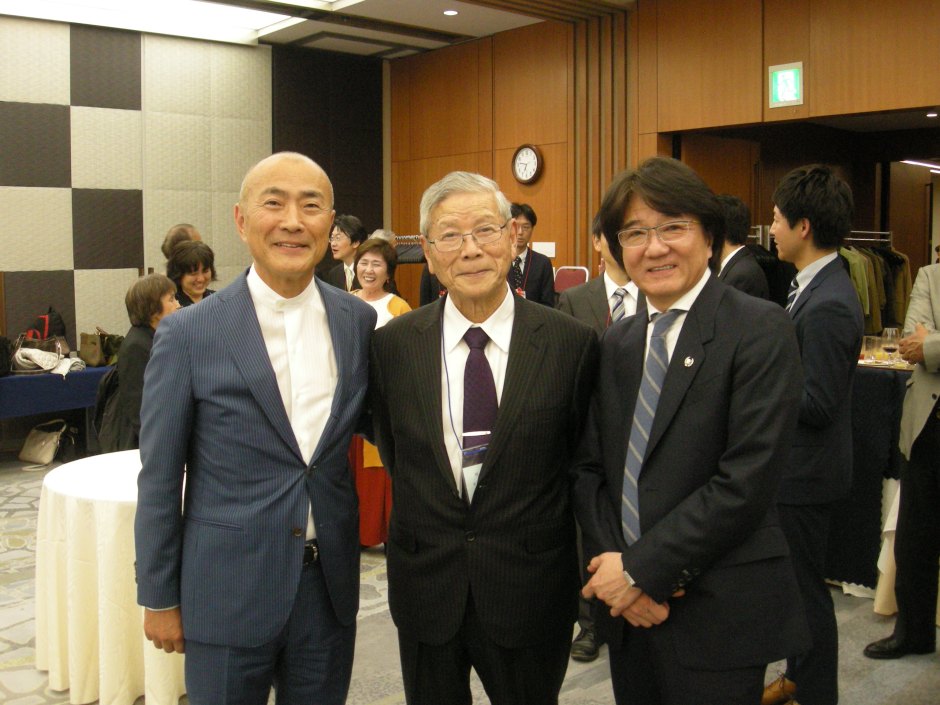
Nikken International Chairman Emeritus Mr. Toshizo (Tom) Watanabe is a Founding Member and Managing Director of the Magnetic Health Science Foundation (left). He is pictured with Dr. Makoto Kotani, President of the Magnetic Health Science Foundation (middle), and Mr. Yoji Takeuchi, President of Nikken Japan.

The Magnetic Health Science Foundation held its 24th Research Grant Presentation Ceremony and Academic Lecture in Tokyo in March of this year. Among 22 applicants, 12 studies were selected for research grants totaling approximately 10 million yen.

Guest Lecturer Takenori Uozumia, Director of the Dementia Center at the University of Occupational Environmental Health presented on “The Usefulness of Magnetic Stimulation for Dementia.” His talk focused on the combination of drug therapy and noninvasive repetitive transcranial magnetic stimulation therapy as a possible means of improving cognitive function in the early stage of dementia.

Examples of studies selected for grants include the effects of light and magnetic exposure on enzyme activities, the effects of magnetic stimulation on motor function after stroke, magnetic biosensing through skin, and repetitive magnetic stimulation for the prevention and therapy of essential hypertension. Grants fell into the categories of “Basic Research,” “Application Research” and “Specific Research.”

Basic Research grant recipients are Associate Professor Yoko Akiyama of the Graduate School of Engineering at Osaka University and Associate Professor Yoshihisa Fujiwara of the Graduate School of Science at Hiroshima University.

Application Research grant recipients are Research Associate Kenta Fujimura of the School of Health Sciences at Fujita Health University, Professor Naoki Ohmiya of the Department of Gastroenterology at Fujita Health University, Assistant Professor Yuichiro Shirota of the Department of Neurology at the University of Tokyo Hospital, Professor Katsuo Usuda of the Department of Thoracic Surgery at Kanazawa Medical University, Doctoral candidate Masataka Tanaka of the Department of Neurosurgery at Osaka University Graduate School of Medicine, Visiting Research Fellow Kazuyori Yagyu of the Department of Child and Adolescent Psychiatry at the Hokkaido University Graduate School of Medicine, Senior Lecturer Junya Fujino of the Medical Institute of Developmental Disabilities Research at Showa University and Professor Yoshitaka Kitamoto of the Department of Innovative and Engineered Materials at the Tokyo Institute of Technology.

Specific Research grant recipients are Professor Hikari Kirimoto of the Graduate School of Biomedical and Health Sciences at Hiroshima University and Associate Professor Katsuhiko Hata of the Department of Sports and Medical Science at Kokushikan University.

Screen Shot 2018-04-30 at 1.43.05 PM.pngCongratulations are due to all 2018 grant recipients and we look forward to their new findings in Magnetic Health Science.

My Vision on the Future of Nikken

Last week, Nikken CEO Kurt Fulle spoke at Diamond Bernadette McBurnie’s San Mateo event, a gathering of Nikken entrepreneurs and guests. Here is the transcript of his brief yet inspiring words:

“When thinking about a topic such as a company’s future, two words come to mind: strategy and people. As with any organization, Nikken’s future is predicated on having the right strategy and attracting the right people to make it a reality.

“Strategy can be defined as a plan of action to achieve a goal. For Nikken, the goal is Every Home a Wellness Home. The plan of action is the Marketing Plan which is sometimes referred to as the Compensation Plan. There is a PowerPoint presentation that I have seen entitled A Better Way to a Life in Balance which details Why Nikken, and how to achieve the goal using Nikken’s Marketing Plan. I suggest you give it a good reading.

“I am confident we have the right goal, and equally confident that we have the right plan of action. Nikken’s Compensation Plan is transparent, easy to understand, and financially rewarding for those who excel at implementing it. Unlike other plans, there are no complicated rules or other convoluted requirements. The simple engine driving the compensation plan is sales volume. Sharing Nikken and creating duplication creates sales volume.

“The second word that comes to mind is people. Capable leaders are indispensable to carrying out a strategy.

  • If I am leading an organization, I want the right people on the bus, the wrong people not on the bus, and the right people in the right The adage that people are your most important asset is not entirely true. The right people are your most important asset.
  • If I am leading an organization, I must maintain an unwavering belief that I will prevail in attaining my goal, and at the same time acknowledge my present circumstances.
  • If I am leading an organization, I want to encourage a culture of discipline. In such a culture, there is minimal need for hierarchy, bureaucracy, or controls. When a culture of discipline is combined with an entrepreneurial drive, the result is often great results.
  • If I am leading an organization, spending time and energy trying to motivate people is generally a waste of effort. If you have the right people, they will be self-motivated. The challenge is to not de-motivate them. Remember, they will sign up with you because they desire to be an entrepreneur, not an employee.
  • If I am leading an organization, I know that I am the messenger, not the message. The plan of action is the message. The wrong people get confused here. The right people are clear as to their role. They lead by example.

“The last word I have to say about people is ‘If you are doing something you really care about, and you believe in its purpose, then it is hard to imagine that you will not try your very best to succeed.’

“When the right people and strategy come together, then your life can move to a Life in Balance. People like our contest winners and speakers: Dave Johnson, Mike DiMuccio, Herb Rapp, Bernadette McBurnie, Gary Lindner, Mee-Jin Chong , Ruth Loh and Bill Cottle are the right people.

“So, my vision of Nikken is seeing the right people implement the right strategy and as a result Every Home Becomes a Wellness Home filled with Humans Being More.”

Refresh, Renew and Rebuild

Spring is in full swing in many parts of the world, and whether you’re basking in the warmer temperatures or trying to get your hay fever under control, remember that this is the season of renewal and rebirth. As Nature begins making new life, why not get busy gathering new team members and customers to refresh and rebuild your network and team? In the words of W. Clement Stone, “I think there is something more important than believing: Action! The world is full of dreamers. There aren’t enough who will move ahead and begin to take concrete steps to actualize their vision.”

One simple concrete step is to review your business building procedure.

  • Do you have a call schedule that you adhere to consistently?
  • Do you post on social media and reach out to the public as well as your existing contacts?
  • Do you keep your retail customers updated and on Autoship?
  • Do you hold meetings for your personally sponsored team members?
  • Are you teaching your group how to stay qualified and rank advance?
  • Are you treating your contact list as a “living” tool for tracking leads?

Update phone numbers, email and snail mail addresses. If you have a notes section about each contact, make sure that information is accurate. You should be updating your contact list consistently, but if you haven’t, make it number one on your spring cleaning tasks. At the end of this list-cleaning exercise, you’ll have a firm grasp of who is in your network, how you can work with them moving forward and what your potential growth may be.

As you review all of your updated contacts, create a shorter list of the people you want to connect with in the nearest future, and then get to work without delay. Call, text or email them. If you are connected on social media, post something directed at them. Don’ t overthink this—you had them on your long list because they showed potential in some way, and the fact that you’re choosing to put them on the short list means you’re ready to reconnect.

Don’t make it about you. Reach out to find out how they’re doing, what’s new in their lives and whether you can help them in some specific way. Whether you choose to connect with existing members of your team or potential customers and Consultants, your approach should be similar: listen to their stories, find out what they need or want, offer your correlated services, then gradually build or renew the relationships.

Each person’s short list will vary in length. The larger your organization, the longer your short list will be, so you’ll need to add them to your call schedule. Be sure to check http://events.nikken.com/ regularly to see if there are local meetings that you can attend and bring guests to if you don’t have regularly scheduled meetings of your own. The more people you know, the better, and there’s comfort in meeting many like-minded individuals.

In summary, spring clean by:

  1. Reviewing your business building procedure.
  2. Removing contacts that are no longer viable.
  3. Adding new acquaintances.
  4. Updating the notes section for each contact.
  5. Creating a shorter list of people you want to contact now or soon.
  6. Scheduling calls, texts or emails to the short list. And, connecting on social media.
  7. Offering your services, depending on what they need.
  8. Checking events.nikken.com to see if there are local meetings you can attend.
  9. Scheduling meetings of your own.
  10. Staying active and building momentum.

As you spring clean, remember that April 22, 2018 is Earth Day. Make a commitment to help keep our planet green. Decrease your plastic footprint as much as possible. Congratulations on being part of a company committed to Active Wellness.

Elderberry: Our BFF

You hear about antioxidant this and antioxidant that. You know antioxidants are good. But why are they good and how do they work? Relative to antioxidants, you hear a lot about free radicals. Here’s why:

Antioxidants are natural substances that may slow or even prevent damage to the body’s cells. Our bodies contain natural antioxidants in the form of vitamins, minerals and hormones. Our immune system uses these natural antioxidants to fight “threats” such as pollutants, toxins, radiation and UV light. Importantly, antioxidants fight and work to reverse the damage caused by free radicals that wreak havoc in our bodies and are the leading cause of premature aging.1

Free radicals are bad cells that are unstable and reactive. They enter our bodies as we breathe in polluted air and cigarette smoke; they creep in from unclean water; they’re generated when we’re under prolonged stress or suffering from illness; they even come in the form of unhealthy diets. Every metabolic reaction that involves oxygen has the potential to generate free radicals and if nothing is done, inflammation and arterial wall damage are the end results.2

Even though our bodies contain natural antioxidants, we obviously need more support to maintain Active Wellness in our increasingly polluted world. That’s where the elderberry can play a starring role.

The elderberry is generally traced back to Hippocrates, the Greek known as the “father of medicine.” He described it as his “medicine chest” for its wide variety of health benefits. Over the centuries, elderberry has been used to treat colds, flu, fever, burns, cuts and more than 70 other maladies. 3

In the year 2007, the US Department of Agriculture looked at the oxygen radical absorbance capacity (ORAC) or overall antioxidant capability of various berries. That is, which berries were the most effective at attacking damaging free radicals? Elderberry had higher ORAC values than blackberry, blueberry, cranberry, raspberry and strawberry, which also are relatively high in antioxidants.4

With such a high ORAC, it’s no wonder that elderberries are known as excellent immune system boosters. Your local drugstore in the US, Canada and Europe are likely to have an array of elderberry syrups or tablets. Numerous studies have demonstrated that elderberry extract is highly effective in mitigating flu-like symptoms and shortening the duration of colds.5

Research published in the Journal of Nutrition show that elderberry extract helps expedite the process of clearing excess sugar from the bloodstream and into muscles and the liver, thereby helping to maintain normal levels of blood sugar.6 Studies also show that Sambucus (the scientific name for elderberry) has natural diuretic and laxative effects, which helps the body decrease fluid retention and constipation.7

Kenzen Super Ciaga® contains a mighty medley of berries with the powerful maqui berry having the highest ORAC value at 27,600 per 100g serving of fresh fruit. Elderberry, which is an excellent source of vitamins A, B and C, provides substantial support with an ORAC value of 14,500 per 100g serving of fresh fruit. Blueberry, blackberry and raspberry add to the overall ORAC value as well as enhancing flavor with their natural sweetness. Kenzen Super Ciaga® is a delicious way to ingest some powerful antioxidants!

Why not do a little experimentation of your own—Kenzen Super Ciaga® tastes like a treat and acts like bodyguard—create your own recipes!

1, 2 http://www.blackelderberry.info/understanding-antioxidants/

3 http://www.blackelderberry.info/elderberry-history/

4 http://www.blackelderberry.info/sources-of-antioxidants-and-orac/

5, 6, 7 https://draxe.com/elderberry/


World Autism on the Rise: April is Autism Awareness Month

Autism spectrum disorder (ASD) refers to a group of complex neurodevelopment disorders characterized by repetitive and characteristic patterns of behavior and difficulties with social communication and interaction. The symptoms are present from early childhood and affect daily functioning.1

The term “spectrum” refers to the wide range of symptoms, skills, and levels of disability in functioning that can occur in people with ASD. Some children and adults with ASD are fully able to perform all activities of daily living while others require substantial support to perform basic activities. ASD occurs in every racial and ethnic group, and across all socioeconomic levels. However, boys are significantly more likely to develop ASD than girls.1

There is no cure for ASD. Therapies and behavioral interventions are designed to remedy specific symptoms and can substantially improve those symptoms. The ideal treatment plan coordinates therapies and interventions that meet the specific needs of the individual. Most health care professionals agree that the earlier the intervention, the better.

A new government survey of parents suggests that 1 in 45 children, ages 3 through 17, have been diagnosed with autism spectrum disorder (ASD). This is notably higher than the official government estimate of 1 in 68 American children with autism, by the Centers for Disease Control and Prevention (CDC).2

“The 1 in 45 estimate is not surprising and is likely a more accurate representation of autism prevalence in the United States,” comments epidemiologist Michael Rosanoff, Autism Speaks director for public health research. “This means that 2 percent of children in the U.S. are living with autism. The earlier they have access to care, services and treatment, the more likely they are to progress.”

Research suggests that autism develops from a combination of genetic and nongenetic, or environmental, influences.3 There is reason to be concerned about high levels of exposure to toxic chemicals in our environment. For this reason, Autism Speaks continues to support research to better understand the effects of chemical exposures during pregnancy, as there is preliminary evidence that pesticides may increase the risk of autism. Although researchers cannot confirm that avoiding exposure to pesticides or any specific chemical can reduce autism risk in a child or future child, they do say that exposure to toxic chemicals during pregnancy or early infancy poses a general threat to future health. High lead exposure has been shown to lower IQ scores. Certain endocrine disrupting chemicals have been linked to birth defects. So it’s reasonable for parents to take reasonable steps to avoid these exposures.4

Scientists also have been reporting links between the composition of bacteria in the gut and autistic behavior. A review of more than 150 papers on ASD and gut bacteria found that since the 1960s, studies show that restoring a healthy balance in gut bacteria can treat ASD symptoms.5

Dr Qinrui Li of Peking University, China says, “The environmental factors include the overuse of antibiotics in babies, maternal obesity and diabetes during pregnancy, how a baby is delivered and how long it is breastfed. All of these can affect the balance of bacteria in an infant’s gut, so are risk factors for ASD. Efforts to restore the gut microbiota to that of a healthy person has been shown to be really effective. Our review looked at taking probiotics, prebiotics, changing the diet – for example, to gluten- and casein-free diets, and fecal matter transplants. All had a positive impact on symptoms such as increased sociability, a reduction in repetitive behaviour, and improved social communication: all hugely beneficial to the life of an ASD sufferer.5

A Nikken Wellness Home can help create a healthy environment with clean water, organic nutritional supplements and effective Sleep Products. Here are just a few success stories:

Carla P. says, “My son James was diagnosed with autism before he turned three. Over the years, we made progress, but James still had difficulty sleeping and this child would get up and roam all over the house, turn on lights, turn on TVs with loud volume, and go into his brothers’ rooms and wake them up. It disrupted the entire household. I decided to try a Kenko Mattress Topper on his bed.  It still amazes me. He continues to sleep every night, and he is now making progress through the day because of this good sleep he is getting.

“He has had other positive effects from Nikken products, and if I didn’t experience this myself, I would have never believed it.  The best part was how non-invasive all of these products are. Autism is like a puzzle, and you are always seeking the right pieces that fit.  Well, I definitely found some of the biggest pieces to help my son.  It didn’t cure him, but his quality of life is so much better. And isn’t that ultimately what we all desire?”*

Lorri from Alberta, Canada says, “After two weeks of sleeping on the Kenko Sleep System, Brody was sleeping well and this good sleep has helped him function better during the day.  Brody wears the magnetic insoles and necklace during the day to help him feel more relaxed and calmer.  After using all of these magnets, his behavior has also improved. Now, a year later, I can’t believe it! Wow oh wow, it’s wonderful stuff! Everyone notices such a huge difference in him.”*

Beth says, “My cousin’s adopted son is a five-year-old who is autistic. He has always been a high energy, non-speaking autistic child. Since the day he was put on the large Kenko PetPad and the insoles in his shoes, he has calmed down considerably. When my cousin unwrapped the PetPad, he walked up to it and wrapped his arms around it. It seemed to immediately ‘soothe’ him and help him feel more relaxed and calm. He now goes to sleep at regular hours, remains calm throughout the day and is able to function better as a result of the Nikken products. Nothing else in his life has changed, only the addition of Nikken products.”*

Gretchen T. says, “I worked with a woman with a 21-year-old autistic son. She used the Kenko Sleep System for him because he had never been able to sleep an entire night in his life. He would wake up several times. He would also pull his covers over his face, which made his mother very nervous. From the first night on the system, he slept all night long and never pulled the comforter over his face, and was more relaxed. So she then tried the PiMag water with him. He always hated drinking water and would only take a few sips. The first glass of PiMag water he was given, he drank right down and even asked for another one. Was she ever delighted!”*

Do you know someone with a child who is on the spectrum and might benefit from a Nikken Wellness Home? You could be the one who helps improve lives with Active Wellness!

*These testimonials are not paid for or endorsed by Nikken.

1 https://www.ninds.nih.gov/Disorders/Patient-Caregiver-Education/Fact-Sheets/Autism-Spectrum-Disorder-Fact-Sheet

2 https://www.autismspeaks.org/science/science-news/new-government-survey-pegs-autism-prevalence-1-45

3 https://www.autismspeaks.org/what-autism/learn-more-autism/what-causes-autism

4 https://www.autismspeaks.org/blog/2012/04/06/avoiding-environmental-hazards-during-pregnancy

5 https://medicalxpress.com/news/2017-06-autism-gut.html\
The Horror of the World’s Plastic Footprint

The discerning mind understands the importance of drinking filtered water and commits to using a good filtration system. Unfortunately, the success of the bottled water industry continues to grow, even with the knowledge that plastic bottles are a huge potential health hazard. As reported in the Japan Times earlier this month, the world’s leading brands of bottled water have been contaminated with tiny plastic particles that are likely seeping in during the packaging process.1

There’s also the matter of conscience. Every one of us can choose to contribute to the preservation of our environment or expedite its demise. As recently as earlier this month, the Ocean Cleanup Foundation—with researchers at institutions in New Zealand, the United States, Britain, France, Germany and Denmark—published in the journal Scientific Reports, that 79,000 tons of plastic debris, in the form of 1.8 trillion pieces, now occupy an area three times the size of France in the Pacific Ocean between California and Hawaii.2 It’s known as the “Great Pacific Garbage Patch.”

According to the Ocean Cleanup Foundation researchers, the plastic is coming largely from Pacific countries, but they also believe that some of the debris comes from elsewhere, moved by ocean currents. Based on prior examinations dating back to the 1970s, the study finds that the plastic in the patch is growing, as more flows in than out. 2

Plastic pollution is so far-reaching that even the pristine Arctic has been infiltrated. A study published in 2017 in the journal Science Advances, estimates that 300 billion pieces of tiny plastic are suspended in Arctic waters, with even more on the seafloor. 3 Because the population in the Arctic is so small, it is unlikely that it directly contributed to so much waste. Instead, researchers believe the aged and weathered state of the plastic waste suggests that it has been traveling the seas for decades, breaking down along the way. The study was led by Andrés Cózar of the University of Cádiz in Spain, together with researchers from universities in Denmark, France, Japan, the Netherlands, Saudi Arabia, Spain, the United Kingdom and the United States.

Environmental engineer Jenna Jambeck at the University of Georgia conducted a study on plastic waste processes in 2015 and found that humans were filling the oceans with an estimated eight million tons of plastic annually. Projections are that this will increase 22 percent by 2025.4 In addition, the study found that much of the plastic was sinking and damaging the lower depths of the ocean as well as the seafloor. As the plastic footprint enlarges, the future of our planet diminishes.

For Active Wellness and for the planet, quit the bottled water habit. Share the benefits of the PiMag® Waterfall, indisputably an amazing deal for PiMag® water technology.

1 https://www.japantimes.co.jp/news/2018/03/16/business/top-bottled-water-brands-contaminated-plastic-particles-report/#.Wr0YvrT83zI

2 https://www.nature.com/articles/s41598-018-22939-w

3 http://advances.sciencemag.org/content/3/4/e1600582.full

4 https://www.washingtonpost.com/news/energy-environment/wp/2015/02/12/humans-are-putting-8-million-metric-tons-of-plastic-in-the-oceans-annually/


In It to Win It

Kaizen is a Japanese term meaning “continuous improvement through positive change.” Nikken Independent Consultants who qualify for Team Kaizen are generously rewarded for one year or more, depending on their sales performance. Recipients of this award exemplify Kaizen and have the opportunity to experience VIP treatment and an annual all-paid luxury trip. In 2018, Team Kaizen is going to Japan in May, so anyone who wants to be rewarded with the 2019 trip to Italy should be working to qualify right now!

How does anyone get and stay motivated to enroll new Consultants consistently and accumulate more than 3,000 points in sales month after month in order to qualify? Or to do 50,000 points in annual PGPV (Personal Group Point Volume), all of which focus on sponsorship and retail sales?

As the saying goes, “There are different strokes for different folks.” In network marketing you can be inspired by the accomplishments of others, i.e,. “I want to do that, too.” It also is a business where you need to consciously motivate yourself to push on, i.e., “I can do it!” Both apply to Nikken entrepreneurs as well as the desire to live with Active Wellness.

Here’s a story from Royal Ambassador Valerie Johnson about motivation. She is a triathlete who reads a lot. In fact, virtually every successful Nikken Consultant is an avid reader of motivational books. Valerie’s recent find is by the renowned Olympic champion, ice skater Scott Hamilton, author of Finish First: Winning Changes Everything. She says that Scott Hamilton writes of having done 31,200 practices before turning pro. During each of those practice sessions, he fell an average of four times, which equates to 41,600 falls.

Valerie asks, “Why would someone keep falling and falling again, and keep on?” The answer is “because he loves to skate, and he has a burning desire to win!” Valerie understands this desire to win and explains how she started doing triathlons and compares it to how she started doing Nikken as a business.

Describing her first triathlon, Valerie says, “My objective was to just finish the race. I figured if I could just finish, I would be a winner. As I was coming in toward the end, I found myself behind a younger lady who appeared quite fit. She had on cute race shorts with a spanky skirt. Intimidated, I ran behind her for quite a while, and then it came to me, ‘Why are you following her? You can go faster than this!’ So I put the pedal to the metal, lengthened my stride and whooshed right past her. When I crossed the finish line, I was surprised and tremendously thrilled to find that I was in third place for my age division! I was hooked; not just on triathlons, but on winning! When I decided to be in it to win it, my whole attitude and focus changed. There’s a huge difference between being in it to participate and being in it to win.”

In Scott Hamilton’s book, he says, “What if winning was so much less about having the right qualities and qualifications, and more about simply having the hunger to win? What if it was less about hard work and sacrifice and more about commitment and repetition? Would the concept of winning become easier for you if you believed it was simply about getting on the right path and doing the same thing over and over again? So often when we look at success, we see the incredible virtuoso musicians or athletes. What we don’t see if the long road they walked to get there. We don’t see the time they put in while we weren’t watching.”

Valerie sees what Scott writes about in herself. She says, “I started Nikken with much the same attitude that I started doing triathlons. I was participating but not really putting my all into it. What would happen if I was actually in it to win it? I would set my goals firmly, I would find a coach, I would practice, I would get up each time I fall and try again, I would do those seemingly small things that really do make the difference such as read good-for-me-books, listen to character-building podcasts and recordings, watch educational videos about our business and products, meet new people, make friends, invite them to hear what Nikken has to offer. I would up my game! I would meet more people, make more friends, invite more people—and never give up!

“In it to win it,” says Valerie Johnson. No wonder she is part of one of the most successful distributorships in the history of Nikken! What about you?