Drink More Water to Improve Health

How much water to drink for optimal well-being is an individual affair, depending on lifestyle, age, gender and overall state of health. The truth of the matter is that the majority of us can enhance our pursuit of Active Wellness by drinking more water. It is simple enough to do, but positive behaviors require intent, especially in our busy lives. Here are some tips for increasing your daily water intake:

•          Be in touch with how your body feels. Sometimes people become dehydrated because they do not recognize the sensation of thirst. If you are someone who rarely feels thirsty and therefore don’t drink water throughout the day, drink some water in hourly intervals even if you don’t feel thirsty. You will feel a difference with increased energy levels.

•          Set a goal of drinking more water. Write it down. The mere fact that you have a goal of drinking more water on a daily basis makes it more likely that you will succeed in creating a new positive behavior.

•          Keep a reusable water bottle with you. When you have a reusable water bottle, you can easily drink water in any setting, whether you’re running errands, traveling or at home, working or at school. Keeping a water bottle handy can also serve as a visual reminder to drink more water. Bonus: A reusable water bottle decreases reliance on single use plastic water bottles and supports the environment. The PiMag® Sport Bottle not only helps decrease our carbon footprint but also filters out contaminants from the tap water you fill it with!

•          Consciously replace other beverages with water. Energy drinks and other caffeinated drinks contain water but are less hydrating than plain water. You don’t need to replace every beverage you usually have with water, but even one or two a day can make a difference in overall well-being. For example, a single 8-ounce (240 ml) cup of soda can exceed the recommended daily limit for sugar.1

•          Have a glass of water before each meal. Creating this habit automatically ensures you have at least three glasses of water a day, if you eat three meals.

•          Drink filtered water instead of bottled water or tap water. Bottled water is known to be tap water put into single-use plastic bottles for convenience and profit. Filtering water removes contaminants and bacteria, which improves the taste of water. Better tasting water helps us drink more of it, even crave it. PiMag® water from a PiMag Waterfall® or PiMag® Sport Bottle not only tastes great but also is more alkaline and hydrating than unfiltered tap water. Bonus: PiMag® water helps us respect the environment by creating less plastic waste.

•          Incorporate foods that are high in water content into your daily regimen. Here are some foods with 90% or higher water content: lettuce (96%), celery (95%), zucchini (95%), cabbage (92%), watermelon (91%), cantaloupe and honeydew melon (90%). Bonus: These fruits and vegetables also contain vitamins, minerals and antioxidants.

•          Drink a glass of water when you awaken. It will help you wake up and become alert.

Even as we consciously drink more water to improve our health, being aware of how much water is used and wasted can help each of us contribute to the preservation of our global freshwater resources. In the U.S., each citizen uses about 3,000 liters /792.5 gallons a day, whereas in the U.K, that figure goes up to 3,400 litres /898 gallons!2 Water is a luxury in many countries, so as part of the Global Wellness Community, let’s strive together for awareness and conservation.

For the entire month of March, we are offering four Water Packs. Each pack has two state-of-the-art PiMag® products. You get one at the regular price and the second at 50% off! You have your choice of two PiMag MicroJet® Wall Mount Shower Systems or two PiMag MicroJet® Handheld Shower Systems, both of which help neutralize chemicals, two PiMag® Sport Bottles of 100% recyclable biogreen materials, or two PiMag® Waterfalls that can help reduce bacteria by 99.99%.

1 https://www.healthline.com/nutrition/how-to-drink-more-water

2 https://medium.com/@aj_jones/the-worlds-freshwater-crisis-is-worse-than-ever-60bce56206a9

Vegetarian Sources of Omega Fatty Acids

Research and studies continue to support the importance of incorporating omega fatty acids into the diet to maintain neurological and cardiovascular health. The most common source of omega fatty acids is from various types of fish, so much so that omegas are often referred to as “fish oil.” What if your diet does not allow for fish or you are simply concerned with the high mercury content in some fish?

The good news is that there are various sources of plant-derived omega fatty acids. When we eat fats in our foods, our bodies break them back down into fatty acids. Fatty acids are the building blocks of our cell membranes, and are important for energy, energy storage, and for every system of the body to function. Because of this, the omega 3, 6 and 9 fatty acids play a part in our skin health, respiratory system, circulatory system, organs, and especially in our brains. In addition, they help our bodies absorb vitamins and nutrients from food. 

Omega 3, 6 and 9 fatty acids are all unsaturated fats. Each of the omega 3, 6 and 9 fatty acids offers our bodies benefits. Omega 3s and omega 6s are essential fatty acids, known as essential because the body cannot produce them and they therefore need to be incorporated into our daily diets. On the other hand, omega 9s are non-essential fats because our bodies are able to produce them. We can still benefit from dietary sources like olive oil and avocados for omega 9s.

DHA (docosahexaenoic acid)—makes up about 8% of our brains by weight, and over 90% of the omega 3s in the brain are DHA. Because of this, DHA is important for brain development and healthy brain functioning.1 The inclusion of plentiful DHA in the diet improves learning ability, whereas deficiencies of DHA are associated with deficits in learning. DHA is taken up by the brain in preference to other fatty acids.2

Seaweed and algae are important sources of omega 3 for people on a vegetarian or vegan diet, as they are one of the few plant groups that contain DHA and the omegas. Chia seeds are an excellent plant-based source of ALA omega 3 fatty acids. They are also high in fiber and protein.3 Hemp seeds, flax seeds, walnuts, edamame (young or green soybeans) and kidney beans are all sources of vegetarian omega fatty acids.

Regardless of your reasons for choosing plant-based omegas, Nikken makes it easy for you. Kenzen® Omega Green + DHA is 100 percent vegetarian and contains all three omegas, 3, 6 and 9. The proprietary formula of cranberry seed oil, flaxseed oil and red algae comes from renewable sources and the flaxseed oil in particular, is cold pressed to avoid heat. (Heat tends to deteriorate the beneficial effects of omega 3 fatty acids.)

Kenzen® Omega Green + DHA is one of the Active Wellness nutritional supplements found in the special “Heart of Nikken” packs available through February 28. Each pack contains Kenzen® Bergisterol®, Kenzen® Super Ciaga® powder and Kenzen® Omega Green + DHA — plus one piece of magnetic jewelry, exclusive to Nikken. You have your choice of the pack with a silver Kenko Perfect Link II necklace, a gold tone Kenko Perfect Link II necklace or a Kenko Heart Set.

1 https://mindovermunch.com/blog/omega-3-6-9-fatty-acids/

2https://pubmed.ncbi.nlm.nih.gov/10479465/#:~:text=Docosahexaenoic%20acid%20(DHA)%20is%20essential,associated%20with%20deficits%20in%20learning.

3https://www.medicalnewstoday.com/articles/323144#:~:text=Seaweed%2C%20nori%2C%20spirulina%2C%20and,that%20contain%20DHA%20and%20EPA.

What’s the Big Deal with Berries?

Within our bodies millions of processes occur every day, such as turning the foods we eat into energy. These processes require oxygen. Byproducts of using oxygen are called oxidants, often referred to as “free radicals”. Free radicals can also be introduced to our bodies through external sources such as tobacco smoke, pollution, and exposure to the sun. In the same way that oxidation can cause rust on the surface of some objects, free radicals can cause damage to cell walls, cell structures and even the genetic material of a cell. If the genetic material of a cell is attacked, this can lead to changes in the body’s DNA “genetic blue print” and has been linked to a number of diseases, including cardiovascular disease.1

Antioxidants work to deactivate free radicals by binding to oxidants, which prevents the damage from occurring. Diets high in antioxidant-rich foods, that is, foods containing vitamin C, vitamin E, selenium and carotenoids, such as beta-carotene, lycopene, lutein, and zeaxanthin, have been linked to a reduced risk of developing heart disease. As a result, current national guidelines on the prevention of cardiovascular disease recommend choosing foods rich in antioxidants.2

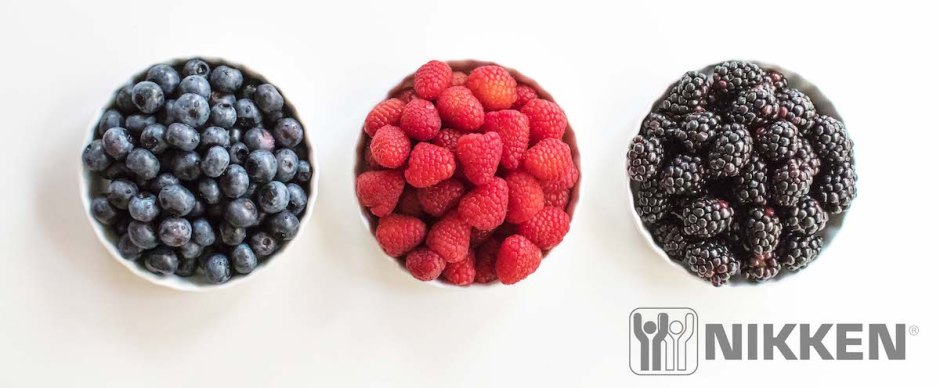
Berries contain a variety of antioxidants, which help keep free radicals under control. Anthocyanins, ellagic acid and resveratrol are types of antioxidants found in an assortment of berries. One study showed that blueberries, blackberries and raspberries have the highest antioxidant activity of commonly consumed fruits, next to pomegranates.3

Studies suggest that the antioxidants in berries may help lower inflammation. Long-term inflammation arising from chronic stress, sedentary lifestyles and unhealthy food choices can lead to diabetes, heart disease and obesity,4 so berries are really a big deal in counteracting those negative effects! But that’s not all that berries can help do.

Test-tube and human studies suggest that berries may protect cells from high blood sugar levels, help increase insulin sensitivity, and reduce blood sugar and insulin response to high-carb meals. Importantly, these effects appear to occur in both healthy people and those with insulin resistance.5

In one study of healthy women, eating 5 ounces (150 grams) of puréed strawberries or mixed berries with bread led to a 24–26% reduction in insulin levels, compared to consuming the bread alone.6 Moreover, in a six-week study, obese people with insulin resistance who drank a blueberry smoothie twice per day experienced greater improvements in insulin sensitivity than those who consumed berry-free smoothies.7

Berries are also an excellent source of soluble fiber, which is known to be important for slowing down the movement of food through the digestive tract. This slower movement helps us feel full for a longer period of time. Ideally, this may help us eat less and make weight management easier. One study found that doubling fiber intake could help absorb up to 130 fewer calories per day.8

Unsurprisingly, berries are considered heart-healthy food that may help lower LDL levels and help protect the bad cholesterol from becoming oxidized, which may reduce the risk of heart disease. In a controlled study of obese people, those eating 1.5 ounces (50 grams) of freeze-dried blueberries for 8 weeks noticed a 28% reduction in their oxidized LDL levels.9

Berries are highly nutritious, may provide a variety of health benefits, and are easy to incorporate into an Active Wellness nutritional plan! Kenzen® Super Ciaga® powder makes it even simpler if you find it hard to access fresh berries. Simply combine it with PiMag® water or blend into smoothies for an energy and antioxidant boost!

To celebrate love, friendship and Valentine’s Day, Nikken has three “Heart of Nikken” packs available through February 28. Each pack contains three extraordinary heart-healthy nutritional supplements—Kenzen® Bergisterol®, Kenzen® Super Ciaga® and Kenzen® Omega Green + DHA — plus one piece of magnetic jewelry, exclusive to Nikken. You have your choice of the pack with a silver Kenko Perfect Link II necklace, a gold tone Kenko Perfect Link II necklace or a Kenko Heart Set.

1, 2 https://my.clevelandclinic.org/health/articles/16739-antioxidants–heart-health

3, 4, 5, 6, 7, 8, 9  https://www.healthline.com/nutrition/11-reasons-to-eat-berries#:~:text=Berries%20are%20some%20of%20the,cholesterol%2C%20while%20reducing%20oxidative%20stress

Making Health Resolutions

Making health resolutions is an annual event for many of us. For example, I resolved to lose 10 pounds for at least a dozen years. I eventually reframed that specific resolution, and it’s led to achieving and maintaining my annual resolution, which is to keep my numbers, not just my weight, at acceptable levels. That means numbers related to cholesterol, blood pressure, triglycerides, blood sugar and body-mass index—and if the weight decreases, so much the better.

We can practice Active Wellness as a Global Wellness Community and individually, every day. We can commit to keeping joints mobile, maintaining muscle flexibility and exercising mental agility. Staying hydrated, eating healthy food, drinking alcohol conservatively, exercising consistently and getting restful sleep are all necessary to keep the numbers in check. Health resolutions challenge us to stick to them. Here are five tips to help achieve health resolutions:

1.         Listen to your body. Dr. Nikole Benders-Hadi says, “By consciously listening to your body you are better able to discover what your body actually wants and what makes you feel healthier. You may be surprised to learn you need more sleep or need to drink more water or eat healthier.”1

2.         Find an exercise you really like. Dr. Elizabeth Lombardo says, “Every New Year, people spend a lot of money on gym memberships, workout studio memberships, and online fitness programs. Even though most people start strong, most of them fail to turn their new routine into a long-term habit. Even so, there are ways to improve your odds of sticking to your exercise goals. To begin, pick an activity that you will enjoy and that fits into your schedule.”2

3.         Take time for self-care. Putting ourselves higher up on our priority lists can have a beneficial impact on our well-being. We can really help others better when we are in good shape ourselves. Dr. Candice Seti says, “Self-care can be about scheduling time for yourself, planning fun or relaxing activities, or focusing on healthy behaviors. For example, “I am going to eat four whole-foods based meals a week. Or, “I’m going to take 10,000 steps for five of the next seven days.”3

4.Just cut down on the “bad’ and up the “good” a little bit at a time. Don’t withhold. Some people are able to give up sugar completely or walk three miles a day every day. Know yourself and set your goals accordingly. Aim to keep the scoreboard of healthy behaviors on the plus side and commit to doing better a little bit every day.

5.         Check out PiMag® products for hydration, True Elements® Marine Organic skin care for state-of-the-art COSMOS certified formulas, KenkoAir Purifier® for filtered indoor air, and Kenzen® organic nutrition for smart supplementation. Nikken can help you stick to your health resolutions!

Remember to change your water and air filters to keep your units functioning optimally and take advantage of our four special January packs that each contain a bonus item when you purchase a PiMag® Waterfall filter cartridge and a KenkoAir Purifer® HEPA filter in the same order.

1, 2, 3 https://www.choosingtherapy.com/new-years-resolutions/

Health Trends for 2022

It’s no surprise that staying as healthy as possible will continue to be top priority this year. That priority has been the premise for each Nikken product in every category, whether it’s nutrition, magnetic support, PiMag® water or clean air, since the company began more than 46 years ago.

What are some of the health areas that people may focus on in the year 2022?

• According to the international health insurance company BUPA, Google searches for “gut health” are up by 83% and they predict more people will focus on it in 2022.1 The Nikken organic nutritional supplements that address this are Kenzen Lactoferrin® 2.0, Kenzen® Cleanse & Detox and Kenzen Vital Balance®. All three contain prebiotics and/or probiotics that enhance gut health.

• Some health experts predict that people will pay closer attention to their mental health in 2022. Mental health affects how the brain functions, and is also a byproduct of our individual ways of responding to stress. Relaxing strategies such as spending more time in green spaces or practicing self-care to reduce stress will continue to be a priority in 2022.2 You can also take nutritional supplements that support brain health such as Kenzen® Clarity, a fermented blend of 100% organic ingredients formulated to help you stay focused and mentally sharp, designed to help maximize your cognitive function.*

• The “green generation” of healthcare is growing. Green health professionals blend healthcare with an understanding of the environmental changes that affect people’s health in different parts of the world. They provide healthcare while advocating for the environment.3 Everyone understands the need for clean air and water for optimal health, and Nikken provides the stellar KenkoAir Purifier®, PiMag Waterfall® and PiMag® Sport Bottle that help us decrease our carbon footprint by minimizing plastic waste. Replacing the filters of these components keeps them in top shape for years. Through January 31st, check out our filters replacement promotion where you can get a bonus item whenever you purchase one KenkoAir HEPA filter and one PiMag Waterfall filter together.

• Plant-based-eating articles and meal plans were up 31% in 2021 and it is expected to grow even more as more people choose to eat healthier and more sustainably.4

• Perennial (as opposed to annual) grains like kernza (a new type of wheat) will explode. That is a good thing when it comes to fighting climate change, because perennial grains develop deeper root systems than annuals, and these deep roots help prevent soil erosion and trap harmful greenhouse gases underground, keeping them out of the atmosphere.5

• Kelp and seaweed will make their way into all kinds of products, not just food. Although common to many cultures, farming kelp has been found to pull carbon out of the atmosphere.6 Known as a great source of minerals, such as potassium, iron, calcium, and magnesium, seaweed is also rich in antioxidants and vitamins. A great example of using seaweed not just as food is the improved line of True Elements® Marine Organic Skin Care. A variety of seaweeds are ingredients in these advanced formulations.

• A “new school” of vitamins and supplements will evolve in 2022. Known as “smart” and “forward-thinking” supplements, they not only effectively address nutritional sufficiency but also nurture specific areas of health, from our cells to the whole body. The advancements range from delivery format and options that consider our personalized genetic makeup to strategic ingredient combinations, environmental sustainability, and more.7 Nikken began using this smart, forward-thinking approach in formulating nutritional supplements years ago. Examples include the smart use of fermented ingredients in Kenzen Clarity, the natural stress relievers such as the adaptogen Ashwagandha, turmeric extract and Shisandra in Kenzen® Cleanse & Detox and the “bone buddies” delivery system of Kenzen Calcium Complex and Kenzen BDZ for optimal calcium absorption.

In essence, 2022 is the year that asks each of us how to become healthier and stronger personally while respecting and working together with the environment. At Nikken, we pledge to use and share what we learn to build a bigger, healthier and environmentally-conscious Global Wellness Community!

*This statement has not been evaluated by the Food and Drug Administration. This product is not intended to diagnose, treat, cure or prevent any disease.

1, 2 https://www.phillyvoice.com/2022-health-trends-diet-alcohol-reduction-male-fertility-sound-healing/

3 https://www.mindbodygreen.com/articles/doctors-are-becoming-leaders-in-environmental-movement

4, 5, 6 https://www.eatingwell.com/article/7935948/top-10-food-nutrition-trends-2022/

7 https://www.mindbodygreen.com/articles/new-generation-of-vitamins

Hydrogen Water, Mitochondria and Energy

The scientific community is now uncovering hydrogen water’s mechanisms of action, which are diverse. They refer to the potential for increasing antioxidant activity, inhibiting inflammation, modulating immune regulation and regulating autophagy, circadian rhythm and mitochondria.1 (Autophagy is the body’s way of cleaning out damaged cells in order to regenerate newer,healthier cells.) Each of these beneficial anatomical activities is believed to help boost overall energy levels and health.

Because hydrogen is such a small molecule, the lightest in the periodic table, it can more easily dissolve throughout the cells as compared with traditional antioxidants.2 Hydrogen has the characteristic of protecting nuclear DNA and mitochondria and can permeate biomembranes to help reduce the risk of lifestyle-related issues caused by oxidative stress.3 In other words, drinking hydrogen-rich water may improve our overall ability to function, which elevates our quality of life.

Mitochondria are specialized structures that perform various jobs inside cells. They’re membrane-bound with two different membranes. These membranes function for the purpose of the mitochondria, which is to generate most of the chemical energy needed to power the cell’s biochemical reactions.4 That means mitochondria are the powerhouses within our cells.

Energy is produced by the conversion of chemicals within the cell. These chemicals go through pathways to be converted. The process of conversion produces energy in the form of a small molecule known as ATP (adenosine triphosphate). Different cells have different amounts of mitochondria—depending on how much energy they require. For example, the muscles have a lot of mitochondria, as do the liver and kidneys and to a certain extent, the brain, which lives off the energy those mitochondria produce.5

What do these energy-producing mitochondria have to do with hydrogen water? Clinical studies on hydrogen-rich water show that it helps improve mitochondrial function.6 When the mitochondria are functioning at high or optimal levels, our energy levels are correspondingly high. An abundance of energy makes all the difference to how we feel. It impacts our moods, our activity levels, and in essence, creates a domino effect of Active Wellness. When we are energetic, we tend to be happier and more active. When we are more active, each internal organ (heart, liver, lungs, etc.) gets a workout, which helps fight oxidative stress.

There are ongoing clinical trials on the effects of hydrogen water. From enhancing athletic performance to alleviating muscle fatigue,7 from helping to fight metabolic syndrome8 (a condition characterized by high blood sugar, triglyceride levels and cholesterol) to positively influencing the gut microbiome,9 these research studies appear to support the use of hydrogen water for a variety of reasons, most of which relate to increasing antioxidant activity, helping to reduce inflammation and regulating our immune systems.

Remember that there is free shipping for all Registered Customers through December 17, 2021!

1 https://www.naturalmedicinejournal.com/journal/2021-05/going-beyond-hype-hydrogen-water

2, 3 https://www.ncbi.nlm.nih.gov/pmc/articles/PMC6096066/

4, 5 https://www.genome.gov/genetics-glossary/Mitochondria

6 https://litasenior.com/the-revolutionary-benefits-of-molecular-hydrogen/

7, 8 https://www.healthline.com/nutrition/hydrogen-water#benefits

9 https://www.naturalmedicinejournal.com/journal/2021-05/going-beyond-hype-hydrogen-water

Celebrate World Vegetarian Month This October!

October is World Vegetarian Month and there are many facts, historical and nutritional, that may be little known but of interest. By definition, a vegetarian is a person who decides to abstain from meat whether it be for health, religious, or moral reasons. The term “vegetarian” is believed to have come into existence in 1847, whereas prior to that, those who refrained from consuming meat were known as “Pythagorean.”1 There is no proof that the famous Greek mathematician and philosopher was vegetarian but many sources say he and his adherents followed a restrictive diet that did not include animal flesh.2

Some other historical figures who are known or purported to have been vegetarian include the esteemed artist and philosopher Leonardo da Vinci, feminist and author of Frankenstein Mary Shelley, the founding father of the United States Benjamin Franklin, and Indian activist and leader Mahatma Gandhi. Historians note that the Mahatma strayed from vegetarianism briefly but renewed his commitment when studying law in England, even though it required 10 to 12 miles of walking to find vegetarian restaurants!3

In North America, vegetarianism became a movement in 1850 and is attributed to William Alcott who helped start the American Vegetarian Society.4 He happens to be a relative of Little Women author Louisa May Alcott. In current times, many celebrities are known to be vegetarians and the movement is growing as scientists continue researching the the health benefits of plant-based living.

Globally, India has the highest percentage of vegetarians when compared to other countries, with roughly 30 percent of the population adhering to a plant-based lifestyle.5 Generally acknowledged by nutritionists and dieticians to be a healthy way of eating and even a way to sustain weight loss, it is important to know that some vegetarian foods can be high in calories and fat. For example, if you cut out meat but replace it with lots of cheese and nuts you could end up consuming the same number of calories or even more. On the other hand, eating more fruits, vegetables, whole grains, beans, soy and moderate amounts of nuts can help you maintain a healthy weight.6

Here are some important nutrients to keep in mind when eating a vegetarian diet: 7

• Protein—Protein is important for maintaining healthy muscles, skin, bones, and organs. Ovolacto vegetarians may have an easier time getting enough protein but vegans should be sure to eat enough soy products, meat substitutes, legumes, nuts, seeds, and whole grains.

• Calcium—This mineral is important for building strong bones and teeth. Vegetarians who do not consume dairy products can find adequate calcium in leafy greens, broccoli, fortified soy milk, and fortified juices.

• Vitamin B12—The body uses this vitamin to produce red blood cells and it is mostly found in animal products. Vegans must include a B12 supplement, consume enriched cereals, or drink fortified soy milk.

• Iron—Iron is a crucial component of red blood cells and lack of iron can lead to anemia, or iron deficiency. Dried beans and peas, whole grains, leafy green vegetables, and dried fruit are good sources of iron. Be sure to combine the above foods with foods high in vitamin C (oranges, strawberries, hot peppers) because vitamin C aids in iron absorption.

• Zinc—This mineral is an essential component of enzymes and formation of proteins. Good sources of zinc include whole grains, soy products, nuts, and wheat germ.

Kenzen Nutrition is composed of a complete program based on organic ingredients. At Nikken, our goal is to help the Global Wellness Community fill the nutritional gaps in any daily diet. Founded on a whole-food philosophy, our organic-based solutions help bring your daily food regimen closer to nature and make it easy to practice Active Wellness.

1, 4 https://nationaltoday.com/vegetarian-month/

2, 3, 5 https://www.britannica.com/list/8-of-historys-most-famous-vegetarians

6 https://www.webmd.com/food-recipes/features/get-the-facts-about-vegetarian-diets

7 https://www.depts.ttu.edu/hospitality/pdf/SmartChoices2011_Veg.pdf

Activate Your Breathing Power

To breathe is to live, but how can we breathe better to live better in our pursuit of Active Wellness? We know the use of a Kenko Air Purifier® can help improve indoor air quality in multiple ways, but there are ways to physically enhance our lung capacity.

Good breathing techniques may not only help our bodies get the oxygen needed but also keep our lungs healthy and strong. One particular exercise that helps the lungs intake oxygen is called diaphragmatic breathing.1 In layman’s terms, this type of exercise is called “belly breathing.” Follow these steps:

  1. Relax your shoulders and sit back or lie down.
  2. Place one hand on your belly and one on your chest.
  3. Inhale through your nose for two seconds, feeling the air move into your abdomen and feeling your stomach move out. Your stomach should move more than your chest does.
  4. Breathe out for two seconds through pursed lips while pressing on your abdomen.
  5. Repeat.

Another exercise helps keep our airways open longer, which helps reduce the “work” of breathing. It’s called pursed-lips breathing and helps improve the lung’s function of inhaling oxygen and exhaling carbon dioxide.2 Pursed-lips breathing is simpler than diaphragmatic breathing and can be practiced at any time. Follow these steps:

  1. Inhale slowly through your nose.
  2. Purse your lips, as if pouting or about to blow on something.
  3. Breathe out as slowly as possible through pursed lips. This should take at least twice as long as it did to breathe in.
  4. Repeat.

To help increase lung capacity, the British Lung Foundation advises deep breathing in general. It’s believed that deep breathing can help clear mucous from the lungs, which allows more air to circulate.3 Simply inhale deeply through the nose, 5-10 times, then cough a couple of times and repeat.

In addition to breathing exercises, do the following for healthy lung maintenance:

  • Stop smoking, and avoid secondhand smoke or environmental irritants.
  • Eat foods rich in antioxidants. 
  • Exercise more frequently, which can help your lungs function properly. Swimming is especially helpful for increasing lung power.
  • Improve indoor air quality. We highly recommend our KenkoAir Purifier.

For the entire of month of September, you save significantly when you purchase the September Exclusive Pack (Item 4445) by receiving the KenkoAir Purifier® and HEPA replacement filter for the price of the KenkoAir Purifier. In addition, all KAP HEPA filter replacements (Item 1445) are 20% off.

1, 2 https://www.healthline.com/health/how-to-increase-lung-capacity

3 https://www.medicalnewstoday.com/articles/323787#when-do-they-work

Lungs are Vital in Our Amazing Human Bodies

Breath gives life, so breathing is one of the most important things our respiratory systems accomplish. The most vital components of breathing are our lungs.

Here are some facts about our lungs1 that are notable:

  1. In humans, the right lung is larger than the left to accommodate the heart.
  2. Exhalation is just as important as inhalation. The air we breathe contains 21% oxygen, of which only 5% is used—the rest is exhaled.
  3. We think of our digestive systems as being in charge of waste disposal; however, 70% of waste is eliminated through our lungs in the form of up to 17.5 milliliters of water exhaled each hour!
  4. Children and women breathe at a higher rate than men.
  5. Lungs are the only organs in the human body that are capable of floating on water.
  6. A person inhales an average of 13 pints of air every minute!
  7. Imagine this: If we were to open up the lungs and lay them flat, they would be so large that they would cover an entire tennis court!

So many physical activities we do naturally are the work of our respiratory systems. For example, coughing, sneezing and yawning are ways to rid our lungs of unwanted substances that we unknowingly inhale. Yawning also helps us intake more oxygen, especially when the brain senses a shortage of needed air! 2

Similar to our digestive tracts, our lower respiratory tract is colonized by diverse groups of bacteria. On the other hand, unlike the bacteria in our digestive tracts, studies have shown that the flora or microbes in the respiratory tract do not cause disease.3

As we inhale and exhale, there’s a small amount of air, called residual volume, that always stays inside our lungs.4 Our amazing lungs keep at least 1,200 ml of air in the lungs at all times! Even after we do a good exhale, there’s always more that can be pushed out.

Residual volume actually helps keep smaller airways and air sacs (known as alveoli) open a little at all times, so that the next breath and the next and so on, comes easier. The tiny but powerful alveoli cover a surface that measures more than 1,076.4 sq. ft. or 100 sq.m. This large surface area is necessary to process the huge amounts of air involved in breathing and getting oxygen to our lungs.5 Alveoli are responsible for three overall processes6 involved in breathing:

  1. Ventilation: moving air in and out of the lungs
  2. Diffusion: oxygen-carbon dioxide exchange
  3. Perfusion: pumping blood through the lungs

When we take deep breaths in and exhale slowly, we are helping our lungs do their best work! It’s all part of Active Wellness and getting to know the intricacies of our remarkable bodies.

1 https://pulmonaryhypertensionnews.com/2017/12/20/8-fun-facts-lungs/

2, 3, 4 https://careplusvn.com/en/10-surprising-facts-about-the-respiratory-system

5, 6 https://www.healthline.com/health/alveoli-function#alveoli-function

Breathe in Clean Air for Healthy Living and Active Wellness

The United Nations has declared the International Day of Clean Air to be September 7 this year. In support of the global effort for “healthy air, healthy planet,” the clean air initiative emphasizes the health aspects related to what we breathe in. The United Nations states, “This year’s focus is on prioritizing the need for healthy air for all, while keeping the conversation broad enough to encompass other critical issues such as climate change, human and planetary health as well as the Sustainable Development Goals.”1

Here are five main health benefits2 we can enjoy simply by breathing in clean air:

  1. Decreased Allergies and Asthma Symptoms: Clean indoor air can greatly improve the symptoms of allergies and asthma, thus increasing well-being and productivity.
  2. Cleaner Lungs: Clean air keeps lungs healthy and functioning optimally. Breathing in polluted air is similar to inhaling cigarette smoke.
  3. Improved Digestion: The respiratory system is important not only for healthy lungs but also for healthy digestion. Clean, fresh oxygen is needed in order for the muscles of the digestive tract to function as they should by breaking up food and moving it along in the digestive system.
  4. Improved Mood: Serotonin is a highly important neurotransmitter responsible, among other things, for regulating mood and anxiety. One of numerous factors that serotonin production and serotonin uptake in the brain are dependent upon is oxygen intake. Enzymes responsible for the production of serotonin can be impaired by low quality oxygen intake, leading to feelings of depression and anxiety.
  5. Longer Life Span: Breathing in clean air can also improve the immune system, which is one way our bodies build on for a long and healthy life.

We can’t always control outdoor air, but we can actively monitor our indoor air and keep it as fresh as possible. Here are five simple tips for keeping indoor air fresh and clean:

  1. Air purifiers can be an effective way to reduce harmful particles in the air. It can be helpful to have one in each room, especially bedrooms.
  2. Keep pets well groomed, especially if they are big shedders. Removing excess fur not only helps keep pet skin less irritated, but it also helps keep air cleaner.
  3. Take your shoes off before going inside. The dirt your shoes bring in can contain pesticides, pollen, fungi, bacteria and more undesirables.3
  4. Indoor houseplants can help improve air quality, according to a study published by the American Society for Horticultural Science. Several types of houseplants help filter out common volatile organic compounds from indoor air. For example, spider plants are effective at reducing benzene, formaldehyde, carbon monoxide and nitrogen dioxide.4
  5. Rather than using chemically-based detergents and air fresheners, try using natural cleaning products and remember to open your windows at least part of the day.

Nikken supports clean air every day with eco-friendly KenkoAir Purifier® and its HEPA replacement filters. To celebrate the global effort for “healthy air, healthy planet” Nikken is offering two specials for the entire month of September. You save significantly when you purchase the September Exclusive Pack (Item 4445) by receiving the KenkoAir Purifier® and HEPA replacement filter for the price of the KenkoAir Purifier. In addition, all KAP HEPA filter replacements (Item 1445) are 20% off.

1 https://www.un.org/en/observances/clean-air-day

2 https://cascadeenviro.ca/5-important-health-benefits-of-clean-air/

3, 4 https://www.treehugger.com/ways-get-clean-air-without-chemicals-4864310