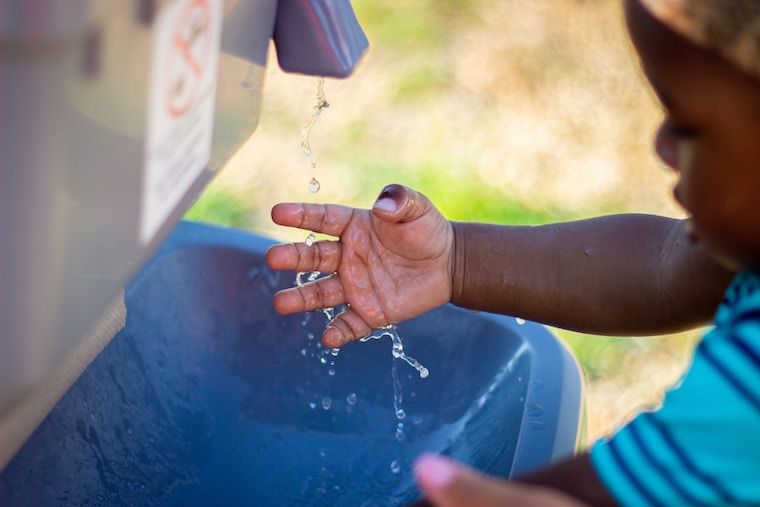
During the holidays, we come in contact with more people than usual. Although this can help us expand our circle of friends and acquaintances, it increases our exposure to germs. Bacteria and viruses are easily transmitted by just about everything we touch. As we touch people, surfaces and objects throughout the day, we accumulate germs on our hands. We can infect ourselves with these germs by touching our eyes, noses or mouths, and we can also spread them to others through microscopic particles that will attack our immune systems on a daily basis.
That’s why our best line of defense is to wash our hands often. Although it’s impossible to keep our hands completely germ-free, washing our hands frequently is a must when practicing Active Wellness. Handwashing can help limit the transfer of bacteria, viruses and other microbes.
According to the Mayo Clinic1, we should always wash our hands when they are visibly dirty and before:
- Preparing food or eating
- Treating wounds or caring for a sick person
- Inserting or removing contact lenses
Always wash our hands after:
- Preparing food
- Using the toilet, changing a diaper or cleaning up a child who has used the toilet
- Touching an animal, animal feed or animal waste
- Blowing your nose, coughing or sneezing
- Treating wounds or caring for a sick person
- Handling garbage
- Handling pet food or pet treats
The recommended guidelines are to scrub your hands for a minimum of 20 seconds. A 2018 report by the United States Department of Agriculture (USDA) found that up to 97 percent of us wash our hands incorrectly.2
The Center for Disease Control cites that handwashing can prevent one in three diarrhea-related sicknesses and one in five respiratory infections, such as a cold or the flu.3 Teaching children from a young age to wash hands often is key to preventing the spread of common ailments. The five easy steps are: wet, lather, scrub, rinse and dry. Remember to teach them the key to proper washing is to scrub with soap and water for at least 20 seconds.
It’s wise to wash your hands and change your clothes after you get home from your commute, and to wash your hands frequently during the workday. You don’t have to work with soil or anything else produced by Mother Nature to become infested with germs. According to the National Center for Biotechnology Information, the average office worker’s desk is covered in more germs than a bathroom toilet seat!4
Alcohol-based hand sanitizers, which don’t require water, are an acceptable alternative when soap and water aren’t available. If you use a hand sanitizer, make sure the product contains at least 60% alcohol.5
This holiday season, decrease exposure to germs simply by thoroughly washing your hands often and with soap, and enjoy Active Wellness.
1, 5 https://www.mayoclinic.org/healthy-lifestyle/adult-health/in-depth/hand-washing/art-20046253


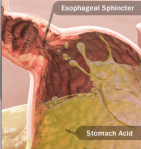 Reflux occurs when the esophageal sphincter is weak and allows the stomach contents to go back upward into the esophagus.
 and reusable drinking bottles such as the PiMag® Sport Bottle,
 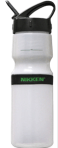 this outrageous number can be reduced to help sustain the environment.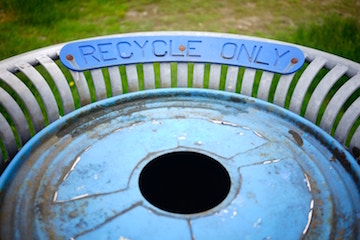



 The good news is that dark chocolate (with 70% or more cocoa) contains healthy plant compounds known as polyphenols. It still contains sugar and fat, so eat a couple of squares and savor it—no bingeing allowed.


 Some symptoms may not pertain to the respiratory system but can still be the result of breathing bad air. These include dry throat, headache, nausea, reduced resistance to infections, fatigue and even weakened athletic performance.3 When resistance to infections occurs, most people may experience cold-like or flu-like symptoms that can result in more severe respiratory complications.4

 Active Wellness Blog