How Often Do Filters Need to Be Changed?

Filtration systems come in many varieties—mostly to enhance air quality and to help decontaminate water supplies. They come in different sizes and shapes and are installed in various locations. No matter what type of filtration system you own, you will need to replace the filter media on a regular basis in order to keep your devices working smoothly and effectively.

Filters are not universal. Even if the filters look alike, the slightest difference could sabotage the filtration process. Just as there are knockoffs of name brand purses, shoes and electronics, there are non-certified filters for purchase. They are not of the same quality as the manufacturer’s suggested replacement and could cause more problems than they’re worth.

To help standardize and rate filtration systems, manufacturers, regulators and consumers look to NSF International for the development of public health standards and certification programs that help protect the world’s food, water, consumer products and environment. As an independent, accredited organization, NSF International facilitates the development of standards and their service groups test and certify products and systems.1 To ensure your water treatment systems and air filter units perform optimally, use the proper replacement filter and change it at the recommended intervals.

Take advantage of the Nikken Replacement Filter sale effective January 20 through February 14, 2020 and save 20%!

  • The PiMag® Sport Bottle uses state-of-the-art filtration technology that exceeds NSF standards for reducing particulates, chlorine, chloramine, taste and odor, cysts, lead, bacteria, VOCs, MTBE and more.

The recommendation for changing the filter is approximately 40 gallons or three months of average use or up to an estimated 250 refills per filter. Choose item #13503 for the Replacement Filter Pack.

  • The PiMag Waterfall® is the eco-friendly Sport Bottle’s counterpart for the home and office. It also exceeds NSF standards as mentioned above.

The recommendation for changing the filter is 90 days or 900 liters, whichever comes first. Choose item 13845. Mineral stones should be changed annually. Choose item #13846.

  • The PiMag MicroJet® Shower System has also been tested according to NSF standards and been proven to effectively reduce chlorine exposure. While most chlorine-reduction systems in shower filters merely trap chlorine or add other chemicals to counteract it, the PiMag MicroJet uses a reduction/oxidation process to neutralize chlorine ions. The MicroJet injects air into the shower stream to increase the electronegative potential of the water for more effective filtration. Micro-bubbles are released through the nozzle to provide an exceptional cleansing action.

The recommendation for changing the filter for the hand held model is every 5,000 gallons or three months, based on average use. Choose Item #14661.

The recommendation for changing the filter for the wall mount model is every 10,000 gallons or six months, based on average use. Choose Item #13831.

  • The KenkoAir Purifier® exceeds the measured efficiency of capturing up to 99.97% of 0.3 micron particle sin the air. It’s Energy Star qualified, which means it’s 35% more efficient than standard models and saves a minimum of 215 kilowatt-hours per year. Unlike typical air filters, this advanced system helps generate negative-ions similar to those found in natural environments.

The recommendation for changing the filters is every six months. Be sure to clean the reusable prefilter when the other filters are replaced. Choose Item #1445.

 

1 http://www.nsf.org/about-nsf/

Get the Benefits of Winter Sports without Injuries

Winter activities such as skiing, snowboarding, ice skating, ice hockey and sledding are invigorating ways to experience the great outdoors during the cold months of the year. They’re high speed and therefore can also be perilous, causing many common injuries. These include fractures, sprains, strains, concussions and dislocations. Snowboarders tend to have more wrist injuries as well as tailbone contusions and concussions whereas skiers have more knee injuries.1

Take care of yourselves and properly prepare children for outdoor winter activities. Here are a dozen precautions to take when participating in winter sports:

  • Wear the appropriate protective gear such as helmets, goggles, wrist guards, knee and elbow pads, as well as sunscreen. Check out Nikken KenkoTherm® Wraps for comfortable support for muscles, ligaments and joints.
  • Make sure all equipment is in good working order.
  • Wear layers of clothing that include a breathable base layer, one or two insulating layers and a water- and windproof outer layer to help you stay warm and dry. Layering helps accommodate your body’s changing temperature.
  • Wear comfortable footwear for warmth, dryness and ankle support. If you have weak ankles to begin with, try wrapping them with KenkoTherm DUK® Tape for extra support before putting on your Nikken Sport Socks.
  • Stay hydrated. Breathing cold air can be dehydrating, so bring along a good size water bottle and sip steadily. Convenient and giving you the bonus of ultra high-tech filtration, the eco-friendly PiMag® Sport Bottle is a must-have carry-along. Orthopedists recommend drinking a pint before exercising and another pint after you’re done, with sipping every 20 minutes or so in between.3
  • Warm up. Cold muscles, tendons and ligaments are more injury-prone.
  • After warming up, stretch. Hold each stretch for 10 to 20 seconds, then slowly and carefully release it. Inhale before each stretch and exhale as you release. Do each stretch once, always with control and never bounce on a fully stretched muscle.2
  • Learn how to fall. Shoulder, elbow and wrist injuries can result from trying to brace a fall. According to the Canadian Ski Patrol, the harder you try to stay upright, the harder it is on the knees and the more risk of ligament breaks, strains or tears.4
  • Do not ice skate on frozen lakes, rivers or ponds unless you are absolutely sure they have not started to thaw. The safest way is to ice skate on frozen water masses only where posted signs indicate it’s safe.
  • If snowshoeing or cross-country skiing, be sure to bring a map and a compass. Also be constantly vigilant of changing weather conditions.
  • Never participate alone in a winter sport. If you must go alone, be sure to inform friends and family of your location and expected time of return.
  • Know your limitations and those of your children. Unless you are an athlete training under supervision, rest when tired, and choose slopes and maneuvers that match your skill level.

One of the most enjoyable parts of winter sports is the rest and relaxation afterwards! Why not revive yourself with a hot cup of Kenzen Ten4® Energy Drink Mix and treat yourself to a gentle massage with KenkoTouch®?


1 https://www.chop.edu/news/health-tip/perfect-10-winter-sports-safety-tips

2, 3 https://orthoinfo.aaos.org/en/diseases–conditions/sprains-strains-and-other-soft-tissue-injuries/

4 https://www.besthealthmag.ca/best-you/fitness/9-safety-tips-for-winter-sports/


Are You Addicted to Certain Foods?

The effects of certain foods on the brain make it hard for some people to avoid them, even if they go against an Active Wellness lifestyle. Since food is something we need in order to exist, we don’t always think of it as an addiction; however, many of us lose control around specific unhealthy foods and that is where food may produce behaviors similar to more commonly accepted addictions, such as drugs or alcohol.

The most problematic foods include junk foods generally high in sugar, fat and artificial flavor enhancers. They’re notably bad for us, and many of us continue to eat them. Unlike drug addiction, there is no blood test to diagnose food addiction. It’s based on behavior. Health professionals assert that if we have four to five of these eight common symptoms, we likely have a food addiction :1

  1. Craving certain foods despite feeling full and just having eaten a healthy meal
  2. Eating more than intended of a craved food
  3. Eating a craved food to the point of feeling sick
  4. Feeling guilty after eating certain foods—then eating them again
  5. Making up excuses for eating a craved food
  6. Trying to quit eating certain foods unsuccessfully
  7. Eating craved foods or unhealthy foods in secret
  8. Feeling unable to control the eating of unhealthy foods

The concept of food addiction is controversial because not everyone has experienced it or even heard of it. For those who suffer from it, it can be a lifetime struggle and cause multiple health risks. These include overweight and obesity, which may increase the risk of heart problems, digestive issues and diabetes. Those who are unfamiliar with the problem often consider those with food addictions simply to lack will power. The implication is that food addiction can be easily stopped. In reality, health professionals consider food addiction to be as complex as any other disease. Once addicted, eating certain foods changes the brain in ways that make abstaining from them, very hard.2

When eaten, sugar, flour, grains and any other addictive foods, light up the brain’s reward circuit by flooding it with the chemical messenger dopamine. This reward system motivates repeat behaviors, causing people to eat these pleasure-inducing foods repeatedly.3

Just as with any other addiction, certain people are more vulnerable than others. No single factor is predictive, but genetics play a role, as does someone’s environment. The earlier and the more we are exposed to sugar and other addictive substances, the more likely we are to become trapped into desiring them. thomas-kelley-j5DeBxBUwHw-unsplashUnlike drugs and other addictions, abstinence is not an option when it comes to eating. However, abstinence from the unhealthy craved foods is actually the goal in curbing food addictions. As difficult as it may be, here are some tips to conquer any bad eating habits:4
  • Become educated about healthful foods and try them out.
  • Be honest about why you’re eating what you know you shouldn’t. What thoughts and emotions do you associate with the food you’re eating?
  • Identify social or environmental pressures that lead to unhealthy eating. Avoid them if possible, or explain to people why you are no longer eating certain “triggering” foods.
  • Make an action plan to eat well and get moving. Create healthy menus and cook at home. Devise an exercise routine and add to it incrementally as you improve your fitness. Write down Active Wellness goals.
  • Be realistic. Abstinence from “bad” food will not happen overnight. Just like quitting smoking, it may take a few tries. Don’t beat yourself up over it. There are no options other than taking it a day at a time.

Nikken nutritional supplements are designed to help us stay on track from head to toe. Whether it’s for digestion, mental clarity, strong bones, weight loss or an energy boost, Nikken provides the highest quality of organically sourced support! Take advantage of our special “three for the price of two” on KVB® Meal Replacement Mix! It’s low in fat and carbohydrates, and has no gluten, no dairy, no GMO, no added salt, no preservatives, no sugar and no artificial flavors—all stuff that can lead to food addiction.


1 https://www.healthline.com/nutrition/how-to-overcome-food-addiction

2,3https://foodaddictioninstitute.org/?gclid=Cj0KCQiAxrbwBRCoARIsABEc9sgZ8KWTI3Qf6HtR4PbLKjzmqY9JUuG6nUEXvP5pAORqSvzkY1z4lkIaAkJlEALw_wcB

4 https://psychcentral.com/blog/expert-tips-for-overcoming-food-addiction/


How Often Do You Wash Your Hands?

During the holidays, we come in contact with more people than usual. Although this can help us expand our circle of friends and acquaintances, it increases our exposure to germs. Bacteria and viruses are easily transmitted by just about everything we touch. As we touch people, surfaces and objects throughout the day, we accumulate germs on our hands. We can infect ourselves with these germs by touching our eyes, noses or mouths, and we can also spread them to others through microscopic particles that will attack our immune systems on a daily basis.

That’s why our best line of defense is to wash our hands often. Although it’s impossible to keep our hands completely germ-free, washing our hands frequently is a must when practicing Active Wellness. Handwashing can help limit the transfer of bacteria, viruses and other microbes.

According to the Mayo Clinic1, we should always wash our hands when they are visibly dirty and before:

  • Preparing food or eating
  • Treating wounds or caring for a sick person
  • Inserting or removing contact lenses

Always wash our hands after:

  • Preparing food
  • Using the toilet, changing a diaper or cleaning up a child who has used the toilet
  • Touching an animal, animal feed or animal waste
  • Blowing your nose, coughing or sneezing
  • Treating wounds or caring for a sick person
  • Handling garbage
  • Handling pet food or pet treats

The recommended guidelines are to scrub your hands for a minimum of 20 seconds. A 2018 report by the United States Department of Agriculture (USDA) found that up to 97 percent of us wash our hands incorrectly.2

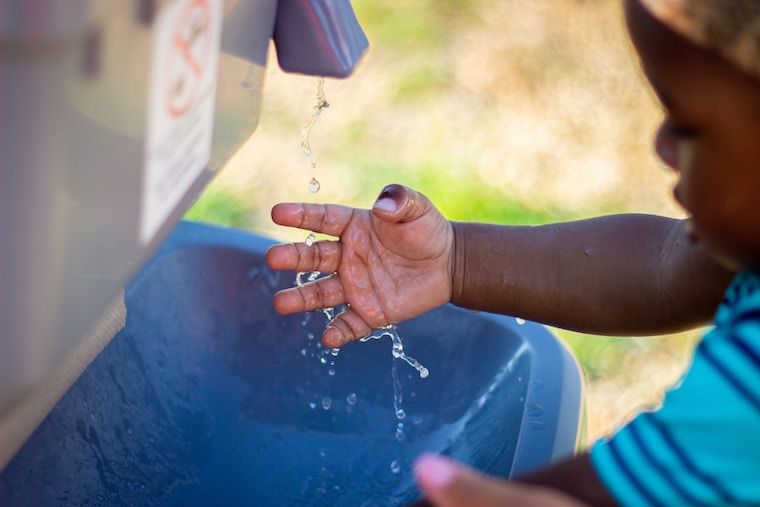
The Center for Disease Control cites that handwashing can prevent one in three diarrhea-related sicknesses and one in five respiratory infections, such as a cold or the flu.3 Teaching children from a young age to wash hands often is key to preventing the spread of common ailments. The five easy steps are: wet, lather, scrub, rinse and dry. Remember to teach them the key to proper washing is to scrub with soap and water for at least 20 seconds.

It’s wise to wash your hands and change your clothes after you get home from your commute, and to wash your hands frequently during the workday. You don’t have to work with soil or anything else produced by Mother Nature to become infested with germs. According to the National Center for Biotechnology Information, the average office worker’s desk is covered in more germs than a bathroom toilet seat!4

Alcohol-based hand sanitizers, which don’t require water, are an acceptable alternative when soap and water aren’t available. If you use a hand sanitizer, make sure the product contains at least 60% alcohol.5

This holiday season, decrease exposure to germs simply by thoroughly washing your hands often and with soap, and enjoy Active Wellness.


1, 5 https://www.mayoclinic.org/healthy-lifestyle/adult-health/in-depth/hand-washing/art-20046253

2 https://www.usda.gov/media/press-releases/2018/06/28/study-shows-most-people-are-spreading-dangerous-bacteria-around

3 https://www.cdc.gov/handwashing/handwashing-family.html

4 https://www.ncbi.nlm.nih.gov/pmc/articles/PMC4883643/

Do you Cultivate Gratitude?

One of the first things we teach our children to say is “thank you.” Since children get a lot of help with their daily activities, they have many opportunities to say thank you. In doing so, children are actively cultivating gratitude. Something happens as we become adults, and the simple words “thank you” are often forgotten as we take things for granted. Reciprocally, the words “you’re welcome” are now often replaced with “uh huh” or nothing at all.

According to Andrew Newberg, M.D. and Mark Robert Waldman, words literally can change your brain. In their book, Words Can Change Your Brain, they write: “A single word has the power to influence the expression of genes that regulate physical and emotional stress.” Positive words, such as “peace” and “love,” can alter the expression of genes, strengthening areas in our frontal lobes and promoting the brain’s cognitive functioning. According to the authors, they propel the motivational centers of the brain into action and build resiliency.1

It might seem corny, but we need to practice using the right words not only when we talk to others but also when we talk to ourselves. Since we are first and foremost, blessed with our own abilities, we can cultivate gratitude by being thankful to our bodies and minds for supporting us and letting us work. We can thank ourselves for the progress we’ve made in living with Active Wellness—cutting out or cutting down on sugar, using a PiMag® Sport Bottle instead of single use plastic bottles, exercising daily, focusing more on plants when eating, recycling whenever possible, reducing waste and reusing rather than discarding goods—and commit to doing even more.

Although we should cultivate our own sense of gratitude every day of the year, there’s nothing like the holidays, starting with Thanksgiving, to be mindful of the multitude of things that bless our lives. One way to cultivate gratitude is to take a look around us and see what we have to offer to others. How can we help with a simple gesture or random act of kindness? Little things often count way more than we know—helping someone pick up a spilled package, opening a door for the elderly, bringing a stray to the shelter to be scanned for an ownership chip, cooking a meal for a sick neighbor—and the result is feeling happy for being able to do something for someone else.

Feeling grateful doesn’t come naturally to everyone. Sometimes the person with the least has a greater sense of gratitude than someone with an abundance of family, material wealth and good health. When the power goes out for hours or days, we are reminded of how grateful we should be for having electricity 24/7 when other parts of the world do not. Those of us who live where we have potable tap water should be grateful we don’t live where water is scarce or rationed. In other words, what we consider basic and take for granted, really isn’t basic for many others. When we acknowledge simple things that fulfill our needs, we are grateful.

This holiday season, let’s be aware of the words we utter, be sincere with our thanks, lend a helping hand whenever we can and pay forward all the blessings we have personally received. Happy Thanksgiving to one and all!


1 https://psychcentral.com/blog/6-ways-to-cultivate-gratitude/


Is it Heartburn or is it GERD?

Most of us have had an occasional bout of heartburn, and as unpleasant as it might be, it’s relatively benign. On the other hand, if heartburn becomes chronic, it may be a symptom of GERD, short for gastroesophageal reflux disease.

November 24-30, 2019 is GERD Awareness Week in the United States. American Thanksgiving is celebrated each year on the fourth Thursday of November and often involves overeating, so that week is dedicated to educating the public about GERD, a disease which affects about 20% of the population and revolves around the digestive system.

GERD is also known as acid reflux disease and its prevalence is on the rise. Because GERD is a primary risk factor for esophageal cancer, it’s important to develop preventative habits and understand the triggers.

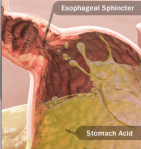
GERD affects the lower esophageal sphincter, which is the ring of muscle between the esophagus and stomach. In normal digestion, the lower esophageal sphincter opens to allow food to pass into the stomach and then closes to prevent food and stomach acids to flow back upwards. Screen Shot 2019-11-20 at 12.36.35 PMReflux occurs when the esophageal sphincter is weak and allows the stomach contents to go back upward into the esophagus.

If heartburn occurs more than once a week, becomes more severe, occurs at night and awakens you, these are possible signs of GERD. Less known symptoms that may be associated with GERD include belching, difficulty or pain when swallowing, a sudden excess of saliva, dysphagia (the feeling of food being stuck in the esophagus), chronic sore throat, laryngitis, gum inflammation, tooth enamel eroding, morning hoarseness, bad breath and a sour taste in the mouth.1

Whether you suffer from occasional or frequent heartburn or even GERD, there are some precautions that can help prevent episodes:

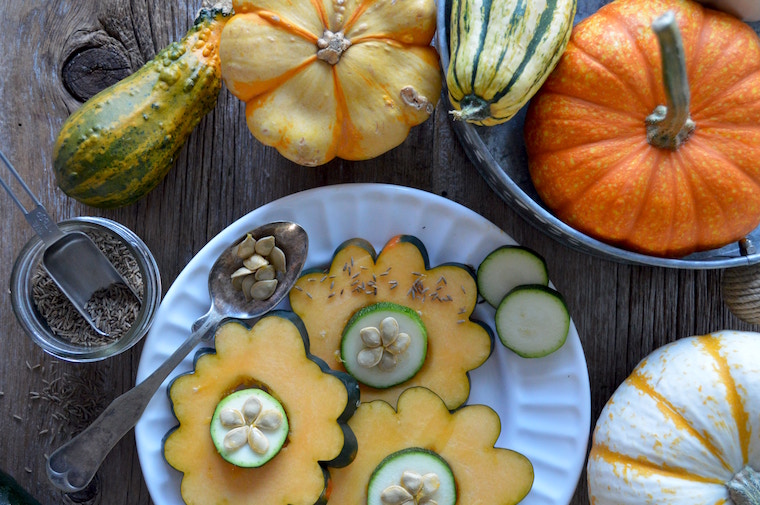
  • Eat a plant-based diet. Greens, beans, onions, mushrooms, berries and seeds all help prevent or shorten GERD attacks. Winter squash, corn, beets and whole grains also help minimize symptoms.2
  • Make green juice in a blender with cruciferous veggies such as cabbage or kale. These nutrient-rich foods promote a healthy digestive tract lining and help reduce stomach acids.3
  • Eat five to six small meals a day rather than three larger ones. Too much food triggers acid production in the stomach.
  • Eat your last meal of the day at least three hours before bedtime.
  • Drink at least eight glasses of water daily, as water helps dilute stomach acid.
  • Try to avoid citrus, because they produce more stomach acid. These include oranges, grapefruits, lemons and limes.
  • Alcohol and smoking worsen GERD and heartburn symptoms.
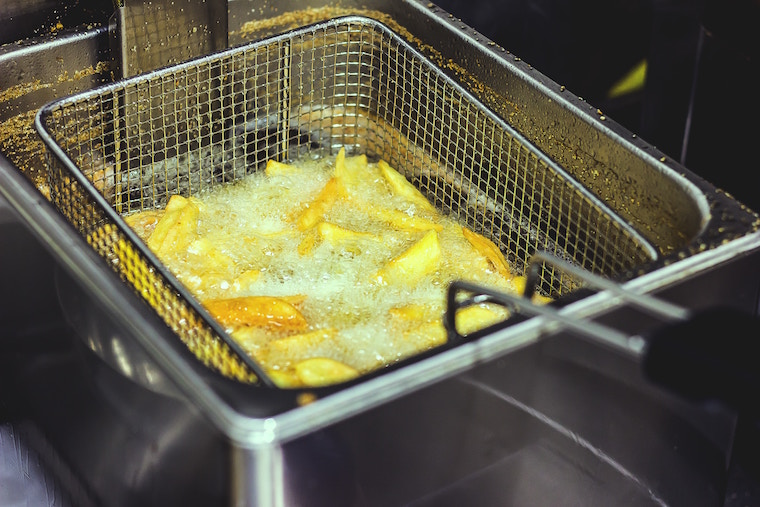
  • Fried and high-fat foods as well as caffeinated beverages trigger heartburn and GERD.4
  • Try to maintain a healthy weight. Obesity or being overweight contributes to GERD. A British study of more than 10,000 people, ages 20 to 59, found that obese participants were nearly three times more likely to suffer GERD symptoms than those of normal weight.5

 As we approach Thanksgiving, let’s be mindful of what we’re eating and how much we’re eating. It’s all part of Active Wellness and treating ourselves is enjoyable unless we have to suffer the consequences of overindulgence. During the holidays, it’s prudent to keep Kenzen® Cleanse & Detox and Kenzen® Digestion Complex 4-20 with you everywhere you go!


1 https://www.aboutgerd.org/signs-and-symptoms-overview.html

2, 3,4,5 https://medshadow.org/avoiding-gerd-meds-side-effects/?gclid=Cj0KCQiA5dPuBRCrARIsAJL7oegRPO3Tz8m5wlXCjX3nKpESBen-Y9dIukdxY0fBUhTCeSj3j0Iw4akaAt6IEALw_wcB

Do You Reduce, Reuse and Recycle?

November 15 is designated as National Recycling Day. Created by the National Recycling Coalition, there are events held locally nationwide to spread the word on reducing waste and learning exactly what can be recycled and how. Recycling takes place when a product or material that is no longer being used is turned into a raw material that can be used for something else. It is a critical aspect of environmental sustainability.

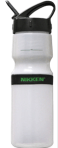
How we recycle and reuse products directly impacts the environment. For example, about 60 million one-use water bottles enter landfills  in America daily.1 By using water filtration devices such as the PiMag Waterfall®Screen Shot 2019-11-13 at 12.10.51 PM and reusable drinking bottles such as the PiMag® Sport Bottle, Screen Shot 2019-11-13 at 12.16.46 PMthis outrageous number can be reduced to help sustain the environment.
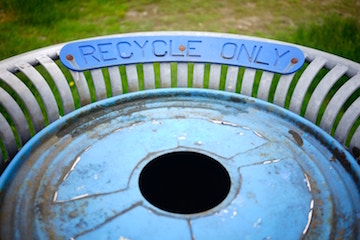
One area of recycling that America is doing well in is aluminum, with about 65% being recycled in the U.S. alone. In America, about 105,800 cans are recycled every minute.2 To put this into perspective, a TV can run for three hours from the energy saved by recycling one can!3

As more people get on board with the three Rs (Reduce, Reuse and Recyle) we are gradually returning to a more Earth-friendly lifestyle. Each year more than 60 million tons of wastes are recycled instead of ending up in landfills or incinerators. The Environmental Protection Agency (EPA) has a set a goal for America to reach 35% recycling. This is targeted at reducing the 4.5 pounds of solid waste created by each person every day, much of which can be recycled.4vanveenjf-nQrWPn1KJY8-unsplash

We have all thrown out things that are actually recyclable. Becoming more vigilant and knowledgeable about recycling is an integral aspect of Active Wellness. Over time, we’ll naturally reduce waste and modify our purchasing behavior in favor of less packaging and reusing things rather than throwing them out. Examples of items that people forget or don’t know can be recycled are inkjet or toner cartridges, glass jars, eyeglasses, pizza boxes, reusable plastic or cardboard food storage containers, plastic grocery bags, aluminum foil and empty aerosol cans.5 Donate old clothes and shoes rather than relegating them to trash. You’ll not only be helping someone in need but also reducing waste.

Consumers committed to preserving the environment can take the National Recycling Coalition’s pledge:

  • to find out what materials can and cannot be recycled in their communities;
  • to lead by example in their neighborhoods by recycling;
  • to recycle batteries, cell phones and other electronic waste;
  • to tell five friends that recycling is the easiest thing they can do to slow global warming.6

Remember that every day is a recycling day in the Nikken Wellness Community! Please join us!

1, 2, 3 https://nationaldaycalendar.com/america-recycles-day-november-15/

4, 6 http://www.doonething.org/calendar/recyclingday.htm

5 https://harmony1.com/20-things-you-probably-forgot-to-recycle/

Stay Away from Foods with Dyes and Preservatives

October is ADHD Awareness Month. ADHD stands for attention deficit hyperactivity disorder, and its prevalence has increased in recent decades. The Centers for Disease Control and Prevention estimate that more than seven percent of children and between four and six percent of adults in the United States have ADHD.1 Symptoms of the condition include having a hard time organizing and completing tasks, difficulty concentrating. focusing and listening, impulsivity, forgetfulness, impatience and poor time management.

While there are many drugs that claim to improve ADHD by balancing the brain’s neurotransmitters, these medications can also cause potential side effects including sleep problems, mood swings, loss of appetite, high blood pressure and even suicidal thoughts or actions. 2

Researchers continue to find alternative treatment methods that revolve around lifestyle modifications, many of which fit perfectly with Active Wellness. Here are some things that are believed to help minimize ADHD symptoms when eliminated from the diet:

  • Avoid foods with dyes and preservatives. The Mayo Clinic noted that certain food colorings and preservatives may increase hyperactive behavior in some children, specifically sodium benzoate (commonly found in carbonated beverages, salad dressing and fruit juice products), FD&C yellow no. 5 and no. 6, FD&C red no. 3 and no. 40, D&C yellow no.10, FD&C blue no. 1 and no. 2, FD&C green no. 3, orange B and citrus red no. 2.3 Basically, be careful with anything that has food coloring.
  • Avoid foods with chemical additives such as BHT and BHA. They are generally used to keep the oil in a product from going bad. They’re also found in processed foods such as potato chips, chewing gum, cake mixes, cereal and instant mashed potatoes.4
  • Avoid foods with salicylates. These are natural substances that are actually abundant in healthy foods such as red apples, almonds, cranberries, grapes and tomatoes. Salicylates are also found in aspirin and other pain medications. Research has shown that when salicylates are eliminated from the diets of hyperactive patients, 30 to 50 percent of them showed improvement.5
  • Allergens can be found in healthy foods but they might affect brain functions and trigger hyperactivity or inattentiveness if the body is sensitive to them. To see if any of the following foods can help decrease ADHD, eliminate them one at a time. They are the top eight food allergens: wheat, milk, peanuts, tree nuts, eggs, soy, fish and shellfish.6
  • Avoid sugar and gluten. Two studies done in Holland demonstrated that eliminating them improved symptoms in 70 percent of the children in their studies.7
  • Avoid produce grown with pesticides and livestock raised with hormones and antibiotics. Go organic whenever possible to avoid accumulating chemicals, even in low doses, in the body and brain.

The Centers of Disease Control and Prevention recommend the following behaviors to calm the mind and ease the tendency for overactivity:

  • Eat lean proteins which help increase focus and provide the building blocks for brain health. Make sure to eat small amounts, as large quantities of protein at one time can overburden the digestive system. Protein powders can be a good source, but whey can be overstimulating for some people, so the safer choice is pea protein. This makes Kenzen Vital Balance® an ideal choice.
  • Stay hydrated by drinking water. The brain is made up of 80 percent water and needs to stay hydrated. Caffeine and alcohol are dehydrating and can impair cognition and judgment. Carrying a PiMag® Sport Bottle that can be filled at any tap is a good habit to develop.
  • Eat healthy fats, especially those with omega-3 fatty acids found in foods like salmon, sardines, avocados, walnuts, chia seed and dark green leafy vegetables. Supplement with Kenzen® Omega Green+DHA  to fill in dietary gaps.
  • Get at least 60 minutes of physical activity daily.
  • Get plenty of sleep.
  • Limit daily screen time from phones, computers and TV.
  • Cook with herbs and spices. Garlic, oregano and turmeric are believed to boost blood flow to the brain, while there is scientific evidence that shows rosemary, thyme and sage help improve memory.8 Try incorporating Kenzen® Clarity into your daily regimen, as it’s formulated specifically to help maximize cognitive function.*

ADHD can be challenging, but by eating well and avoiding food triggers, both children and adults may be able to improve productivity and decrease or eliminate medications. Whether you may have ADHD or not, Active Wellness is the lifestyle of choice.

*This statement has not been evaluated by the Food and Drug Administration. This product is not intended to diagnose, treat, cure or prevent any disease.


1 https://www.healthline.com/health/adhd/foods-to-avoid

2, 3, 4 https://www.healthline.com/health/adhd/natural-remedies

5, 6 https://www.healthline.com/health/adhd/foods-to-avoid

7, 8 https://www.additudemag.com/adhd-diet-nutrition-sugar/


What’s the Best Way to Enjoy the Autumn Months?

Traditionally, autumn is the colorful harvest season that precedes the cold winter months. The temperature begins to drop and the air becomes dryer as winds blow and leaves fall. In contrast to Nature’s beautiful brush strokes, autumn is often a time for many people to get sick with colds and flu, and for the digestive system to take a major hit, causing various intestinal disorders. Fortunately, there’s a reason for this and simple solutions.

Each change of season is a transitional period in Nature and our bodies follow suit even if we are unconscious of what’s happening. Autumn is a time when leaves fall and vegetation is either harvested or dies off. During this natural cycle of life and death, mold is released. Even though mold is airborne year round, this extra release can be a stress on the immune system.

Depending on the individual’s state of Active Wellness, the immune system either continues working well or becomes overloaded during autumn. Digestion may not be as smooth and the foods that worked well during the summer may suddenly be overwhelming. Autumn is therefore an ideal time to reduce the toxic load on the immune and digestive systems. In fact, since 60 to 80% of the immune system revolves around the digestive system, the two impact each other a great deal.1

In addition to being the perfect time to incorporate Kenzen® Cleanse & Detox and Kenzen Lactoferrin® 2.0  into your daily regimen, here are some things to do that may help decrease toxic overload:

  • Minimize exposure to chemical toxins in the environment or in products you might use on a daily basis, including cosmetics, laundry detergent, cleaners, plastics, air fresheners, etc.
  • Try using unscented cleaners and detergents. Scented products often are full of artificial ingredients that tend to burden the immune and digestive systems.
  • Read labels and try eating food without artificial food coloring and preservatives. Processed foods in general may irritate sensitive digestive tracts.
  • Dry cleaning often contains chemicals that not only create breathing issues but also tax the central nervous system, which rules the digestive system! Even if you can’t avoid dry cleaning clothing, be aware and try to allow time for them to air out.
  • Pay attention to food sensitivities. This is a great time of year to eat warming foods, just as summer was a perfect time to eat cooling salads. A rule of thumb is to heed Nature and eat what grows seasonally, for example, pumpkins, squash, root vegetables (like beets and turnips), dark leafy greens, and whatever is locally grown.
  • Store your reusable plastic bags and containers in closed cupboards and air-tight containers. Plastics contain petrochemical molecules that are airborne, especially indoors.
  • Drink filtered water. Chlorine is a harsh chemical placed in many municipal water systems. The PiMag Waterfall® exceeds the standard for chlorine reduction and helps households filter tap water and reduce or eliminate the use of bottled water that becomes trash in landfills.
  • Traditional Chinese Medicine recommends preventing gastrointestinal flare-ups by eating moistening foods, such as tofu, tempeh, spinach, barley, pears, apples, seaweed, mushrooms, almonds, sesame seeds, persimmons and loquat, also known as monkfruit.2
  • Protect skin from the dryness and wind. Use a moisturizer such as True Elements® Youthful Face Cream at night and Nourishing Face Cream during the day. For optimum results, exfoliate first to get rid of flaky skin—True Elements® Radiance Scrub is gentle and soothing.

Try to get plenty of rest and sleep to help keep your immune system happy, and enjoy this beautiful season!dennis-buchner-p_tvAd7HBxo-unsplash


1 https://www.no-ibs.com/blog/why-does-ibs-act-up-in-spring-or-fall/

2 https://thehutong.com/what-to-eat-in-autumn/

Do Your Children Eat a Lot of “Treats”?

Providing food is a universal act of care in every species within the animal kingdom. Humans above all show affection by preparing and serving a variety of food. Often, certain types of food are given as “treats,” thus assigning them extra value.

Here’s an example of a dialogue between parent and child:

Parent: Finish your dinner and you can have a special treat.

Child: What’s the special treat?

Parent: You can have a frosted cupcake.

The problem here is that the frosted cupcake is given the status of a special treat, so the child perceives it as something highly desirable. The fact that the child has to finish dinner in order to obtain the treat implies that the dinner is something to get out of the way in order to obtain the cupcake. It may seem harmless enough, but this kind of behavior becomes entrenched in the child and carries into his or her adult life and can even perpetuate itself into the next generation. Unfortunately, high-calorie, high-fat and heavily sugared foods are the ones that are generally called treats, while nutrient-dense foods that should be valued, are not. No wonder childhood obesity has become a serious problem in North America.

Obese children are at a higher risk of having chronic health conditions, such as asthma, sleep apnea, bone and joint problems and type 2 diabetes. Onset of diabetes in children can lead to heart disease and kidney failure.1 And more obviously, children with obesity are more likely to become obese adults with numerous health challenges.

According to the American Dietetic Association (ADA), obesity threatens the health of today’s children to such an extent that they may, for the first time in U.S. history, have a shorter lifespan than their parents. This crisis has led to increasing interest in the prevention of obesity, starting with childhood. The ADA has compiled a lot of data about childhood obesity, based on ongoing studies and reports. The main areas of review are food and nutrients, eating behaviors, family interactions around food and meals and physical activity vs. sedentary behaviors.2

Since parents and caretakers are largely responsible for providing food for most young children, the “control” is in the adults’ hands. Here are some common sense guidelines:

  • Be a good role model and eat healthy foods.
  • Help children develop good nutritional habits by having healthy food available—lots of fresh fruit and vegetables, lean meats, poultry, fish, lentils and beans.
  • “Out of sight, out of mind,” so don’t purchase beverages with extra sugar. Evidence strongly supports a correlation between obesity in children with a high intake of sweetened beverages.3 Also avoid the availability of snacks with high fat and high sodium.
  • Have family meals together. Reports from the American Dietetic Association show evidence that increased frequency of family meals is associated with a higher consumption of nutritious foods and less of fried food and soft drinks.
  • Encourage children to drink water throughout the day, and provide them with their individual PiMag® Sport Bottle. Children like taking ownership of something special and the PiMag® Sport Bottle will help them receive clean, filtered water. Teach them to fill the PiMag® Sport Bottle with tap water or wherever there is potable water. In doing so, your children will be learning to drink less chlorinated water and at the same time, reduce plastic waste from bottled water.
  • Serve age-appropriate portions, and don’t expect children to “clean their plates” at every meal. On the other end of the spectrum, wait 15 minutes before serving seconds, so children can learn the feeling of fullness.
  • Don’t watch TV during meals or snacks. Distracted eating is the opposite of mindful eating.
  • Don’t use sweets as a reward. The definition of “treat” is really up to the parent, and when kids are taught to choose healthy foods from a very young age, it carries into adulthood.

Now let’s take the example dialogue mentioned above and change it up:

Parent: Finish your dinner and you can have a special treat.

Child: What’s the special treat?

Parent: We’re going to go for a bike ride together before it gets dark.

It’s never too early to start living Active Wellness. Examples of good treats that are 100 calories or less are a medium-sized apple or banana, a cup of blueberries, a cup of carrots, broccoli or bell peppers accompanied by a couple of tablespoons of hummus. A Kenzen Vital Balance® “milk shake” is also a healthy treat, and makes a wonderful breakfast or snack for the whole on-the-go family.