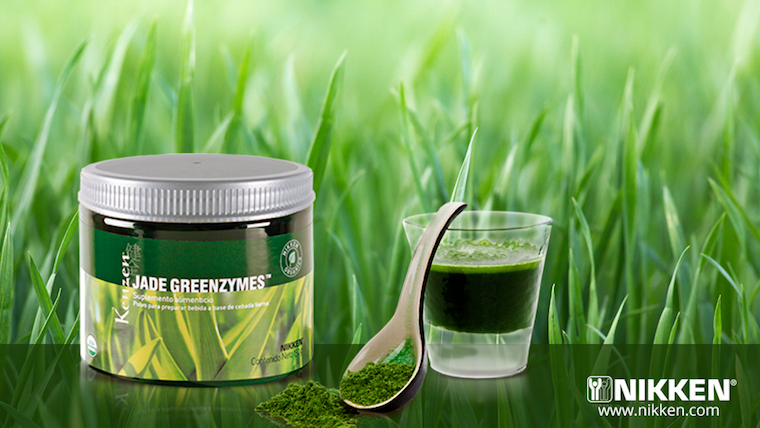
Nature’s Perfect Food

It’s hard to imagine a single food having the multiple benefits of nutritional ingredients such as vitamins, minerals, electrolytes, amino acids, enzymes, plant protein and fiber. Yet, barley grass is composed of all those ingredients and more, making it a true superfood. Take a look at all the benefits provided by barley grass!

If you don’t want the calories that come with the antioxidant-laden fresh fruit juice, consider barley grass powder, easily mixed with water. It’s loaded with vitamin A, vitamins B1 (thiamine), B2 (riboflavin), B3 (niacin), B6 (pyridoxine), folate, vitamins C (ascorbic acid), E (alpha-tocopherol) and K (phylloquinone). It contains an abundance of electrolytes such as magnesium, phosphorous and potassium along with other essential minerals such as zinc, iron and calcium.1

High in chlorophyll and beta-carotene, barley grass helps stimulate the body’s natural processes of eliminating waste materials and helps support metabolic processes while strengthening and detoxifying the liver. Zinc, selenium and copper are the minerals in barley grass that contribute to its cleansing abilities.2

By helping the body stay clean internally, barley grass also assists the gut in propagating healthy bacteria and thus decreasing inflammation and other associated symptoms of ulcerative colitis.3

With these cumulative benefits, it comes as no surprise that barley grass helps boost the immune system, which helps strengthen the ability to prevent and combat infection and disease. Regular consumption of barley grass provides the required nutrition, which is necessary for balancing the optimal production of immune cells in the body.4

According to the National Institutes of Health (NIH), barley grass powder is the best functional food that provides nutrition and helps eliminate toxins from cells in human beings; however, its functional ingredients have played an important role in providing health benefits. NIH comprehensive databases show numerous studies of barley grass that attribute super powers to the green food, including the prevention of chronic disease.5

 Short of calling barley grass a miracle food, various papers housed by the NIH show that “barley grass promotes sleep; has anti-diabetic effect; regulates blood pressure; enhances immunity; protects liver; has anti-acne/detoxifying and antidepressant effects; improves gastrointestinal function; has anticancer, anti-inflammatory, antioxidant, hypolipidemic, and anti-gout effects; reduces cardiovascular diseases, fatigue, and constipation; alleviates atopic dermatitis; improves cognition; and so on.”6

As if all these benefits for the internal organs were not enough, barley grass also has been shown to be effective in protecting against UV radiation. The superoxide dismutase enzyme essentially helps protect the body on a cellular level from the effects of radiation and barley grass is a good source. Barley grass juice can be consumed regularly to help prevent any such damage and reduce the effects of harmful radiation. The chlorophyll content in barley helps the regeneration of new cells and also helps with the repair of damaged cells.7

Nikken has taken “Nature’s Perfect Food” and turbo-boosted it for Active Wellness. Kenzen Jade GreenZymes® is made with organic barley grass and a proprietary blend of organic acacia and organic pearl barley seed extract powder. Acacia is a source of dissolvable dietary fiber used to promote good bacteria in the intestines.8 Pearl barley contains potassium, calcium and magnesium, which have been found to decrease blood pressure naturally.9 It has also been linked to a lower risk of chronic disease and a stabilizing factor in blood sugar and weight management.10

1,2, 3, 4 https://www.organicfacts.net/health-benefits/cereal/barley-grass.html

5, 6 https://www.ncbi.nlm.nih.gov/pmc/articles/PMC5904770/

7 https://www.naturalfoodseries.com/11-benefits-barley-grass/

8 https://www.webmd.com/vitamins/ai/ingredientmono-268/acacia

9, 10 https://www.medicalnewstoday.com/articles/295268.php


How Healthy is Your Indoor Environment?

When we think of pollution, smog, plastic, garbage and contaminated bodies of water come to mind. But what about indoor pollution? Other than bad air caused from smoking, cooking, mold, mildew and animal dander, what else makes our indoor environment unhealthy?

The use of EMF and RF devices is growing exponentially.  These devices transmit wirelessly using Electromagnetic Fields (EMF) and Radio Frequencies (RF).  They are not safe and are harmful to adults and children.1 Examples include mobile or cordless phones, WiFi or Bluetooth-enabled devices, and the infrastructure that allows for their usage. Electromagnetic radiation around the 1 GHz frequency band, which is mostly used for modern wireless communications, has increased from extremely low natural levels by about 10 times.2

Radiofrequency electromagnetic radiation is also used for radar, security scanners, smart meters, and medical equipment (MRI, diathermy, and radiofrequency ablation). In a nutshell, exposure to EMF and RF is virtually at every indoor facility we may enter. This type of health risk is known as anthropogenic environmental exposure. Anthropogenic is defined as “relating to, or resulting from the influence of human beings on nature.”3 EMF and RF exposure will continue to surge as technological advances proliferate.

At the Oceania Radiofrequency Scientific Advisory Association, an independent scientific organization, volunteer scientists have constructed the world’s largest categorized online database of peer-reviewed studies on radiofrequency electromagnetic radiation and other man-made electromagnetic fields of lower frequencies. A recent evaluation of 2266 studies (including in-vitro and in-vivo studies in human, animal, and plant experimental systems and population studies) found that most studies have demonstrated significant biological or health effects associated with exposure to anthropogenic electromagnetic fields.4

The evidence supports the International EMF Scientist Appeal by 244 scientists from 41 countries who have published on the subject in peer-reviewed literature and collectively petitioned the World Health Organization (WHO) and the United Nations (UN) for immediate measures to reduce public exposure to artificial electromagnetic fields and radiation. Evidence also exists of the effects of radiofrequency electromagnetic radiation on flora and fauna. For example, the reported global reduction in bees and other insects is linked to the increased radiofrequency electromagnetic radiation in the environment.5

Some government health authorities have recently taken steps to reduce public exposure to radiofrequency electromagnetic radiation by regulating use of wireless devices by children and recommending preferential use of wired communication devices in general.6

It’s unrealistic for us to stop using our EMF and RF devices; however, we can make concerted efforts to detach from them during downtime. We also need to make sure our children are not glued to their cell phones and gaming devices. As inhabitants of planet Earth, we urgently need to reconnect to Mother Nature!

Try KenkoGround™ against your skin and incorporate it into your Active Wellness lifestyle.


1 https://www.globalindoorhealthnetwork.com/

2 Smith-Roe SL, Wyde ME, Stout MD, et al. Evaluation of the genotoxicity of cell phone radiofrequency radiation in male and female rats and mice following subchronic exposure. Environmental Mutagenesis and Genomics Society Annual Conference; Raleigh, NC, USA; Sept 9–13, 2017.

3 https://www.merriam-webster.com/dictionary/anthropogenic

4, 5, 6 https://www.thelancet.com/journals/lanplh/article/PIIS2542-5196(18)30221-3/fulltext


Don’t Take Water for Granted

When I was growing up in Taiwan, boiling water was an activity 365 days of the year. Every night, we would boil lots of water and fill glass bottles for cooling. By the next morning, the water would be ready either to refrigerate for drinking or left at room temperature for cooking. It would get reboiled for brewing tea or coffee as well as poured into ice trays to make ice cubes.

When I lived in Canada, I appreciated the cold water that came out of the faucets. No boiling was required and the running water tasted better than any bottled water I had ever had. Ironically, many indigenous populations—First Nations in Canada—now must boil water in order to decontaminate it for drinking, the same way residents of Flint, Michigan have had to for years now. Even in industrialized countries, contamination and water scarcity are more prevalent than we think. In areas of the arid Southwest in the United States, for example, populations are facing a threat to their drinking and irrigation water supply as rivers dry up..1

People often take their drinking water for granted, but when you’re traveling, the tap water may not be safe to drink. With diarrhea, giardia, hepatitis A, typhoid and cholera among the illnesses that can be transmitted with bad water, it pays to know which parts of the world guarantee clean, safe tap water, and where you should be sourcing bottled water instead.

The water you need to be most concerned about is water that might contain microorganisms that will make you sick, and in less developed countries, you are more apt to run into water that contains a variety of microorganisms you want to avoid.  To make untreated or badly treated water safe, boil for 60 seconds. Boiling in rolling water for one minute should kill 100% of pathogens. At high altitudes of 2,000 meters or 6, 562 feet, boil for three minutes.2

If the water is unsafe to drink, don’t brush your teeth with water from the tap. Check that natural bodies of water are safe before you swim, keep your mouth closed in the shower and don’t accept ice in your drinks. Remember that with canned beverages, such as soda and beer, the outside of the can may have been contaminated too if it was chilled in ice..3 Also, if you can’t drink the water, don’t eat the salad either. Only eat food which has been cooked or that has a peel, which you can remove. Salads are generally washed with local water when being prepared, so always ask if it has been purified if you’re unsure.4

The Centers for Disease Control and Prevention provides guidelines for removal of some or all of the bacteria that may be present in drinking water. Boiling is ranked with a high effectiveness as is using a combination of filtration and disinfection. The recommendation is to use a 0.3 micron filter with NSF Standard 53 or 58 rated “cyst reduction/removal.”5

If you decide to purchase bottled water wherever you go, make sure it is sealed. In impoverished nations, bottles are often refilled with tap water, which is unsafe for drinking. Please remember to dispose of your plastic water bottles responsibly. Non-biodegradable items cause a huge problem throughout the world.

Nikken Water Packs help you access PiMag® water at home and on-the-go. Traveling with the PiMag® Sport Bottle with patent-pending nano-filtration technology and alkalization media is easy and convenient. It exceeds reduction standards for cyst, lead, bacteria and much more. Fill it with potable water wherever you are, and know that you are contributing to the well-being of the local ecology as you practice Active Wellness everywhere you go.

1 https://thewaterproject.org/water-scarcity/water_scarcity_in_us

2, 3, 4 https://www.mappingmegan.com/travelers-guide-to-safe-tap-water-countries-with-unsafe-drinking-water-can-i-drink-the-water-in/

5 https://www.cdc.gov/healthywater/drinking/travel/backcountry_water_treatment.html

Are You at Risk for Type 2 Diabetes?

According to the National Institute of Diabetes and Digestive and Kidney Diseases (NIDDK), diabetes affects about 30.3 million Americans or about 9.4% of the U.S. population, and nearly one in four living with diabetes don’t know they have it.1 Additional statistics show that another 84 million Americans have prediabetes, a condition in which blood glucose levels are higher than normal, but not high enough to be diagnosed as diabetes.2 Since nine out of 10 adults with prediabetes don’t know they have it,3 they may not take precautions.

How do you know if you’re at risk? Just as with most diseases, if you have a family history of diabetes, you have a greater chance of developing type 2 diabetes. Other risk factors include being older than 45, being overweight or leading a sedentary lifestyle.4

Since diabetes can cause other health problems, such as heart disease, stroke, impaired sight and foot issues, taking adequate preventative measures is prudent. Delaying diabetes by even a few years may benefit your health.5 The NIDDK even has an annual Diabetes Alert Day to inform the public how diabetes can be prevented or delayed—tomorrow, March 26, 2019 is this year’s special day.

According to the Diabetes Prevention Research Group, there are some things you can do to lower your risk, which coincide with practicing Active Wellness:

  • If you are overweight, losing weight and keeping it off may help prevent or delay diabetes. The rule-of-thumb is to lose 5 to 7 percent of your starting weight. For example, if you weigh 200 pounds, your goal would be to lose about 10 to 14 pounds. About 12% of diabetics are normal weight or thin—their insulin resistance may be caused by genetic factors, fat around their organs (known as visceral fat) or high cortisol levels resulting from stress.6
  • Exercise regularly. Get at least 30 minutes of physical activity five days a week. If you have not been active, talk with your health care professional about which activities are best. Start slowly to build up to your goal. For example, if you can only walk for five minutes at a time, you can start by taking mini-walks several times a day.
  • Eat healthy foods most of the time. Choose foods that are nutrient-dense and have a low glycemic load.7 You don’t have to memorize a list of foods if you stick largely to a Mediterranean diet with lots of green vegetables, beans, nuts and seeds, and low-sugar fruits like berries, kiwi, oranges, and melon. Eating in a healthy way not only helps heavier diabetics lose weight, but it also helps normal-weight diabetics control their blood sugar levels.
  • Drink water instead of sweetened beverages. Many people eat well but are not aware that drinking so-called healthy juices or energy boosters often results in unnecessary intakes of sugar.
  • Stay away from refined and processed foods as much as possible. Replace “white” foods such as rice, pasta, bread and cereals with whole grains that are high in fiber. The worst foods are those with added sugar, fried foods, foods with trans fat and processed meats.8

Whether you need help maintaining or losing weight, Kenzen Vital Balance® Meal Replacement Mix contains no added sugar, has MCTs for your brain and organic pea protein that even vegans can enjoy. Take advantage of the current promotion where you receive three Chocolate KVB for the price of two.

To help break the coffee and tea with sugar and cream habit, Kenzen Ten4® Energy Drink Mix is the perfect pick-me-up. It’s made with organic matcha green tea and New Zealand kiwi, and naturally sweetened with stevia extract and organic brown rice solids.

1, 2, 3 https://www.niddk.nih.gov/health-information/communication-programs/ndep/partner-community-organization-information/diabetes-alert-day

4, 5 https://www.niddk.nih.gov/health-information/diabetes/overview/preventing-type-2-diabetes

6 https://www.geisinger.org/health-and-wellness/wellness-articles/2018/03/05/21/59/yes-thin-people-can-get-type-2-diabetes

7 https://foodrevolution.org/blog/how-to-eat-to-prevent-diabetes/

8 https://www.helpguide.org/articles/diets/the-diabetes-diet.htm/

Relax, Renew and Regenerate this Spring Season!

In North America the official start of spring this year is on March 20. Even as the spring season is physically a time of rebirth and renewal, it’s also a challenging time for both the body and the mind.

Noted psychiatrist and substance abuse specialist Dr. McCance-Katz points out that researchers have discovered a greater incidence of depression and anxiety in the spring months. As it turns out, lengthening daylight may discombobulate people’s chemical regulatory system. “There are these different neurotransmitters that have been implicated in mood disorders,” she says. “It could be that people also have imbalances in serotonin, in melatonin, that are affected by day length and can also affect mood.”1 These imbalances are also suspected to cause that general feeling of lethargy, commonly referred to as spring fever.

In fact, “the suicide rate goes up in the spring.”2 Not only are taxes due, final exams take place in many universities and secondary schools, certain sports resume intense practice and stress levels increase during the season for filing taxes. Spring presents specific challenges, so here are a few tips for combating the basic three:

  1. As much as you look forward to the warmer spring weather, you also have to cope with the accompanying winds and sporadic rain, which can wreak havoc on the skin. Your skin may get dehydrated, itchy and red. Be particularly gentle while cleansing and conscientiously hydrate throughout the day and especially at night, because skin cells renew best during rest. Antioxidant-rich vitamins E, A and C are particularly helpful in regenerating the skin. 3
  2. Spring fever begone! Use your diet to help obtain that extra boost you need. Eat seasonal foods. They are fresher and therefore have higher nutritional value. 4 To make sure you aren’t eating or drinking anything that may cause inflammation (pesticides, artificial coloring, chemical preservatives), stay with organic fruits and vegetables.
  3. Stress can virtually be a killer, so exercise both physical and mental health care. Make sure to incorporate exercise into your busy spring days, as physical activity is a known stress reliever. Massage is also a way to practice Active Wellness as the muscles are coaxed into relaxation for sense of overall well-being.

Nikken can help you combat the three basic challenges of spring, so you can relax, renew and regenerate. KenkoTouch®  takes the “ouch” out of expensive massage sessions with a convenient hand-held device that is designed with patented DynaFlux® magnetic technology. Kenzen Ten4® Energy Drink Mix gives you 80 mg of natural caffeine from superior quality matcha green tea powder to supercharge your body and to keep your mind alert.  Since it is so important to keep skin moisturized during the spring season, we recommend using True Elements® Youthful Face Cream, as it may help all skin types replenish moisture.


1 https://www.washingtonpost.com/news/wonk/wp/2014/12/03/the-google-misery-index-the-times-of-year-were-most-depressed-anxious-and-stressed/?noredirect=on&utm_term=.1b1a48c48b1f

2 http://www.mharockland.org/springtime-challenge/

3 https://www.hl-labs.com/pro-info/springtime-challenges-for-our-skin.html

4 https://www.earthbalancenatural.com/lifestyle/6-tips-springtime-stress-relief/


New Year Healthier You

As we begin 2019, making a commitment to improve overall health is crucial to an Active Wellness lifestyle. For each of us, that commitment is personal; however, the rule of thumb is to eat healthy foods and move our bodies more often. Resolutions need to be do-able and realistic in order for us to stick them. Here are 10 practical ways to help make 2019 a healthier year.

  1. Eat more citrus. An article in the American Journal of Clinical Nutrition1 found that people who eat foods high in vitamin C are more successful at staving off the effects of premature aging of the skin.
  2. Eat more vegetables. They contain lots of fiber, vitamins and minerals and low in calories. They’re the key to maintaining health and a comfortable weight.
  3. Cut down on sugar intake and don’t use artificial sweeteners.
  4. Expand your palate. Just because something sounds distasteful doesn’t mean it actually is. Things like kale, bitter melon and pomegranate may be acquired tastes but if you like them, you’re adding to your arsenal of healthy foods—all of which helps in weight management.
  5. Learn to cook. It is not only healthier because you can choose exactly which ingredients to use but also helps save money. One Reddit user cut his food budget from $900 to $150 a month by cooking more and ordering food delivery less.2
  6. Vow to exercise daily, as consistency is key. To challenge yourself, each week increase the intensity of whatever you choose to do a little bit.
  7. Spend less screen time (cell phones, tablets, TV, etc.) and more time making actual contact with living beings. For example, have tea time with friends, take an exercise class, walk the dog, etc.
  8. Wear shoes that are supportive and comfortable. When feet are uncomfortable, the whole body suffers. Feet carry us where we need to go, so be kind to them and we have a better chance that they’ll work throughout our lives.
  9. Be helpful. Whether we volunteer our time or donate to worthy causes, helping others is a win-win. We end up with a better self-image, which in turn creates an overall sense of well-being.
  10. Take the stairs wherever you can. That doesn’t mean climbing a high-rise, but three or four stories is a good way to add to a short walk in a building. During inclement weather, consciously using the stairs is a great way to do a mini-workout.

To help you achieve your healthy eating resolution, we’re offering a special on chocolate Kenzen Vital Balance®—Get 3 for the price of 2! (Excludes Autoship orders.)

1 https://www.goodhousekeeping.com/health/wellness/advice/g985/achievable-new-year-resolutions/?slide=29

2 https://www.marketwatch.com/story/4-new-years-resolutions-that-will-save-you-money-in-2019-2019-01-01

No Fishy Business: Go Organic

The Center for Food Safety emailed me an alert this week and I thought I would share excerpts of its important message:

Screen Shot 2018-12-03 at 4.03.02 PM“A recent study (printed in The Journal of American Medical Association and reported in The New York Times) that followed 70,000 adults for five years, most of them women, found that the most frequent consumers of organic food had 25 percent fewer cancers over the course of their lives than those who never ate organic food. This latest study supports what we at Center for Food Safety (CFS) have been advocating all along: choosing organic foods isn’t a lifestyle, but a lifesaver. We will continue to work to protect organics, ban pesticides affecting our health and farmworkers, and to increase access so that everyone can enjoy the benefits that come from eating organic foods. We know that pesticide residues are detected four times more often in conventional food than they are in organic food. And we know that eating organic foods lowers the risk of impairment in the physical and mental development of children.”1

The executive leadership at Nikken is on the same page as the Center for Food Safety. For example, the HiOmega® flaxseed oil powder found in our proprietary blend in Kenzen Omega Green + DHA is cold pressed, all-natural and non-GMO.2 As such, each harvest of organic flaxseeds produces variations in color and smell, dependent upon the season and soil conditions. A recent batch has produced a “vinegary” odor. It is the highly beneficial linoleic acid within the flaxseed oil that “produces a slightly different distribution of odorants.”3 Our manufacturers requested replacing the flaxseed oil with a non-organic seed in order to rid the product of its odor. (Non-organic seeds are highly processed and therefore have much fewer beneficial properties left.) The Nikken response? Keep the all-natural organic flaxseed for optimal Active Wellness.

Nikken is committed to using high-quality ingredients even if they are much more expensive. Admittedly, some of you may find the vinegary smell unpleasant. However, it’s still better than the fishy smell that comes from fish oil. And, flaxseeds contain more polyphenols than vegetables like olives and blueberries, an added bonus. Fish oil does not contain any polyphenols.

Kenzen Omega Green + DHA is 100 percent vegetarian and contains all three important omega fatty acids: 3, 6 and 9. The proprietary formula of cranberry seed oil, flaxseed oil and red algae comes from renewable sources and the flaxseed oil in particular, is cold pressed to avoid heat. (Heat tends to deteriorate the beneficial effects of omega-3 fatty acids.) Omega fatty acids help support healthy heart, brain nerve and eye function. They help maintain cardiovascular health and help support digestive health and hormone balance as well as the cellular membranes in the skin, heart and brain. Omega fattyacids also are believed to help reduce periodic sleeplessness and carbohydrate cravings.*

*These statements have not been evaluated by the Food and Drug Administration. This product is not intended to diagnose, treat, cure or prevent any disease.

  1. office@centerforfoodsafety.org.
  2. http://www.polarfoods.com/
  3. https://www.reddit.com/r/AskScienceDiscussion/comments/4nafe8/why_does_flax_seed_oil_smell_fishy_like_seaweed/ 

Take the Stress Out of Your Gut so You Can Truly Give Thanks

You know the butterflies-in-the-stomach feeling you get when you‘re nervous or stressed out? Looking forward (not!) to dealing with in-law-itis and other members of the family at annual get-togethers? Overeating? Drinking in excess?

Starting with Thanksgiving, the hustle and bustle of the holiday season can be hard on the gut. Here are some tips for maintaining a stable gut over the holidays:

  • Drink lots of water. You might overdo the alcoholic beverages, but if you drink lots of water, it will help compensate for the dehydrating aspects of alcohol and sugar. (Yes, most alcoholic beverages contain sugar or convert to sugar.)
  • Chew. No matter how much you eat, if you remember to chew, it will help prevent indigestion because it will slow down the eating process. Swallowing too much too quickly can cause gas and bloat.
  • Going to potlucks? There will be lots of tempting foods that are full of empty calories, so bring something delicious but make it a healthy treat! Think exotic fruit salads and greens.
  • Sleep is more than just necessary rest. Good sleep helps the digestive system function optimally. The body rebalances, detoxes and regenerates during sleep, so get plenty of it.
  • Practice Active Wellness by exercising. If you have a daily routine, try to stick to it. In addition, after each big meal, try to take a walk.
  • When you’re traveling, pack healthy snacks and avoid the fast-food kiosks. For example, bring a shaker bottle with premeasured Kenzen Vital Balance® in it, and you can add water after you pass the TSA checkpoint at any airport for a nutritious meal replacement or snack.
  • If you haven’t already incorporated Kenzen® Digestion Complex 4-20 into your daily regimen, there’s no better time to do so than now. With all four major digestive enzymes in the formula, your stomach will thank you.
  • Take care of your mental state as well as your physical state. Try to set aside a few minutes daily to be alone and inhale and exhale deeply. Oxygen feeds your brain and your gut.
  • Kenzen Lactoferrin™ 2.0 supports both the G.I. tract and mental health with four exceptional organic ingredients.
  • Give thanks. Whether you say it to your family and friends or simply meditate on it, remember what you’re grateful for even in the most trying of times.

All of us at Nikken wish you abundance and thank you for taking the Active Wellness journey with us!

Add Delicious Polyphenols into Your Diet and Reap the Benefits

There are more than 500 unique polyphenols. 1 Polyphenols are a category of chemicals that naturally occur in plants. Known as micronutrients, the polyphenols that we get through certain plant-based foods are packed with antioxidants and potential health benefits. Nutritionists believe that polyphenols can improve or help treat digestion issues, weight management difficulties, diabetes, neurodegenerative disease, and cardiovascular diseases.2

Factors that influence the activity of polyphenols in the body include metabolism, intestinal absorption, and the bioavailability of the polyphenol. Although some foods may have higher polyphenol levels than others, this does not necessarily mean that they are absorbed and used at higher rates.3 For example, polyphenols found in actual foods are often more readily absorbed than those encapsulated in supplements.

Different categories of food contain various amounts of polyphenols. Here are some of the more easily accessible sources by food group, with berries having a notably high concentration of polyphenols:

Berries: blueberries, raspberries, strawberries, elderberries, blackberries, cranberries

Other fruit: oranges, apples, grapes, peaches, grapefruit, cherries, black currants, plums, apricots

Vegetables: onions, shallots, spinach, potatoes, black and green olives, globe artichoke heads, broccoli, asparagus, carrots

Nuts: hazelnuts, pecans, almonds, walnuts, chestnuts

Seeds: flaxseeds, sesame seeds

Legumes: Soybeans, black beans, white beans

Beverages: Coffee, green tea, black tea, red wine

Fats: dark chocolate, virgin olive oil, sesame seed oil

One of the easiest ways to incorporate polyphenols into the diet is to eat a Mediterranean diet. It emphasizes fruits and vegetables, includes ample amounts of olives, nuts and seeds, adds seafood and lean meat, and goes easy on starchy carbs.

Two Active Wellness formulations make it easy to insert antioxidant polyphenols into your daily regiment:

  • Kenzen Super Ciaga® is an organic superfruit juice concentrate that is not only delicious straight from a shot glass, but also serves as a great mixer with seltzer water to help you kick the soda habit. The numerous high-polyphenol organic berries in the formula are each harvested at the peak of their growth cycle for potency and natural sweetness.
  • Kenzen Ten4® Energy Drink Mix contains organic matcha green tea, the most concentrated form of green tea. It’s another way to add antioxidant polyphenols into your daily regimen, and it’s versatile enough to be enjoyed hot or cold.

As you enjoy these delicious drinks, they’ll be busy helping your body cope with the onslaught of free radicals.


5 SCiaga plus Ten-4.jpg

1, 3 https://www.medicalnewstoday.com/articles/319728.php

2 https://www.healthline.com/health/polyphenols-foods

A Young Champion and his Nikken Products

Jack Turner is a young British athlete who has won an impressive number of awards. Jack became the English Schools under-17 2017 Octathlon champion when he won Gold in Boston, UK. He went on to represent England at the Schools International Athletics Board (SIAB) Home Internationals in Glasgow, Scotland where he won Silver for the indoor Pentathlon.

This year Jack won the under-18 British Standards decathlon competition, exceeding the European entry standard. This led to him being selected to represent Great Britain at the European Championships in Hungary, where he set a new British record. A few months later he went on to compete in his first under-20 Decathlon and achieved the gold medal and another national title. At the end of the 2018 outdoor season Jack is ranked 6th in Europe, 6th in the world for under-18 Decathlon and 4th in the UK for under-20s Decathlon. He’s aiming high for the championships next year!

A big fan of Nikken products, Jack uses them before, during and after competitions. He explains, “I found the KenkoTherm® Knee Wrap really supportive, especially since I hyperextended my knee last year long jumping. Wearing it helps me both physically and mentally. The tight yet comfortable fit meant that for a long period of time I could compete with it on.

“I found myself using the Kenko MagDuo® a lot. In preparation for the European Championships, I would use it on small muscles and joints for some release. I used the KenkoTouch® on my inflamed tendon, that I picked up during a decathlon, days before another competition. I used it at night just before I went to bed and felt that it really helped me to perform well the following day.

“I have a PiMag Waterfall® at home, so to be able to carry around PiMag filtered water in the PiMag® Sport Bottle when I compete was reassuring, especially when competing abroad.”

The young champion is clearly adhering to tried and true Active Wellness practices.

  • He keeps hydrated and drinks PiMag® alkaline water.
  • He keeps his muscles and tendons warm and supported with form fitting KenkoTherm wraps.
  • He takes advantage of patented DynaFlux® magnetic technology to massage himself with the handheld KenkoTouch® and the Kenko MagDuo®.

We look forward to hearing more about Jack Turner’s brilliant athletic accomplishments over the coming years!